Award-Winning Biochemistry Tutors
serving San Francisco, CA
Biochemistry
Tutors in San Francisco
Private 1-on-1 tutoring, weekly live classes for academic support, test prep & enrichment, practice tests and diagnostics, and more to elevate grades and test scores.
Based on 3.4M Learner Ratings
UniversitiesSchools & Universities
DeliveredHours Delivered
ProficiencyGrowth in Proficiency
Who needs tutoring?
No obligation. Takes ~1 minute.
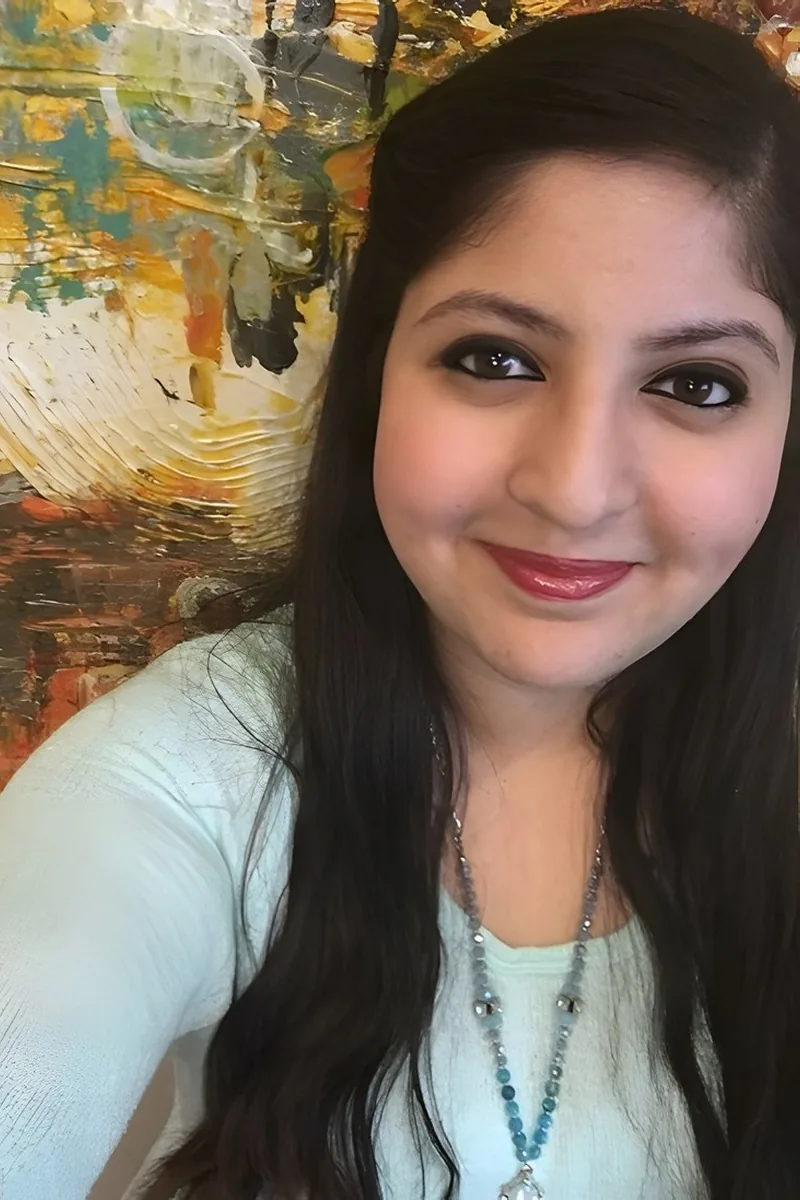
Enzyme kinetics, metabolic pathways, protein structure — biochemistry asks students to think across chemistry and biology simultaneously, which is exactly what Saniya's neuroscience and chemistry training prepared her for. She unpacks complex topics like Michaelis-Menten kinetics or amino acid properties by linking molecular behavior to biological function, making dense material more intuitive. Her continued coursework in physiology and histology keeps these connections sharp.
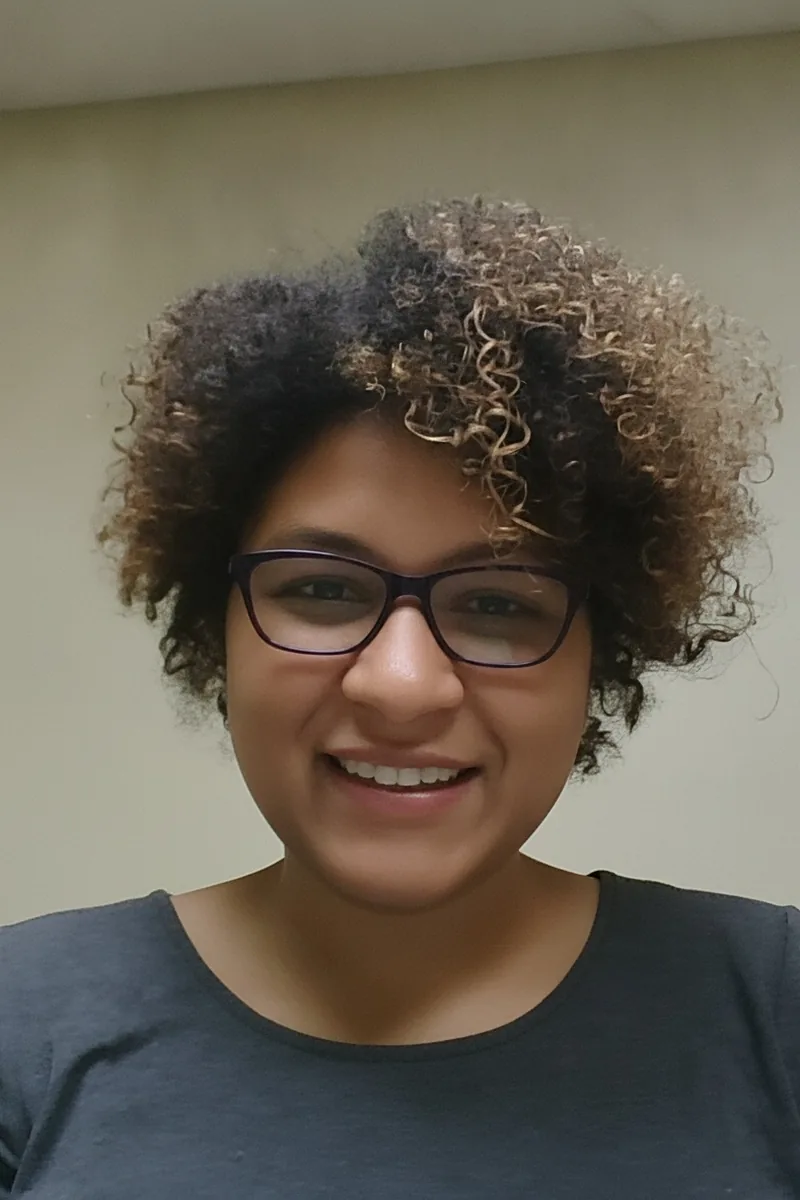
Enzyme kinetics, metabolic pathways, and protein structure sit right at the intersection of Aimee's two degrees — chemical engineering and biosystems engineering. She unpacks topics like Michaelis-Menten kinetics and amino acid chemistry by tying them to the biomedical research context she works in at Georgia Tech, making dense material feel purposeful.
Managing an immunology lab means Matthew doesn't just teach enzyme kinetics, protein structure, or metabolic pathways from a textbook — he uses them daily in his breast cancer research at Columbia. He walks through topics like signal transduction, amino acid chemistry, and lipid metabolism with the kind of specificity that turns confusing diagrams into logical sequences students can actually reason through.
Enzyme kinetics, metabolic pathways, protein structure, nucleic acid chemistry — biochemistry demands that students hold molecular detail and big-picture logic in their heads simultaneously. Sugi graduated summa cum laude with a biochemistry degree from Rice and now applies that knowledge daily in medical school at Baylor. She teaches each pathway as a narrative with clear inputs, outputs, and regulatory checkpoints rather than a list to memorize.
Studying biochemistry at Penn as part of a pre-health track, Shayan lives in the world of enzyme kinetics, metabolic pathways, and protein structure daily. He breaks down dense topics like the citric acid cycle or amino acid chemistry using visual analogies and step-by-step logic that make the connections between reactions stick long after the session ends.
Medical school required Thomas to internalize biochemistry at a level most undergrads never reach — enzyme kinetics, metabolic regulation, amino acid chemistry, and the signaling cascades that tie them together. He breaks down dense pathways like glycolysis and the citric acid cycle into logical sequences so students can reason through problems instead of relying on rote memorization. Rated 5.0 by students.
Neuroscience majors don't just memorize biochemistry — they depend on it, and Janki's coursework at Kentucky meant tracing every concept from neurotransmitter metabolism to oxidative phosphorylation back to the underlying chemical logic. She teaches topics like enzyme regulation and pathway energetics by building each mechanism piece by piece, so students can predict what happens next in a pathway instead of relying on rote recall. Rated 4.8 by students.
Marc earned his bachelor's in biochemistry before entering an MD/PhD program, so enzyme kinetics, metabolic pathways, and protein structure aren't abstract topics for him — they're daily tools. He breaks down dense material like the citric acid cycle or amino acid chemistry into logical sequences that stick without brute-force memorization.
Mitchell's neuroscience degree means he learned biochemistry through the brain's lens — tracing how neurotransmitter precursors feed into synthesis pathways, how ATP production keeps neurons firing, and how lipid biochemistry shapes every membrane in the nervous system. That background lets him teach topics like oxidative phosphorylation and amino acid metabolism by connecting each reaction to the cellular machinery that depends on it.
Few tutors can teach biochemistry from the perspective of someone who lived it at the graduate level. Dennis holds a Masters in Chemical and Physical Biology from Vanderbilt and an undergraduate degree in Biochemistry, so topics like enzyme kinetics, metabolic regulation, and protein structure are second nature. He walks through reaction mechanisms and pathway logic in a way that builds real understanding rather than rote memorization.
A chemistry degree from Rhodes College plus hands-on clinical internships — including work at Methodist Transplant Institute — means Eric has encountered biochemistry from both the bench and the bedside. He tackles topics like amino acid structure and metabolic regulation by walking through the underlying organic chemistry step by step, so reaction pathways read as logical progressions rather than disconnected diagrams.
Enzyme kinetics, metabolic pathways, and amino acid chemistry all converge in biochemistry, and keeping them straight requires more than flashcards. Kaitlyn tackles these topics daily in medical school, so she teaches Michaelis-Menten plots, glycolysis intermediates, and protein structure with the kind of fluency that comes from constant use rather than distant memory.
Testimonials
Because the right Biochemistry tutor makes all the difference.
Average Session Rating – Based on 3.4M Learner Ratings
Practice Biochemistry
Free practice tests, flashcards, and AI tutoring for Biochemistry
Nearby Biochemistry Tutors
Other San Francisco Tutors
Related Science Tutors in San Francisco
Frequently Asked Questions
Biochemistry courses usually cover the structure and function of biological molecules, including proteins, carbohydrates, lipids, and nucleic acids. You'll also study enzyme kinetics, metabolic pathways (like glycolysis and the citric acid cycle), bioenergetics, and how cells store and use energy. Many courses include photosynthesis, protein synthesis, and cellular signaling. The curriculum emphasizes understanding how chemical reactions drive biological processes—connecting molecular-level chemistry to how living organisms actually function.
The biggest challenge is visualizing molecular structures and understanding three-dimensional interactions you can't see with the naked eye. Many students struggle with enzyme mechanisms, metabolic pathway connections, and balancing complex biochemical equations. Another common difficulty is distinguishing between memorization and genuine understanding—Biochemistry requires both knowing facts and grasping why reactions proceed the way they do. Additionally, connecting abstract concepts like binding affinity or electron transfer to real biological outcomes takes practice and guidance.
An expert tutor can break down complex pathways into understandable steps, help you visualize molecular structures, and explain the logic behind biochemical reactions rather than just memorizing them. Tutors work with you on problem-solving strategies, such as approaching enzyme kinetics problems or predicting reaction outcomes. They can also identify gaps in your chemistry foundation that might be holding you back, connect theoretical concepts to real-world applications (like how cells produce energy), and help you develop the scientific reasoning skills needed for exams and lab work. Personalized 1-on-1 instruction lets tutors adapt to your learning style and pace.
Yes. Tutors can help you understand the scientific method behind your lab experiments, interpret results, and connect what you observe in the lab to the biochemical concepts you're learning in lectures. They can guide you through data analysis, help you write lab reports that clearly explain your findings, and troubleshoot when your results don't match expectations. Whether you're learning gel electrophoresis, chromatography, spectrophotometry, or enzyme assays, tutoring helps you grasp both the hands-on technique and the underlying biochemistry.
A solid foundation in general chemistry and organic chemistry is essential. You should be comfortable with chemical bonding, acid-base chemistry, thermodynamics, and organic functional groups. Many students also benefit from reviewing general biology concepts like cell structure and the central dogma of molecular biology before diving into Biochemistry. If you feel weak in any of these areas, a tutor can help you refresh foundational knowledge so you're ready to tackle biochemical pathways and mechanisms with confidence.
San Francisco and the surrounding Bay Area are home to a thriving biotech and pharmaceutical industry, with major companies and research institutions focused on drug development, genetic engineering, and molecular medicine. Strong Biochemistry skills open doors to internships, research opportunities, and careers in these fields. Additionally, many universities in California have rigorous Biochemistry programs as prerequisites for medicine, pharmacy, and graduate science programs. Excelling in Biochemistry now gives you a competitive edge for these opportunities.
Varsity Tutors connects you with expert tutors who specialize in Biochemistry and can work with your schedule and learning goals. Whether you're looking to improve your understanding of metabolic pathways, prepare for an exam, or strengthen your lab skills, you can get matched with a tutor who fits your needs. Reach out to discuss your specific challenges, and you'll be paired with someone ready to provide personalized instruction tailored to help you succeed in your course.
Let’s find your perfect tutor
Answer a few quick questions. We’ll recommend the right plan and match you with a top 5% tutor.