Award-Winning Biochemistry Tutors
serving Los Angeles, CA
Biochemistry
Tutors in Los Angeles
Private 1-on-1 tutoring, weekly live classes for academic support, test prep & enrichment, practice tests and diagnostics, and more to elevate grades and test scores.
Based on 3.4M Learner Ratings
UniversitiesSchools & Universities
DeliveredHours Delivered
ProficiencyGrowth in Proficiency
Who needs tutoring?
No obligation. Takes ~1 minute.
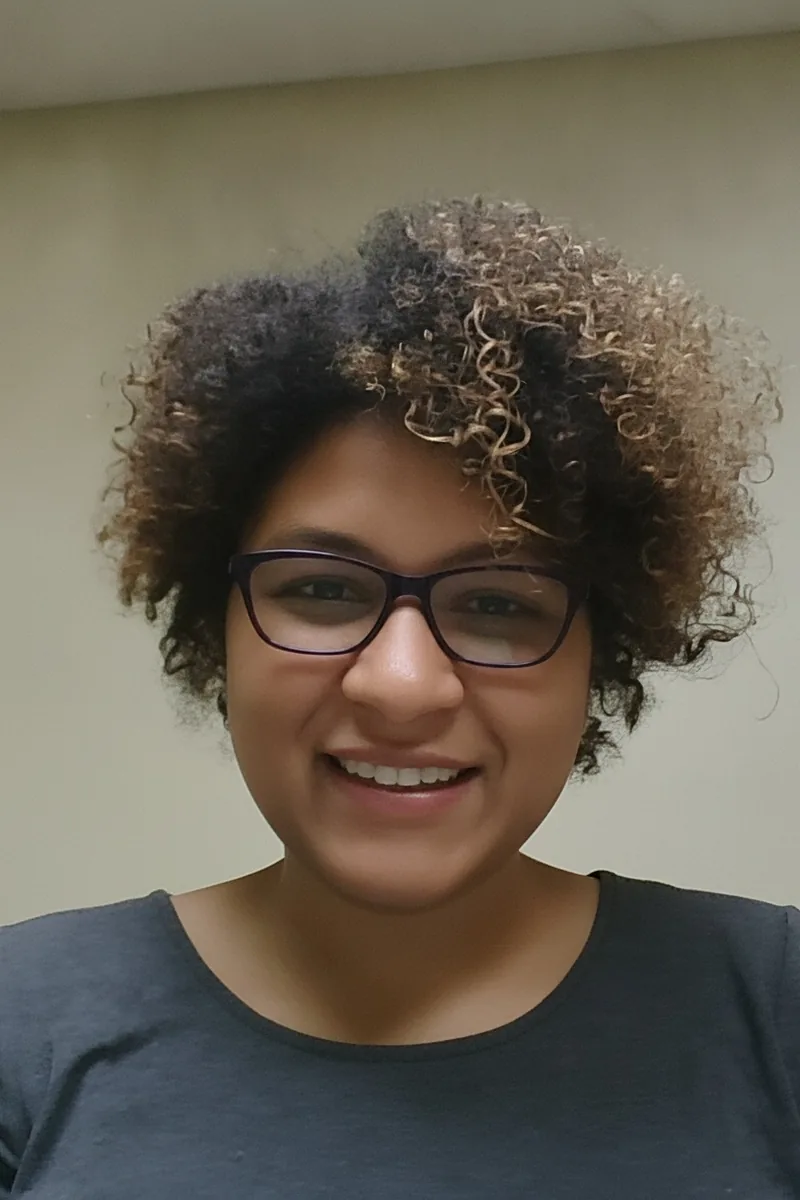
Enzyme kinetics, metabolic pathways, and protein structure sit right at the intersection of Aimee's two degrees — chemical engineering and biosystems engineering. She unpacks topics like Michaelis-Menten kinetics and amino acid chemistry by tying them to the biomedical research context she works in at Georgia Tech, making dense material feel purposeful.
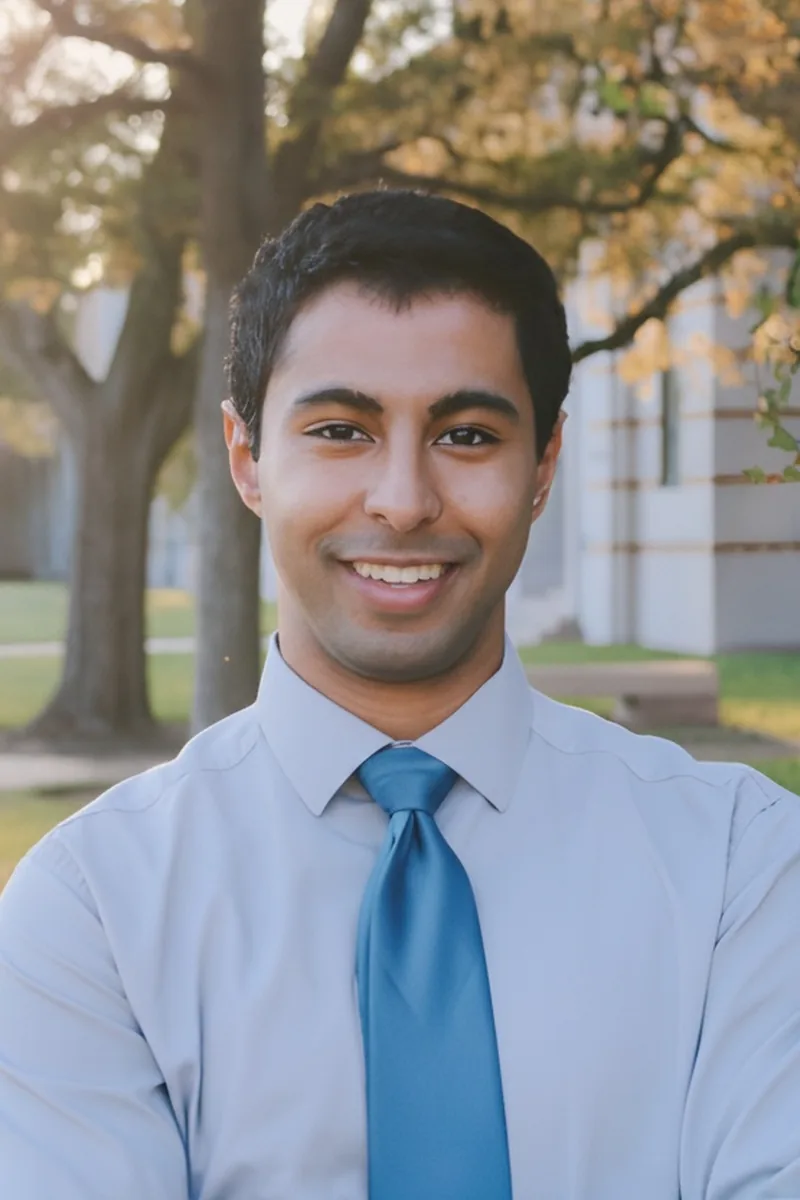
Preparing for medical school at UT Houston while finishing a chemistry degree at Rice means Asad has been living in biochemistry from both sides — the rigorous organic and physical chemistry foundations and the biological systems they plug into. He's especially sharp on the MCAT-relevant intersections, like how enzyme mechanisms tie back to organic reaction logic or how metabolic pathway regulation connects to thermodynamic principles. Rated 4.7 by students.
Few tutors can teach biochemistry from the perspective of someone who lived it at the graduate level. Dennis holds a Masters in Chemical and Physical Biology from Vanderbilt and an undergraduate degree in Biochemistry, so topics like enzyme kinetics, metabolic regulation, and protein structure are second nature. He walks through reaction mechanisms and pathway logic in a way that builds real understanding rather than rote memorization.
I am very motivated to help others reach their academic goals. I am currently a master's student studying Immunology, but I have a background in general biology and chemistry, too, with a heavy emphasis on molecular biology and genetics.
Mitchell's neuroscience degree means he learned biochemistry through the brain's lens — tracing how neurotransmitter precursors feed into synthesis pathways, how ATP production keeps neurons firing, and how lipid biochemistry shapes every membrane in the nervous system. That background lets him teach topics like oxidative phosphorylation and amino acid metabolism by connecting each reaction to the cellular machinery that depends on it.
Enzyme kinetics, metabolic pathways, and amino acid chemistry all converge in biochemistry, and keeping them straight requires more than flashcards. Kaitlyn tackles these topics daily in medical school, so she teaches Michaelis-Menten plots, glycolysis intermediates, and protein structure with the kind of fluency that comes from constant use rather than distant memory.
Marc earned his bachelor's in biochemistry before entering an MD/PhD program, so enzyme kinetics, metabolic pathways, and protein structure aren't abstract topics for him — they're daily tools. He breaks down dense material like the citric acid cycle or amino acid chemistry into logical sequences that stick without brute-force memorization.
Studying cognitive science on a pre-med track at Rice means Natalie lives in the overlap between biology and chemistry every semester — enzyme kinetics, metabolic pathways, and protein structure are part of her daily coursework. She unpacks biochemistry by anchoring molecular details to the bigger biological question they answer, which makes dense material like the citric acid cycle far more digestible.
Zachary earned both his BS in Biology and a master's in Molecular Biology, which means he's traced biochemical pathways from two different altitudes — the broad cellular view and the granular molecular detail. That dual training comes through when he unpacks topics like lipid metabolism or allosteric enzyme regulation, building each concept from its chemical logic so the bigger metabolic map starts to make sense on its own.
Physical chemistry PhD work at UC Berkeley means Jacob spent years quantifying the thermodynamic and kinetic principles that govern every biochemical process — from enzyme catalysis rates to the free energy changes driving metabolic pathways forward. He teaches biochemistry by unpacking the physical chemistry underneath it, so concepts like Michaelis-Menten kinetics or the energetics of oxidative phosphorylation feel like derivable logic rather than formulas to memorize. Rated 4.9 by students.
Enzyme kinetics, metabolic pathways, protein folding — Connor digs into biochemistry with the depth his biomedical sciences master's from Loyola Chicago demanded. He connects molecular-level details to physiological outcomes, so a student learning about Michaelis-Menten kinetics also understands what it means when a drug is a competitive inhibitor in a clinical context.
Enzyme kinetics, metabolic pathways, protein structure — biochemistry sits at the intersection of biology and chemistry, and it punishes students who try to memorize without understanding the underlying logic. Oliver earned his B.A. in Biochemistry at CU Boulder with a chemistry minor, giving him the dual lens needed to explain why Michaelis-Menten curves behave the way they do or how amino acid properties dictate protein folding.
Testimonials
Because the right Biochemistry tutor makes all the difference.
Average Session Rating – Based on 3.4M Learner Ratings
Practice Biochemistry
Free practice tests, flashcards, and AI tutoring for Biochemistry
Nearby Biochemistry Tutors
Other Los Angeles Tutors
Related Science Tutors in Los Angeles
Frequently Asked Questions
Biochemistry brings together chemistry and biology, which creates unique challenges. Students often struggle with metabolic pathways (like glycolysis and the citric acid cycle) because they involve memorizing multiple steps while understanding how each enzyme works and why the sequence matters. Protein structure and folding, enzyme kinetics, and bioenergetics (ATP production and cellular energy) are also common pain points because they require visualizing molecular-level processes that aren't directly observable.
Many students try to memorize pathways without grasping the underlying logic, which leads to confusion on exams. Personalized tutoring helps break down these complex topics into digestible pieces, connecting each step to its biological purpose so the information sticks.
Visualization is critical in biochemistry because you're working with molecules and reactions happening at scales you can't see. Expert tutors for students in Los Angeles often use multiple strategies: molecular modeling software (like PyMOL or Jmol), 3D diagrams, and real-world analogies to make abstract concepts concrete. For example, understanding how an enzyme's active site "grabs" a substrate becomes clearer when you can rotate a 3D model and see the fit.
A tutor can also connect biochemical structures to functions—explaining why a specific amino acid sequence leads to particular protein properties, or how lipid bilayers form based on molecular polarity. This combination of visual tools and conceptual explanation transforms biochemistry from abstract memorization into logical reasoning.
True understanding means knowing not just the steps in a pathway, but *why* each step happens and how it connects to the cell's overall needs. For example, glycolysis produces ATP and reduces glucose into pyruvate—but real understanding includes why cells need ATP, how the 10 steps are regulated, and what happens to pyruvate under different oxygen conditions. Memorization gets you through basic quizzes; understanding prepares you for exams, lab work, and real applications in research or medicine.
Tutors help you move beyond memorization by asking guiding questions: "What problem is this enzyme solving?" "Where does the energy come from?" "How would this pathway change if this cofactor was absent?" This deepens your grasp of biochemistry's logic and builds skills you'll need in upper-level courses and beyond.
Strong biochemistry tutoring covers both theory and its practical application in the lab. Tutors can help you understand what your experiment is actually testing, how your methods connect to biochemical principles, and how to interpret results in context. For instance, if you're running an enzyme kinetics experiment, a tutor can clarify what Km and Vmax mean, why you're measuring reaction rates, and how to calculate values accurately.
Beyond calculations, tutors teach scientific reasoning: how to design controls, troubleshoot when results don't match predictions, and communicate findings clearly. This transforms lab work from a checklist exercise into genuine learning that reinforces classroom concepts.
Improvement timelines vary based on your starting point, course intensity, and tutoring frequency. Many students see clearer understanding of individual topics within 2-4 weeks of regular sessions, especially if they're struggling with specific concepts like metabolic pathways or enzyme mechanisms. Broader improvement in exam performance often takes 6-8 weeks, as you build a stronger foundation and develop better problem-solving strategies.
Consistency matters most: weekly sessions with active review between meetings produce better results than sporadic help. Varsity Tutors connects you with expert tutors who can tailor the pace to your needs, whether you're preparing for a midterm, final exam, or building skills for upper-level biochemistry courses.
Absolutely. MCAT biochemistry sections test your ability to apply concepts to complex scenarios, not just recall facts. Tutors for students in Los Angeles can help you move beyond memorizing pathways and focus on connections: how glycolysis feeds into the citric acid cycle, how gene expression works at the molecular level, and how to approach questions about enzyme inhibition or protein synthesis under unusual conditions.
Expert tutors also teach test-specific strategies—like quickly identifying what a question is really asking and managing the breadth of biochemistry content. They can tailor preparation to your timeline and identify weak areas early, so you spend study time where it matters most.
Experience with biochemistry specifically matters—the subject has its own logic and common pitfalls, so you want someone who knows those well. Look for a tutor who can explain complex concepts clearly and relate them to real applications (like how metabolic pathways power living cells), not just talk about chemical formulas. It's also helpful if they've worked with students at your level, whether that's high school honors biochemistry, college general biochemistry, or advanced courses.
When you connect with Varsity Tutors, we match you based on your specific needs—whether you need help with a particular unit, exam preparation, or building confidence in the subject. A good tutor should ask about your learning style and goals early on, so they can personalize sessions to help you actually understand biochemistry rather than just cram it.
Let’s find your perfect tutor
Answer a few quick questions. We’ll recommend the right plan and match you with a top 5% tutor.