Award-Winning Biochemistry Tutors
serving Murrieta, CA
Biochemistry
Tutors in Murrieta
Private 1-on-1 tutoring, weekly live classes for academic support, test prep & enrichment, practice tests and diagnostics, and more to elevate grades and test scores.
Based on 3.4M Learner Ratings
UniversitiesSchools & Universities
DeliveredHours Delivered
ProficiencyGrowth in Proficiency
Who needs tutoring?
No obligation. Takes ~1 minute.
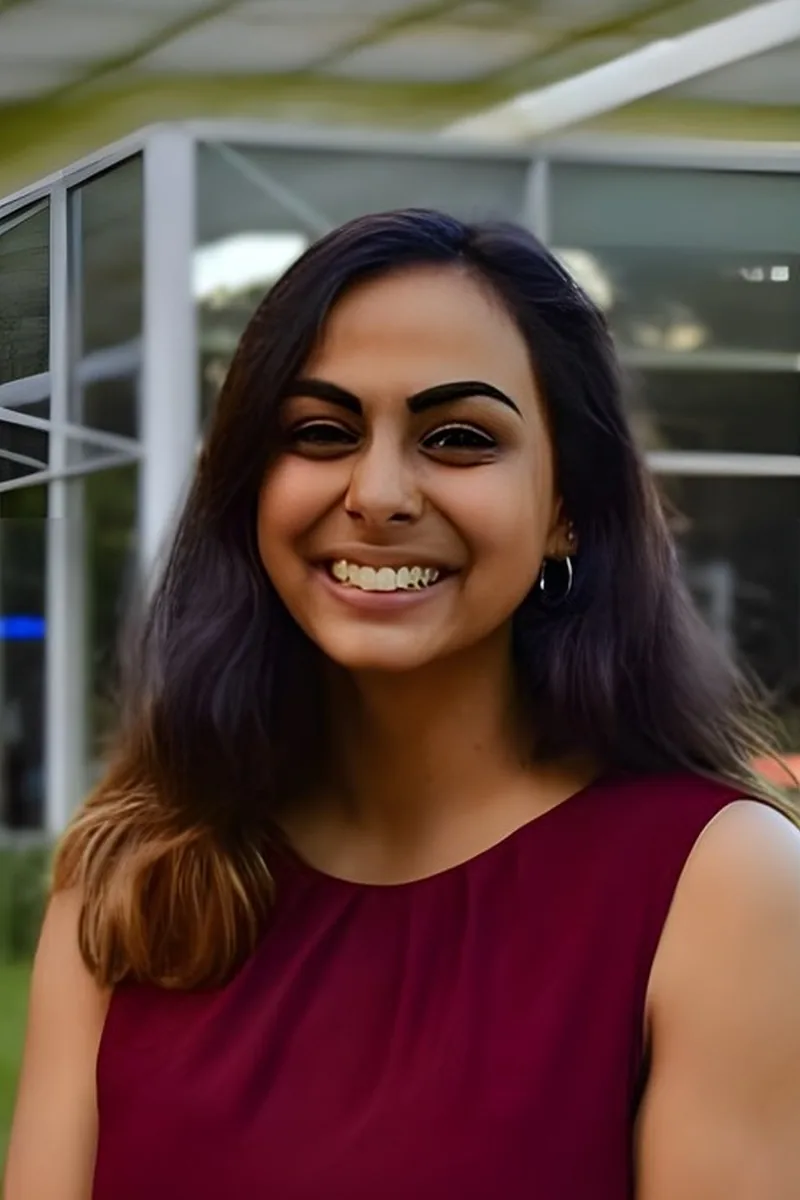
I am most passionate about biology and chemistry. I am a firm proponent of education, believing it to be absolutely necessary for an improved quality of life, and I try to impart this appreciation to all of my students.
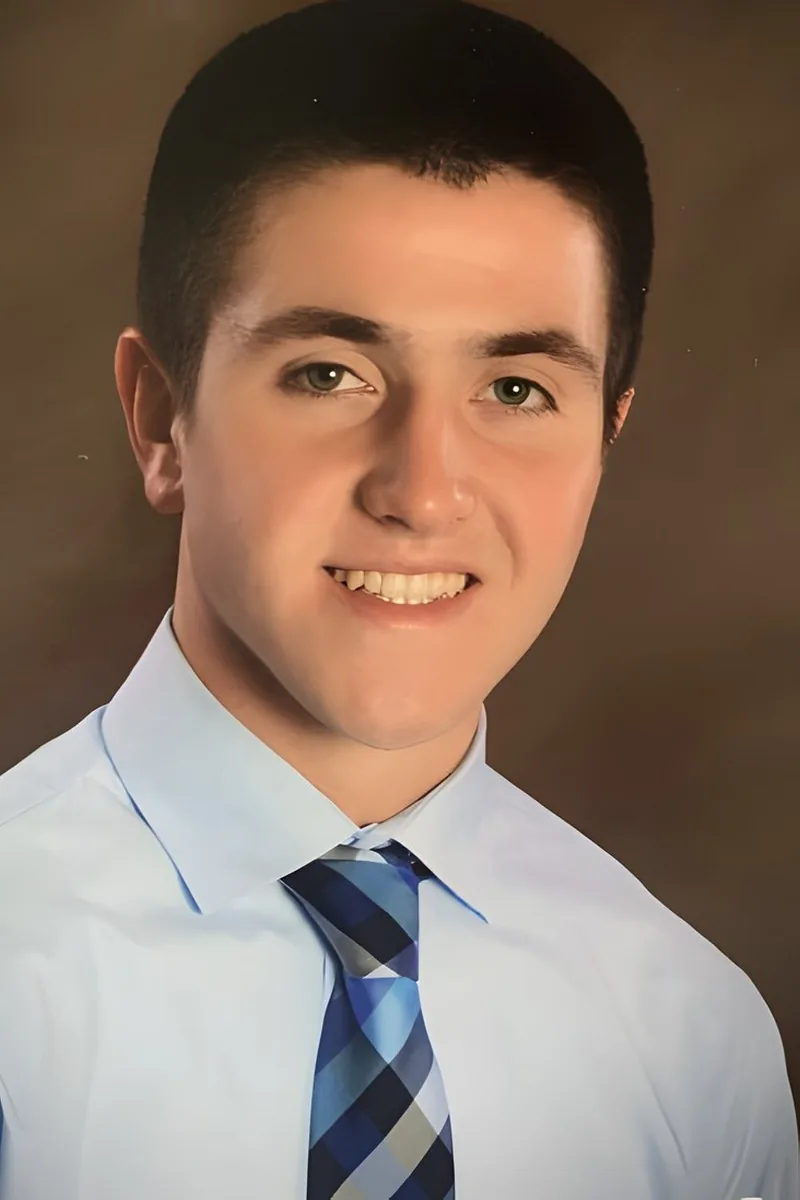
Mitchell's neuroscience degree means he learned biochemistry through the brain's lens — tracing how neurotransmitter precursors feed into synthesis pathways, how ATP production keeps neurons firing, and how lipid biochemistry shapes every membrane in the nervous system. That background lets him teach topics like oxidative phosphorylation and amino acid metabolism by connecting each reaction to the cellular machinery that depends on it.
Enzyme kinetics, metabolic pathways, protein folding — biochemistry lives at the intersection of biology and chemistry, and Varshini's neuroscience major with a chemistry minor put her squarely in that overlap. She unpacks complex pathways like glycolysis and the citric acid cycle by connecting each reaction to its biological purpose, which makes the logic behind regulation and inhibition far easier to retain.
Managing an immunology lab means Matthew doesn't just teach enzyme kinetics, protein structure, or metabolic pathways from a textbook — he uses them daily in his breast cancer research at Columbia. He walks through topics like signal transduction, amino acid chemistry, and lipid metabolism with the kind of specificity that turns confusing diagrams into logical sequences students can actually reason through.
Enzyme kinetics, metabolic pathways, amino acid chemistry — biochemistry asks students to think like both a biologist and a chemist simultaneously. Ivan's background spanning cognitive science and the biological sciences, plus his MCAT teaching experience, means he can unpack reaction mechanisms and protein structure in ways that connect molecular detail to bigger physiological stories.
Rohan's economics training might seem distant from biochemistry, but econometrics and metabolic pathway analysis share a core skill — tracing how one variable's change cascades through an interconnected system. He applies that quantitative reasoning to topics like enzyme kinetics and metabolic regulation, breaking down rate equations and feedback loops with the same rigor he brings to economic models. Rated 4.9 by students.
Enzyme kinetics, metabolic pathways, protein structure — biochemistry asks students to think in three dimensions and across multiple reaction steps simultaneously. Kimanthi's biomedical engineering degree and graduate work in biomedical sciences gave her daily exposure to these concepts in both classroom and lab settings. She breaks down mechanisms like glycolysis and oxidative phosphorylation into logical sequences rather than memorization marathons.
Pre-med coursework at Northwestern means Manideep is actively working through the toughest parts of biochemistry right now — amino acid structures, membrane transport mechanisms, and the regulatory logic behind major metabolic pathways. That proximity to the material gives him a sharp sense of where students get stuck, especially when translating organic chemistry principles into biological contexts. Rated 5.0 by students.
Neuroscience majors don't just memorize biochemistry — they depend on it, and Janki's coursework at Kentucky meant tracing every concept from neurotransmitter metabolism to oxidative phosphorylation back to the underlying chemical logic. She teaches topics like enzyme regulation and pathway energetics by building each mechanism piece by piece, so students can predict what happens next in a pathway instead of relying on rote recall. Rated 4.8 by students.
Claire's chemistry degree and incoming medical school training at the University of Illinois College of Medicine mean she's worked through biochemistry from both the bench and the clinical side — enzyme mechanisms, metabolic regulation, and the molecular logic connecting organic chemistry to living systems. She breaks down dense pathways like the citric acid cycle or amino acid catabolism by mapping each step back to the underlying reaction chemistry, so students can reconstruct a pathway from principles instead of flashcards. Rated 5.0 by students.
Enzyme kinetics, metabolic pathways, protein structure — biochemistry sits at the intersection of two subjects David studied formally, with a bachelor's in chemistry and graduate-level exposure to biomolecular engineering. He digs into mechanisms like glycolysis and the citric acid cycle by connecting each step's chemistry to its biological purpose, so students retain the logic instead of just the diagram. That approach has earned him a 4.9 student rating.
Enzyme kinetics, metabolic pathways, and protein structure all demand a kind of thinking that sits right at the intersection of biology and chemistry — exactly where Jhonatan's neuroscience training lives. He unpacks topics like Michaelis-Menten kinetics and amino acid chemistry by connecting molecular details to the larger biological question of why a cell needs this reaction in the first place. Rated 5.0 by students.
Testimonials
Because the right Biochemistry tutor makes all the difference.
Average Session Rating – Based on 3.4M Learner Ratings
Practice Biochemistry
Free practice tests, flashcards, and AI tutoring for Biochemistry
Nearby Biochemistry Tutors
Other Murrieta Tutors
Related Science Tutors in Murrieta
Frequently Asked Questions
Biochemistry requires mastering both complex theoretical concepts and their practical applications—from metabolic pathways to protein structures. Many students struggle with visualizing molecular interactions, balancing chemical equations, and understanding how abstract concepts like enzyme kinetics connect to real biological systems. Personalized tutoring helps break down these interconnected topics into manageable pieces, allowing you to build a solid foundation in both content knowledge and scientific reasoning.
Yes. Tutors can help you understand the scientific method, interpret experimental data, troubleshoot lab techniques, and connect your hands-on work to the underlying biochemical principles. Whether you're analyzing enzyme activity, performing protein assays, or writing lab reports, personalized instruction helps you develop both technical skills and the ability to think critically about your results.
Not at all. While Biochemistry does involve learning key pathways and structures, true mastery comes from understanding the 'why' behind them—how metabolic pathways are regulated, why certain molecules interact, and how cellular processes maintain homeostasis. Expert tutors focus on helping you develop conceptual understanding rather than rote memorization, so you can apply your knowledge to new problems and exam questions.
Your first session is about understanding your specific needs. A tutor will assess your current understanding of key Biochemistry concepts, identify areas where you're struggling (whether it's metabolic pathways, protein synthesis, or exam preparation), and discuss your goals. From there, you'll develop a personalized plan that addresses your challenges and builds toward the outcomes you're working toward.
One of the biggest advantages of personalized instruction is the ability to use multiple explanations, diagrams, and analogies tailored to how you learn best. Tutors can walk you through molecular structures step-by-step, explain enzyme mechanisms using real-world analogies, and help you connect abstract concepts to concrete examples. This approach transforms confusing topics into concepts you can actually see and understand.
That depends on your starting point and the exam scope. For a unit exam, many students benefit from 2-4 focused sessions spread over a few weeks. For cumulative exams or standardized tests like the MCAT biochemistry section, a longer-term approach (4-8+ weeks) allows time to build understanding, practice problem-solving, and refine test-taking strategies. Your tutor will help you create a realistic timeline based on your specific goals.
Varsity Tutors connects you with tutors who have strong backgrounds in Biochemistry—many hold degrees in chemistry, biology, biochemistry, or related fields, and many have teaching or tutoring experience. When you connect with a tutor, you'll be able to review their qualifications and background to ensure they're a good fit for your needs.
Pricing varies based on factors like the tutor's experience level, session length, and frequency. Varsity Tutors offers flexible options to fit different budgets and schedules. Contact us for personalized pricing information, and we'll help you find a tutoring plan that works for your situation.
Let’s find your perfect tutor
Answer a few quick questions. We’ll recommend the right plan and match you with a top 5% tutor.