Award-Winning Biochemistry Tutors
serving Fresno, CA
Biochemistry
Tutors in Fresno
Private 1-on-1 tutoring, weekly live classes for academic support, test prep & enrichment, practice tests and diagnostics, and more to elevate grades and test scores.
Based on 3.4M Learner Ratings
UniversitiesSchools & Universities
DeliveredHours Delivered
ProficiencyGrowth in Proficiency
Who needs tutoring?
No obligation. Takes ~1 minute.
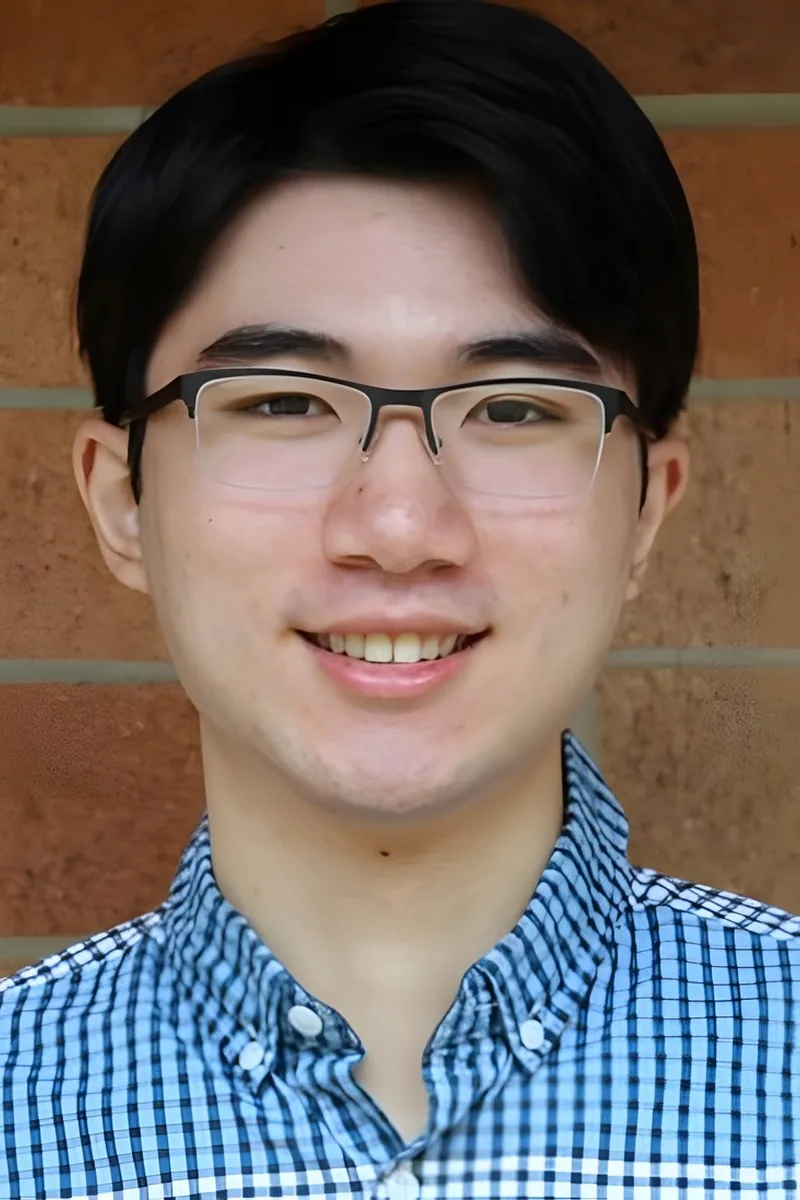
Teaching organic chemistry recitation at the University of Kentucky while simultaneously navigating medical school gives Jason an unusually current grasp of biochemistry — he's actively working through the same metabolic regulation, amino acid structures, and enzyme mechanisms his students encounter. His biology degree and MCAT preparation anchor the molecular details, while his med school training shows him how those details play out in living systems. Rated 5.0 by students.

Enzyme kinetics, metabolic pathways, protein structure — biochemistry demands that students hold molecular-level detail and big-picture biological function in their heads simultaneously. Yasheen earned dual degrees in biology and cellular/molecular biology from Yale and now works in a cancer biology lab, so she lives in this material daily. She's particularly sharp on topics like amino acid chemistry, Michaelis-Menten kinetics, and the regulation of glycolysis and the citric acid cycle.
Pre-med coursework at Northwestern means Manideep is actively working through the toughest parts of biochemistry right now — amino acid structures, membrane transport mechanisms, and the regulatory logic behind major metabolic pathways. That proximity to the material gives him a sharp sense of where students get stuck, especially when translating organic chemistry principles into biological contexts. Rated 5.0 by students.
Enzyme kinetics, metabolic pathways, and protein structure all demand a kind of thinking that sits right at the intersection of biology and chemistry — exactly where Jhonatan's neuroscience training lives. He unpacks topics like Michaelis-Menten kinetics and amino acid chemistry by connecting molecular details to the larger biological question of why a cell needs this reaction in the first place. Rated 5.0 by students.
Enzyme kinetics, metabolic pathways, protein structure — biochemistry sits at the intersection of biology and chemistry, and it punishes students who try to memorize without understanding the underlying logic. Oliver earned his B.A. in Biochemistry at CU Boulder with a chemistry minor, giving him the dual lens needed to explain why Michaelis-Menten curves behave the way they do or how amino acid properties dictate protein folding.
Two years as an Organic Chemistry Laboratory TA at the college level gave Maha the kind of mechanistic fluency that makes biochemistry's toughest material — reaction cascades in metabolic pathways, enzyme active-site chemistry, the logic behind cofactor requirements — click into place rather than blur together. Now a graduate student at Johns Hopkins Bloomberg School of Public Health with a dual background in chemistry and biology, she connects the organic chemistry driving each biochemical transformation to its broader physiological relevance. Rated 5.0 by students.
Enzyme kinetics, metabolic pathways, amino acid chemistry — biochemistry sits right at the intersection of Alex's Bio-Organic Chemistry training. He teaches students to trace the logic of each pathway, connecting molecular structure to biological function so that something like the citric acid cycle becomes a series of predictable chemical transformations rather than an overwhelming diagram to memorize.
I am most passionate about biology and chemistry. I am a firm proponent of education, believing it to be absolutely necessary for an improved quality of life, and I try to impart this appreciation to all of my students.
Enzyme kinetics, metabolic pathways, protein structure, nucleic acid chemistry — biochemistry demands that students hold molecular detail and big-picture logic in their heads simultaneously. Sugi graduated summa cum laude with a biochemistry degree from Rice and now applies that knowledge daily in medical school at Baylor. She teaches each pathway as a narrative with clear inputs, outputs, and regulatory checkpoints rather than a list to memorize.
Rohan's economics training might seem distant from biochemistry, but econometrics and metabolic pathway analysis share a core skill — tracing how one variable's change cascades through an interconnected system. He applies that quantitative reasoning to topics like enzyme kinetics and metabolic regulation, breaking down rate equations and feedback loops with the same rigor he brings to economic models. Rated 4.9 by students.
Preparing for medical school at UT Houston while finishing a chemistry degree at Rice means Asad has been living in biochemistry from both sides — the rigorous organic and physical chemistry foundations and the biological systems they plug into. He's especially sharp on the MCAT-relevant intersections, like how enzyme mechanisms tie back to organic reaction logic or how metabolic pathway regulation connects to thermodynamic principles. Rated 4.7 by students.
Managing an immunology lab means Matthew doesn't just teach enzyme kinetics, protein structure, or metabolic pathways from a textbook — he uses them daily in his breast cancer research at Columbia. He walks through topics like signal transduction, amino acid chemistry, and lipid metabolism with the kind of specificity that turns confusing diagrams into logical sequences students can actually reason through.
Testimonials
Because the right Biochemistry tutor makes all the difference.
Average Session Rating – Based on 3.4M Learner Ratings
Practice Biochemistry
Free practice tests, flashcards, and AI tutoring for Biochemistry
Nearby Biochemistry Tutors
Other Fresno Tutors
Related Science Tutors in Fresno
Frequently Asked Questions
Biochemistry is the study of chemical processes within living organisms—how molecules like proteins, lipids, and carbohydrates work together to sustain life. It bridges chemistry and biology, making it essential for students pursuing careers in medicine, pharmacy, biotechnology, and research. Strong biochemistry foundations help you understand disease mechanisms, drug development, and cellular function, which are critical for success in upper-level science courses and professional programs.
Many students struggle with visualizing molecular structures and metabolic pathways—abstract concepts that are hard to grasp from textbooks alone. Balancing chemical equations, understanding enzyme kinetics, and connecting biochemical processes to real-world applications also trip up learners. Additionally, biochemistry requires both memorization of structures and mechanisms plus deep conceptual understanding, which can feel overwhelming without personalized guidance to clarify where confusion starts.
Personalized 1-on-1 instruction allows tutors to identify your specific knowledge gaps—whether that's metabolic pathways, protein folding, or exam strategy—and target those areas directly. Tutors can use visual models, real-world examples, and step-by-step problem-solving to transform abstract concepts into concrete understanding. They also help you develop scientific reasoning skills and study techniques that stick, rather than relying on cramming or surface-level memorization.
Your first session focuses on assessment and connection. A tutor will discuss your current biochemistry coursework, identify specific topics causing difficulty, and understand your learning style and goals. This helps them create a personalized plan—whether you need help with thermodynamics, cellular respiration, protein synthesis, or exam preparation—so every future session is targeted and efficient.
Yes. Tutors can help you understand the theory behind lab experiments, interpret results, and connect hands-on work to biochemical principles. Whether you're working with enzyme assays, chromatography, or spectrophotometry, personalized instruction clarifies the 'why' behind procedures and helps you troubleshoot when results don't match expectations. This strengthens both your lab skills and your conceptual understanding.
Varsity Tutors connects you with tutors who have strong backgrounds in biochemistry and experience teaching students at your level. You can specify your needs—whether it's general course support, exam prep, or lab assistance—and get matched with someone who fits your schedule and learning style. The process is straightforward: share your goals, and we handle finding the right fit.
Absolutely. Tutors help you master high-yield biochemistry topics, practice problem-solving under time pressure, and develop test-taking strategies specific to your exam. For MCAT prep, they focus on connecting biochemical concepts to physiology and clinical applications, which is how the exam tests the material. Personalized practice and feedback ensure you're not just memorizing—you're building the deep understanding that translates to strong exam performance.
Varsity Tutors offers flexible pricing based on tutor expertise, session frequency, and your specific needs. There's no long-term contract required—you can adjust your schedule as needed. To get started, share your biochemistry goals and availability, and we'll connect you with a matched tutor. You can begin with a single session to see if it's a good fit before committing to ongoing support.
Let’s find your perfect tutor
Answer a few quick questions. We’ll recommend the right plan and match you with a top 5% tutor.