Award-Winning Biochemistry Tutors
serving Bakersfield, CA
Biochemistry
Tutors in Bakersfield
Private 1-on-1 tutoring, weekly live classes for academic support, test prep & enrichment, practice tests and diagnostics, and more to elevate grades and test scores.
Based on 3.4M Learner Ratings
UniversitiesSchools & Universities
DeliveredHours Delivered
ProficiencyGrowth in Proficiency
Who needs tutoring?
No obligation. Takes ~1 minute.
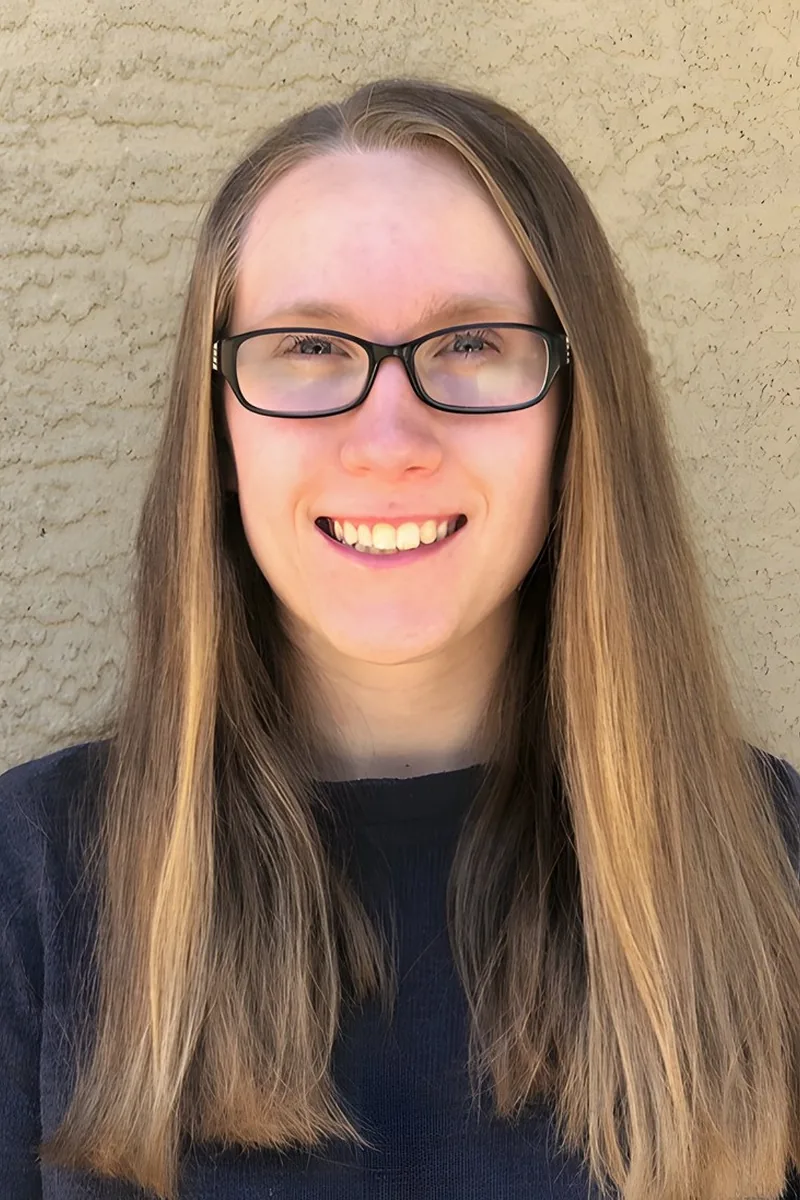
Cassandra's biology degree gives her the cellular and molecular grounding to teach biochemistry from the chemistry up — she walks through topics like enzyme regulation and metabolic intermediates by connecting each reaction to the organic chemistry driving it. Seven years of tutoring math and science across middle school through college means she's seen where students lose the thread, especially when pathways like gluconeogenesis start layering on exceptions and reversals. Rated 4.9 by students.
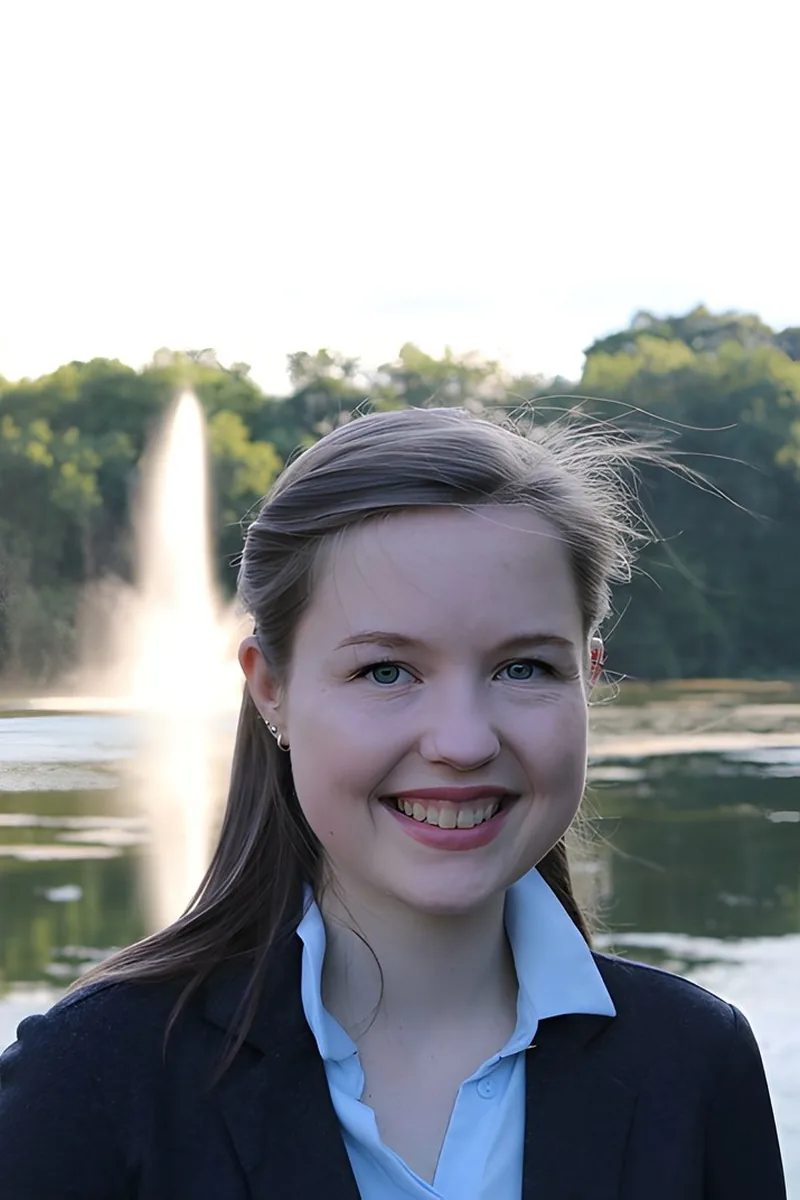
I am very motivated to help others reach their academic goals. I am currently a master's student studying Immunology, but I have a background in general biology and chemistry, too, with a heavy emphasis on molecular biology and genetics.
Teaching organic chemistry recitation at the University of Kentucky while simultaneously navigating medical school gives Jason an unusually current grasp of biochemistry — he's actively working through the same metabolic regulation, amino acid structures, and enzyme mechanisms his students encounter. His biology degree and MCAT preparation anchor the molecular details, while his med school training shows him how those details play out in living systems. Rated 5.0 by students.
Enzyme kinetics, metabolic pathways, protein structure — biochemistry asks students to think in three dimensions and across multiple reaction steps simultaneously. Kimanthi's biomedical engineering degree and graduate work in biomedical sciences gave her daily exposure to these concepts in both classroom and lab settings. She breaks down mechanisms like glycolysis and oxidative phosphorylation into logical sequences rather than memorization marathons.
Amino acid structures, enzyme kinetics, metabolic pathways — biochemistry demands that students hold molecular details and big-picture logic in their heads at the same time. Paul's biology honors work at Brown required exactly this kind of thinking, and he walks students through reaction mechanisms and pathway regulation with a clarity that makes the material stick.
Enzyme kinetics, metabolic pathways, protein structure, nucleic acid chemistry — biochemistry demands that students hold molecular detail and big-picture logic in their heads simultaneously. Sugi graduated summa cum laude with a biochemistry degree from Rice and now applies that knowledge daily in medical school at Baylor. She teaches each pathway as a narrative with clear inputs, outputs, and regulatory checkpoints rather than a list to memorize.
Genome editing at Rice and computational neuroscience at Hopkins meant Emmanuel had to internalize biochemistry at the molecular level — from CRISPR-associated enzyme mechanisms to the metabolic pathways fueling neural tissue. That hands-on lab fluency lets him teach topics like protein structure and nucleotide chemistry by grounding each concept in the experimental context where it actually matters. Holds a 5.0 rating.
Enzyme kinetics, amino acid structures, metabolic pathways — Biochemistry demands that students hold molecular details and big-picture biological function in their heads simultaneously. Ibi is actively studying these topics in her premedical post-bac program, so she explains concepts like Michaelis-Menten curves and lipid metabolism with the fluency of someone who just worked through them herself. That recency makes a real difference when a student is stuck at 11 p.m. before an exam.
Enzyme kinetics, metabolic pathways, protein folding — Connor digs into biochemistry with the depth his biomedical sciences master's from Loyola Chicago demanded. He connects molecular-level details to physiological outcomes, so a student learning about Michaelis-Menten kinetics also understands what it means when a drug is a competitive inhibitor in a clinical context.
Studying biochemistry at Penn as part of a pre-health track, Shayan lives in the world of enzyme kinetics, metabolic pathways, and protein structure daily. He breaks down dense topics like the citric acid cycle or amino acid chemistry using visual analogies and step-by-step logic that make the connections between reactions stick long after the session ends.
Northwestern's neuroscience program required Amira to internalize biochemistry from the pre-med side — amino acid properties, metabolic pathway regulation, and the molecular signaling that bridges chemistry and biology. She breaks down dense topics like enzyme kinetics and oxidative metabolism by linking each mechanism back to the physiological system it serves, turning abstract reaction chains into something students can reason through rather than memorize.
A chemistry degree from Rhodes College plus hands-on clinical internships — including work at Methodist Transplant Institute — means Eric has encountered biochemistry from both the bench and the bedside. He tackles topics like amino acid structure and metabolic regulation by walking through the underlying organic chemistry step by step, so reaction pathways read as logical progressions rather than disconnected diagrams.
Testimonials
Because the right Biochemistry tutor makes all the difference.
Average Session Rating – Based on 3.4M Learner Ratings
Practice Biochemistry
Free practice tests, flashcards, and AI tutoring for Biochemistry
Nearby Biochemistry Tutors
Other Bakersfield Tutors
Related Science Tutors in Bakersfield
Frequently Asked Questions
Biochemistry combines chemistry and biology, making it challenging to balance memorization with deep understanding of metabolic pathways, enzyme kinetics, and molecular structures. Many students struggle with visualizing abstract concepts like protein folding or cellular respiration, and connecting theoretical knowledge to real-world applications in medicine and research. Personalized 1-on-1 instruction helps students move beyond memorization to develop the conceptual understanding needed for exams and future coursework.
Your first session focuses on understanding your current level, identifying specific pain points, and building a personalized learning plan. A tutor will assess whether you need help with foundational chemistry concepts, biochemical pathways, lab report writing, or exam preparation—and tailor their approach accordingly. This initial conversation helps establish clear goals and ensures you're getting targeted support for your unique needs.
Yes. Tutors can help you understand lab protocols, interpret experimental data, troubleshoot results, and write clear lab reports that demonstrate scientific reasoning. They can also help you connect lab work to the theoretical concepts you're learning in lecture, reinforcing the scientific method and critical thinking skills essential for success in biochemistry courses.
Personalized instruction allows tutors to focus on your specific weak areas—whether that's metabolic pathways, enzyme mechanisms, or problem-solving strategies—rather than generic review. Tutors use practice problems, concept mapping, and retrieval practice to strengthen your understanding and build test-taking confidence. This targeted approach is far more effective than studying alone, especially for cumulative exams that require integrating multiple concepts.
Tutors use multiple strategies to make abstract concepts concrete: drawing molecular structures, creating concept maps of metabolic pathways, using analogies to connect unfamiliar processes to everyday experiences, and explaining how 3D protein structures relate to function. These visual and spatial approaches help students move beyond memorizing formulas to truly understanding how biochemical systems work at the molecular level.
Varsity Tutors connects students with tutors who have strong backgrounds in biochemistry, chemistry, and biology—many with advanced degrees or professional experience in research, medicine, or pharmaceutical sciences. Each tutor is vetted for subject expertise and teaching ability, ensuring they can explain complex concepts clearly and help you develop both content knowledge and scientific reasoning skills.
Bakersfield schools have an average student-teacher ratio of 21.8:1, which means classroom teachers often can't provide the individualized attention needed to address each student's unique learning gaps in a complex subject like Biochemistry. Personalized 1-on-1 instruction allows tutors to adjust pacing, revisit challenging concepts, and tailor explanations to your learning style—something that's nearly impossible in a traditional classroom setting.
Connect with Varsity Tutors to describe your goals and specific challenges in Biochemistry. You'll be matched with a tutor whose expertise and teaching style fit your needs, and you can schedule sessions that work with your schedule. Most students see noticeable improvement within a few weeks of consistent, personalized instruction.
Let’s find your perfect tutor
Answer a few quick questions. We’ll recommend the right plan and match you with a top 5% tutor.