Award-Winning Biochemistry Tutors
serving Long Beach, CA
Biochemistry
Tutors in Long Beach
Private 1-on-1 tutoring, weekly live classes for academic support, test prep & enrichment, practice tests and diagnostics, and more to elevate grades and test scores.
Based on 3.4M Learner Ratings
UniversitiesSchools & Universities
DeliveredHours Delivered
ProficiencyGrowth in Proficiency
Who needs tutoring?
No obligation. Takes ~1 minute.
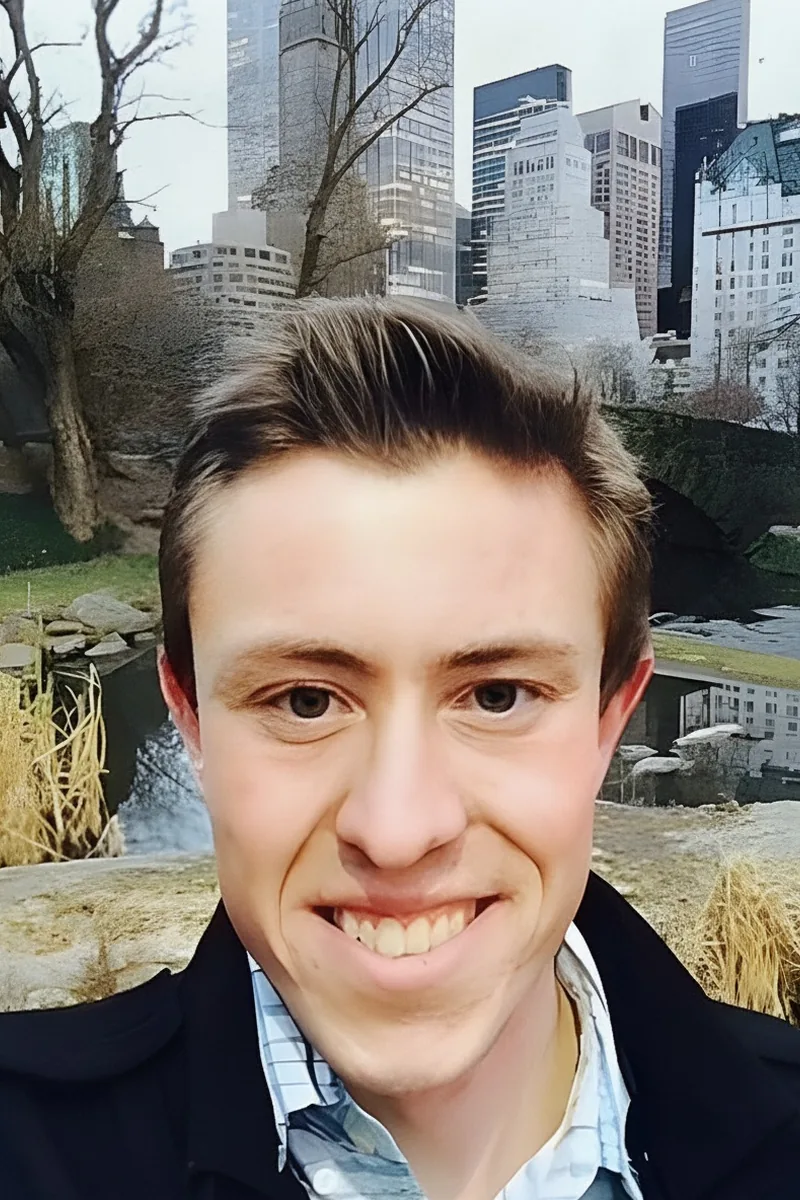
Two cancer research labs gave Brian a front-row seat to biochemistry in action — enzyme kinetics, metabolic pathways, and protein structure aren't abstractions for him but daily working tools. He's currently preparing for medical school and the MCAT's biochemical foundations section, which means topics like amino acid chemistry, glycolysis, and membrane transport are fresh and detailed in his teaching.
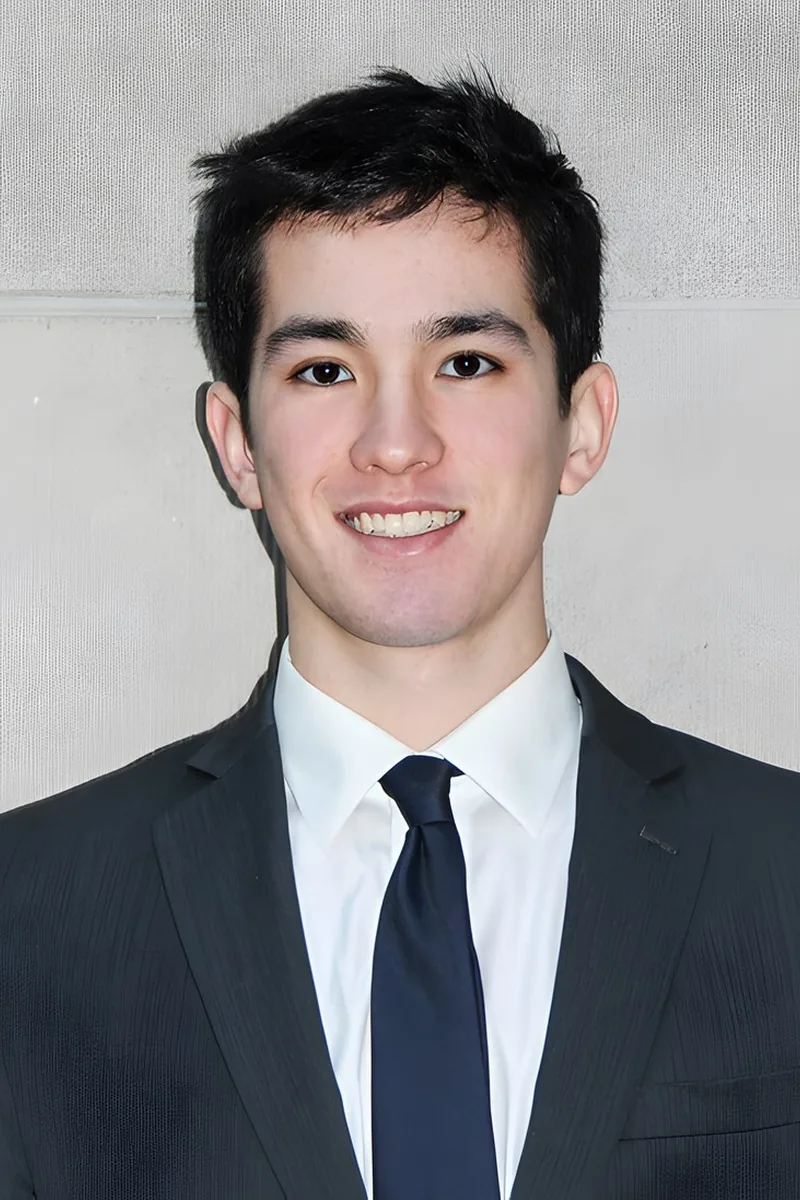
Enzyme kinetics, metabolic pathways, protein folding — biochemistry sits at the intersection of biology and chemistry, and Zachary holds a degree in exactly that. He digs into the molecular logic behind processes like glycolysis and the citric acid cycle, connecting reaction mechanisms to the bigger physiological picture so the details actually stick.
Enzyme kinetics, metabolic pathways, amino acid chemistry — biochemistry asks students to think like both a biologist and a chemist simultaneously. Ivan's background spanning cognitive science and the biological sciences, plus his MCAT teaching experience, means he can unpack reaction mechanisms and protein structure in ways that connect molecular detail to bigger physiological stories.
I am most passionate about biology and chemistry. I am a firm proponent of education, believing it to be absolutely necessary for an improved quality of life, and I try to impart this appreciation to all of my students.
UCLA's biological sciences program gave Arshia a solid grounding in the molecular machinery of life — protein structure, metabolic pathways, and the organic chemistry that ties them together. She also tutors MCAT prep across multiple sections, which means she's used to explaining concepts like enzyme kinetics and amino acid properties at the level of detail that college biochemistry courses actually demand. Rated 5.0 by students.
Rohan's economics training might seem distant from biochemistry, but econometrics and metabolic pathway analysis share a core skill — tracing how one variable's change cascades through an interconnected system. He applies that quantitative reasoning to topics like enzyme kinetics and metabolic regulation, breaking down rate equations and feedback loops with the same rigor he brings to economic models. Rated 4.9 by students.
Amino acid structures, enzyme kinetics, metabolic pathways — biochemistry demands that students hold molecular details and big-picture logic in their heads at the same time. Paul's biology honors work at Brown required exactly this kind of thinking, and he walks students through reaction mechanisms and pathway regulation with a clarity that makes the material stick.
Enzyme kinetics, metabolic pathways, protein structure — biochemistry demands that students hold molecular-level detail and big-picture biological function in their heads simultaneously. Yasheen earned dual degrees in biology and cellular/molecular biology from Yale and now works in a cancer biology lab, so she lives in this material daily. She's particularly sharp on topics like amino acid chemistry, Michaelis-Menten kinetics, and the regulation of glycolysis and the citric acid cycle.
Four years of medical school means Jordan has cycled through biochemistry multiple times — first mastering it for premed coursework, then again for the MCAT, and again for USMLE Step 1 — each pass deepening his grasp of how pathways like the urea cycle and oxidative phosphorylation connect to clinical medicine. That layered repetition lets him teach metabolic integration the way it actually gets tested: not as isolated reactions, but as interconnected systems where disrupting one enzyme cascades through the whole picture. Rated 5.0 by students.
Enzyme kinetics, metabolic pathways, protein structure — biochemistry sits at the intersection of biology and chemistry, and it punishes students who try to memorize without understanding the underlying logic. Oliver earned his B.A. in Biochemistry at CU Boulder with a chemistry minor, giving him the dual lens needed to explain why Michaelis-Menten curves behave the way they do or how amino acid properties dictate protein folding.
Cassandra's biology degree gives her the cellular and molecular grounding to teach biochemistry from the chemistry up — she walks through topics like enzyme regulation and metabolic intermediates by connecting each reaction to the organic chemistry driving it. Seven years of tutoring math and science across middle school through college means she's seen where students lose the thread, especially when pathways like gluconeogenesis start layering on exceptions and reversals. Rated 4.9 by students.
Mitchell's neuroscience degree means he learned biochemistry through the brain's lens — tracing how neurotransmitter precursors feed into synthesis pathways, how ATP production keeps neurons firing, and how lipid biochemistry shapes every membrane in the nervous system. That background lets him teach topics like oxidative phosphorylation and amino acid metabolism by connecting each reaction to the cellular machinery that depends on it.
Testimonials
Because the right Biochemistry tutor makes all the difference.
Average Session Rating – Based on 3.4M Learner Ratings
Practice Biochemistry
Free practice tests, flashcards, and AI tutoring for Biochemistry
Nearby Biochemistry Tutors
Other Long Beach Tutors
Related Science Tutors in Long Beach
Frequently Asked Questions
Biochemistry combines abstract molecular concepts with complex problem-solving, making it challenging for many students. Common struggles include visualizing molecular structures and reaction mechanisms, balancing chemical equations, understanding metabolic pathways, and connecting theoretical concepts to real-world applications like drug design or cellular function. Personalized 1-on-1 instruction helps students build a solid foundation in these areas by breaking down complex topics into manageable pieces and using visual strategies to make abstract concepts concrete.
In a typical classroom setting, the 24:1 student-teacher ratio in Long Beach schools means students often don't get individualized feedback on their specific misconceptions. Personalized tutoring allows tutors to identify exactly where you're struggling—whether it's enzyme kinetics, protein folding, or thermodynamics—and adjust their teaching approach accordingly. This targeted instruction helps you build conceptual understanding rather than just memorizing facts, which is essential for success in biochemistry and future science courses.
Yes. Tutors can help you understand the scientific method, design experiments, interpret lab results, and connect your hands-on work to the theory you're learning in class. Whether you're struggling with data analysis, understanding why a procedure works, or preparing a lab report, personalized instruction helps you develop strong scientific reasoning skills alongside your technical knowledge. This support strengthens both your experimental skills and your ability to think like a scientist.
Rather than relying on rote memorization, expert tutors help you understand the underlying principles so concepts stick naturally. For example, instead of memorizing every step of glycolysis, you'll learn why each reaction happens and how it connects to cellular energy needs. Using strategies like spaced repetition, practice testing, and connecting new information to what you already know, tutors help you retain information more effectively and apply it to new problems—which is what biochemistry exams actually test.
Your first session focuses on understanding your specific needs and learning style. The tutor will assess your current understanding of biochemistry concepts, identify areas where you're struggling, and learn about your goals—whether that's improving your grade, preparing for an exam, or building confidence with the material. From there, they'll create a personalized plan tailored to your pace and learning preferences, so every session builds on your progress.
Varsity Tutors connects you with expert tutors who have strong backgrounds in biochemistry and experience teaching students at your level. When you get matched with a tutor, you'll have the opportunity to discuss your specific needs and learning style to ensure it's a good fit. If you'd like to work with a different tutor, that's easy to arrange—the goal is to find someone who helps you understand and succeed with the material.
Tutors use a variety of strategies to make abstract concepts tangible—drawing molecular structures, using models or animations, relating concepts to real-world examples, and working through problems step-by-step. For instance, understanding enzyme-substrate interactions becomes clearer when you can visualize the 3D shape of molecules or see how a drug molecule fits into a protein binding site. This multi-sensory approach helps your brain encode the information more deeply, making it easier to recall and apply during exams.
Results vary based on your starting point and commitment, but many students see improved grades, stronger test scores, and increased confidence with the material. More importantly, personalized instruction helps you develop a genuine understanding of biochemistry rather than just passing a class—skills that pay off in advanced science courses, research, and careers in medicine, pharmacy, or biotechnology. Most students notice the biggest gains when they're consistent with their tutoring and actively engage with the material between sessions.
Let’s find your perfect tutor
Answer a few quick questions. We’ll recommend the right plan and match you with a top 5% tutor.