Award-Winning Biochemistry Tutors
serving Mission Viejo, CA
Biochemistry
Tutors in Mission Viejo
Private 1-on-1 tutoring, weekly live classes for academic support, test prep & enrichment, practice tests and diagnostics, and more to elevate grades and test scores.
Based on 3.4M Learner Ratings
UniversitiesSchools & Universities
DeliveredHours Delivered
ProficiencyGrowth in Proficiency
Who needs tutoring?
No obligation. Takes ~1 minute.
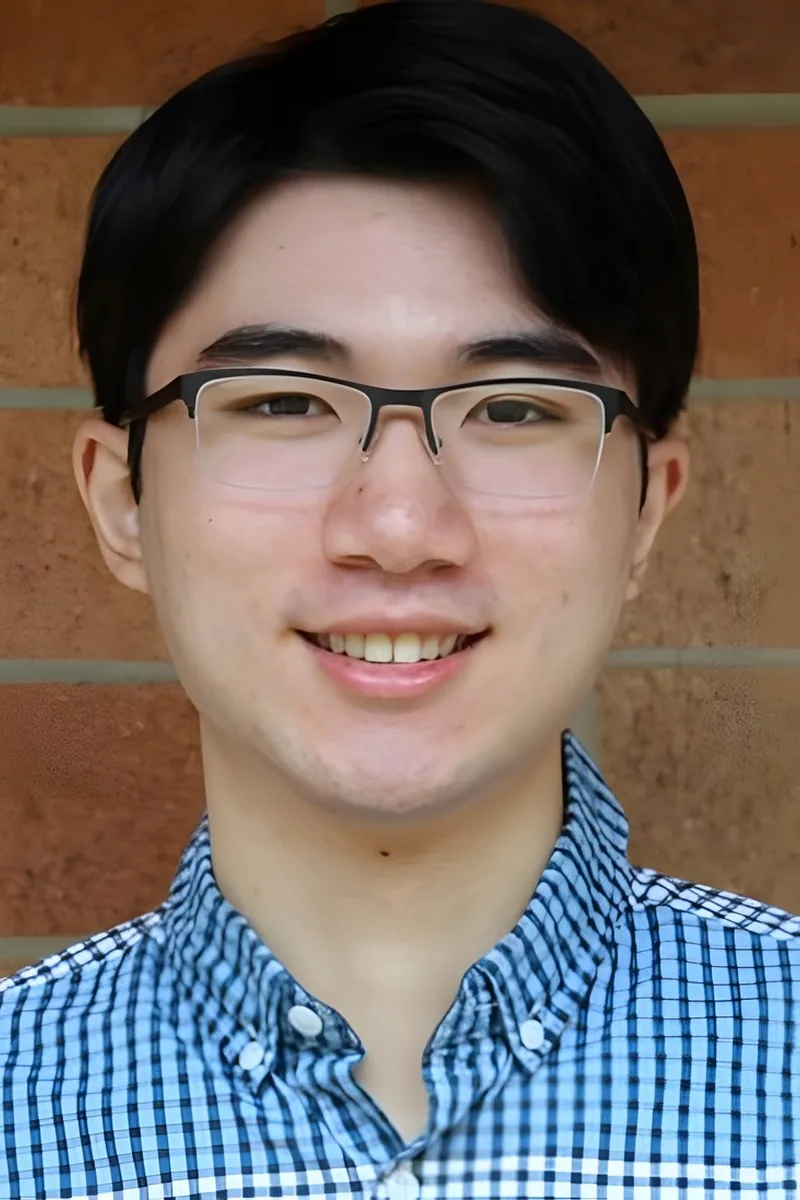
Teaching organic chemistry recitation at the University of Kentucky while simultaneously navigating medical school gives Jason an unusually current grasp of biochemistry — he's actively working through the same metabolic regulation, amino acid structures, and enzyme mechanisms his students encounter. His biology degree and MCAT preparation anchor the molecular details, while his med school training shows him how those details play out in living systems. Rated 5.0 by students.
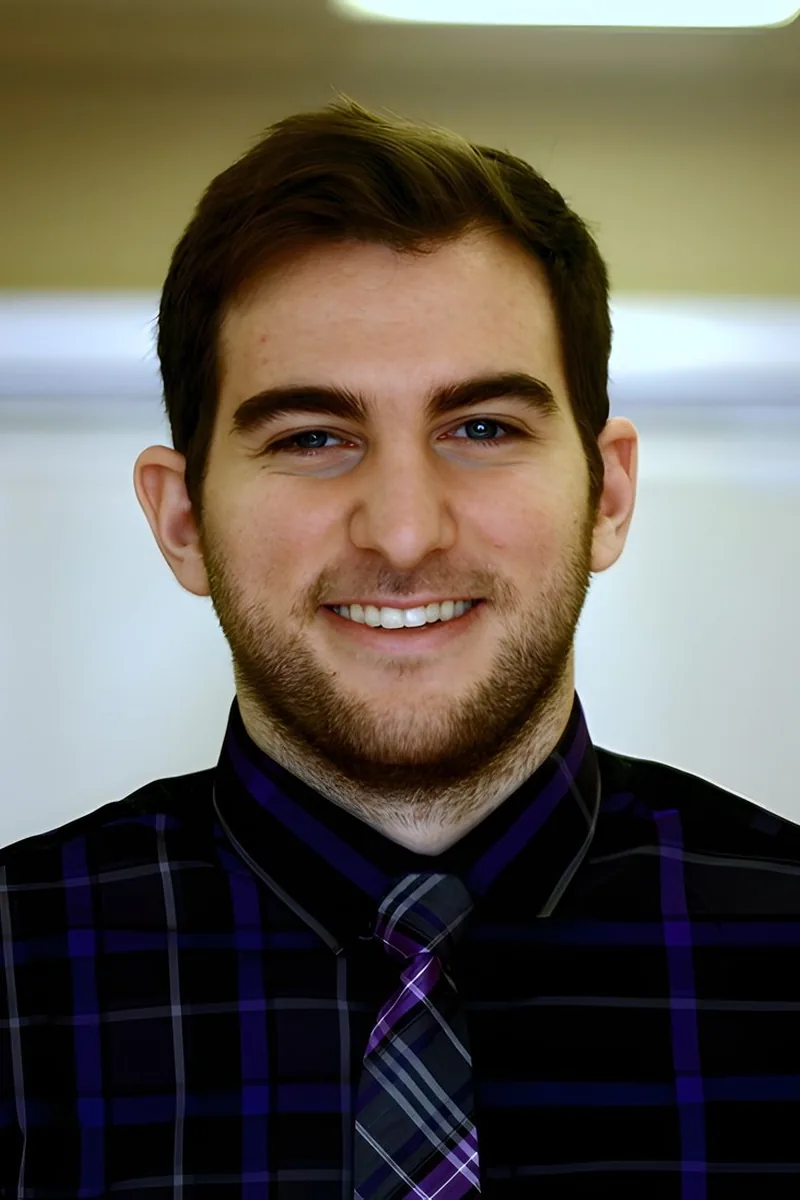
Marc earned his bachelor's in biochemistry before entering an MD/PhD program, so enzyme kinetics, metabolic pathways, and protein structure aren't abstract topics for him — they're daily tools. He breaks down dense material like the citric acid cycle or amino acid chemistry into logical sequences that stick without brute-force memorization.
A chemistry degree from Rhodes College plus hands-on clinical internships — including work at Methodist Transplant Institute — means Eric has encountered biochemistry from both the bench and the bedside. He tackles topics like amino acid structure and metabolic regulation by walking through the underlying organic chemistry step by step, so reaction pathways read as logical progressions rather than disconnected diagrams.
Recent MCAT preparation gave Eric a sharp, up-to-date command of the biochemistry topics that trip students up most: enzyme kinetics, metabolic pathway regulation, and the interplay between protein structure and function. His graduate work in chemistry provides the molecular-level intuition that makes memorizing pathways feel less like brute force and more like following a logical story.
Four years of medical school gave Amanda a particular edge with the biochemistry that underpins clinical reasoning — she's internalized how disruptions in lipid metabolism or glycogen storage pathways manifest as actual disease states. Her biology degree and public health training add breadth, letting her teach topics like nucleotide biosynthesis or enzyme regulation by zooming out to the physiological stakes behind each reaction. Rated 4.7 by students.
Zachary earned both his BS in Biology and a master's in Molecular Biology, which means he's traced biochemical pathways from two different altitudes — the broad cellular view and the granular molecular detail. That dual training comes through when he unpacks topics like lipid metabolism or allosteric enzyme regulation, building each concept from its chemical logic so the bigger metabolic map starts to make sense on its own.
Enzyme kinetics, metabolic pathways, protein structure — biochemistry sits at the intersection of biology and chemistry, and most students struggle because they try to memorize it as one or the other. Michael's biomedical engineering background means he approaches biochemistry as an integrated system, linking molecular structure to biological function. He unpacks topics like Michaelis-Menten kinetics and amino acid chemistry by tying them to the physical principles that drive them.
Earning a BS in Biochemistry from Boston College and then completing a PhD in molecular biology means Monika has spent years immersed in enzyme kinetics, metabolic pathways, and protein structure-function relationships. She tackles tough topics like the citric acid cycle and Michaelis-Menten kinetics by connecting each reaction to its biological purpose, turning rote memorization into logical storytelling.
Enzyme kinetics, metabolic pathways, protein folding — Connor digs into biochemistry with the depth his biomedical sciences master's from Loyola Chicago demanded. He connects molecular-level details to physiological outcomes, so a student learning about Michaelis-Menten kinetics also understands what it means when a drug is a competitive inhibitor in a clinical context.
Medical school with a focus on infectious diseases means Grant thinks about biochemistry in terms of host-pathogen interactions — how bacteria hijack metabolic machinery, why certain enzyme targets make effective drug sites, and what happens to energy metabolism during sepsis. His biochemistry degree and MD training let him teach topics like amino acid pathways and enzyme inhibition by connecting each mechanism to the microbiology that brings it to life.
Studying biochemistry at Penn as part of a pre-health track, Shayan lives in the world of enzyme kinetics, metabolic pathways, and protein structure daily. He breaks down dense topics like the citric acid cycle or amino acid chemistry using visual analogies and step-by-step logic that make the connections between reactions stick long after the session ends.
Amino acid structures, enzyme kinetics, metabolic pathways — biochemistry demands that students hold molecular details and big-picture logic in their heads at the same time. Paul's biology honors work at Brown required exactly this kind of thinking, and he walks students through reaction mechanisms and pathway regulation with a clarity that makes the material stick.
Testimonials
Because the right Biochemistry tutor makes all the difference.
Average Session Rating – Based on 3.4M Learner Ratings
Practice Biochemistry
Free practice tests, flashcards, and AI tutoring for Biochemistry
Nearby Biochemistry Tutors
Other Mission Viejo Tutors
Related Science Tutors in Mission Viejo
Frequently Asked Questions
Biochemistry combines abstract molecular concepts with complex metabolic pathways, making it challenging to visualize how reactions work at the atomic level. Students often struggle with balancing chemical equations, understanding enzyme kinetics, and connecting theoretical concepts like thermodynamics to real cellular processes. Personalized tutoring helps break down these interconnected topics into manageable pieces, so you can build a solid foundation before moving to more advanced material.
While Biochemistry does require learning metabolic pathways and molecular structures, true mastery comes from understanding the "why" behind reactions rather than memorizing facts. When you understand how enzyme structure relates to function, or why certain molecules interact, you can apply that knowledge to new problems and retain information long-term. Expert tutors focus on building conceptual understanding first, which makes memorization easier and helps you succeed on exams that test reasoning and application.
Biochemistry lab work reinforces classroom concepts through hands-on experimentation—from protein purification to enzyme assays. A tutor can help you understand the scientific method behind your experiments, interpret results, and connect lab observations back to theory. This bridge between classroom and lab strengthens your grasp of both content and scientific thinking skills, preparing you for more advanced coursework or research opportunities.
During your first session, a tutor will assess your current understanding of foundational chemistry concepts, identify specific topics causing difficulty (like protein folding or ATP synthesis), and learn your learning style. From there, they'll create a personalized plan targeting your weaknesses while building on your strengths. Most students find that even one session clarifies confusing concepts and provides concrete strategies for tackling difficult material.
Abstract concepts like molecular structure, enzyme-substrate interactions, and metabolic cycles are much easier to grasp when broken down visually and explained step-by-step. Expert tutors use diagrams, molecular models, and real-world analogies to make invisible processes tangible. By connecting these visualizations to actual cellular functions, you develop intuition about how biochemical systems work rather than just memorizing pathways.
Biochemistry calculations often involve unfamiliar units (molarity, pH, enzyme kinetics) and multi-step problem-solving that requires both chemistry knowledge and mathematical reasoning. Many students understand the concept but make errors in setup or unit cancellation. Tutoring helps you develop a systematic approach to calculations, recognize common problem types, and build confidence so you can focus on the biochemistry rather than getting stuck on the math.
Look for tutors with strong backgrounds in both chemistry and biology, ideally with experience teaching or tutoring at the college level. They should be able to explain complex concepts clearly, connect theory to applications, and adapt their teaching to your learning style. Varsity Tutors connects you with expert tutors who have demonstrated mastery of Biochemistry content and proven success helping students understand challenging material.
Mission Viejo's strong academic environment means many students are preparing for competitive college programs in science, medicine, or engineering where Biochemistry is foundational. Personalized tutoring ensures you master not just the content but develop the analytical and problem-solving skills colleges expect. By building deep understanding now, you'll be better prepared for advanced biology, organic chemistry, and specialized science courses in college.
Let’s find your perfect tutor
Answer a few quick questions. We’ll recommend the right plan and match you with a top 5% tutor.