Award-Winning AP Environmental Science Tutors
serving Murrieta, CA
AP Environmental Science
Tutors in Murrieta
Private 1-on-1 tutoring, weekly live classes for academic support, test prep & enrichment, practice tests and diagnostics, and more to elevate grades and test scores.
Based on 3.4M Learner Ratings
UniversitiesSchools & Universities
DeliveredHours Delivered
ProficiencyGrowth in Proficiency
Who needs tutoring?
No obligation. Takes ~1 minute.

I am a sophomore at UIUC studying agricultural and biological engineering. Eventually, I hope to work on environmental engineering related projects concerning the improvement of ecosystem management and reducing the harmful effects of pollutants in the environment. As an aspiring engineer, my favorite subjects to teach students are math and science. I've been working with kids as a swim instructor and music teacher for the past six years now. As I've begun developing experience tutoring students, my favorite part about helping students learn math and science concepts is teaching them how these different concepts interconnect and later helping them to develop critical thinking skills to work through difficult material.
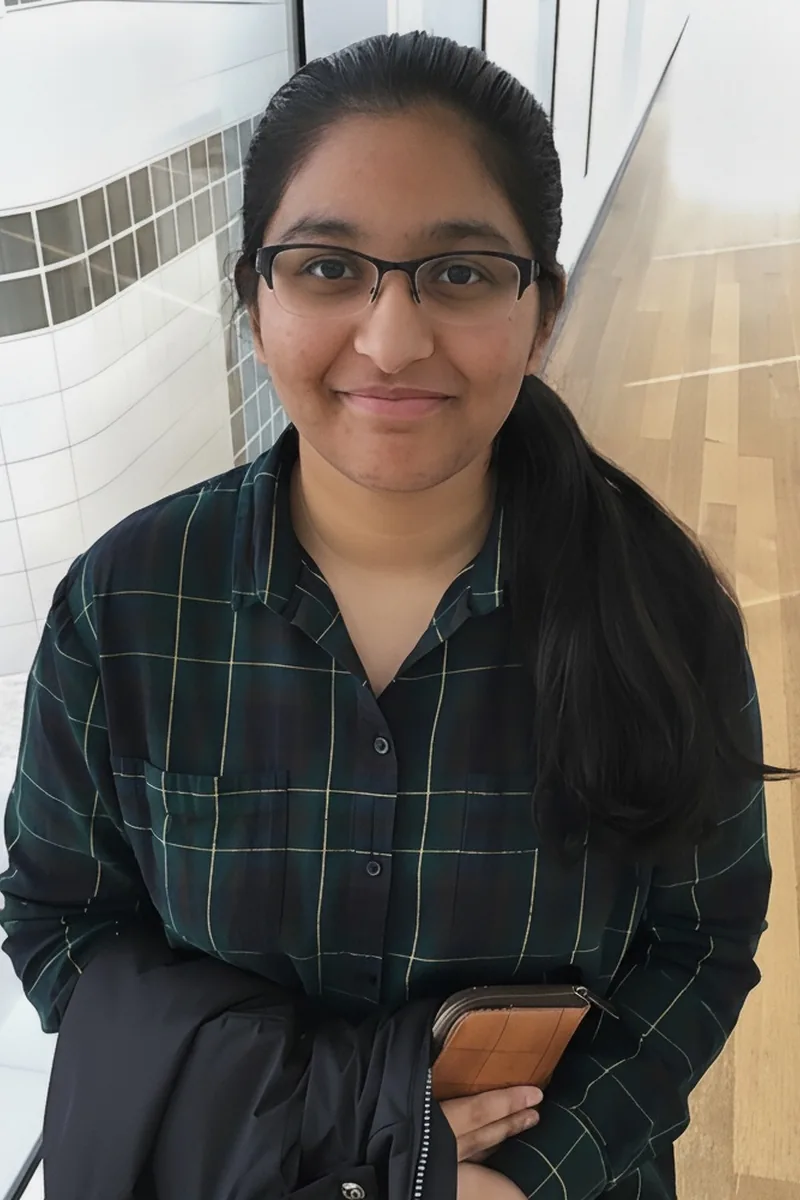
Business students learn to think in systems — supply chains, market feedback loops, cost-benefit trade-offs — and Myna applies that same framework to APES topics like resource depletion, environmental policy trade-offs, and the economic arguments embedded in free-response questions about sustainability. Her 34 ACT reflects sharp reading comprehension and data interpretation skills, which she channels into breaking down the graphs, experimental designs, and calculation problems that catch students off guard on exam day.
A Harvard-trained researcher who wrote his senior thesis on John Dewey's philosophy of education, Henry connects AP Environmental Science topics like biogeochemical cycles and ecosystem dynamics to the real-world policy debates that make them matter. He teaches students to interpret data sets and construct free-response answers that earn full credit by linking evidence to scientific claims.
I am a 3rd year bio major at GT with minors in biochemistry and computer science. My tutoring subjects are math, bio, and chem. I have tutored for a few years, and I have also TAed! My favorite subjects are general chemistry and molecular biology (: My personal belief is that anyone can enjoy a subject once they truly understand it.
Cognitive science trains you to think in systems — how inputs, feedback loops, and cascading effects connect across complex networks — which maps surprisingly well onto APES topics like biogeochemical cycles, ecosystem disruption, and human-environment feedback. Zachary applies that systems-thinking lens to help students trace cause-and-effect chains across units, which is the skill that separates 3s from 5s on the free-response section. He scored a 32 on the ACT and carries a 4.8 tutoring rating.
Most APES students can memorize vocabulary lists but freeze when a free-response question asks them to explain how a neurotoxin moves through a food web or why bioaccumulation affects top predators disproportionately — Jhonatan's neuroscience specialization means he actually understands those biological mechanisms at the molecular level. He teaches students to trace environmental disruptions through living systems rather than treating each unit as isolated content, which is the connective thinking the exam scores highest. Rated 5.0 by students.
Hello, students! My name is Pranav, and I'm so excited to be tutoring with Varsity Tutors. I have vast experience tutoring both personally and professionally; I've held officer positions in several nonprofit organizations, including STEMpals and The Do Re Mi Project, teaching courses ranging from biology to music theory. I took 16 AP courses throughout high school with all 5s, and I earned a 1570 on my SAT, so I'm pretty familiar with the majority of academic subjects! I have experience tutoring any and all skill levels, and I'm always open to expanding my horizons, so please don't hesitate to book your first lesson. I'm looking forward to meeting with you!
Having earned her degree in Environmental Studies from Temple, Annie knows AP Environmental Science inside and out — from biogeochemical cycles and ecosystem energy flow to the policy and human-impact questions that dominate the free-response section. She also spent a gap year working on organic farms in New Zealand, which means topics like soil science, sustainable agriculture, and biodiversity loss come with firsthand context that sticks.
Scott earned his Master's in Ecology studying exactly the systems the AP Environmental Science exam tests — biogeochemical cycles, biodiversity loss, population dynamics, and resource management. He breaks down free-response questions by teaching students to connect data interpretation with the underlying ecological principles, which is where most points are won or lost on exam day.
Having earned her bachelor's in Environmental Science, Patricia didn't just survey APES topics — she studied biogeochemical cycles, soil science, and ecosystem dynamics at the college level they're drawn from. She zeroes in on the quantitative side students often underestimate, like calculating energy transfer efficiency or interpreting species diversity indices, while also sharpening the cause-and-effect reasoning the free-response section demands.
Todd's biology degree from UIUC gives him the ecological and cellular foundations that underpin APES topics like nutrient cycling, energy flow through trophic levels, and ecosystem disruption — and his social work training adds a surprisingly useful lens for the policy and human-impact questions that dominate the free-response section. He teaches students to trace cause-and-effect across units, which is the skill the exam actually scores on. Rated 5.0 by students.
A physics degree builds the kind of systems thinking that translates directly to APES — understanding energy budgets, thermodynamic constraints on ecosystems, and how to set up the quantitative problems around resource depletion or atmospheric carbon that the exam loves to test. Nima applies that physics-trained rigor to topics like global energy flow and climate modeling, where students who only memorize vocabulary tend to lose points on calculation-heavy free-response questions.
Testimonials
Because the right AP Environmental Science tutor makes all the difference.
Average Session Rating – Based on 3.4M Learner Ratings
Practice AP Environmental Science
Free practice tests, flashcards, and AI tutoring for AP Environmental Science
Nearby AP Environmental Science Tutors
Other Murrieta Tutors
Related Science Tutors in Murrieta
Frequently Asked Questions
AP Environmental Science covers eight major units: Earth Systems and Resources, The Living World, Population, Earth Systems and Ecology, Land and Water Use, Energy Resources and Consumption, Atmospheric Composition and Weather, and Global Change. The course emphasizes real-world environmental problems and scientific data analysis, requiring students to understand both ecological principles and human impacts on natural systems. Success depends on mastering both conceptual understanding and the ability to interpret graphs, data sets, and field study results.
Students often struggle with quantitative reasoning—particularly calculations involving population growth, energy conversions, and biogeochemical cycles. The sheer breadth of content, combined with the need to understand interconnected systems, can feel overwhelming. Additionally, many students find it challenging to apply concepts to unfamiliar scenarios, which is heavily tested on the AP exam. Personalized tutoring helps break these complex topics into manageable pieces and builds confidence in problem-solving.
The AP exam consists of two sections: a 90-minute multiple-choice section (80 questions) and a 90-minute free-response section (3 questions). The multiple-choice section tests conceptual understanding and data interpretation, while the free-response questions require students to analyze environmental problems, design solutions, and defend their reasoning. Success requires both content mastery and strong test-taking strategies, including time management and the ability to quickly extract relevant information from complex scenarios.
A score of 3 or higher is considered passing and earns college credit at most institutions, though some colleges require a 4 or 5 for credit. The national average score hovers around 2.5, so scoring a 3 or 4 puts you well above average. Your target score depends on your college goals and major—science or environmental programs may prefer higher scores. A tutor can help you identify realistic improvement targets based on your current performance and create a focused study plan to reach your goal.
Most students benefit from 3–4 months of consistent preparation, though this varies based on your starting point and target score. A typical schedule involves reviewing one major unit per week, completing practice problems, and taking full-length practice tests in the final month. For students in Murrieta's 35 schools managing multiple AP courses, personalized tutoring helps maximize study efficiency by focusing on your specific weak areas rather than reviewing material you've already mastered.
Look for tutors with strong knowledge of the AP curriculum and experience helping students improve their scores on the actual exam. They should be able to explain complex concepts clearly, help you develop effective study strategies, and provide targeted practice on challenging topics like quantitative reasoning and data analysis. Varsity Tutors connects you with expert tutors who understand the specific demands of AP Environmental Science and can tailor instruction to your learning style and goals.
Your first session typically involves an assessment of your current understanding—covering which units you're confident in and where you're struggling—plus a discussion of your target score and timeline. The tutor will likely review a practice problem or recent test to identify patterns in your mistakes, whether they're conceptual gaps or test-taking errors. This foundation allows your tutor to create a personalized plan that focuses on your priorities and maximizes your improvement before exam day.
Practice tests are essential—they help you build stamina for the 3-hour exam, identify weak content areas, and get comfortable with the question formats and pacing. Taking full-length practice tests under timed conditions every 2–3 weeks allows you to track improvement and adjust your study strategy. A tutor can review your practice test results with you, pinpoint whether your errors stem from knowledge gaps or test-taking mistakes, and help you develop strategies to avoid repeating those mistakes on exam day.
Let’s find your perfect tutor
Answer a few quick questions. We’ll recommend the right plan and match you with a top 5% tutor.