Award-Winning Executive Functioning Tutors
serving Murrieta, CA
Executive Functioning
Tutors in Murrieta
Private 1-on-1 tutoring, weekly live classes for academic support, test prep & enrichment, practice tests and diagnostics, and more to elevate grades and test scores.
Based on 3.4M Learner Ratings
UniversitiesSchools & Universities
DeliveredHours Delivered
ProficiencyGrowth in Proficiency
Who needs tutoring?
No obligation. Takes ~1 minute.
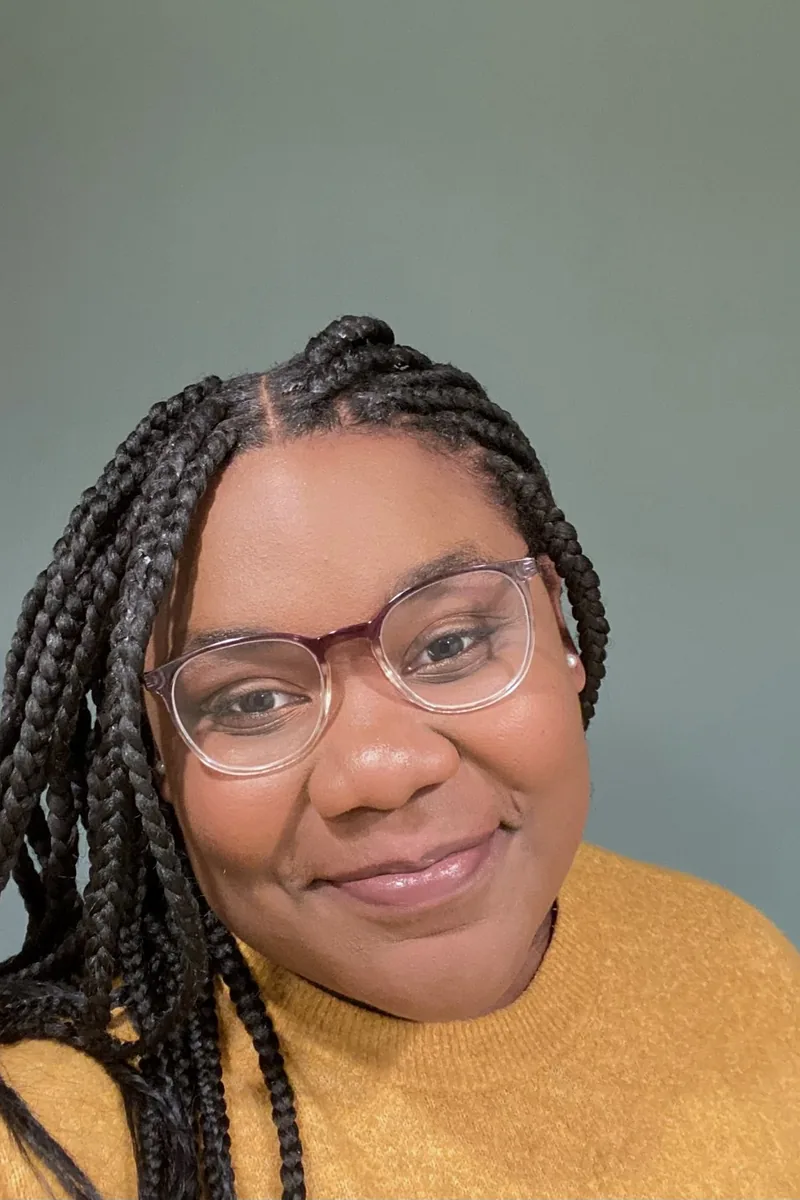
As a dedicated tutor with over 5 years of experience, I hold a Bachelor's degree in Psychology and Sociology from Tulane University, which informs my approach to understanding student needs. I specialize in subjects such as Algebra, Psychology, and American History, and I am passionate about fostering a supportive learning environment where students can thrive. My teaching philosophy centers on building strong relationships with my students, using tailored strategies that cater to their unique learning styles. I find great joy in helping students develop their executive functioning skills and confidence, enabling them to achieve academic success. Outside of tutoring, I enjoy reading and exploring new educational resources, which keeps my methods fresh and engaging.

Planning, prioritizing, managing time, and shifting between tasks — these executive functioning skills underpin academic success but rarely get taught explicitly. Derek tackles them as teachable skills, building concrete systems like task checklists, color-coded planners, and structured routines that students internalize over time. His doctorate focused on how curriculum design shapes learning behavior, which gives him a research-grounded toolkit for strengthening these cognitive habits.
Five years working specifically with students with learning differences taught Sydney where the real sticking points are — the student who knows what the assignment says but can't figure out where to start, or the one who chronically underestimates how long a reading response will take. She ties executive functioning strategies like task breakdown and self-monitoring directly to the English and Spanish coursework she also tutors, so students practice these skills on actual assignments rather than in isolation. Rated 4.9 by clients.
Running a natural sciences department at a bilingual elementary school in Ecuador meant Joy wasn't just teaching content — she was building systems for planning, prioritization, and task completion across two languages and multiple grade levels. She applies that same structured approach to executive functioning skills like time management, organization, and breaking long-term assignments into manageable steps.
Planning a multi-step assignment, managing time across subjects, breaking a big project into smaller pieces — these are skills that don't come naturally to every student. Heather's clinical psychology training gives her a framework for teaching organizational strategies that actually stick, and she tailors each system to how a student's brain already works rather than forcing a one-size-fits-all planner approach.
Planning, prioritizing, managing time, shifting between tasks — these are the invisible skills that school demands but rarely teaches outright. Elise breaks executive functioning into concrete, practicable habits: using checklists to start assignments, setting timers to maintain focus, and building routines for organizing materials. Her special education training means she understands the neurological side of these challenges, not just the behavioral one.
Jennifer's teaching spans everything from elementary math to college essays to business courses, which means she's constantly adapting how she structures sessions for students at very different developmental stages — a skill that translates directly into coaching executive functioning. She zeroes in on the specific habits a student is missing, whether that's learning to estimate how long a reading assignment will actually take or building a consistent workflow for managing multiple classes at once. Her background in study skills and organization gives her concrete strategies rather than vague advice about "trying harder."
All students can learn, however, not all students learn the same way. The key to learning and the most important part of any teachers job is helping students understand how they learn best. That is what I do well.
Ten years ago, I started as an elementary substitute while attending Hanover College. As my interests in the education field changed and progressed, my philosophy stayed the same; education is something that can happen anywhere, not just in the traditional classroom. I went on to gain a Master's in School Librarianship & Facilitated Learning from Indiana University-Indianapolis. During this time I had started actually teaching, first with library sciences, elementary technology, elementary science, and tutoring. Over the past six years, I have tutored; homework help, organization, special education, exam reteaching, and mentoring for students from 3rd grade through adults taking professional licensing exams (ie. PRAXIS). While things have changed, my passion is still finding what a student needs for their best learning possible, and adapting content to work with them. My philosophy is simply that I think everyone can learn, sometimes we just have to look at the education differently.
I'm working towards my Bachelors/Masters in Chemical Engineering at the Rochester Institute of Technology, with a special interest in math and physics! I believe that visual demonstrations alongside verbal explanations of material work best for strengthening a students ability to conceptualize material. I have experience tutoring both college and high school students, and I am particularly well-equipped to assist with math, physics, and SAT preparation.
Allison's Master's in Education from George Washington University centered on instructional design — figuring out why information doesn't stick and restructuring the process so it does, which is essentially what executive functioning coaching requires. She applies that design thinking to help a student reverse-engineer a stalled essay or a missed deadline, identifying whether the breakdown was in task initiation, time estimation, or material organization, then building a repeatable system around it. Her broad teaching range across writing, math, and test prep means those systems get tested against real coursework, not hypothetical scenarios.
As a dedicated tutor with a Master's degree in Forensic Psychology from George Washington University and a Bachelor's in Psychology with a Minor in Special Education from James Madison University, I am passionate about fostering a supportive learning environment for my students. With over 2 years of experience in special education, I utilize a personalized approach that focuses on each student's unique strengths and challenges. My teaching philosophy centers on creating engaging and interactive lessons that promote critical thinking and confidence. I am motivated by the opportunity to help students achieve their academic goals and develop a love for learning. I have a passion for the language arts and love reading and writing while also valuing math and science. In my free time, I enjoy playing and watching sports, traveling, and spending time with family and friends.
Testimonials
Because the right Executive Functioning tutor makes all the difference.
Average Session Rating – Based on 3.4M Learner Ratings
Nearby Executive Functioning Tutors
Other Murrieta Tutors
Frequently Asked Questions
Executive functioning refers to the mental processes that help students plan, organize, manage time, and control impulses—skills essential for academic success and daily life. Students with strong executive functioning can break down assignments into steps, track deadlines, manage distractions, and adapt when plans change. In Murrieta's 35 schools, many students struggle with these skills, which can impact grades even when they understand the material.
Many students struggle with time management, difficulty starting tasks, disorganization, working memory limitations, and trouble prioritizing assignments. Others may procrastinate, lose track of materials, or struggle to shift between tasks. These challenges often become more pronounced in middle and high school when coursework demands increase and teachers expect greater independence.
In a classroom setting with a 23.5:1 student-teacher ratio, teachers have limited time to address individual organizational or planning struggles. Personalized 1-on-1 instruction allows tutors to diagnose specific gaps, teach strategies tailored to a student's learning style, and practice skills in real-time with actual assignments. This targeted approach helps students build habits and confidence faster than general classroom instruction.
The first session focuses on understanding your student's specific challenges through conversation and observation. A tutor might review how your student approaches homework, manages their schedule, or organizes materials. This assessment helps identify whether struggles stem from planning, time management, working memory, task initiation, or another area—so the tutoring plan can target the real issue.
Progress shows up in concrete ways: completing homework on time, keeping a functional planner, reducing lost assignments, improved grades despite the same effort level, and greater independence with task planning. Many students also report feeling less stressed and more confident. A tutor will track these improvements and adjust strategies based on what's working.
Yes—elementary students benefit from foundational skills like using checklists and simple schedules, while middle schoolers need multi-step project planning and managing multiple teachers' expectations. High schoolers require advanced strategies for balancing coursework, extracurriculars, and long-term planning. Tutors adjust their approach based on your student's grade level and the specific demands they face.
Varsity Tutors connects you with expert tutors who specialize in executive functioning and understand the needs of Murrieta students. You'll share details about your student's challenges and goals, and we'll match you with a tutor whose expertise and availability fit your needs. The process is straightforward, and you can get started quickly.
Absolutely. Executive functioning skills are foundational—once a student learns to break down complex tasks, manage time, and stay organized, these skills apply across all subjects and activities. A student who develops a planning system for math homework can use the same approach for writing essays or managing sports schedules, creating lasting benefits beyond tutoring.
Let’s find your perfect tutor
Answer a few quick questions. We’ll recommend the right plan and match you with a top 5% tutor.