Award-Winning AP Environmental Science Tutors
serving Mission Viejo, CA
AP Environmental Science
Tutors in Mission Viejo
Private 1-on-1 tutoring, weekly live classes for academic support, test prep & enrichment, practice tests and diagnostics, and more to elevate grades and test scores.
Based on 3.4M Learner Ratings
UniversitiesSchools & Universities
DeliveredHours Delivered
ProficiencyGrowth in Proficiency
Who needs tutoring?
No obligation. Takes ~1 minute.
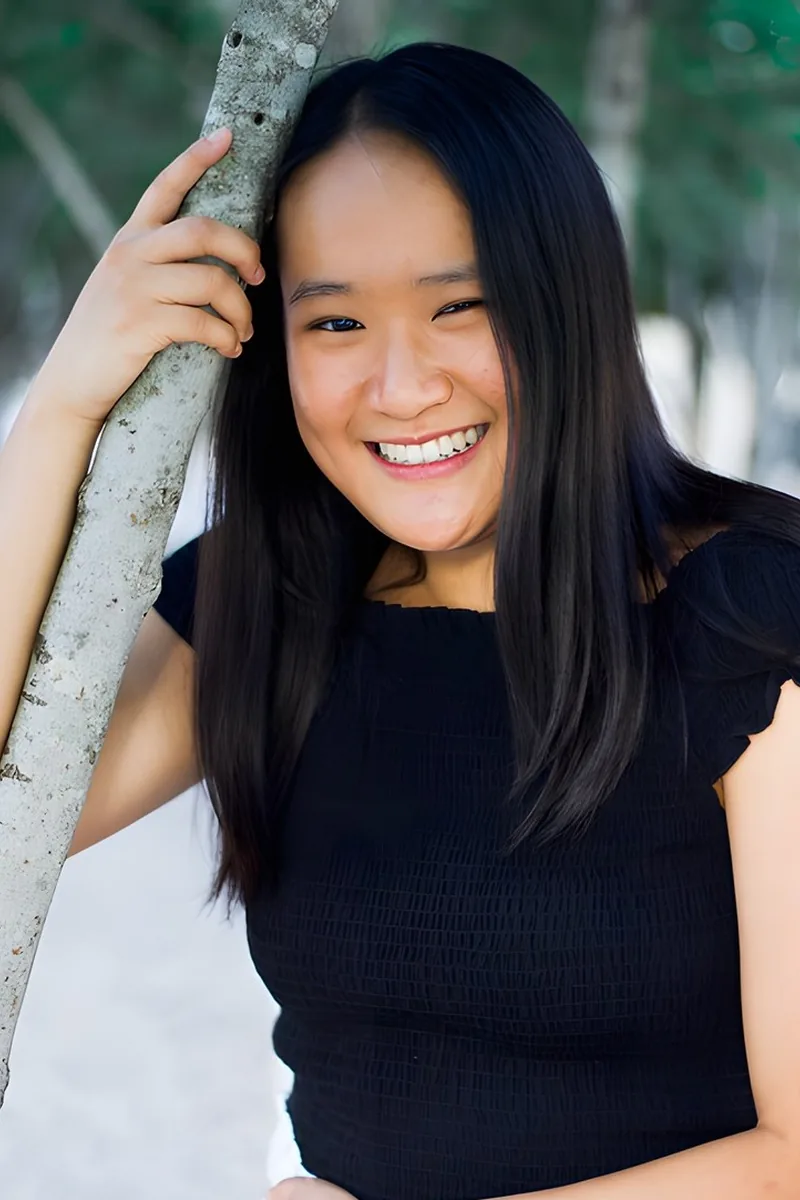
Eileen's neuroscience coursework at Vanderbilt — tracing how disruptions propagate through biological systems — gives her a useful lens for APES topics like bioaccumulation, feedback loops in climate systems, and how environmental toxins affect organisms at multiple scales. She scored a 36 on the ACT and brings that same precision to the data-interpretation and calculation questions that catch students off guard on exam day.
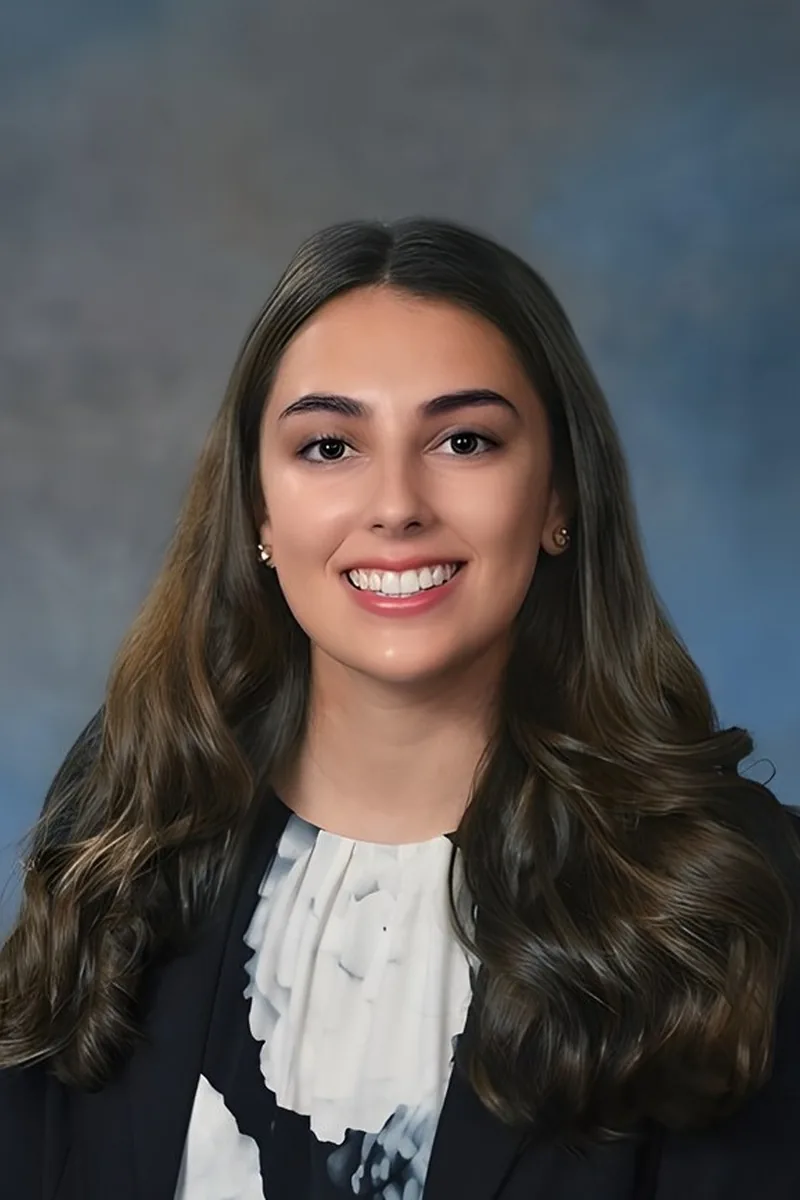
Medical training reshapes how you think about environmental health — Amanda's MD/MPH work means she understands toxicology pathways, epidemiological data, and the public health consequences of pollution at a clinical level, which gives her a distinctive angle on APES units covering air and water quality, disease vectors, and human impact. She teaches students to read dose-response data and environmental risk assessments the way a physician would, building the analytical reasoning the free-response section rewards.
Supervising an AmeriCorps conservation program in New Mexico means Rachel doesn't just teach APES concepts like land management, resource depletion, and habitat restoration — she manages real projects dealing with them daily. Her Johns Hopkins master's in Environmental Health Sciences adds the scientific rigor behind topics like pollution pathways and risk assessment, while her public health training sharpens the kind of systems-level thinking the exam's free-response questions demand.
As a PhD student researching microbial ecology, Isaac lives the material that AP Environmental Science covers — biogeochemical cycles, ecosystem dynamics, biodiversity loss, and human impact on natural systems. He brings current research context into exam prep, connecting FRQ strategies to the kind of scientific reasoning the College Board actually rewards. His 5.0 rating speaks to how well that approach lands with students.
An anthropology degree might seem like an unusual background for APES, but it's surprisingly relevant — Libby understands human-environment interactions, resource use patterns, and cultural dimensions of environmental policy, which are exactly the themes the exam's free-response questions probe. She teaches students to think about ecological problems through the lens of human systems, connecting topics like land use, pollution, and sustainability to the societal forces driving them. Rated 5.0 by students.
Medical school at UMKC built on a cellular and molecular biology foundation means Lina understands the biological machinery — nutrient cycling, cellular respiration, photosynthetic pathways — that underpins the ecosystem-level questions APES actually tests. She teaches students to trace environmental problems back to their molecular origins, like connecting eutrophication to the specific biochemistry of decomposition and dissolved oxygen depletion. Rated 5.0 by students.
Kiera is majoring in Ecology and Evolutionary Biology at Dartmouth, which means she's studying biodiversity, population dynamics, and ecosystem interactions at a level well beyond what the APES exam requires — and her engineering modification adds the quantitative rigor needed for calculations like energy transfer efficiency and ecological footprint math. She scored a 35 on the ACT and holds a 5.0 tutoring rating, bringing that same precision to the data-analysis and experimental-design questions that make up the bulk of the free-response section.
I am a 3rd year bio major at GT with minors in biochemistry and computer science. My tutoring subjects are math, bio, and chem. I have tutored for a few years, and I have also TAed! My favorite subjects are general chemistry and molecular biology (: My personal belief is that anyone can enjoy a subject once they truly understand it.
Computer science and environmental science don't often overlap — until the APES exam asks students to interpret large data sets on biodiversity indices, model population growth curves, or analyze trends in atmospheric CO₂ concentrations, which is where Firas's PhD-level data analysis and machine learning research at Princeton becomes genuinely useful. He teaches students to read graphs and tables with the systematic precision of a data scientist, breaking down the quantitative free-response questions that catch memorization-focused students off guard. Rated 5.0 by students.
Cellular and molecular biology at Johns Hopkins means Christopher studies the biochemical machinery behind processes like photosynthesis, decomposition, and nitrogen fixation — the same mechanisms that drive the ecosystem-level concepts APES tests on. He bridges that molecular understanding to big-picture topics like climate feedback loops and biodiversity loss, giving students the mechanistic "why" behind each environmental process instead of just a surface-level definition.
Having earned her bachelor's in Environmental Science, Patricia didn't just survey APES topics — she studied biogeochemical cycles, soil science, and ecosystem dynamics at the college level they're drawn from. She zeroes in on the quantitative side students often underestimate, like calculating energy transfer efficiency or interpreting species diversity indices, while also sharpening the cause-and-effect reasoning the free-response section demands.
Todd's biology degree from UIUC gives him the ecological and cellular foundations that underpin APES topics like nutrient cycling, energy flow through trophic levels, and ecosystem disruption — and his social work training adds a surprisingly useful lens for the policy and human-impact questions that dominate the free-response section. He teaches students to trace cause-and-effect across units, which is the skill the exam actually scores on. Rated 5.0 by students.
Testimonials
Because the right AP Environmental Science tutor makes all the difference.
Average Session Rating – Based on 3.4M Learner Ratings
Practice AP Environmental Science
Free practice tests, flashcards, and AI tutoring for AP Environmental Science
Nearby AP Environmental Science Tutors
Other Mission Viejo Tutors
Related Science Tutors in Mission Viejo
Frequently Asked Questions
The AP Environmental Science exam covers eight major units: energy resources and consumption, ecosystems and biodiversity, populations and communities, earth systems and resources, land and water use, atmospheric composition and climate change, aquatic and terrestrial pollution, and human impacts on the environment. Each unit requires both conceptual understanding and the ability to apply environmental science principles to real-world scenarios. Tutors can help you master these topics systematically and connect them to the exam's emphasis on data analysis and environmental problem-solving.
Score improvement depends on your starting point and how consistently you engage with tutoring. Students who work with tutors typically see gains of 2-4 points on the 1-5 scale, though improvement varies based on your baseline knowledge and study habits. The key is identifying which units are causing the most difficulty—whether that's quantitative analysis, essay writing, or conceptual understanding—and targeting those areas with focused practice. Personalized 1-on-1 instruction helps you develop the specific skills the exam rewards.
Many students struggle with the quantitative components—calculating population growth rates, interpreting graphs, and working through multi-step environmental calculations. Others find the breadth of content overwhelming, since the course covers everything from cellular respiration to climate policy. The free-response section also challenges students who aren't used to explaining environmental concepts clearly and supporting their answers with specific examples. Tutors can break down these challenging areas, teach efficient problem-solving strategies, and help you practice until these skills feel automatic.
The multiple-choice section (100 questions in 90 minutes) requires quick decision-making—spend about 50 seconds per question, and skip difficult ones to return to later. For free-response questions, read the prompt carefully, organize your answer before writing, and use specific terminology and data to support your points. A tutor can teach you pacing strategies through timed practice tests, show you how to identify what each question is really asking, and help you develop a template for strong free-response answers that earn maximum points.
Ideally, you should take 4-6 full-length practice tests under timed conditions in the weeks leading up to the exam. This builds stamina, helps you identify remaining weak spots, and lets you practice test-day timing and strategies. After each practice test, review every question you missed—not just the wrong answers, but also questions you guessed on correctly. Tutors can help you analyze your practice test results to spot patterns in your mistakes and adjust your study plan accordingly.
Strong AP Environmental Science essays use specific terminology, include relevant data or examples, and directly address the question asked. Many students lose points by being too vague or by explaining concepts without connecting them to the prompt. Practice writing essays under timed conditions (typically 10-15 minutes per essay) and learn to structure your response: state your main idea clearly, provide 2-3 supporting points with evidence, and conclude by connecting back to the question. Tutors can review your practice essays, give you targeted feedback, and help you develop a writing approach that maximizes your score.
You'll need to interpret graphs, calculate rates of change, work with exponential and logistic growth models, and analyze environmental data sets. The exam frequently asks you to identify trends, calculate percentages, and make predictions based on data patterns. Many students underestimate how much math is involved—you don't need calculus, but you do need comfort with algebra and graphing. A tutor can walk you through the most common calculation types, teach you how to extract information from complex graphs quickly, and build your confidence with quantitative questions.
Most students benefit from starting focused exam prep 6-8 weeks before the test, though consistent studying throughout the course is more important than cramming at the end. A typical study schedule includes reviewing one unit per week, taking practice tests every 1-2 weeks, and dedicating extra time to your weakest areas. For students in Mission Viejo with access to personalized tutoring, working with a tutor 1-2 times per week during this prep period helps you stay on track, clarify difficult concepts quickly, and build the skills and confidence you need for test day.
Let’s find your perfect tutor
Answer a few quick questions. We’ll recommend the right plan and match you with a top 5% tutor.