Award-Winning Japanese Tutors
serving Long Beach, CA
Japanese
Tutors in Long Beach
Private 1-on-1 tutoring, weekly live classes for academic support, test prep & enrichment, practice tests and diagnostics, and more to elevate grades and test scores.
Based on 3.4M Learner Ratings
UniversitiesSchools & Universities
DeliveredHours Delivered
ProficiencyGrowth in Proficiency
Who needs tutoring?
No obligation. Takes ~1 minute.
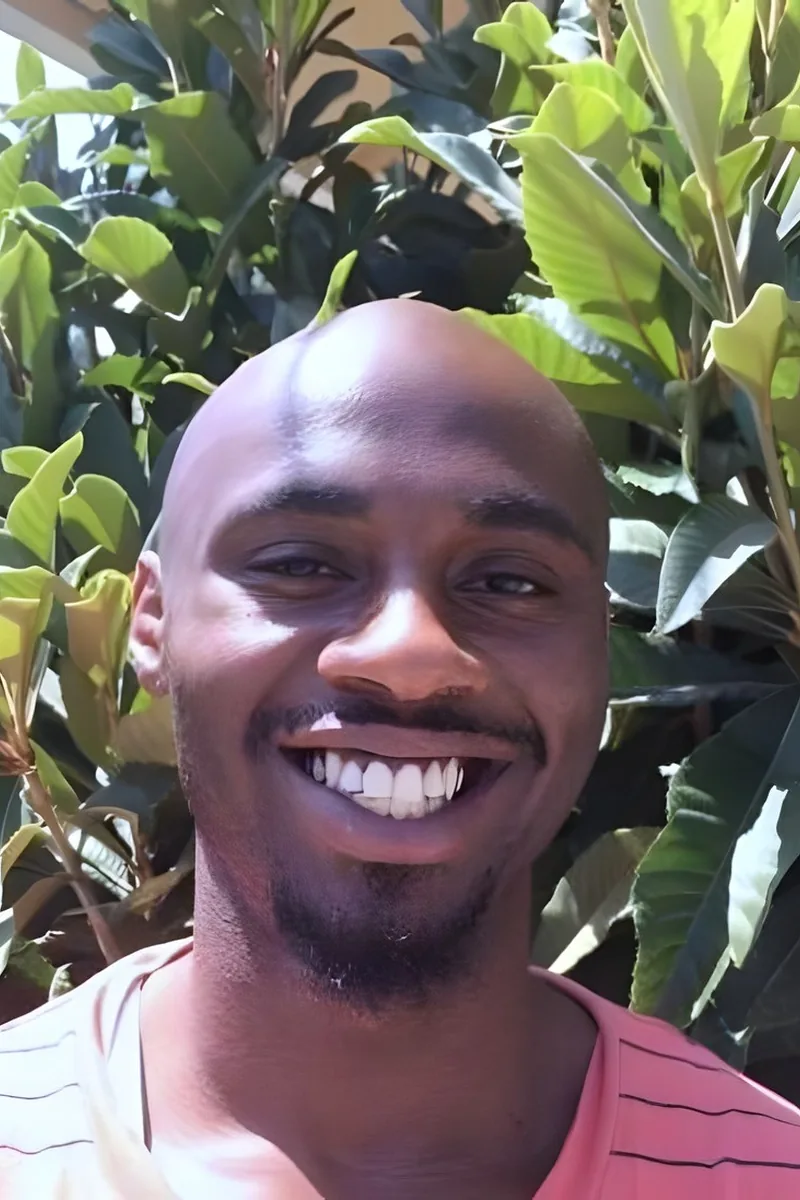
Brian prepared for and took the SAT Subject Test in Japanese with Listening, which means he's worked through the grammar structures, kanji recognition, and listening comprehension challenges that define intermediate Japanese study. He approaches language learning with the same systematic thinking he applied to economics and CS at Caltech — breaking down sentence patterns and verb conjugations into logical rules rather than pure memorization.

A drama degree might not scream Japanese fluency, but John's literary work — he's a section editor for the Los Angeles Review of Books and literary manager for two theater companies — means he's deeply attuned to how language shapes meaning, tone, and register. That sensitivity to nuance transfers directly to navigating Japanese's layered politeness levels and context-dependent sentence endings. Rated 5.0 by students.
I am also fluent (reading/listening/writing) in Cantonese and mandarin Chinese because of my upbringing. Half of my childhood education was received in Hong Kong and the other half was in Australia.
I am particularly passionate about math as well as standardized test prep. I studied math on a double-accelerated track throughout middle school and high school, covering math from algebra to multivariable calculus. Aside from teaching academic subjects, I am also trained in playing the piano and violin, having taken lessons for piano from the ages of 4 to 18 and playing violin in my school orchestra from 5th to 12th grade. I love working with students to improve their skills in an area of study, and my favorite part is getting to see them gain confidence in themselves and their own abilities!
I'm a student at Brown University with an eclectic set of interests. I am trilingual, analytical, and creative and look forward to tutoring you! :)
Between his East Asian Studies major at Harvard, his presidency of the Harvard College Japan Initiative, and his work in the Yenching Library's Japanese Collection, Shane lives and breathes Japanese. He reads novels and plays games in Japanese for fun, which means he teaches the language the way it's actually used — from kanji recognition and particle usage to the register shifts that textbooks barely cover.
Learning Japanese means juggling three writing systems, unfamiliar sentence structures, and layers of politeness that don't exist in English. Aki breaks down hiragana, katakana, and basic kanji recognition alongside grammar patterns like particle usage and verb conjugation, building reading and conversational skills in parallel.
Having completed an Asian Languages minor at UCLA, Abrahim brings formal training in Japanese grammar, kanji acquisition, and reading comprehension to his tutoring. He approaches the language methodically — building from particle usage and verb conjugation patterns up to reading authentic texts — which works especially well for students who want structure rather than immersion-only learning.
Most students learning Japanese hit a wall somewhere between mastering hiragana and actually constructing sentences with particles, verb conjugations, and counters. Kai has been teaching Japanese through the student organization meetings on campus, building lessons that move learners from basic self-introductions to reading short passages and holding simple conversations.
I'm a candidate for a B.S. in Business Administration at Northeastern University. In addition to tutoring, I enjoy playing the tuba and learning about transportation engineering/planning. I'm also fully Japanese and can read, write, and speak the language. As someone who scored 1530 on the SAT and 800 on the Math II subject test, I'd love to assist you in preparing for college!
Most students stall in Japanese once they move past hiragana and katakana into kanji recognition and grammatical particles like は versus が. Wahala minors in Japanese at Indiana University Bloomington and treats the language as a system to decode — connecting sentence structure, verb conjugation patterns, and cultural context so that reading and conversation reinforce each other.
Mechanical engineering at the University of Dayton doesn't obviously connect to Japanese, but Nicholas's systematic problem-solving mindset lends itself well to breaking down kanji radicals, verb conjugation groups, and particle logic into repeatable patterns. He's also genuinely social and talkative — a trait that matters more than you'd think when practicing conversational Japanese, where comfort with speaking aloud is half the battle.
Having majored in Japanese at SUNY Albany, James doesn't just know the language — he understands the grammar architecturally, from particle usage and verb conjugation tiers to the nuances of honorific speech. He teaches reading and writing through cultural context, connecting kanji compounds to their historical roots so students retain them long-term rather than cramming and forgetting. Rated 4.9 by students.
Crystal minored in Japanese Language and Culture at Northern Kentucky University, so she brings both formal study and genuine cultural curiosity to teaching everything from kana writing to grammar fundamentals. Her day job as a K-12 reading and ESL instructor means she's trained to break down unfamiliar language structures for learners at any level — a skill that pays off when explaining Japanese concepts like sentence-final particles or basic verb tenses that have no English equivalent. Rated 5.0 by students.
Testimonials
Because the right Japanese tutor makes all the difference.
Average Session Rating – Based on 3.4M Learner Ratings
Nearby Japanese Tutors
Other Long Beach Tutors
Related Languages Tutors in Long Beach
Frequently Asked Questions
Your first session is an opportunity to discuss your goals, current level, and what you'd like to focus on—whether that's conversational fluency, grammar fundamentals, or exam preparation. Your tutor will assess your strengths in reading, writing, speaking, and listening to create a personalized learning plan tailored to your needs. This foundation helps ensure every session after that builds directly toward your objectives.
In a classroom setting with a 24:1 student-teacher ratio, individual speaking practice is limited. With personalized 1-on-1 instruction, you get dedicated conversation time every session—your tutor responds to your questions in real time, corrects your pronunciation naturally, and adapts the difficulty to keep you challenged. This consistent speaking practice is one of the most effective ways to build confidence and fluency.
Japanese verb conjugation involves multiple tenses, politeness levels, and conditional forms that don't map directly to English—making it one of the biggest hurdles for learners. A tutor breaks down these patterns systematically, shows you how they're used in real conversation, and gives you targeted practice until they become automatic. Rather than memorizing rules in isolation, you learn conjugations in context, which helps them stick.
Effective vocabulary retention relies on spaced repetition and using words in meaningful contexts rather than just drilling lists. Your tutor can incorporate new vocabulary into conversations, reading exercises, and writing practice throughout your sessions, then strategically revisit words over time to move them into long-term memory. This approach helps you actually use the words, not just recognize them on a test.
Most learners start with hiragana and katakana (the two phonetic scripts) to build foundational reading and writing skills, then introduce kanji gradually. Your tutor can customize the pace based on your goals—if you're focused on conversation, you might prioritize speaking and listening first, while still building written literacy over time. A personalized approach prevents overwhelm and keeps you motivated.
Japanese grammar and vocabulary are deeply tied to cultural concepts like politeness levels, respect hierarchies, and social context—understanding these makes the language make sense. Tutors can explain why certain phrases are used in specific situations, share cultural nuances, and even incorporate immersion-style learning that connects language to real-world usage. This deeper understanding accelerates both comprehension and retention.
Absolutely. Pronunciation challenges like pitch accent, vowel length, and distinguishing similar sounds are much easier to address with immediate, personalized feedback. Your tutor can model correct pronunciation, listen to you speak, and guide your mouth position and intonation in real time—something that's difficult to get in a group classroom. Consistent practice with expert feedback leads to noticeable improvement.
Look for tutors with native or near-native fluency, teaching experience, and ideally background in the specific areas you need—whether that's conversational Japanese, test prep, or business communication. Varsity Tutors connects you with experienced tutors who have proven expertise in teaching Japanese to students at all levels. During your first session, you'll get a sense of their teaching style and can discuss their approach to your goals.
Let’s find your perfect tutor
Answer a few quick questions. We’ll recommend the right plan and match you with a top 5% tutor.