Award-Winning AP Biology Tutors
serving Long Beach, CA
AP Biology
Tutors in Long Beach
Private 1-on-1 tutoring, weekly live classes for academic support, test prep & enrichment, practice tests and diagnostics, and more to elevate grades and test scores.
Based on 3.4M Learner Ratings
UniversitiesSchools & Universities
DeliveredHours Delivered
ProficiencyGrowth in Proficiency
Who needs tutoring?
No obligation. Takes ~1 minute.
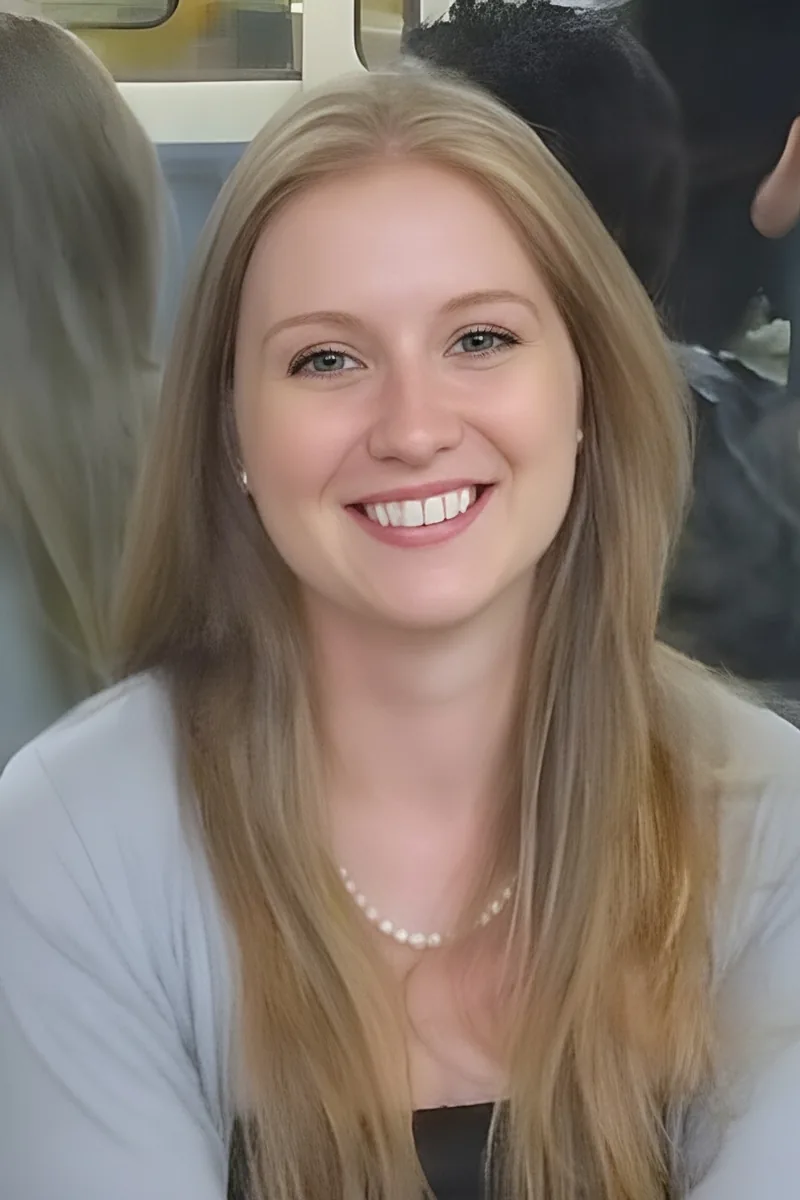
Christina's computer science background gives her an unusual edge for AP Bio's data analysis and experimental design questions — she's comfortable with statistical reasoning, interpreting graphs, and the kind of algorithmic thinking that makes tracing metabolic pathways or gene expression cascades more systematic. Her ACT score of 34 also signals strong science reading skills, which matters for an exam where decoding dense passages and pulling evidence from figures is half the battle.
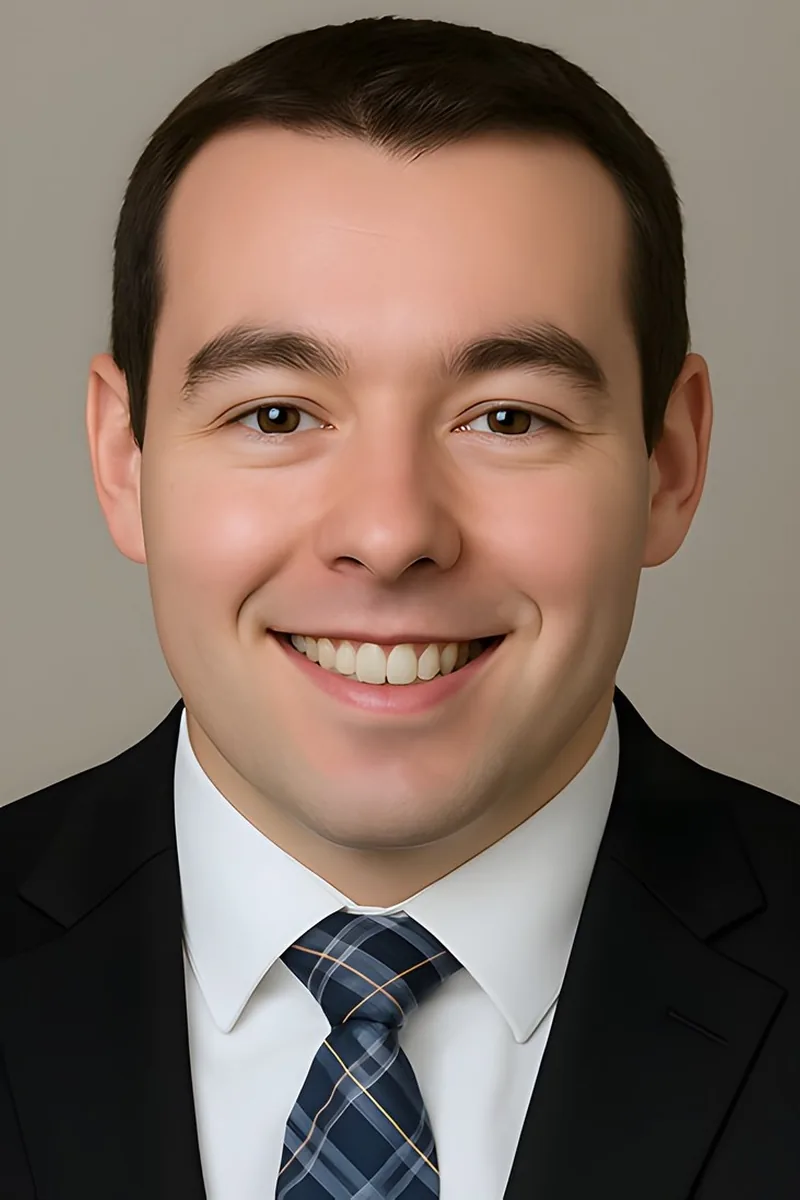
Having earned AP credit in biology himself and now deep into medical school coursework, Timothy knows exactly how the College Board tests cellular respiration, genetics, and ecology — and where students lose easy points on free-response questions. He teaches the exam's four big ideas as interconnected themes rather than isolated chapters, which is how the test actually works.
As an undergraduate teaching assistant for a developmental and physiology biology course at UCLA, Raquel spent semesters breaking down the same cellular processes, gene expression pathways, and organism-level systems that AP Bio exams test — and she did it while fielding live questions from confused students, which is a different skill than just knowing the material. Her nutrition sciences background adds an unusual edge for the metabolism and energy flow units, where she can explain why ATP yield matters in real physiological terms rather than as an abstract diagram.
Preparing for medical school meant Nicole lived inside AP Biology-level content — cellular respiration pathways, genetics, and ecological systems — long after her own AP exam. She tackles the course's toughest units, like signal transduction and gene regulation, by tying each mechanism back to a bigger biological story that makes the details easier to retain. Her public health minor also adds depth to the ecology and evolution free-response questions.
Studying integrative biology at UC Berkeley means Jack is currently working through the same cellular processes, genetics, and ecology content that AP Bio covers — except at the college level, where he's expected to connect mechanisms across biological scales rather than treat each unit in isolation. His anthropology side adds an unusual strength on the evolution and population biology units, since he's trained to analyze how organisms — especially humans — adapt to environments over time. A 1590 SAT reflects the kind of precise, evidence-based reasoning that AP Bio's free-response questions demand.
UCLA's biology program gave Nathan a thorough grounding in the lab-based side of AP Bio — dissecting ecological relationships, working through microbiology, and studying physiology systems that map directly onto the exam's organism-level questions. His additional coursework in anatomy and nutrition means he can teach students to trace how structure connects to function across biological scales, from cellular membranes up to whole-organism homeostasis.
AP Biology's free-response questions demand more than memorized definitions; they require students to design experiments, interpret data, and argue from evidence. Justin studied neuroscience and physiology at the undergraduate level, so he brings firsthand fluency with cellular signaling, genetics, and ecological modeling to every session. He digs into the reasoning behind each biological system so students can handle the application-heavy format of the AP exam.
As a former undergraduate student instructor for UC Berkeley's General Biology lab — the gateway course for aspiring bio majors — Caroline knows exactly which AP Biology concepts trip students up, from cellular respiration energetics to Hardy-Weinberg equilibrium. Her molecular biology degree means she can explain gene regulation and signal transduction at a depth that goes well beyond what most AP review books offer. She connects each unit back to experimental design, which is critical for the free-response section.
As a pre-biology student at UC Santa Barbara, Alan is working through the same college-level genetics, ecology, and cell biology material that forms the backbone of the AP Bio curriculum — so the content is current, not rusty. He's especially drawn to the ecological and evolutionary reasoning side of the course, which pairs well with students who need to strengthen their data interpretation and argument-building skills for the exam's free-response questions. Rated 4.7 by students.
Ecology and evolution are where Jonathan lights up — his integrative biology degree built around understanding how organisms interact with environments and how populations change over time, which gives him a natural entry point into AP Bio's ecology, natural selection, and speciation units. He's also comfortable with the molecular side, but his real strength is teaching students to reason through experimental design and data interpretation questions where they have to connect population-level patterns back to genetic mechanisms. Rated 4.9 by students.
Few tutors bring a neuroscience specialization to AP Biology, which means Jhonatan can unpack signal transduction, membrane potentials, and nervous system physiology with a depth most students never get in the classroom. He also tackles the broader curriculum — from cellular respiration energetics to Hardy-Weinberg equilibrium — by tying each unit back to the four Big Ideas the exam is built around.
Studying biology at Washington University in St. Louis means Laura encounters AP Bio topics like cell signaling, gene regulation, and metabolic pathways in her own coursework every week — so she knows which details matter at the AP level and which are just noise. Her 35 ACT reflects the same kind of precise, analytical reading that the exam's data-interpretation and experimental-design questions demand. Rated 5.0 by students.
Succeeding on the AP Biology exam means going beyond memorizing cell structures and metabolic pathways — it means interpreting experimental data, constructing explanations, and reasoning across biological scales from molecules to ecosystems. Jake studies Human Biology at Stanford, where his coursework in genetics, physiology, and ecology maps directly onto the AP curriculum's four big ideas.
The premedicine track at Rochester means Ian has taken the full sequence of biology courses — genetics, cell biology, physiology — alongside the chemistry that makes AP Bio's trickier units on enzyme kinetics and cellular energetics click. He's especially good at unpacking how molecules actually behave during processes like photosynthesis or signal transduction, giving students the mechanistic detail that earns full credit on free-response questions. Holds a 5.0 rating.
Cellular respiration, genetics, and evolution each require a different kind of thinking — sometimes quantitative, sometimes conceptual, sometimes both at once. Nima breaks down processes like the electron transport chain or Hardy-Weinberg equilibrium into logical steps, drawing on the same analytical rigor that earned him a full merit scholarship to Duke.
AP Bio covers an enormous range — from cellular respiration pathways to population genetics to signal transduction — and the exam rewards students who can apply concepts, not just recall them. Vignesh breaks each unit into its core mechanisms and then runs practice with free-response and data-analysis questions until students can explain processes like photosynthesis or gene expression under timed conditions. His science background complements a study approach built on high-volume repetition.
Fourth-year med student at Albert Einstein College of Medicine, Michael has spent years applying the biology he first studied as a summa cum laude graduate in Biology from Yeshiva College — so AP Bio's units on genetics, cellular processes, and physiology aren't abstract for him, they're the foundation of his daily clinical work. His experience teaching MCAT prep for Kaplan means he's already coached students through the same high-stakes biological reasoning that AP Bio's free-response questions demand, especially the kind where you need to connect a molecular mechanism to an organism-level outcome.
AP Biology's free-response questions demand more than memorized facts — they want students to design experiments, interpret data, and argue from evidence about topics like gene regulation or ecosystem dynamics. Andrew's ongoing work in biochemical laboratories means he teaches these skills from firsthand experience, walking students through cellular respiration or signal transduction the way a researcher actually thinks about them.
Studying biology and chemistry on the pre-med track at Northwestern means Kade is immersed daily in the exact material the AP Bio exam tests — from cellular respiration and signal transduction to gene regulation and evolutionary mechanisms. He also runs study groups at his university, so he's practiced at explaining dense concepts like feedback inhibition or Hardy-Weinberg equilibrium in ways that actually stick. That combination of current coursework and teaching experience makes a real difference on exam day.
Between his neuroscience research at the Jungers Center and molecular biology work at the Oregon Stem Cell Center, Daniel has lived the content that shows up on the AP Biology exam — from cellular signaling pathways to gene expression and evolution. He teaches the free-response section by connecting big biological ideas to the experimental design skills the College Board actually tests for.
As a neuroscience major on the pre-med track at Vanderbilt, Eileen lives inside the material AP Biology tests: cell signaling, gene expression, metabolic pathways, and evolutionary mechanisms. She unpacks dense topics like the lac operon or oxidative phosphorylation by sketching out each step visually, turning overwhelming detail into a logical sequence students can actually reconstruct on exam day.
Ethan's economics and public policy studies at the University of Chicago aren't a typical path into AP Bio, but they've made him sharp at interpreting data sets, constructing evidence-based arguments, and reasoning through cause-and-effect chains — all skills the exam's free-response questions heavily reward. He's especially useful for students who struggle with the experimental design and data analysis portions of the test, where reading graphs and evaluating hypotheses matters more than memorizing vocabulary.
Testimonials
Because the right AP Biology tutor makes all the difference.
Average Session Rating – Based on 3.4M Learner Ratings
Practice AP Biology
Free practice tests, flashcards, and AI tutoring for AP Biology
Nearby AP Biology Tutors
Other Long Beach Tutors
Related Science Tutors in Long Beach
Frequently Asked Questions
AP Biology covers eight major units: chemistry of life, cell structure and function, cellular transport, cell communication and division, heredity, gene expression and regulation, natural selection, and ecology. Each unit builds on previous concepts, so a strong foundation in early topics like cell structure is essential for understanding later material like gene expression. Expert tutors can help you identify which units align with your school's pacing and prioritize your study time accordingly.
Score improvement depends on your starting point and consistency with tutoring. Students who work with tutors on targeted practice typically see gains of 1-2 score points (on the 1-5 scale), though improvement varies based on your baseline knowledge and how actively you engage with practice problems. The key is identifying your specific weak areas—whether that's lab analysis, data interpretation, or free-response writing—and building strategies to address them over several months of preparation.
Many students struggle with the volume of vocabulary and interconnected concepts—it's easy to memorize terms without understanding how they connect across units. Another major challenge is the free-response section, which requires you to explain concepts in depth and analyze experimental data, not just recall facts. Additionally, the multiple-choice questions often test application and reasoning rather than straightforward knowledge, which trips up students who rely solely on memorization. Tutors can help you move beyond memorization to develop deeper conceptual understanding and practice the analytical thinking the exam rewards.
Effective strategies include reading multiple-choice questions carefully to catch subtle wording that changes the answer, using the process of elimination to narrow down options, and practicing data interpretation with real AP released exams. For free-response questions, outline your answer before writing to organize your thoughts and ensure you address all parts of the question. Time management is critical—allocate roughly 90 minutes for the 60 multiple-choice questions and 90 minutes for the three free-response questions. Tutors can help you practice these strategies under timed conditions so they become automatic on test day.
Taking 4-6 full-length practice tests over your preparation period helps you build stamina, identify patterns in your mistakes, and adjust your strategy. Start with one practice test early to establish a baseline, then take 2-3 more while studying specific units to track improvement in those areas. In the final 2-3 weeks before the exam, take 1-2 complete tests under actual exam conditions (2 hours and 50 minutes) to simulate test day. Between practice tests, review your errors carefully—this reflection is where real learning happens, and tutors can help you understand why you missed questions and how to avoid similar mistakes.
The AP Biology exam includes questions about lab procedures, data analysis, and experimental design, making up a significant portion of both multiple-choice and free-response sections. You don't need to memorize every detail of the official AP labs, but you should understand the core concepts each lab tests—like enzyme kinetics, photosynthesis, or population genetics. Practice interpreting graphs and data tables, explaining what results mean, and designing experiments to test hypotheses. Tutors can walk you through released AP exam questions that reference lab scenarios so you're comfortable with the types of analysis the exam expects.
Ideally, begin focused exam preparation 2-3 months before the May exam date, though this depends on your current understanding of the material. If you're taking the course, use tutoring throughout the year to strengthen your foundation rather than cramming at the end. For students in Long Beach's 118 schools across 8 districts, your school's pacing may vary, so work with a tutor to align your prep schedule with when you finish each unit. Starting early gives you time to identify weak areas, take practice tests, and refine your approach without rushing.
Varsity Tutors connects you with tutors in Long Beach who have deep expertise in AP Biology, including experience with the exam format, curriculum, and common student challenges. When you get matched with a tutor, you can discuss your current level, specific weak areas, and timeline so they can tailor their instruction to your needs. Whether you need help understanding difficult concepts, practicing free-response writing, or building test-taking strategies, tutors can provide personalized 1-on-1 instruction that fits your schedule and learning style.
Let’s find your perfect tutor
Answer a few quick questions. We’ll recommend the right plan and match you with a top 5% tutor.