Award-Winning Elementary
Tutors
Elementary
Tutors
Private 1-on-1 tutoring, weekly live classes for academic support, test prep & enrichment, practice tests and diagnostics, and more to elevate grades and test scores.
Based on 3.4M Learner Ratings
UniversitiesSchools & Universities
DeliveredHours Delivered
ProficiencyGrowth in Proficiency
Who needs tutoring?
No obligation. Takes ~1 minute.
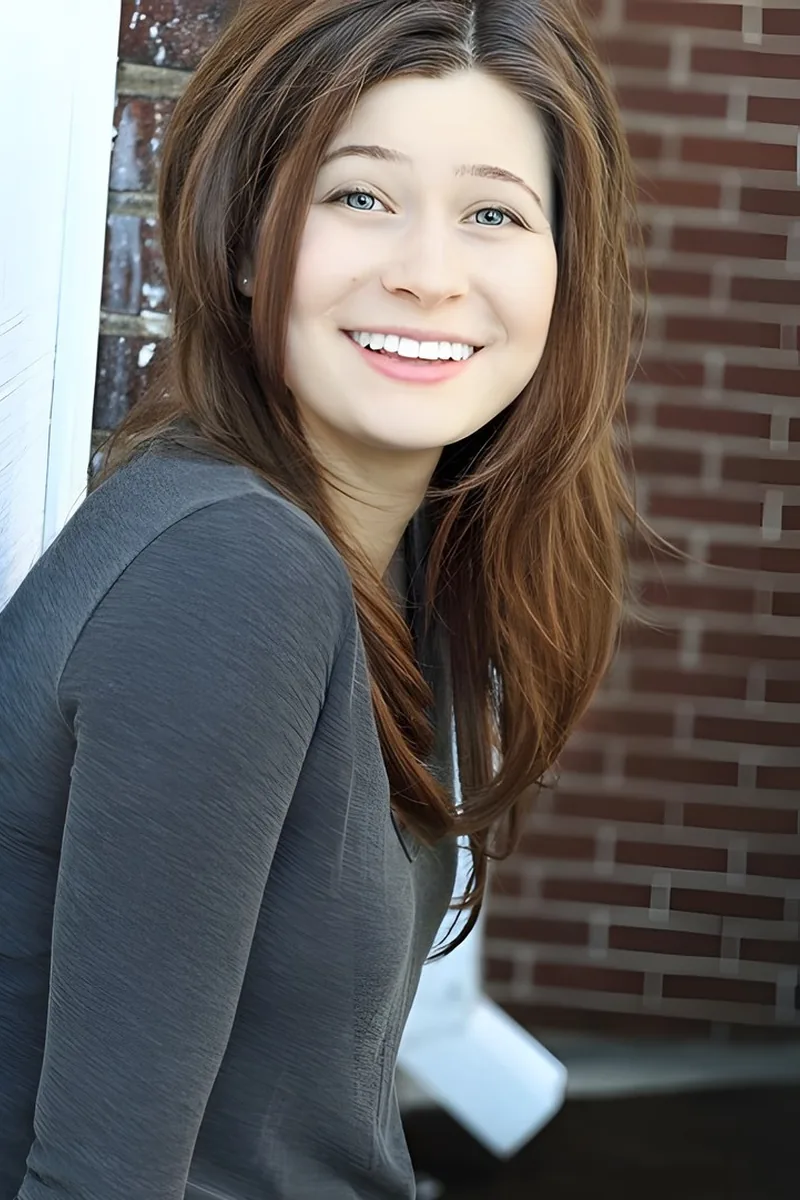
A trained performer with a Master's from the London Academy of Music and Dramatic Art, Laura knows how to make learning feel like an event — turning multiplication drills, reading passages, and science vocabulary into activities that hold a young student's attention. She teaches across elementary subjects and tailors each session to the specific skill a child is building that week.
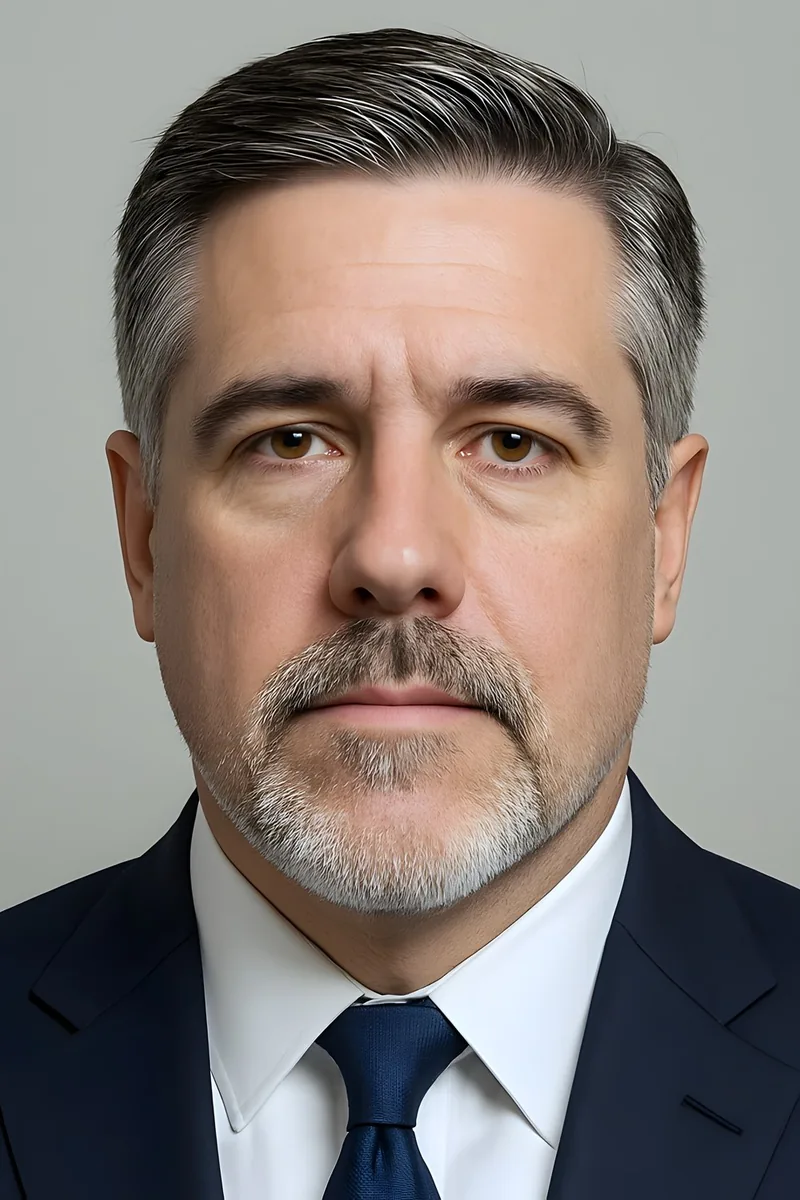
I am an educator, writer, and program builder who believes deeply in the power of steady instruction, strong relationships, and foundational skills to change lives. My path into teaching was shaped by lived experience: I entered adulthood as a student who had struggled with reading and academics, then went on to become a 4.0 graduate and award-winning teacher by learning how transformative the right instruction and persistence can be. Over the past three decades, I have taught in some of the most challenging environmentsrural, under-resourced communities, high-need classrooms, and unfamiliar cultural settingsoften by choice. I have built literacy programs from the ground up, worked one-to-one with struggling learners, and helped students gain not only skills, but confidence and momentum. I am known for a calm, grounded presence, clear communication, and a belief that consistency and care matter just as much as curriculum. Beyond the classroom, my work has included youth program development, outdoor and experiential education, nonprofit collaboration, and extensive writing and communication. Whether teaching reading, mentoring young people, or leading programs, my focus has always been the same: meet people where they are, hold high expectations, and never give up on them. I am motivated by mission-driven work that values integrity, equity, and real impact. I bring experience, reliability, and empathy to everything I doand I believe meaningful change happens through patience, trust, and showing up every day ready to do the work.
I am an interdisciplinary educator with an Ed.M. from the Harvard Graduate School of Education and a B.A. from Dartmouth College. My background is primarily in integrated arts learning and museum education and I specialize in visual arts, history and art history, and object-based learning. In all subjects, I take a creative, inquiry-based and learner-centered approach, designing opportunities for each unique individual to meet their learning goals.
I'm Solange - a recent graduate from Harvard where I studied Sociology & Women's Studies. I've been tutoring for eight years now, and have worked with a wide range of ages and in a wide range of subjects. Some of my specialties are college prep/test taking II worked in the admissions office on campus); social sciences; and literature/writing.
I am excited to be home and help fellow straphangers on their educational paths! My largest wealth of tutoring experience is in foreign languages--particularly French--but I also feel very comfortable editing essays of any kind and working through standardized test concepts. My availability is extremely flexible, and anywhere in New York City works for me. I look forward to working with you.
I am currently attending Johns Hopkins University, pursuing a dual degree in Computer Science and Applied Math and Statistics. I love helping students and I love the feeling I get knowing that I was able to use my knowledge to make someone else happier. My favorite subject to teach is math because there are so many ways to learn it and if one way does not help I can use another. I used to teach taekwondo and interacted with all kinds of students, and I'm excited to help out more!
I am exploring my creativity by pursuing a double major in Asian Languages and Cultures with a focus in Korean, studying abroad in South Korea as a Benjamin A. Gilman Scholar, leading workshops that teach 3D printing and CAD for undergraduate students as the president of 3D4E, advocating for the first-generation and low-income student community as the Outreach Chair of the Quest+ Scholars Network, and getting involved with the Society of Women Engineers' outreach committee. I currently hold a work-study position as an administrative clerical aide in the Institute of Sustainability and Energy at Northwestern and was an undergraduate researcher in the John Rogers Lab. As I look forward with aspirations of applying to graduate school, areas of research in biomedical engineering and biotechnology that I am particularly interested in include biomaterials, pharmaceuticals, and drug delivery systems. Outside of the classroom, I enjoy learning on my own and sharing my experience and knowledge with my peers and other students. I hope to make use of my experiences with academics and learning in high school and so far in my undergraduate career in order to effectively tutor students who may be experiencing the same struggles in learning that I also experienced.
I am a graduate of the University of Chicago where I received my Bachelor of Arts in Philosophy. Currently, I am in the master's program at the University of New Mexico where I am continuing my education in philosophy. Ultimately, I hope to go on to earn a PhD in Philosophy so that I can continue engaging in my passions for learning and teaching. While in school, I have spent countless hours coaching high school speech and debate both in person and working online with students across the country. My focus in coaching has been to emphasize philosophy and critical thought to prepare students to think through novel arguments on their own. I am passionate about teaching and tutoring because I love seeing students learn to be intellectually independent and think through problems on their own terms by developing their critical thinking skills. I have devoted my life to education because I am passionate about it, and I try to share some of my passion for learning with the students I work with. I tutor all sorts of Standardized Tests, and I particularly enjoy working on logic-based problems like analogies and math sections. When I am not tutoring or reading for school, I enjoy strategy games (both board games and video games), listening to music, hiking, playing basketball, and just relaxing with friends.
I am a graduate of the University of Chicago where I received my undergraduate degree in political science. Right after graduation, I worked as an academic and test prep tutor as well as admissions consultant in Hong Kong. For the past two years, I worked with a number of students to help prepare them for college in the United States.
I am a graduate of the University of Chicago, with a bachelor's degree in psychology and linguistics. Currently, I am pursuing a master's degree in speech-language pathology at Teachers College, Columbia University. In the past, I have worked as a teacher's aide in a public school classroom, a mentor to middle school girls, an instructor and tutor at the literacy education organization 826, and a summer camp counselor. I tutor a diverse range of subjects, and I find that I especially enjoy tutoring language arts, reading, and writing at all levels, from elementary school all the way up to college/grad school test prep. As a tutor, I am committed to helping students reach their full potential as learners. Throughout my years as an educator, I have seen firsthand the remarkable academic growth that can occur when tutors provide students with the individualized support that they need. In my spare time, I enjoy reading, journaling, and learning about other languages and cultures.
I am passionate about education, learning, teaching, and specifically literatures and languages. I have experience as an ESL teacher for young children and teens, as well as experience working as a Writing Consultant at my undergraduate institution. I also spent all four years of my undergraduate career volunteering as an SAT tutor for local high schoolers. Beyond this, I have experience both as a private and public Spanish tutor. I love to help students reach their educational and personal goals in any way that I can.
I am a recent graduate of Williams College, where I studied political science with sidelines in history and English. Next fall, I am headed to Ithaca to study at Cornell Law School. I have experience tutoring in all subjects for high school standardized tests and in writing and history at higher levels, and am excited to pass on the benefits of my study as a tutor for the LSAT. I look forward to working with you!
I am a Yale graduate with over 8 years experience tutoring students from a variety of backgrounds. I recently graduated from the Yale School of Public Health with a MPH concentrating in Epidemiology and Global Health. I also received my B.S. from Yale with a double major in Molecular, Cellular, and Developmental Biology and French. I have experience both leading group classes and working with students one on one. I will respond to a student's strengths, weaknesses, and learning style in order to help them succeed and make the most of our time together. I earned a perfect score of 36 on the ACT, 2280 on the SAT, and qualified as a National Merit Scholar on the PSAT. I look forward to working with you!
I'm Ellie, and I am a junior at Yale University studying Biomedical Engineering (pre-med)! I have always considered myself a life-long student, and I strive to make learning exciting and empowering for everyone. On campus, I work as a graphic designer for the Center for Disease Control and Prevention (CDC), volunteer EMT, am the Arts Editor for the Yale Scientific Magazine, am the Layout Editor for the Yale Globalist Magazine, conduct autism research in the School of Medicine, and tutor a Differential Equations course to small groups of students weekly. Aside from my passion for science and math, I enjoy writing essays in my literature classes, designing in Photoshop, Illustrator, InDesign, and more and also have much experience writing application essays for colleges and jobs!
I am a Yale University graduate with over seven years of tutoring experience with children and adults of all ages, specializing in writing, reading, English, college prep, and working with differently-abled learners. As a writer and entrepreneur, I have tutored since high school because it is something I truly enjoy. I approach tutoring with patience, and with finding a motivation to learn and excel that is specific to each student. With young adults and older learners, I approach each skill with purpose in reaching their individual goals and dreams, and with younger learners it is all personalize-practice-reward, working with parents and mentors to understand their needs and facilitate their individual learning and success. I'd love to hear from you and discuss how we can make the most out of our time together!
I am an undergraduate student at the University of Chicago majoring in Classics and Theatre. However, my college uses the core curriculum and as a result, I've had a well-rounded, eclectic education covering everything from math to fine arts. I've won awards in community service, dance, and film, but most notably, 20 writing prizes before I reached eighteen. I was a National Merit Semi-Finalist in high school and I've had a passion for education and the art of learning since I was a child. I hope to instill in my students the love of amassing knowledge, excelling in your studies, and walking out of a test feeling like you rocked it. I especially had a passion for the Critical Reading and the Writing portions of the SAT's and the SAT 2 in Literature. I have teaching experience with everything from stand-up comedy to Emergency Medical Services to tap dancing, and I've been told that I am unmatched in my enthusiasm. In my free time, I like to perform sketch and improv comedy, dance, play the banjo, and volunteer in my local hospital.
I'm Anna! I'm currently a student in the MD/MBA program between Northwestern University's Feinberg School of Medicine and the Kellogg School of Management, and graduated from Northwestern University as part of the Honors Program in Medical Education. I attended the Bergen County Academies in New Jersey, a selective, application-based magnet school, for high school.
I'm a recent graduate of the California Institute of Technology in Economics and Computer Science. I was also accepted at Harvard, Princeton, MIT, and Stanford. I have a broad range of interests spanning science, math, engineering, social science, the humanities, the arts, and athletics (I also played on the Caltech basketball team). My background allows me to tutor general college prep, especially the SAT, ACT and the GRE. I love to teach analytical thinking, ranging from advanced Math and Physics to strategies for understanding literature and developing arguments.
I am currently a first-year Master's student at the Yale School of Public Health. I received my Bachelor's in biology at UCLA. As a Californian, I enjoy sunny weather and eating avocados.
I am a licensed physician from Florida who is currently changing careers. I graduated from the University of Pennsylvania in 2009 and have extensive tutoring and editing experience. While a student, I became a certified writing tutor through the Critical Writing Department. Since I completed my writing requirement at the University prior to matriculating, I was the first freshman tutor to be accepted into this selective program. The tutoring program involved a preliminary peer-tutor training course prior to beginning tutoring, in order to certify that I had the appropriate background to provide professional feedback to fellow students on their literary works and projects. After graduation, I worked for a full-service learning center where I created and implemented high school lesson plans for home-schooled students, provided academic support for students ranging in ages from 8 to 20 years old, and taught group and individual standardized testing preparation classes. I have also assisted students with application essays for various undergraduate and graduate programs.
I am currently a rising Junior at the University of Pennsylvania, majoring in Philosophy, Politics, and Economics and minoring in Science, Technology, and Society. From early on, the intellectual development of others has been very important to me. In high school, I developed my school's first summer tutoring program to ensure that students retained information and were prepared for the upcoming year. I am most passionate about tutoring Political Science, History, and Math, with significant experience in helping students in each of these subject areas. In my spare time, I enjoy reading and playing the bass.
I am currently a 4th year medical student at Baylor College of Medicine and previously graduated from Rice University, Summa Cum Laude with a Bachelor's degree in Cognitive Science and Biochemistry & Cell Biology. I have served on admissions interview committees for Rice and Baylor College of Medicine, have mentored and edited essays for numerous college and graduate school applicants, and served as a private tutor and classroom instructor for Advanced Biology and Chemistry courses for 3+ years.
I am dedicated to helping both struggling and thriving students excel in the subject in question. While I will work closely with my tutees, I will never just tell them how to answer a problem. Making sure the student is able to solve the problem on his own and understand why this method of solution works is how the subjects can be mastered.
I am a rising Sophomore at Princeton University. I am majoring in Mechanical and Aerospace Engineering, most likely with a minor in Computer Science. During my Junior and Senior years of High School, I tutored a few students on a regular basis. I specialize in Math and Science. More specifically, my strongest subjects are Algebra 1/2/3, Geometry, Trigonometry and ACT Science. I have always found the maths and sciences to be both the most interesting subjects, but also the most applicable to real world problems - this is why I chose to major in what I did. Because I usually tutor in Math, I often tutor in the style of showing how to do a few problems step by step, and then having the student try a few more difficult problems, asking questions along the way. I do this because in my experience, this is the best way to learn and prepare for Math related exams. Outside of academics I play Viola, enjoy running and exercising to stay healthy, and listening to all kinds of music.
I am a rising junior at Princeton University pursuing a Bachelors of Arts in Philosophy with a certificate in Statistics and Machine Learning. I am highly passionate about education: during the academic year, I serve as a volunteer tutor for the Petey Greene Program, which provides educational assistance to those incarcerated in New Jersey prisons; after graduation, I hope to work toward becoming a high school mathematics teacher. This summer, I am interning part-time at IntegrateNYC4me, a nonprofit that seeks to integrate New York schools. I believe that quality educational opportunities should be accessible to all, and I hope to dedicate my career toward realizing this vision!
I am available to tutor middle and high school math, history and test prep. I have tutored math and history in the past and I previously taught a test prep course at a school in Hanoi, Vietnam. I have a lot of experience teaching all the need-to-know tricks to doing great on the SATS/ACTS! When I am not in school myself, I love rowing, equestrian and exploring my new city of Boston! I look forward to meeting and working with you soon!
I'm now living in New York City pursuing a career in casting and producing theater. Although I have found my passion in the arts, I find great fulfillment tutoring math and science, because I think it's important for students to know they can succeed in these challenging subjects. I seek to develop an individual learning plan for each student, discovering the tools that will best help them succeed. My previous private tutoring clients have gone on to graduate at the top of their class. In addition, I am also an experienced SAT and ACT prep tutor.
I am current master's student pursuing an advanced degree in environmental engineering. I have about 3 years of experience tutoring a standard math and science curricula to students ranging in age from 7-17. I attended college at Washington University in St. Louis receiving a degree in mechanical engineering and energy engineering in 2020. During my time there, I worked as a teaching assistant for several different engineering courses, tutoring students outside of class in the calculus and physics related topics. As someone that benefitted greatly from tutors and teaching assistants, I really love being able to help students that are struggling in certain areas. I am able to help with standardized tests, focusing on math and science sections, AP Calculus and AP Physics exams, and high school math.
I am a current medical student at Columbia University, and an alumna of the University of Chicago, where I graduated with a Bachelor of Science in Biological Sciences and Bachelor of Arts in Romance Languages & Literatures. I am extremely passionate about tutoring, and I have several years of experience tutoring students in my high school's learning center, tutoring private clients in Standardized Test preparation, and tutoring through my medical school. While I have a wide range of interests and am able to tutor various subjects, I am most passionate about tutoring in Standardized Test preparation, Biology, Chemistry, Math, English, and Spanish. I truly believe that students should have the opportunity to learn in the way that works best for them, and I love being able to help them succeed by creating a comfortable tutoring environment in which we can best assess their particular needs and use strategies specific to them.
I am a dedicated, highly motivated individual with a passion for enhancing the learning experiences of others. I have taught as a classroom teacher and as a volunteer at state and national parks for the past few years. I focus particularly on highlighting connections between various subject matter to individuals' everyday lives. After I graduated with my Masters degree from Johns Hopkins University in 2014, I moved to New Mexico to pursue a career in environmental conservation. I currently work as a supervisor for an AmeriCorps program that provides opportunities for young adults to gain skills working in the field of conservation while also receiving training for personal and professional development. I aspire to become a ranger with the National Park Service and a freelance writer.
I am a 2014 graduate of Cornell University's College of Engineering where I earned a Bachelor's Degree in Biological Engineering. I have just begun my Master's Degree in Biomedical Engineering at Drexel University. My favorite subjects to tutor include Test Prep and elementary/middle school subjects. I enjoy helping younger students so that they can be excited about learning and begin their education with a solid foundation in reading, writing, and mathematics. I believe it is important to provide students with the proper tools to succeed at a young age so that they continue to have a desire to learn for the rest of their lives. I loved my college experience and want to show high school students that with practice and diligence, they too can perform well on standardized tests and go on to the university of their choosing. To accomplish academic goals at any level, it is important for the student to have fun while learning! I personalize my teaching approach to fit the student's learning style so that he or she can easily transition from learning a concept to applying it to a given problem. The greatest reward is seeing the smile on a student's face when a topic "clicks".
I am a graduate student at the University of Pennsylvania pursuing a Masters in International Educational Development. I graduated from Stetson University with my BA in 2017, and since then have worked in inner city schools. The last two years, I have taught Algebra and Geometry at a charter high school, while managing a math tutorial program within the school. I find great joy is setting students up for success and helping them achieve the utmost in school. I do not only focus on student academic performance, but also on their social-emotional well-being, so they may attain a positive mindset of their day-to-day learning. I have 10 years experience working with elementary kids, including assisting with homeschooling. However, I am more passionate about helping students understand higher levels of mathematics. I am a believer in quality education, that's why I make sure to create an engaging learning environment for my students.
I am an undergraduate student at Harvard University! I am studying history and linguistics, and plan to teach English abroad for a few years post-graduation. Though I enjoy tutoring a wide range of subjects, I have the most experience helping students with their writing. I would love to help you improve your writing skills in general, or to look at specific essays or papers. I also enjoy tutoring English/ Language Arts more broadly, including ESL, and math. I do hold a TEFL certificate. I try to keep lessons with students interesting, because I think it's really hard to learn when you don't enjoy what you're learning! I hope to work with you to develop lesson plans that are curated to your goals and interests.
I am currently pursuing a Master's degree in violin performance at the Juilliard School. I have tutored privately and through Chegg Tutoring, Varsity Tutors, PrepExpert, and iLearn World throughout high school and college, with most of my experience being in standardized test prep and English. The most fulfilling moments that I have with my students are when I see them applying previous lessons and skills to new challenges. I believe that a good teacher not only helps a student tackle specific, formulaic kinds of questions, but also imparts the skills necessary for adapting to the diverse intellectual challenges that life presents. My goal is always for my students to leave their sessions having learned something that will be useful for years to come, not just on the next test that they are preparing for. After all, education is a lifelong process!
I am a current Bachelor of Science in Nursing and Master of Science in Nursing accelerated student at the University of Pennsylvania School of Nursing. I graduated from the University of Chicago in 2016 with a BA in Biological Sciences and minor in Philosophy. I have always had a deep and lifelong love of learning that I wish to impart to other students. My goal is to help students achieve their learning needs by utilizing a passionate, creative, and fun teaching approach. I have extensive experience in the subjects of Biology, Life Science, U.S. History, and the Social Sciences.
I am an entrepreneurial travel-loving media professional living in New Orleans. I have a Master in Business Administration from Tulane University and I love teaching all sorts of subjects, especially math. In terms of hobbies, you can find me long-distance running, studying data science, exploring new restaurants and traveling the world.
I am a math enthusiast who is passionate about helping students gain confidence and achieve. I began tutoring other students in middle school and continued throughout high school. I believe all students have the potential to understand math, but they can be intimated or have trouble finding the learning method that works for them. With my extensive experience tutoring students of various age groups through different mediums, I have seen how my emphasis on building a strong foundation and understanding how concepts/formulas work, patience, and encouragement helped students see math in an approachable manner. I participated and scored well in various math competitions throughout high school. Additionally, I am experienced in high school standardized test preparation. I am also a native Mandarin speaker.
I'm a freshman at Stanford University pursuing a degree in mathematical and computational science. I've been tutoring students from grades 3-12 throughout high school, and I look forward to continue in college. Nothing excites me more than learning something new, and I strive to share my excitement with my tutees.
I am a current first-year honors student at Northeastern University pursuing a B.A. in Political Science and a B.A. in History, Culture, and Law. I am a youth activist and have experience working for campaigns and elected officials and am particularly passionate about mental health, climate change prevention, and LGBTQ+ rights. I have done private tutoring for the past three years with students in Elementary, Middle, and High School in a variety of school subjects including but not limited to Math, History, and Writing/Grammar. I am passionate about education and want to use my skillset and knowledge to help other students achieve their best selves. I'm from Denver, Colorado, and currently live in Boston and love to read, watch sitcoms and, of course, tutor my students.
I am currently an undergraduate student at Stanford University, and I recently graduated top of my class from Phillips Academy, a prestigious private boarding school in Massachusetts. For the past few years, I have tutored students of all different ages, serving as a peer tutor, faculty-nominated department tutor, and mentor for elementary school students. Although I tutor many different subjects, I am particularly passionate about Writing, Math, Physics, and Economics. My tutees and I always have a lot of fun revising essays, and academic research experience has given me a better appreciation of the other subjects. I am also well-versed in standardized test prep. My teaching philosophy is that no subject or concept is beyond the capabilities of any studentwe must only find the right teaching method. I would characterize my tutoring style as adaptable and empowering. I want to focus on not only solving the given problem or revising an essay, but also developing the skills and thinking process to apply to other assignments. For instance, one of my preferred teaching methods utilizes the Socratic method.
Testimonials
Because the right Elementary tutor makes all the difference.
Average Session Rating – Based on 3.4M Learner Ratings
Top 20 Other Subjects



Top 20 Subjects
Frequently Asked Questions
The elementary years build the foundation for all future learning, with reading fluency, phonemic awareness, and basic math computation being the most critical skills. Students typically need to master phonics and decoding by end of 2nd grade, develop reading comprehension strategies by 3rd-4th grade, and build automaticity with addition and subtraction facts. When students fall behind in these core areas, gaps compound quickly—a child struggling with phonics in 1st grade often faces reading comprehension difficulties by 4th grade. Personalized tutoring can target these specific skill gaps before they widen.
Reading comprehension, multi-digit multiplication and division, and writing mechanics are where elementary students most commonly hit walls. Many students can decode words but struggle to understand what they've read, while others master basic facts but can't apply them to word problems. Writing is another major challenge—students often know letters and sounds but struggle with sentence structure, organizing ideas, and editing. Additionally, the transition from concrete manipulatives to abstract mathematical thinking in grades 3-4 causes significant difficulty for many students. A tutor can break these complex skills into manageable steps and provide the repetition needed for mastery.
The best elementary tutors combine deep knowledge of child development with expertise in foundational literacy and numeracy instruction. They should understand phonics-based reading approaches, the progression of mathematical thinking from concrete to abstract, and how to diagnose specific skill gaps rather than just reteaching the same material. Experience with different learning styles—visual, auditory, kinesthetic—is essential, as is patience with the slower pace of skill-building in younger grades. Look for tutors who can explain their teaching approach clearly and adjust strategies when something isn't working, rather than using a one-size-fits-all method.
Reading intervention is most effective when it targets the specific area where a child is struggling—whether that's phonemic awareness, decoding, fluency, or comprehension. A tutor can assess where the breakdown is occurring and provide intensive, focused practice on that skill before moving forward. For example, a child who struggles with blending sounds needs different intervention than one who reads fluently but doesn't understand what they've read. Research shows that students who receive small-group or 1-on-1 reading intervention with explicit instruction in phonics and fluency make significantly faster progress than those in classroom settings alone.
Elementary math progresses from concrete (counting objects, using manipulatives) to representational (pictures and diagrams) to abstract (numbers and symbols)—and many students struggle with these transitions. In K-2, the focus is number sense and basic facts; in 3-4, it shifts to multi-digit operations and early fractions; and in 5-6, abstract thinking and problem-solving become central. A student might excel with addition using blocks but freeze when seeing the same problem written as an equation. Tutors who understand this progression can identify exactly where a child's understanding breaks down and rebuild skills using the right level of concrete support.
Elementary writing develops in stages—from letter formation and simple sentences in K-2, to paragraph organization and basic editing in 3-4, to multi-paragraph writing with supporting details in 5-6. Many students struggle not with ideas but with mechanics: spelling, punctuation, capitalization, and sentence construction. A tutor can break writing into manageable components, starting with sentence-level work before tackling paragraph organization, and provide immediate feedback on specific errors rather than overwhelming a child with corrections. Regular, low-pressure writing practice with a tutor who models the writing process builds both skills and confidence.
Most states administer standardized reading and math assessments starting in 3rd or 4th grade, measuring skills in reading comprehension, vocabulary, computation, and problem-solving. Rather than "teaching to the test," effective tutoring builds the underlying skills these assessments measure—strong decoding and comprehension for reading, and number sense and application for math. Tutors can also help students become comfortable with test format and pacing, which reduces anxiety and allows students to show what they actually know. Preparation is most effective when it begins well before the test date, focusing on skill gaps rather than test-specific strategies.
Elementary students learn in different ways—some are strong visual learners, others learn best through movement or listening—and effective tutoring adapts to these differences. Students with dyslexia, dyscalculia, or ADHD benefit from tutors who understand how these differences affect learning and can use evidence-based strategies like multisensory phonics instruction, concrete manipulatives for longer periods, or frequent movement breaks. A tutor can also help identify whether a child's struggles are typical developmental delays or signs of a learning difference that might benefit from further evaluation. Personalized instruction allows tutors to use the specific approaches that work best for each individual student.
Let’s find your perfect tutor
Answer a few quick questions. We’ll recommend the right plan and match you with a top 5% tutor.