Award-Winning AP Spanish Language & Culture Tutors
serving Knoxville, TN
AP Spanish Language & Culture
Tutors in Knoxville
Private 1-on-1 tutoring, weekly live classes for academic support, test prep & enrichment, practice tests and diagnostics, and more to elevate grades and test scores.
Based on 3.4M Learner Ratings
UniversitiesSchools & Universities
DeliveredHours Delivered
ProficiencyGrowth in Proficiency
Who needs tutoring?
No obligation. Takes ~1 minute.

Grant teaches Spanish across every level from 1 through 4 plus conversational and AP, which means he can quickly diagnose whether a student is struggling with foundational grammar — subjunctive triggers, preterite vs. imperfect — or with the higher-level task of producing formal register under timed conditions. His economics background also gives him a structured, analytical approach to the exam's persuasive essay, where organizing source material into a coherent argument matters as much as the Spanish itself. Rated 5.0 by students.
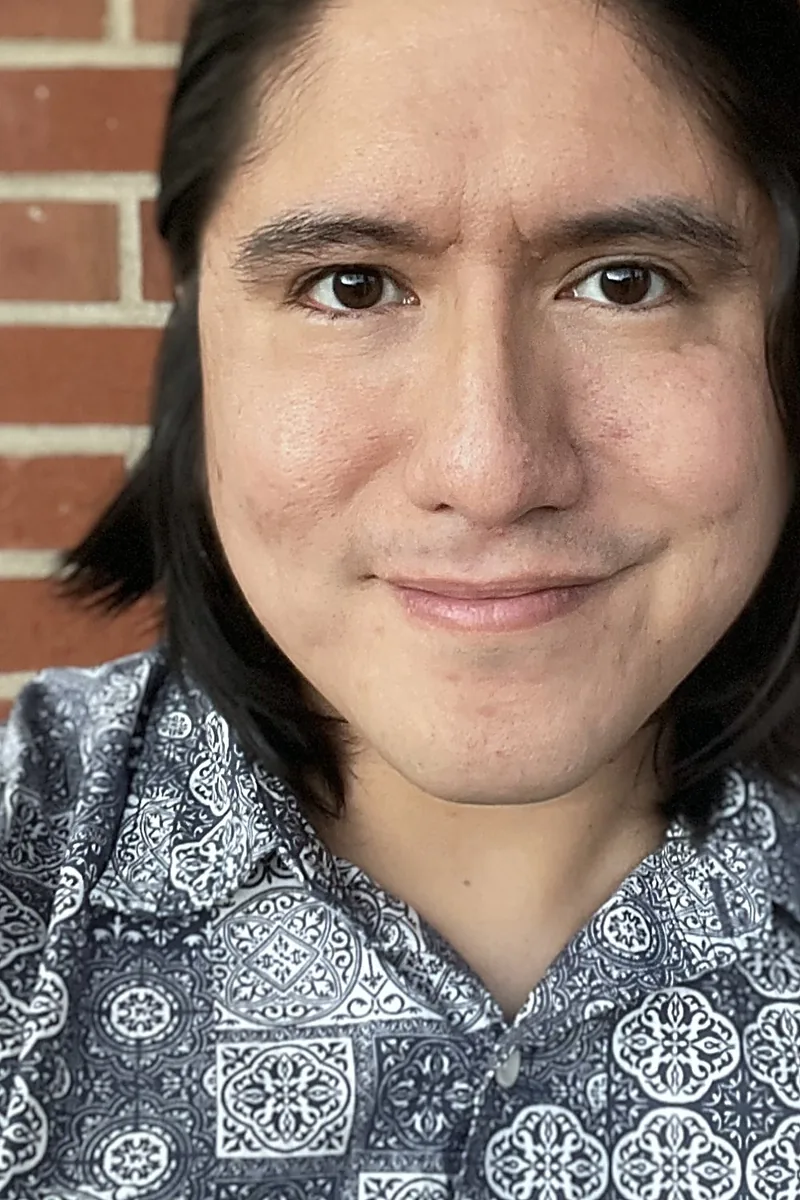
Hi, my name is Jorge and I am from Lima Peru. Most of my academic experience is related to Biomedical sciences, in the fields of Molecular Biology, Genetics, Biochemistry, Cell Biology and development. During my PhD, I had a proactive role organizing scientific symposiums and retreats. This trained my presentation skills to share my research in important scientific meetings in the US: I won best poster award at the Gordon Research Conference (GRC) in 2022 and was an invited speaker at Cold Spring Harbor meeting in 2023, among others. Besides my research experience, I have a strong commitment to improve higher education in STEM. Since 2020, I co-direct the Research Experience for Peruvian Undergrads (REPU) program, that provides international scientific internships to Peruvian undergrads in top universities in the US and Europe. I have the chance to mentor undergards in STEM. Additionally, I am a native Spanish speaker, which allowed me to give Spanish lessons to some students in the USA. I want to use my best of my abilities to support students and build a career for myself in Education.
Earning a bachelor's degree in Spanish at Butler means Darby didn't just study grammar — she developed the kind of fluency in interpersonal, interpretive, and presentational communication that the AP Spanish Language exam actually tests. She's particularly strong on the writing and speaking components, coaching students through persuasive essays and simulated conversations where register and cultural awareness matter as much as accuracy. Rated 5.0 by students.
Medical school in Chicago keeps Caroline juggling multiple languages daily — she double-majored in Chinese at Notre Dame while also building fluency in Spanish through her coursework up to Spanish 3. That multilingual wiring means she approaches AP Spanish prep by connecting how languages share structural logic, breaking down things like conditional chains and register shifts through cross-linguistic patterns rather than rote drilling. Rated 5.0 by students.
Nicole's linguistics degree means she understands how languages work as systems — the morphology, syntax, and pragmatics underneath Spanish that most tutors teach purely by repetition. She applies that structural knowledge to the AP exam's trickiest moments, like shifting between informal and formal register mid-task or decoding rapid authentic audio in the interpretive listening section. Her Italian heritage and fluency in multiple Romance languages sharpen her ear for the cognate traps and dialectal variations the exam loves to test.
Scoring well on AP Spanish Language & Culture means toggling between interpersonal conversation, presentational writing, and rapid-fire audio sources — often in the same exam session. Meagan majored in Spanish at the undergraduate level and has taught ESL, so she understands language acquisition from both directions and can pinpoint where a student's comprehension or production breaks down.
Earning a strong score on AP Spanish Language & Culture means toggling between interpersonal conversation, presentational writing, and audio-source synthesis — often in the same exam sitting. Sarah's Spanish major and her background in international education give her native-level command of the language and a clear method for tackling the cultural comparison essay, which is where most students lose points.
Ryan's American Studies background means he already thinks in terms of cross-cultural comparison — a skill that maps directly onto the AP Spanish exam's cultural comparison task, where students need to connect practices across communities with nuance and specificity. He teaches Spanish from level 2 through AP and conversational Spanish, so he bridges the gap between structured grammar work and the kind of spontaneous communication the interpersonal speaking section rewards.
Success on the AP Spanish Language & Culture exam depends on toggling fluently between interpretive, interpersonal, and presentational communication — often within a single task. Margaret tackles each mode separately, drilling persuasive email writing one session and audio-source synthesis the next, so students build confidence across the full exam format. Her own deep engagement with Spanish literature and conversation gives her the cultural fluency this exam specifically rewards.
Being Colombian and fully bilingual, Esteban doesn't just teach Spanish — he thinks, writes, and jokes in it daily. For AP Spanish Language & Culture, that native fluency matters: he coaches students through the interpersonal speaking tasks, persuasive essays, and audio-source questions using authentic cultural contexts from across the Spanish-speaking world. His 4.9 rating speaks to how effectively he prepares students for both the language mechanics and the cultural comparisons the exam demands.
Success on the AP Spanish Language exam comes down to thinking in Spanish — not translating from English in your head. Iris builds this fluency by connecting language practice to real cultural content: interpreting audio sources, writing persuasive emails, and constructing spoken presentations on topics like science, community, and global challenges. Her background in anthropology also gives her a genuine comfort with the cultural comparison tasks the exam emphasizes.
Tackling AP Spanish Language & Culture means producing polished interpersonal and presentational writing under timed conditions. Lillian breaks down the persuasive essay and email reply tasks by drilling subjunctive triggers, transition phrases, and the cultural comparison framework the rubric specifically rewards.
Molly holds degrees in Spanish from Columbia University, which gives her the academic grounding in grammar, composition, and literary analysis that AP Spanish Language & Culture's written and spoken tasks demand. Her classroom teaching experience across multiple grade levels means she quickly spots the structural weaknesses — verb tense confusion, weak transitions, underdeveloped cultural comparisons — that keep students from reaching a 4 or 5. Rated 5.0 by students.
Growing up bilingual with dual US-Chilean citizenship, Camilla didn't just learn Spanish at home — she pursued it academically through advanced language and literature coursework. For AP Spanish Language & Culture, she tackles the presentational writing and interpersonal speaking tasks by grounding students in the cultural contexts that make their responses authentic and nuanced.
Pursuing a language citation in Spanish at Harvard while studying African American Studies, Gabriela tackles the AP exam's cultural comparison task with a cross-cultural analytical instinct baked into her daily coursework. She teaches Spanish from level 1 through 4 and conversational Spanish, so she can zero in on whether a student needs to shore up subjunctive mechanics or sharpen their ability to construct a timed persuasive essay in formal register. Rated 5.0 by students.
Testimonials
Because the right AP Spanish Language & Culture tutor makes all the difference.
Average Session Rating – Based on 3.4M Learner Ratings
Nearby AP Spanish Language & Culture Tutors
Other Knoxville Tutors
Related Languages Tutors in Knoxville
Frequently Asked Questions
The AP Spanish Language & Culture exam tests your ability to communicate in Spanish across three modes: interpersonal (conversations and discussions), interpretive (reading and listening comprehension), and presentational (speaking and writing). The exam includes five sections: multiple-choice reading, multiple-choice listening, free-response writing, free-response speaking, and cultural analysis. Success requires strong vocabulary, grammar accuracy, and the ability to understand authentic Spanish-language materials from various Spanish-speaking regions.
Personalized 1-on-1 instruction allows tutors to focus on your specific weak areas—whether that's subjunctive mood, listening comprehension, or spontaneous speaking. Rather than following a generic curriculum, tutors can tailor practice to your learning pace and target the sections where you need the most improvement. For Knoxville students, this means working with someone who understands your school's curriculum and can align preparation with your course timeline.
Many students struggle with the spontaneous speaking section, where you have limited time to respond without preparation. The subjunctive mood, irregular verb conjugations, and distinguishing between similar verb tenses (preterite vs. imperfect) are also frequent pain points. Additionally, understanding regional accents and colloquialisms in authentic listening materials can be challenging. A tutor can help you practice these specific areas repeatedly and build confidence through targeted feedback.
Score improvement depends on your starting point and how consistently you practice. Students who work with tutors typically see gains of 1-3 points on the 1-5 AP scale, with the largest improvements coming from focused work on weak sections and regular practice with authentic exam materials. The key is identifying your specific challenges early and dedicating time to deliberate practice—tutors can guide this process and help you track progress through practice tests.
Your first session typically focuses on assessment and goal-setting. A tutor will discuss your current Spanish level, review your recent coursework or practice test results, and identify which exam sections need the most attention. This conversation helps establish a personalized study plan that aligns with your timeline and target score. You'll also get a sense of the tutor's teaching style and can ask questions about their approach to AP Spanish preparation.
Practice tests are essential—they help you understand the exam format, build stamina for the full exam, and identify specific weak areas to target. Taking full-length practice tests under timed conditions is particularly valuable because it simulates real test anxiety and pacing challenges. A tutor can review your practice test results with you, pinpoint patterns in your mistakes, and adjust your study plan accordingly, making each practice test a learning opportunity rather than just a score.
The speaking sections require spontaneous responses with minimal preparation time, so practice with realistic timing is crucial. Tutors can conduct mock conversations, play audio prompts, and provide immediate feedback on pronunciation, grammar, and fluency. Regular practice helps you internalize common phrases, build confidence speaking extemporaneously, and reduce the anxiety that often comes with timed speaking tasks. Over time, this builds the automaticity you need to respond naturally without overthinking.
Most students benefit from starting preparation 3-6 months before the exam, with consistent weekly tutoring sessions combined with independent practice. If you're taking the course, tutoring can begin mid-year to reinforce classroom learning and address gaps. The ideal schedule includes weekly 1-on-1 sessions plus 3-5 hours of independent practice weekly—tutors can help you structure this time efficiently and recommend specific resources for self-study between sessions.
Let’s find your perfect tutor
Answer a few quick questions. We’ll recommend the right plan and match you with a top 5% tutor.