Award-Winning Organic Chemistry Tutors
serving Knoxville, TN
Organic Chemistry
Tutors in Knoxville
Private 1-on-1 tutoring, weekly live classes for academic support, test prep & enrichment, practice tests and diagnostics, and more to elevate grades and test scores.
Based on 3.4M Learner Ratings
UniversitiesSchools & Universities
DeliveredHours Delivered
ProficiencyGrowth in Proficiency
Who needs tutoring?
No obligation. Takes ~1 minute.
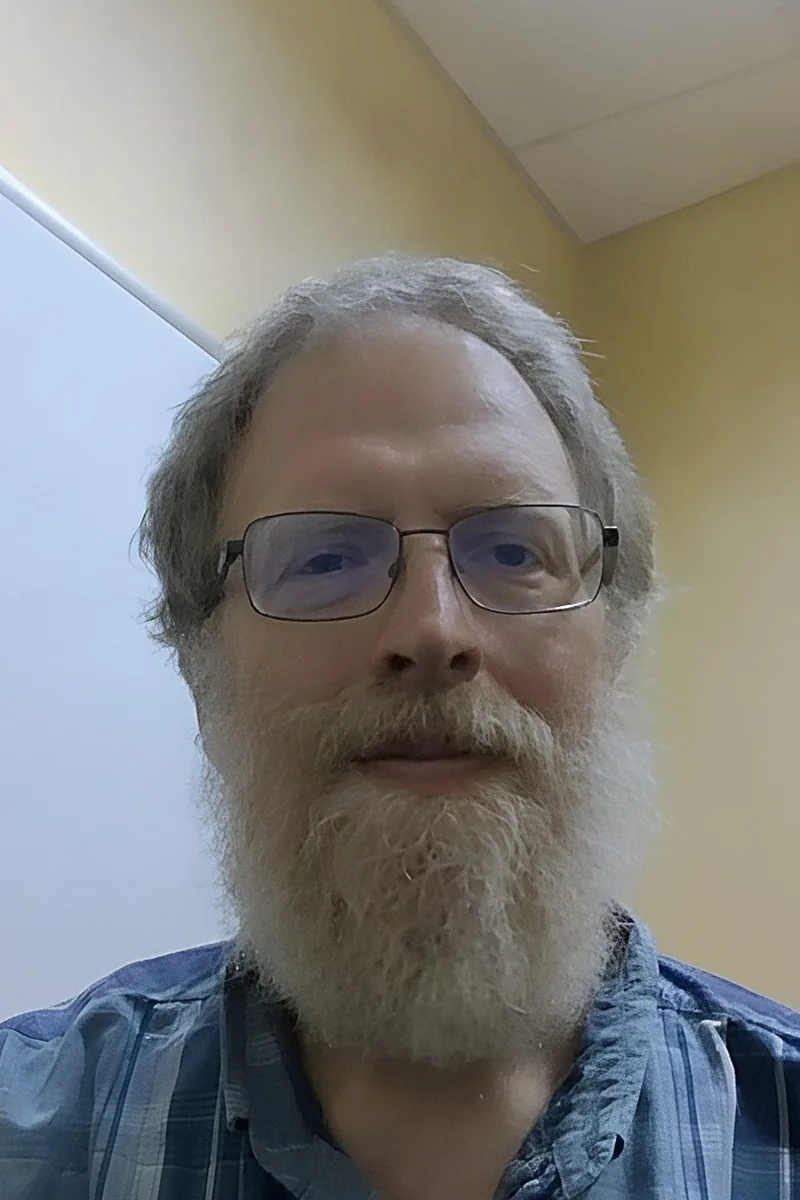
Having taught General Chemistry, Organic Chemistry, and GOB courses for health professions repeatedly at the college level, Jeremy approaches reaction mechanisms as skills to be practiced — not facts to be memorized. His PhD in Chemistry from Yale means he can trace arrow-pushing, stereochemical analysis, and multi-step synthesis all the way down to first principles, then rebuild them at whatever level a student needs. He holds a 4.6 rating.
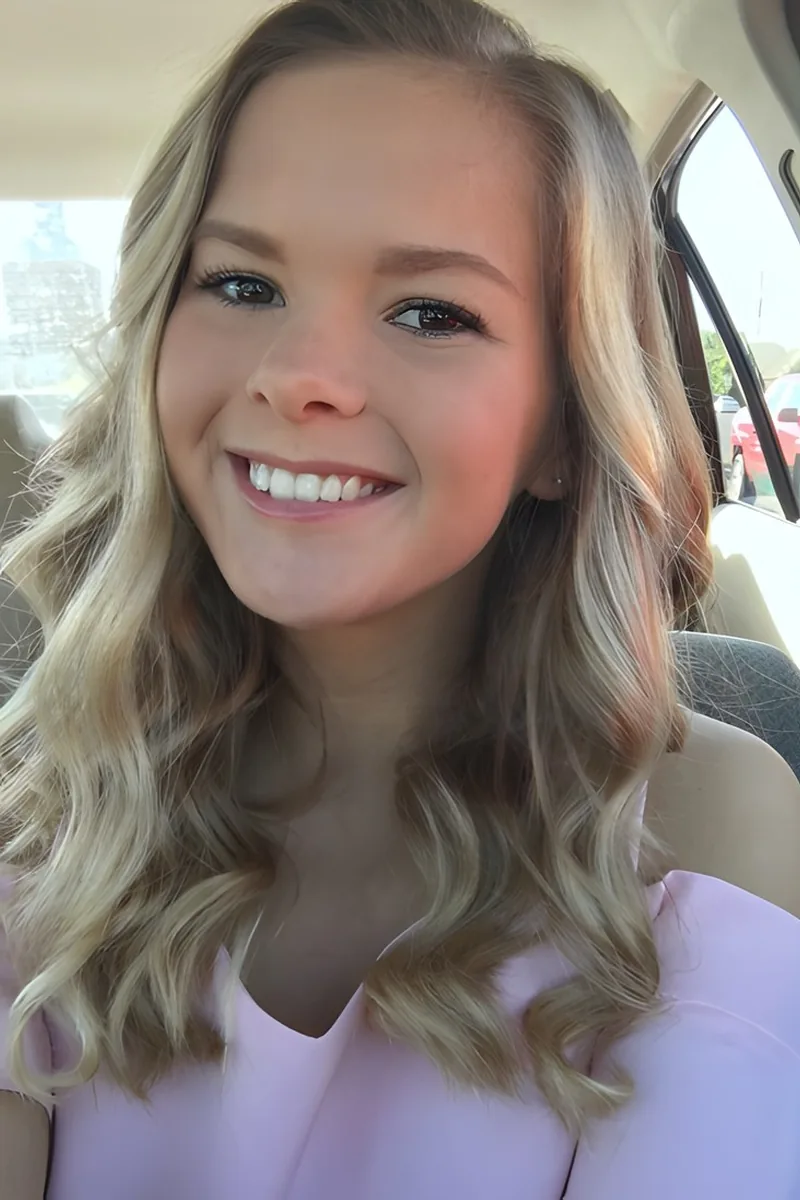
I am a freshman at Vanderbilt University studying biochemistry and involved in analytical chemistry research. Despite my studies being very science oriented, I also enjoy studying English and the humanities. I'd be happy to tutor you in any of these areas!
Jacob lists organic chemistry among his favorite subjects to teach, and his economics-trained habit of tracing systems through chains of cause and effect gives him a structured way to walk through multi-step mechanisms — particularly carbonyl chemistry and aromatic substitution patterns. He approaches each reaction type by building the logic from scratch: what's electron-rich, what's electron-poor, and why that determines everything. Rated 5.0 by students.
Reaction mechanisms are the language of organic chemistry, and Kathleen reads them fluently. She completed her undergraduate Chemistry degree at the University of Arkansas and went on to apply organic principles daily during her Vanderbilt Ph.D. research, where understanding molecular structure and reactivity was essential to her lab work. She walks students through arrow-pushing, stereochemistry, and synthesis design by connecting each reaction type to a clear underlying logic.
Reaction mechanisms are the backbone of organic chemistry, and most students struggle because they try to memorize arrow-pushing patterns without understanding electron density or orbital interactions. Fay's biochemistry background means she approaches orgo from a structural and energetic perspective — explaining why an E2 elimination is favored over SN1, not just that it is.
Surviving organic chemistry as a chemistry major and then revisiting it for dental school admissions gave Jackson two passes through reaction mechanisms, stereochemistry, and spectroscopy interpretation. That repetition means he knows exactly where students get lost — arrow-pushing notation, carbonyl chemistry, substitution vs. elimination — and can walk through each step without skipping the reasoning.
Pre-med coursework in psychology and biology gave Kristen a biomolecular entry point into organic chemistry — she learned reaction mechanisms through the lens of how drugs bind receptors and how metabolic pathways depend on functional group transformations. She tackles arrow-pushing by walking students through the "why" behind electron movement, connecting nucleophilicity and leaving group ability to the biological molecules that make those concepts tangible.
I am a chemistry tutor with a solid academic and teaching background, possessing more than seven years of experience in chemistry. Being a tutor is an exciting interaction surpassing anything else I have experienced. I want to continue tutoring because I can positively influence students to reach their full potential academically. Enabling students to understand the basic knowledge and skills they may use for the rest of their lives is mightily rewarding. I have had a tremendously positive experience of both high school and college education. I received a chemistry bachelor's degree at the Cross River University of Technology, Nigeria, and a master's degree in chemistry at East Tennessee State University, TN. As a high school classroom teacher, and a graduate assistant, I taught a Chemistry course and instructed Organic Chemistry laboratory sessions, respectively. These teaching assignments have kindled positive and gratifying responses. The work of Howard Gardner has influenced my learning style. He theorized that we have many kinds of intelligence and that everyone has the potential to be brilliant but tends to express it uniquely. Therefore, all students have a unique learning style that is suitable for them. As a tutor, I can meet my students' academic needs provided I know their right learning style. Outside teaching, I volunteer in my local church youth weekly program to set up the gym so that the youths could have some fun games before listening to Bible-based teaching. I believe the spiritual well-being of an individual is just as important as their academic success. Volunteering my time to something that makes young people spiritually and mentally fit is fulfilling. Having decided to teach, I look forward to working as a tutor. It will be an honor to make a real difference in the life of those I tutor.
Reaction mechanisms are the language of organic chemistry, and most students struggle because they try to memorize arrows instead of understanding electron flow. Abrahim unpacks each mechanism — SN1 vs. SN2, E1 vs. E2, electrophilic aromatic substitution — by starting with nucleophilicity, sterics, and leaving-group ability so the logic drives the arrow-pushing rather than the other way around. His 5.0 rating speaks to how well that approach clicks.
Reaction mechanisms are the language of organic chemistry, and Josef teaches students to read them — arrow pushing, stereochemistry, and functional group reactivity — rather than memorize hundreds of individual reactions. His biochemistry focus at Cornell means he can connect orgo concepts like nucleophilic substitution and carbonyl chemistry directly to biological molecules students will encounter later.
Reaction mechanisms are the language of organic chemistry, and Jon spent his Master's work at Princeton immersed in that language daily. He unpacks arrow-pushing, stereochemistry, and functional group reactivity by tying each mechanism back to the electron behavior driving it, so students build intuition instead of relying on rote memorization. His TA students at Princeton gave him reviews strong enough to earn a teaching award — a good sign for anyone staring down a semester of orgo.
Reaction mechanisms in organic chemistry demand the same kind of pattern recognition Seong uses in her neuroscience coursework at Northwestern — tracking electron movement, predicting intermediates, and understanding why one pathway dominates over another. She unpacks arrow-pushing notation by tying each step to underlying principles of nucleophilicity and sterics, so students can reason through unfamiliar reactions on exams instead of relying on rote memorization.
Most organic chemistry frustration comes from trying to memorize hundreds of reactions instead of recognizing the handful of electronic patterns — nucleophilic attack, leaving group ability, steric effects — that drive all of them. Garrett teaches students to read arrow-pushing mechanisms as stories about electron movement, which makes predicting products and regiochemistry intuitive. His approach turns reaction maps from overwhelming charts into logical flowcharts.
Reaction mechanisms are the backbone of organic chemistry, and spotting nucleophilic attacks or predicting stereochemical outcomes requires genuine pattern recognition, not rote memorization. Lauren's chemistry minor at Duke and her hands-on lab research give her a practical fluency with functional group reactivity that she translates into clear, step-by-step reasoning for each mechanism type.
Being on the pre-med track at Northwestern while studying both biology and chemistry means Kade is taking organic chemistry alongside the same students he tutors — he knows which professors emphasize what, which problem sets are brutal, and where the common mistakes hide in topics like stereochemistry and acyl substitution. That proximity to the material gives him a practical, recently-tested understanding of how to break down multi-step synthesis problems into manageable pieces.
Reaction mechanisms are the backbone of organic chemistry, and learning to predict products means recognizing electron-density patterns, not memorizing hundreds of individual reactions. Alec's approach — honed through years of TA work in Cornell's chemistry department — emphasizes arrow-pushing logic and functional group reactivity so that substitution, elimination, and addition reactions start to feel like variations on a theme rather than separate things to memorize.
Between his biochemistry degree and his current pharmacy doctoral work at VCU, Joel has run through organic chemistry from both the academic and applied sides — understanding how functional group reactivity and stereochemistry translate into real drug design and pharmacological mechanisms. He's also taught university chemistry courses as adjunct faculty, so he knows how to break down multi-step synthesis problems and spectroscopy interpretation at the pace a student actually needs. Rated 5.0 by students.
Reaction mechanisms are the backbone of organic chemistry, and most students struggle not because the material is impossibly hard but because they try to memorize hundreds of reactions instead of learning the handful of electron-pushing patterns that explain almost all of them. Rebecca's science training means she teaches students to read a mechanism the way you'd read a sentence — subject, verb, object — so new reactions become predictable rather than surprising.
Studying biochemistry and molecular biology means Raj encountered organic chemistry not as a single course but as the language underlying everything from enzyme kinetics to metabolic pathways — so he teaches functional group reactivity and stereochemistry with that bigger picture always in view. His 5.0 rating and a perfect 36 ACT reflect someone who thinks systematically, which translates directly into how he walks students through multi-step synthesis problems: identify the transformation, trace the electron flow, then confirm the regiochemistry.
Reaction mechanisms in organic chemistry reward the same kind of systematic thinking that drives engineering design: track the electrons, identify the functional groups, and predict what happens next. Lee teaches students to read mechanisms as stories with cause and effect — nucleophile attacks electrophile, leaving group departs — instead of memorizing hundreds of individual reactions. His biomedical background adds context for why specific organic reactions matter in drug design and biochemistry.
Testimonials
Because the right Organic Chemistry tutor makes all the difference.
Average Session Rating – Based on 3.4M Learner Ratings
Practice Organic Chemistry
Free practice tests, flashcards, and AI tutoring for Organic Chemistry
Nearby Organic Chemistry Tutors
Other Knoxville Tutors
Related Science Tutors in Knoxville
Frequently Asked Questions
Organic Chemistry requires visualizing molecules in 3D space and understanding reaction mechanisms that aren't always intuitive—it's not just memorization, but learning to think like a chemist. Many students struggle with the abstract nature of electron movement, predicting products, and connecting concepts like resonance and stereochemistry. Personalized 1-on-1 instruction helps break down these complex ideas into manageable pieces, allowing you to build conceptual understanding rather than just memorizing reactions.
Your first session is about understanding where you stand and what you need most help with. A tutor will assess your grasp of foundational concepts like bonding, molecular structure, and acid-base chemistry, then identify specific areas—whether that's reaction mechanisms, synthesis problems, or exam preparation. From there, you'll work together to create a personalized plan that targets your weaknesses while building on your strengths.
Understanding reaction mechanisms is far more valuable than pure memorization—when you grasp why a reaction happens, you can predict outcomes and solve unfamiliar problems on exams. That said, some foundational reactions are worth knowing well so you can focus mental energy on applying them. Tutors help you distinguish between reactions worth memorizing and those you can derive from core principles, plus teach you strategies for organizing and retaining the information that matters.
Molecular visualization is a skill that improves with practice and the right tools. Tutors often use molecular models, drawing techniques, and interactive software to help you see how atoms are arranged in space and how they rotate and interact. Working through problems step-by-step with visual aids—and repeatedly sketching structures yourself—trains your brain to build mental models of complex molecules, making stereochemistry and conformational analysis much less intimidating.
Strong tutoring bridges lecture concepts and lab practice by helping you understand the 'why' behind experimental procedures. When you grasp reaction mechanisms and molecular behavior, lab techniques make more sense—you'll know why you're heating, cooling, or adding reagents in a specific order. Tutors can also help you interpret lab results, write clear reports, and think critically about experimental design, turning lab into a powerful learning tool rather than just following instructions.
Ideally, starting 4-6 weeks before an exam gives you time to build understanding and practice problem-solving without cramming. However, even 2-3 weeks of focused tutoring can significantly boost your score if you commit to active practice between sessions. The key is consistent work—tutors help you identify gaps, prioritize topics by exam weight, and develop test-taking strategies that let you apply what you've learned under pressure.
Look for tutors with strong chemistry backgrounds—ideally a degree in chemistry, biochemistry, or a related field, plus teaching experience. The best tutors combine deep subject knowledge with the ability to explain complex concepts clearly and adapt to your learning style. When you connect with Varsity Tutors, you're matched with experienced educators who understand both the content and the common stumbling blocks students face in Organic Chemistry.
Synthesis problems require you to work backward from a target molecule and forward from starting materials—a skill that takes practice to develop. Tutors teach you systematic approaches: analyzing the target structure, identifying key bonds to form or break, and planning a logical sequence of reactions. By working through problems together and learning to ask the right questions about reactivity and selectivity, you'll build confidence tackling unfamiliar synthesis challenges on exams or problem sets.
Let’s find your perfect tutor
Answer a few quick questions. We’ll recommend the right plan and match you with a top 5% tutor.