Award-Winning AP Spanish Language & Culture Tutors
serving Nashville, TN
AP Spanish Language & Culture
Tutors in Nashville
Private 1-on-1 tutoring, weekly live classes for academic support, test prep & enrichment, practice tests and diagnostics, and more to elevate grades and test scores.
Based on 3.4M Learner Ratings
UniversitiesSchools & Universities
DeliveredHours Delivered
ProficiencyGrowth in Proficiency
Who needs tutoring?
No obligation. Takes ~1 minute.
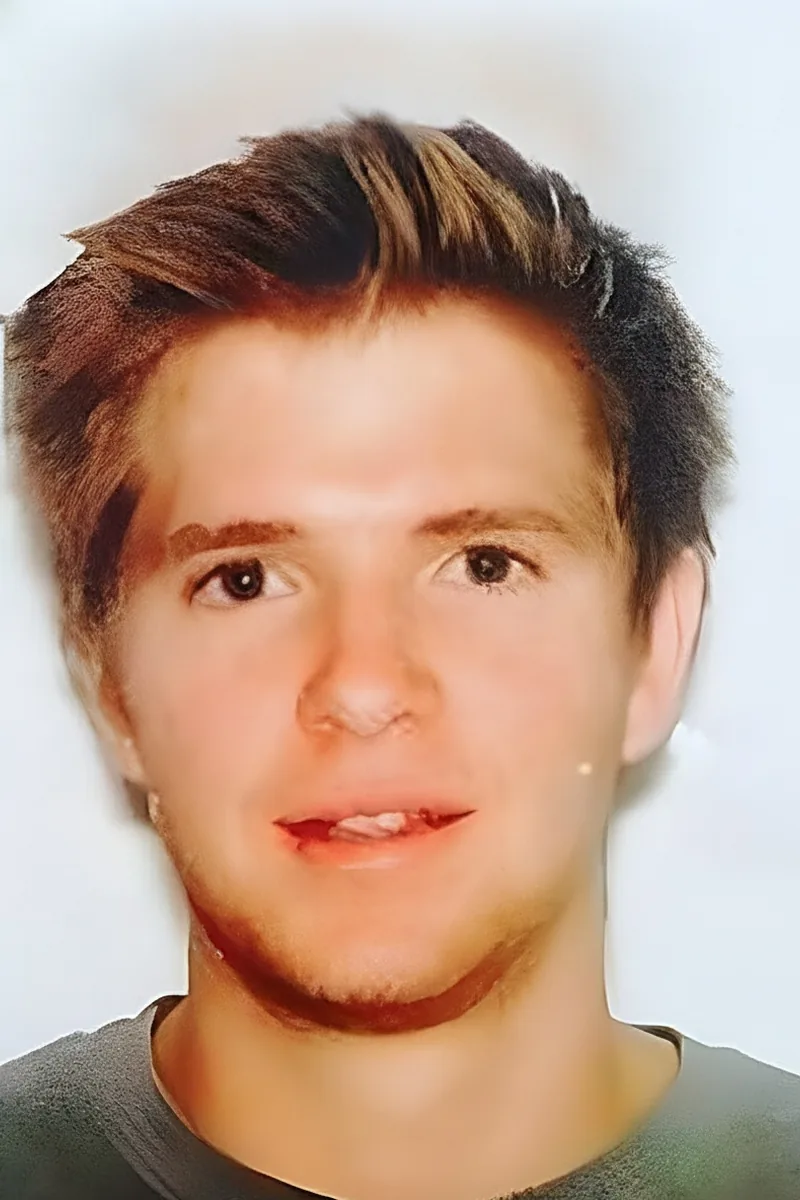
Grant teaches Spanish across every level from 1 through 4 plus conversational and AP, which means he can quickly diagnose whether a student is struggling with foundational grammar — subjunctive triggers, preterite vs. imperfect — or with the higher-level task of producing formal register under timed conditions. His economics background also gives him a structured, analytical approach to the exam's persuasive essay, where organizing source material into a coherent argument matters as much as the Spanish itself. Rated 5.0 by students.
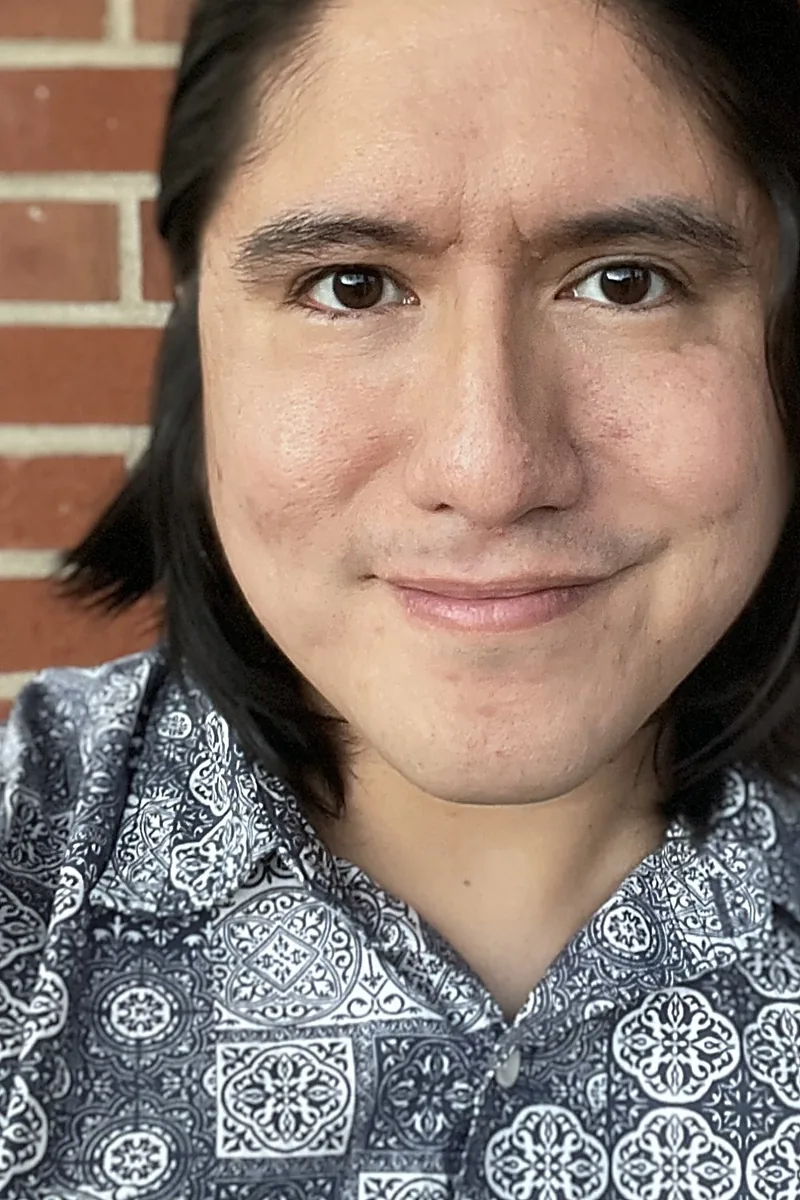
Hi, my name is Jorge and I am from Lima Peru. Most of my academic experience is related to Biomedical sciences, in the fields of Molecular Biology, Genetics, Biochemistry, Cell Biology and development. During my PhD, I had a proactive role organizing scientific symposiums and retreats. This trained my presentation skills to share my research in important scientific meetings in the US: I won best poster award at the Gordon Research Conference (GRC) in 2022 and was an invited speaker at Cold Spring Harbor meeting in 2023, among others. Besides my research experience, I have a strong commitment to improve higher education in STEM. Since 2020, I co-direct the Research Experience for Peruvian Undergrads (REPU) program, that provides international scientific internships to Peruvian undergrads in top universities in the US and Europe. I have the chance to mentor undergards in STEM. Additionally, I am a native Spanish speaker, which allowed me to give Spanish lessons to some students in the USA. I want to use my best of my abilities to support students and build a career for myself in Education.
Earning a bachelor's degree in Spanish at Butler means Darby didn't just study grammar — she developed the kind of fluency in interpersonal, interpretive, and presentational communication that the AP Spanish Language exam actually tests. She's particularly strong on the writing and speaking components, coaching students through persuasive essays and simulated conversations where register and cultural awareness matter as much as accuracy. Rated 5.0 by students.
This isn't Marvin's core subject — his University of Chicago economics degree and current elementary teaching work sit outside the language space. That said, he's listed for AP Spanish Language & Culture alongside broader test prep and study skills, so he can support students on the structural side: organizing persuasive essay outlines, building timed-response strategies, and strengthening the analytical habits the cultural comparison task rewards.
Born in Bolivia and fluent in Spanish from childhood, Geraldine brings native-level command to the AP Spanish Language & Culture exam's trickiest components: the persuasive essay, the cultural comparison, and the simulated conversation. She drills students on transitional phrases, formal register, and the specific cultural knowledge the College Board expects. Her familiarity with Latin American customs and idioms gives students an authentic reference point beyond the textbook.
Living in Spain for six months gave Rebecca the kind of immersive fluency that AP Spanish Language & Culture demands — not just grammar accuracy, but the ability to navigate cultural comparisons and presentational speaking with confidence. She tackles the interpersonal and presentational writing tasks by teaching students how to integrate source material and build arguments entirely in Spanish. Her Notre Dame training in close reading also translates directly to the audio and print source analysis on the exam.
Between teaching Spanish 1 through 4, conversational Spanish, and both SAT Spanish Subject Tests, Linda has logged serious hours across every level of the language — which means she can quickly spot whether an AP student's weak point is a shaky subjunctive foundation or an inability to shift into formal written register under timed conditions. Her graduate work in education at USC's Rossier School sharpens how she structures exam prep, particularly for the persuasive essay task where students need to synthesize Spanish-language sources into a cohesive argument fast.
Rebekah's Geology-Biology degree from Brown isn't an obvious path to AP Spanish — but she teaches Spanish across all four levels plus conversational and both SAT Spanish Subject Tests, which signals genuine command of the language well beyond casual fluency. She tackles the exam's interpersonal speaking and interpretive listening sections by training students to process Spanish at natural speed, building the kind of real-time comprehension that no amount of grammar drilling alone can produce. Rated 5.0 by students.
Joshua teaches Spanish from level 1 through AP and pairs that with four levels of Latin, so he's used to thinking about how Romance languages borrow structures from their classical roots — a perspective that sharpens his explanations of tricky Spanish grammar like subjunctive triggers and conditional sequences. His 1600 SAT reflects the kind of precise reading and analytical writing skills that translate directly to the AP exam's source-synthesis and persuasive essay tasks.
Success on the AP Spanish Language exam comes down to thinking in Spanish — not translating from English in your head. Iris builds this fluency by connecting language practice to real cultural content: interpreting audio sources, writing persuasive emails, and constructing spoken presentations on topics like science, community, and global challenges. Her background in anthropology also gives her a genuine comfort with the cultural comparison tasks the exam emphasizes.
Nicole's linguistics degree means she understands how languages work as systems — the morphology, syntax, and pragmatics underneath Spanish that most tutors teach purely by repetition. She applies that structural knowledge to the AP exam's trickiest moments, like shifting between informal and formal register mid-task or decoding rapid authentic audio in the interpretive listening section. Her Italian heritage and fluency in multiple Romance languages sharpen her ear for the cognate traps and dialectal variations the exam loves to test.
Scoring well on the AP Spanish Language & Culture exam means toggling between interpersonal conversation, presentational writing, and audio-source synthesis — often in the same sitting. Heather's deep Spanish background, built through years of advanced coursework and one-on-one tutoring, means she can drill the specific skills each task type demands. She's particularly strong at coaching students through the persuasive essay, where organizing an argument in Spanish trips up even strong speakers.
Christopher's memory-sport training — he's actively working toward a Guinness World Record — translates surprisingly well to the vocabulary and conjugation retention that AP Spanish demands, especially when students need to internalize subjunctive triggers and idiomatic expressions under exam pressure. His biology coursework at Johns Hopkins doesn't scream Spanish, but his ACT score of 32 and comfort across multiple academic disciplines show he knows how to systematically tackle material outside his primary lane.
Being Colombian and fully bilingual, Esteban doesn't just teach Spanish — he thinks, writes, and jokes in it daily. For AP Spanish Language & Culture, that native fluency matters: he coaches students through the interpersonal speaking tasks, persuasive essays, and audio-source questions using authentic cultural contexts from across the Spanish-speaking world. His 4.9 rating speaks to how effectively he prepares students for both the language mechanics and the cultural comparisons the exam demands.
Tackling AP Spanish Language & Culture means producing polished interpersonal and presentational writing under timed conditions. Lillian breaks down the persuasive essay and email reply tasks by drilling subjunctive triggers, transition phrases, and the cultural comparison framework the rubric specifically rewards.
Testimonials
Because the right AP Spanish Language & Culture tutor makes all the difference.
Average Session Rating – Based on 3.4M Learner Ratings
Nearby AP Spanish Language & Culture Tutors
Other Nashville Tutors
Related Languages Tutors in Nashville
Frequently Asked Questions
The AP Spanish Language & Culture exam tests your ability to communicate in Spanish across three modes: interpersonal (conversations), interpretive (reading and listening comprehension), and presentational (speaking and writing). The exam includes multiple-choice sections on reading and listening, plus free-response sections where you'll write emails, essays, and record spoken responses. Success requires not just grammar knowledge, but the ability to understand authentic Spanish media, discuss cultural topics, and express complex ideas fluently.
Score improvement depends on your starting point and how consistently you prepare. Students who work with tutors typically see meaningful gains by focusing on their weakest sections—whether that's conversational fluency, reading comprehension, or essay writing. Many students improve by 1-2 score points (on the 1-5 scale) over several months of focused study, though improvement is most dramatic when you identify and target specific skill gaps early. The key is consistent practice with feedback, not just studying harder.
Many students struggle with the speaking and writing sections because they require real-time production under pressure—you can't rely on multiple-choice recognition. The listening section also challenges students who aren't used to natural speech patterns, accents, and rapid delivery. Additionally, the cultural component requires familiarity with Spanish-speaking countries and current events, which students often overlook while focusing only on grammar. Tutors can help you build confidence in these high-stakes areas through targeted practice and feedback.
Most students benefit from 3-6 months of focused preparation, though this varies based on your current proficiency level. If you're taking AP Spanish Language as a junior or senior, starting preparation in January or February gives you solid time to work through practice tests, refine your speaking and writing skills, and build confidence before the May exam. Consistent weekly sessions with a tutor—even 1-2 hours—combined with your own practice between sessions, is more effective than cramming closer to test day.
Practice tests are essential because they help you understand the exact format, pacing, and types of questions you'll face on exam day. Taking full practice tests under timed conditions reveals which sections drain your time and which skills need work—whether it's recognizing subjunctive mood in readings, understanding rapid conversational Spanish, or organizing your essay arguments. Tutors can review your practice test results with you to identify patterns in your mistakes and create a targeted study plan for the remaining weeks.
The cultural component isn't separate from language—it's woven throughout the exam. You'll encounter authentic texts, videos, and audio clips from Spanish-speaking countries, and some free-response questions specifically ask you to discuss cultural practices or perspectives. Effective preparation means regularly engaging with authentic Spanish media (news, podcasts, films, literature) and learning about current events and cultural traditions across the Spanish-speaking world. Tutors can guide you toward high-quality resources and help you practice discussing cultural topics with the vocabulary and nuance the exam expects.
The speaking sections feel intimidating because you're recording yourself with no chance to edit, but confidence comes from repeated practice in a low-pressure environment. Working with a tutor gives you a native or near-native Spanish speaker to practice conversational exchanges and receive immediate feedback on pronunciation, grammar, and fluency. Regular speaking practice—even 15-20 minutes per session—helps you internalize natural speech patterns and reduces the anxiety that often slows you down on test day.
Look for tutors who have deep knowledge of the AP Spanish curriculum and exam format, ideally with experience teaching or tutoring AP-level students. Native or near-native Spanish speakers with strong teaching experience are ideal, as they can model authentic language and cultural insights. Varsity Tutors connects you with expert tutors in Nashville who understand the specific challenges of AP Spanish Language & Culture and can tailor their approach to your learning style and goals.
Let’s find your perfect tutor
Answer a few quick questions. We’ll recommend the right plan and match you with a top 5% tutor.