Award-Winning Molecular Biology
Tutors
Molecular Biology
Tutors
Private 1-on-1 tutoring, weekly live classes for academic support, test prep & enrichment, practice tests and diagnostics, and more to elevate grades and test scores.
Based on 3.4M Learner Ratings
UniversitiesSchools & Universities
DeliveredHours Delivered
ProficiencyGrowth in Proficiency
Who needs tutoring?
No obligation. Takes ~1 minute.
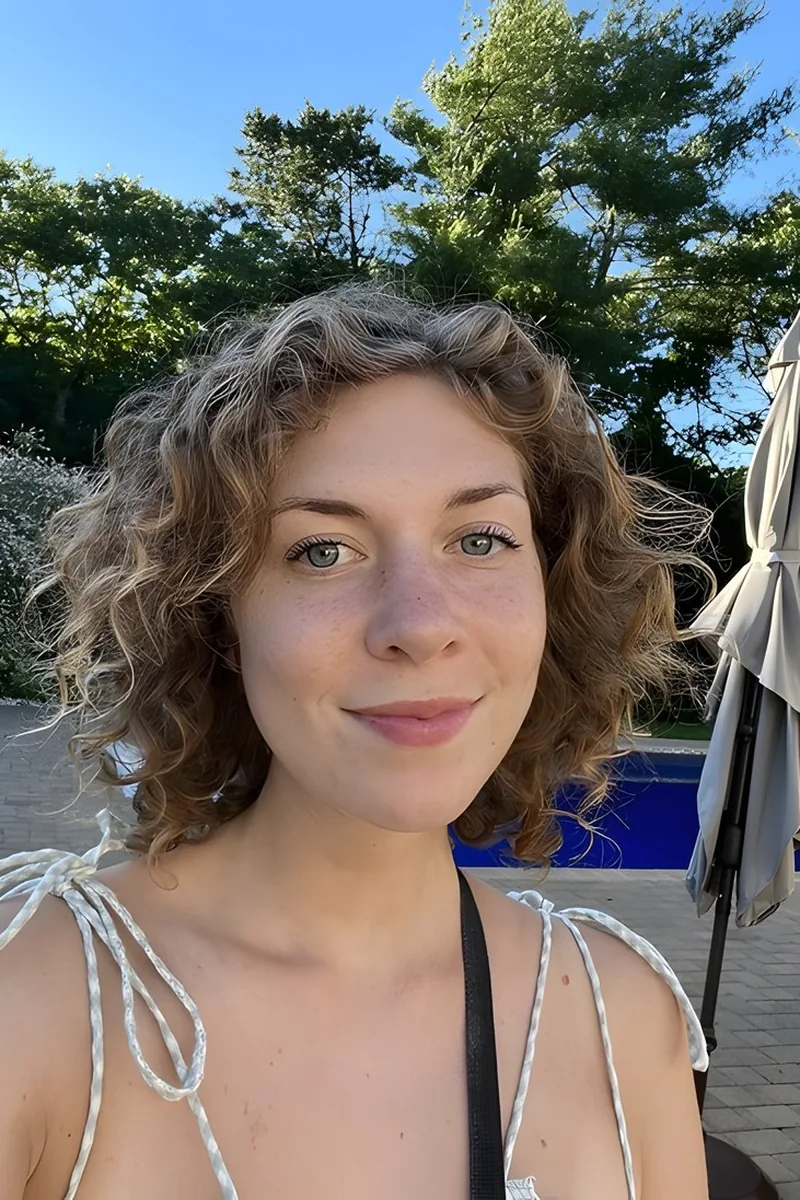
DNA replication, transcription, and translation each involve a cascade of enzymes and regulatory elements that can blur together fast. Zosia's triple-science background at Yale — including chemistry — gives her a molecular-level lens for explaining everything from gene expression to PCR technique. She connects each mechanism back to its chemical logic so the details actually stick.
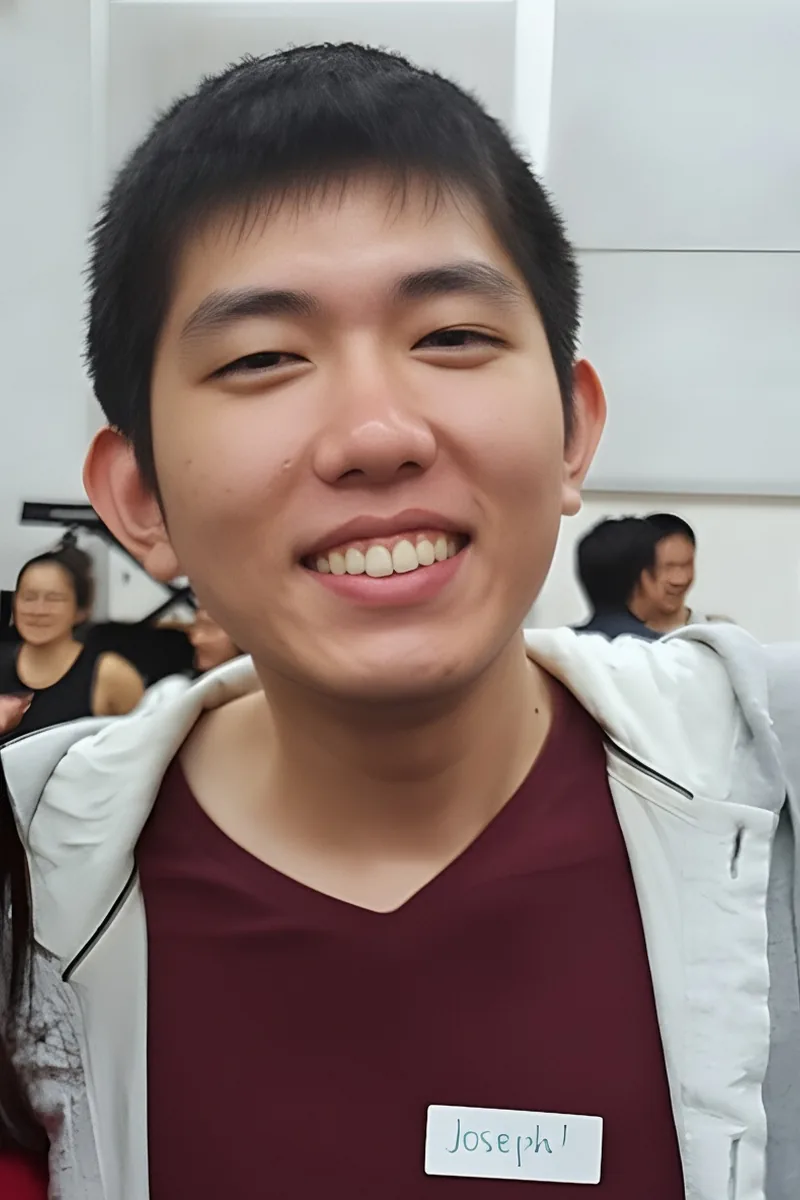
DNA replication, transcription, translation, gene regulation — molecular biology is essentially a course in information flow, and Joseph teaches it that way. His biology degree from UCLA and current Yale public health research mean he can explain techniques like PCR, gel electrophoresis, and CRISPR with the fluency of someone who's actually used them. Students come away understanding not just what happens at the molecular level, but how scientists figured it out.
From central dogma basics to the nuances of gene regulation, epigenetics, and recombinant DNA technology, Emily's concentration in Cell and Molecular Biology at Duke means she spent years immersed in this material at a research level. She unpacks dense topics like transcription factor binding, post-translational modification, and CRISPR mechanisms by walking through each step rather than expecting students to absorb diagrams passively. Rated 5.0 by students.
DNA replication, transcription, and translation are the backbone of molecular biology — but the real challenge is understanding how gene regulation, post-translational modifications, and signal transduction tie those processes together. Abrahim's biology degree from UCLA and ongoing medical training mean he can connect molecular mechanisms to real clinical outcomes, making abstract pathways feel concrete and relevant.
DNA replication, transcription, translation, gene regulation — molecular biology is essentially the operating manual for life, and Kruti studied it at the deepest level through her genetics and genomics concentration at Northwestern. She connects each molecular mechanism to its downstream biological effect, so students understand not just what happens but why a point mutation or epigenetic change matters. That perspective carried directly into her medical coursework, giving her a clinical lens on molecular concepts.
As a molecular biology major at Princeton, Stephanie lives in this material — DNA replication machinery, gene expression regulation, PCR design, and protein folding are her daily coursework, not distant textbook topics. She also tutors biology at Princeton's on-campus center, which means she's practiced at explaining concepts like transcription factor binding and epigenetic modification to students encountering them for the first time. That combination of deep knowledge and teaching experience is hard to find.
DNA replication, transcription regulation, and techniques like PCR and gel electrophoresis form the core of molecular biology — and they're concepts Rithi has used hands-on through her biotechnology master's work. She unpacks each mechanism step by step, connecting enzyme function to experimental design so students understand not just what happens but why each step matters.
DNA replication, transcription, translation, gene regulation — molecular biology is essentially learning a cell's operating system at the code level. As a pre-med student at Duke, Caitlin digs into these processes by connecting molecular pathways to bigger biological outcomes, which makes dense material like operon models and signal transduction easier to retain for exams.
Most molecular biology courses pile on enzymes, regulatory elements, and pathway details faster than students can organize them — and Steven's approach is to slow down and build each process as a cause-and-effect story rather than a list. His background in human development sharpens his ability to read when a concept isn't landing and adjust explanations on the fly, whether the topic is operon regulation, mRNA splicing, or signal transduction. Rated 4.9 by students.
Working in a genome editing lab at Rice gave Emmanuel a ground-level view of DNA replication, transcription regulation, and CRISPR-based techniques that most tutors only know from slides. He teaches molecular biology by linking each mechanism — splicing, translation, gene expression control — back to the experimental logic that discovered it, which makes the material far easier to retain.
Designing nanoparticles that target bacterial infections meant Michelle spent years thinking about gene expression, protein folding, and receptor-ligand interactions at the molecular level. She connects abstract concepts — transcription regulation, post-translational modifications, CRISPR mechanisms — to the experimental logic that makes them easier to internalize and recall on exams.
DNA replication, transcription, translation, gene regulation — Molecular Biology demands that students track information flow at a level of detail most haven't encountered before. Kelsey's degree is specifically in Cellular and Molecular Biology, so she digs into the enzymology and structural logic behind each process rather than glossing over the "why." She's rated 5.0 by her students.
DNA replication, transcription, and translation involve dozens of enzymes and regulatory steps that blur together in a textbook. Madhura unpacks each mechanism by connecting it to the underlying chemistry — hydrogen bonding in base pairing, phosphodiester bond formation, codon-anticodon recognition — so students can reason through unfamiliar questions instead of relying on rote recall.
DNA replication, transcription, translation, gene regulation — molecular biology is essentially a course in information flow, and the details pile up fast. Katelyn approaches each process mechanistically, walking through the enzymes and steps involved so students can reconstruct pathways from logic rather than rote memory. Her related training in molecular genetics and cell biology means she can clarify how these molecular events play out in living systems.
I'm a current medical student at VCU School of Medicine, and a graduate of Johns Hopkins University. I received my Bachelor of Science in Molecular and Cellular Biology. I've had the pleasure of tutoring a diverse range of students for 5 years; while I tutor a broad set of subjects, I'm most passionate about biology, psychology, and chemistry. I'm a big proponent of ensuring understanding over memorization and teaching concepts that last for years to come (particularly for other students interested in medicine!) In my free time, I love to write poetry, edit essays, and gush about game writing with friends.
DNA replication, transcription, translation, gene regulation — molecular biology demands that students hold an entire central dogma in their heads while zooming into enzyme-level details. Felix studied microbiology at the college level and served as a university TA, so he's spent years explaining processes like PCR, gel electrophoresis, and protein folding to students encountering them for the first time. He's rated 5.0 by the students he's worked with.
DNA replication, transcription, translation, gene regulation — molecular biology is essentially a course in information flow, and every detail matters. Robin earned her biology degree before completing a medical program, so she's internalized these pathways at a level where she can explain the logic behind each enzyme and regulatory step without just pointing at a textbook figure.
Studying evolutionary anthropology at Duke meant spending serious time with DNA replication, gene expression, and protein synthesis — the core machinery of molecular biology. Benjamin connects these processes to real organisms (including Duke's own lemur colony) in a way that makes transcription and translation feel less like memorizing acronyms and more like following a story.
DNA replication, transcription, translation, gene regulation — molecular biology is essentially a story about information flow, and Leah knows that story inside and out. Her Johns Hopkins degree is specifically in molecular and cellular biology, and her PA training reinforced how these molecular processes connect to disease and therapeutics. She unpacks complex pathways by tracing each step's logic rather than expecting students to memorize diagrams wholesale.
DNA replication, transcription, translation, gene regulation — molecular biology is essentially a series of molecular machines doing precise jobs, and Aleksandar teaches it that way. His Molecular and Cell Biology concentration at Penn gave him deep fluency with techniques like PCR, gel electrophoresis, and cloning that often confuse students encountering them for the first time. He connects each mechanism to the experimental methods used to discover it, which makes the material far more intuitive.
Joshua studied Human Biology at Stanford with a concentration that wove together bioengineering and bioethics, giving him deep exposure to molecular-level processes like gene expression, signal transduction, and protein folding. He teaches these pathways by linking each mechanism to a bigger biological question — why a mutation causes disease, or how CRISPR edits a specific locus — so the details anchor to something memorable.
DNA replication, transcription, translation, gene regulation — molecular biology requires students to think in mechanisms that span multiple scales at once. Mitchell's neuroscience training gave him extensive practice with techniques like PCR, gel electrophoresis, and gene expression analysis, so he teaches the subject with both conceptual depth and lab-level familiarity.
DNA replication, transcription, and translation each involve dozens of enzymes and regulatory steps that blur together fast in a lecture hall. Masooma walks through each molecular process as a narrative — what happens first, what triggers the next step, and what goes wrong when a mutation disrupts the sequence. Her science coursework alongside her University of Chicago graduate work gives her the cross-disciplinary perspective to connect molecular biology to genetics, disease, and lab techniques.
DNA replication, transcription, and gene regulation all follow a mechanical logic that becomes intuitive once you see the pattern. Rohan unpacks molecular biology by walking through each process step by step — from promoter binding to post-translational modification — so students can reconstruct pathways on their own during exams.
DNA replication, transcription, translation, gene regulation — molecular biology is essentially a series of molecular machines doing precise jobs, and Avni teaches it that way. Her biology degree from Case Western Reserve gave her deep exposure to topics like PCR, gel electrophoresis, and CRISPR mechanisms. She connects each technique back to the underlying molecular logic so students can reason through unfamiliar problems on exams.
Nicole's Duke graduate program is literally called Cellular and Molecular Biology, so concepts like transcription regulation, DNA replication fidelity, and post-translational modification aren't just exam topics — they're her research. She teaches molecular biology by walking through each process mechanistically, showing students how one step drives the next.
DNA replication, transcription, translation, gene regulation — molecular biology is essentially a story about information flow, and Karista knows that story inside and out. She earned her BS in Biochemistry and went on to teach molecular biology lab sections at the university level, so she can walk through everything from PCR primer design to operon models with real experimental context behind each concept.
I am a PhD student at Johns Hopkins Bloomberg School of Public Health. In 2025, I completed my Masters of Science student at Georgetown University studying Infectious Disease with a 4.0 GPA. In 2024, I graduated from Vanderbilt University with my bachelors degree as a triple major in Molecular and Cellular Biology, Political Science, and Communications of Science and Technology. While at Vanderbilt, I was a Teaching Assistant in both the Department of Biology where I taught Introduction to Biology, and the Department of Political Science where I worked with students studying Middle East Politics. In these roles, I directly engaged with students to enhance their comprehension of each subject, refine their written communication abilities, and bolster their note-taking and test-taking skills. I was also captain of Vanderbilt's Debate Team for two years and am extremely passionate about effective communication and respectful discourse. In this role, I taught college and elementary school students the art of argumentation and debate while emphasizing the significance of public speaking in contemporary society. While I am qualified to tutor a broad range of subjects and students, I am most passionate about tutoring mathematics and science. Through my experience as a high school tutor and college teaching assistant, I've directly observed the challenges students face in grasping these subjects, particularly at early education levels or among those with learning differences. Without sufficient practice and assistance, students can fall behind and lose their love of learning. I firmly believe that our natural curiosity and love of learning should be harnessed in the classroom, not dampened down. In pursuit of this, I encourage creative thinking and problem-solving and use various pedagogy techniques, such as active recall, to engage students in my classroom and tutoring sessions. I try to instill in all of my students that they are capable of great things and that learning is beautiful, because I truly believe that it is. I have been a tutor for over seven years, and have just reached my one-year anniversary with Varsity Tutors. I am excited to work with you and your child to unlock their fullest potential both inside and outside the classroom!
I am highly praised by my students and supervisors. Even today I still kept the communication with many students.
DNA replication, transcription, translation, gene regulation — molecular biology is a subject where every detail seems to depend on every other detail. Dan's Master's research in plant biology and his coursework in molecular genetics gave him deep, hands-on familiarity with techniques like PCR, gel electrophoresis, and cloning, so he explains both the concepts and the lab methods behind them.
I am an enthusiastic and diligent Pharmacist with a real passion for healthcare; with seven years' experience in most areas of practice in healthcare, from patient care in hospital, clinical research and lecturing in medical college.
DNA replication, transcription, and translation each have dozens of moving parts that blur together if you're just memorizing names. Liana unpacks molecular biology by tracing the logic of each process — why the lagging strand needs Okazaki fragments, how promoter sequences determine gene expression, what post-translational modifications actually do. Her biological sciences coursework keeps these topics sharp and current.
DNA replication, transcription, and translation aren't just processes to memorize — they're interconnected systems that make sense once you see the logic behind each step. Jack's biomedical engineering master's from Michigan gave him deep fluency with gene expression, PCR, and protein folding, and he connects these molecular concepts to real biomedical applications that make them click.
From DNA replication and transcription to gene regulation and CRISPR, molecular biology sits at the intersection of Marc's two worlds — his biochemistry degree and his current medical research. He unpacks processes like translation and post-translational modification by tracing each step mechanistically, so students understand the 'why' behind every diagram.
DNA replication, transcription, and translation involve so many enzymes and directional details that students often lose the big picture in the details. Chantelle unpacks molecular biology by first establishing what each process accomplishes, then layering in the specifics — an approach shaped by her own pre-med studies in public health at UT Austin.
DNA replication, transcription, translation, gene regulation — molecular biology is essentially an information-processing course disguised as a life science. Yaajnavalki's biomedical engineering training required him to understand these molecular pathways at a quantitative level, and he unpacks each mechanism by tracing the flow of genetic information step by step so students see the logic instead of drowning in vocabulary.
DNA replication, transcription, translation, gene regulation — molecular biology has a lot of moving parts that students need to visualize in sequence. Oliver's MCD Biology degree from CU Boulder means he can walk through central dogma processes step by step, connecting each enzyme and regulatory element to the bigger picture of gene expression.
DNA replication, transcription, translation, gene regulation — molecular biology demands that students track information flow at a level of detail that can feel overwhelming. Arianna's neuroscience research background at Dartmouth required her to think in exactly these terms, and she teaches molecular pathways by building them step by step rather than presenting them as finished diagrams to memorize.
DNA replication, transcription, and translation sound straightforward in a lecture but get complicated fast once students face questions about gene regulation, post-translational modifications, or experimental techniques like PCR and gel electrophoresis. Alan's biology degree with a forensic science minor means he's applied many of these molecular tools firsthand, so he explains them with the kind of specificity that textbook summaries often lack.
DNA replication, transcription, and translation sound straightforward until a professor asks you to predict what happens when a specific polymerase is mutated. Pallavi digs into molecular biology at the mechanistic level, drawing on her neurobiology and master's training to explain not just what each enzyme does but why its structure dictates its function.
Testimonials
Because the right Molecular Biology tutor makes all the difference.
Average Session Rating – Based on 3.4M Learner Ratings
Top 20 Science Subjects


Top 20 Subjects
Frequently Asked Questions
Molecular biology involves complex processes like transcription, translation, and DNA replication that are easy to memorize but hard to truly grasp. Personalized tutoring helps by breaking down these mechanisms step-by-step, using visual models and real examples to show how each component works together. A tutor can ask you to explain concepts in your own words, predict outcomes of mutations, or apply principles to new scenarios—techniques that build deep understanding rather than surface-level recall. This approach not only improves your grades but also prepares you for exams and advanced coursework where conceptual understanding matters.
Abstract processes like DNA unwinding, protein synthesis, and enzyme catalysis are difficult to picture without guidance. Expert tutors use multiple strategies to make these invisible processes concrete: interactive models, step-by-step drawings, analogies to everyday situations, and even virtual simulations. By working through these visualizations repeatedly and testing your understanding with practice problems, your brain builds stronger mental models. This hands-on approach transforms confusing abstract concepts into clear, visual pictures you can actually see and explain to others.
The gap between classroom theory and lab practice can be frustrating—you understand the concepts but struggle to design experiments or interpret results. Personalized instruction bridges this gap by having you apply theory to real experimental scenarios: predicting gel electrophoresis results, troubleshooting PCR reactions, or interpreting data from your own lab work. Tutors can also help you develop the scientific reasoning skills needed to design experiments properly, understand why procedures matter, and think critically about results. This connection makes both your lab work and theory exams stronger.
Students typically struggle with three major areas: (1) understanding gene expression pathways and how they're regulated, (2) mastering nucleic acid and protein chemistry without getting bogged down in memorization, and (3) interpreting molecular biology data and experiments. Personalized tutoring addresses each by first diagnosing exactly where your understanding breaks down, then using targeted strategies—whether that's breaking pathways into smaller steps, connecting chemistry to biological function, or practicing data interpretation with real examples. This focused approach is much more efficient than trying to study everything equally.
The best molecular biology tutors combine subject expertise with the ability to explain complex concepts clearly. They should be comfortable with both the theoretical foundations (molecular mechanisms, chemistry) and practical applications (lab techniques, data analysis). Look for tutors who ask questions to understand your specific challenges, can draw or use visuals to explain concepts, and adapt their teaching to your learning style. Varsity Tutors connects you with experienced tutors who excel at making molecular biology accessible while building the critical thinking skills you need for advanced coursework and science careers.
Effective exam prep goes beyond cramming facts. A tutor helps you create a study plan that targets your weak areas, practice explaining mechanisms out loud, work through past exam questions to identify patterns, and develop strategies for different question types. For molecular biology specifically, this means spending less time on pure memorization and more time on understanding how concepts connect and how to apply them to novel situations—which is what exams actually test. Regular practice and feedback from a tutor will help you build confidence and improve your performance significantly.
Yes. Advanced topics in molecular biology require not just knowing facts, but understanding foundational principles deeply enough to apply them to cutting-edge science. Personalized instruction helps by building a solid foundation in core concepts first, then using that foundation to explore specialized areas. Whether you're studying gene editing technologies, protein folding and structure, or emerging therapies, a tutor can connect these advanced topics to fundamental molecular biology and help you read and understand primary literature. This is especially valuable if you're preparing for upper-level courses, research opportunities, or AP/IB exams.
Let’s find your perfect tutor
Answer a few quick questions. We’ll recommend the right plan and match you with a top 5% tutor.