Award-Winning Neuroscience
Tutors
Neuroscience
Tutors
Private 1-on-1 tutoring, weekly live classes for academic support, test prep & enrichment, practice tests and diagnostics, and more to elevate grades and test scores.
Based on 3.4M Learner Ratings
UniversitiesSchools & Universities
DeliveredHours Delivered
ProficiencyGrowth in Proficiency
Who needs tutoring?
No obligation. Takes ~1 minute.
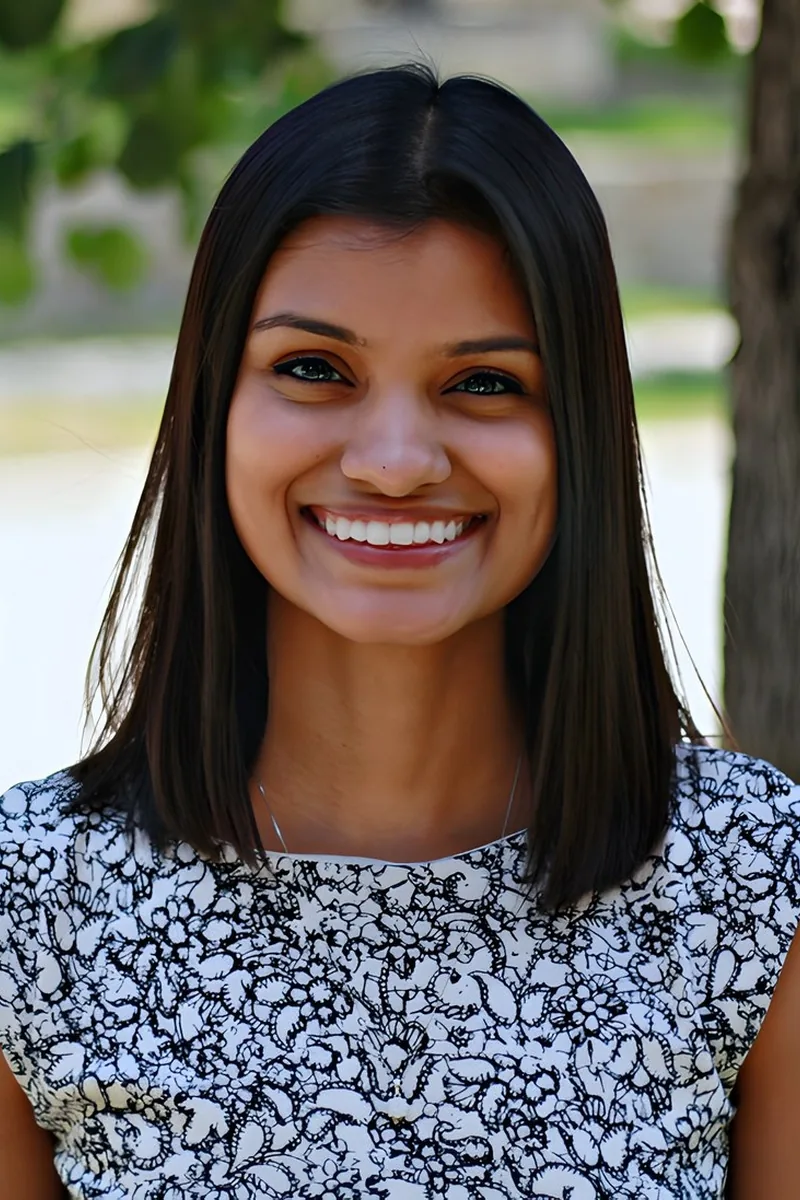
A cognitive science and biochemistry double major from Rice who's now in her fourth year at Baylor College of Medicine, Sugi bridges the gap between molecular neuroscience and the higher-level cognitive frameworks that make the field click. She breaks down topics like receptor pharmacology and neural circuit architecture by drawing on both her bench-science training and her clinical rotations — so a concept like long-term potentiation isn't just a diagram but a mechanism she can trace from ion channel to memory formation. Rated 5.0 by students.
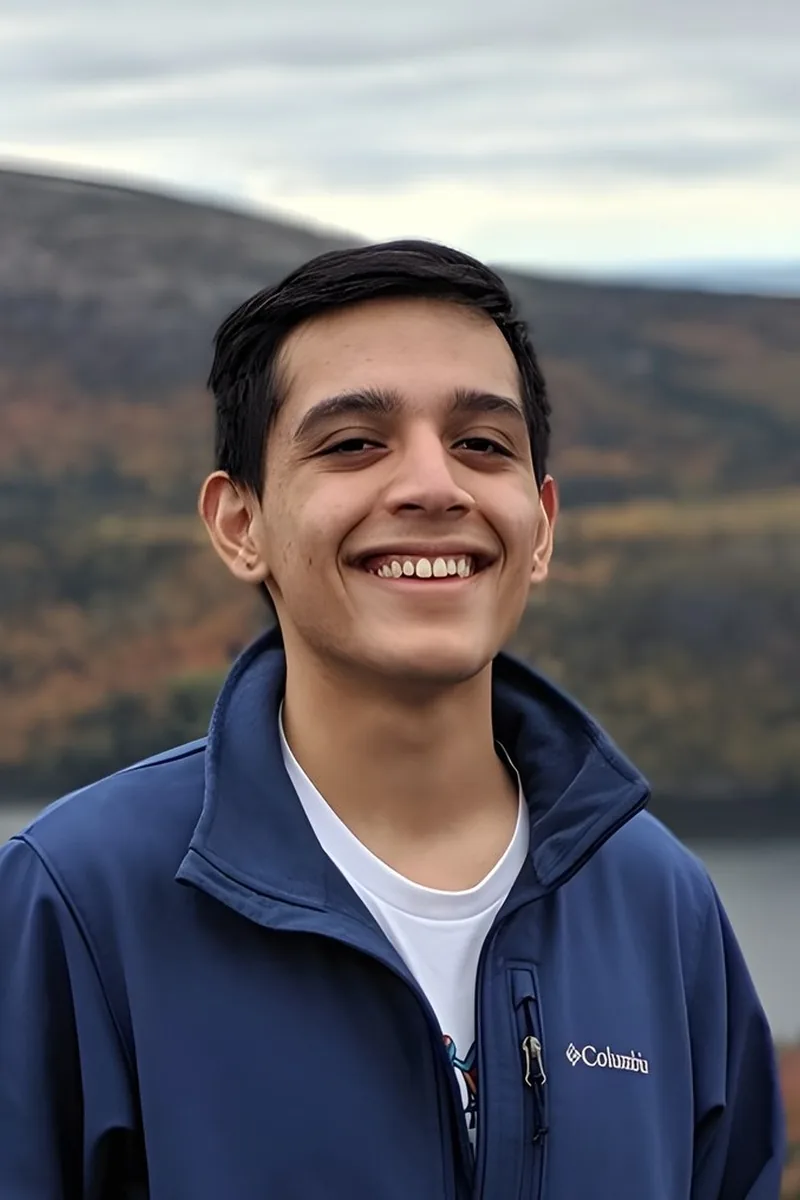
A cognitive science degree puts Ivan at the intersection of psychology, biology, and computation — exactly where modern neuroscience lives. He digs into topics like synaptic plasticity, neural circuit architecture, and the biological basis of memory with the kind of cross-disciplinary fluency the field demands.
This is Emily's home turf. As a neurobiology major at Penn, she digs into action potentials, synaptic transmission, neuroanatomy, and neural circuit function every day — and she's genuinely excited to talk about how the brain processes sensory information or forms memories. Students get someone who can explain everything from ion channel kinetics to broader systems-level concepts with real clarity.
Currently pursuing a Master's in Physiology at UIC while conducting child development research, Gloria lives neuroscience daily — from synaptic transmission and neuroplasticity to the molecular pathways behind learning and memory. She unpacks complex topics like action potentials, neurotransmitter systems, and brain imaging methods with the depth of someone actively working in the field. Rated 5.0 by students.
Studying the Biological Basis of Behavior at Penn means Natalie lives in neuroscience — from synaptic transmission and action potentials to the neural circuits underlying memory and decision-making. She explains complex pathways by grounding them in real clinical and research examples, making dense material like neuroanatomy and neuropharmacology easier to retain. This is her home subject, and it shows.
Lauren studies neuroscience at Duke and conducts research in the Bilbo lab on neuroimmune interactions during brain development — so she teaches this subject from the inside. She unpacks everything from action potential propagation and synaptic plasticity to glial cell function with the kind of detail that comes from working with these concepts in a lab every week.
Adam earned his B.A. in Cognitive Sciences from Rice University, where he studied neural mechanisms underlying perception, memory, and decision-making. That firsthand academic grounding means he can walk through topics like synaptic transmission, neuroplasticity, and brain imaging methods with the kind of clarity that comes from genuine fluency rather than surface-level review.
Having earned her B.S. in Neuroscience, Maedeh knows the field from the inside — not just the textbook diagrams but the way concepts like neural signaling, cortical mapping, and sensory integration actually fit together when you're deep in the coursework. She approaches the material by building each topic from its underlying biology outward, so students grasp why a mechanism works before worrying about memorizing every detail. Rated 5.0 by students.
A Vanderbilt neuroscience graduate, Nathan digs into the subject from synaptic transmission and action potentials all the way through systems-level topics like sensory processing and neural plasticity. He connects molecular mechanisms to broader brain function, which is exactly the kind of multi-scale thinking neuroscience courses demand.
Julie earned her B.S. in Neuroscience and then won a Marshall Scholarship — so she's tackled everything from neural signaling and synaptic plasticity to the cognitive frameworks that connect brain structure to behavior at an advanced research level. She walks through topics like neurotransmitter systems and sensory pathways by building from the underlying biology outward, drawing on her dual training in neuroscience and French to make even dense scientific terminology feel approachable. Rated 5.0 by students.
A PhD in Neuroscience makes Elliot one of those rare tutors who can teach this subject from the inside out — from ion channel biophysics and synaptic plasticity to systems-level topics like sensory processing and memory consolidation. He connects molecular mechanisms to brain-wide function, which is exactly the kind of multi-scale thinking neuroscience courses demand.
Saniya earned her B.S. in Neuroscience from Rhodes College and has continued auditing graduate-level coursework in neuroanatomy, organ systems, and embryology since graduating. That means she's not just recalling old material — she's actively engaged with topics like synaptic transmission, neural circuitry, and CNS development. She tackles everything from action potential mechanics to higher-level systems neuroscience with the depth of someone still immersed in the field.
Studying neuroscience means juggling ion channel biophysics, synaptic transmission, neuroanatomy, and computational models all at once. Rithi earned her bachelor's in neuroscience and continued into neurobiology-heavy research, so she can walk through everything from action potential propagation to fMRI data interpretation with the specificity the subject demands. Her 4.9 rating speaks to how clearly she breaks down these layered topics.
As a Vanderbilt neuroscience graduate who earned Highest Honors and now works as a neuroimaging analyst, Hailey lives this subject daily. She unpacks everything from action potential propagation and synaptic plasticity to fMRI methodology with the fluency of someone who reads primary literature as part of her job. Students studying neuroscience at any level get a tutor whose knowledge is current and research-grounded.
Kahini is a neuroscience PhD student at Columbia who previously spent three years in a UPenn lab, transitioning from behavioral research into computational neuroscience and software engineering. She digs into topics from synaptic plasticity and neural circuit modeling to the statistical methods that underpin modern brain imaging — covering both the biological and quantitative sides of the field.
What hooked Alex on neuroscience was seeing how the brain's wiring explains everything from motor planning to memory — and that fascination led to a neurorehabilitation specialization in Washington University's Occupational Therapy Doctorate program. With a psychology degree and neuroscience minor from the University of Minnesota, she teaches topics like cortical mapping, sensory integration, and neural plasticity by grounding them in the functional outcomes that make the material feel urgent and real. Rated 5.0 by students.
Emmanuel studied Behavioral Biology at Johns Hopkins and conducted research in a computational neuroscience lab there, so topics like synaptic transmission, neural circuit modeling, and sensory processing aren't abstract to him — they were his daily work. He unpacks complex pathways by connecting molecular-level events at the synapse to the large-scale brain functions students are trying to understand. His 5.0 rating speaks to how clearly he makes those connections land.
Pursuing a PhD in clinical neuropsychology means Hidefusa lives inside the brain-behavior relationship every day — from neural circuitry and neurotransmitter systems to how lesion studies reveal functional organization. He unpacks dense topics like action potentials, synaptic plasticity, and cortical mapping by tying them to clinical cases and research findings that make the biology tangible.
Marilyn's undergraduate degree in Biological Basis of Behavior is essentially a neuroscience degree — she studied synaptic transmission, neural circuitry, and brain-behavior relationships in depth. She unpacks topics like action potential propagation and neurotransmitter pathways by tying molecular-level detail to the larger question of how the nervous system produces behavior.
This is Samantha's home turf — she's pursuing a neuropsychology degree at Princeton, where she studies everything from synaptic transmission and neural plasticity to the biological underpinnings of cognition and behavior. She unpacks complex pathways like dopaminergic signaling or long-term potentiation by tying them to real clinical and experimental examples. Students get a tutor who genuinely lives this material every day.
A psychology degree with neuroscience depth means Katelyn learned this material from both the behavioral and cellular sides — how ion channels produce action potentials *and* how those signals translate into cognition and behavior. She unpacks topics like synaptic transmission, neurotransmitter systems, and brain region function by tying molecular details to the bigger picture of how the nervous system actually works. That dual perspective makes dense material far more intuitive.
Studying neuroscience in a medical program means learning synaptic transmission, neuroanatomy, and neuroplasticity with clinical stakes attached — Robin brings that depth to every session. She tackles topics like action potential propagation and neurotransmitter pathways by grounding them in real patient scenarios, from how SSRIs alter serotonin reuptake to why lesions in Broca's area affect speech production.
Anna's psychology degree from Franklin and Marshall gave her deep exposure to neuroscience fundamentals — neurotransmitter pathways, brain anatomy, and the biological basis of behavior. Now studying clinical social work with a pediatric psychiatry concentration at the University of Chicago, she connects concepts like synaptic plasticity and neural development to real clinical cases she encounters at Lurie Children's Hospital.
Jordan earned her B.S. in Neuroscience before completing medical school, so she's lived this material from both the research and clinical sides. Whether the topic is synaptic transmission, neuroanatomy, or the molecular basis of memory, she unpacks dense mechanisms by tying them to real patient cases and experimental findings that make the science stick.
Rachael earned her B.S. in Neuroscience from the University of Pennsylvania, where she studied everything from synaptic plasticity and neurotransmitter pathways to computational models of brain function. She unpacks dense topics like long-term potentiation and neural circuit architecture by tying them back to real experimental findings, making the material stick. Her 5.0 rating speaks to how clearly she communicates even the most technical content.
Mitchell earned his B.S. in Neuroscience, so the full stack — from ion channel biophysics and synaptic transmission up through systems-level neuroanatomy — is material he studied firsthand, not picked up secondhand. He walks students through mechanisms like long-term potentiation or neurotransmitter reuptake by building each concept from its molecular components before zooming out to circuit-level function. A 34 ACT composite also means he knows how to break down high-stakes material under pressure.
Emad's medical training spans both an MD and a doctorate in podiatric medicine, giving him deep exposure to neuroanatomy, synaptic transmission, and sensory-motor pathways. He unpacks complex topics like action potential propagation and neurotransmitter receptor pharmacology by tying them to clinical cases he's actually encountered. Rated 5.0 by students.
Currently pursuing graduate work in health sciences, Amelia digs into neuroscience topics like synaptic transmission, neural circuitry, and the molecular basis of memory with the detail they demand. She connects cellular-level processes — action potentials, neurotransmitter release, receptor pharmacology — to broader questions about how the brain produces behavior, making dense material easier to organize and retain.
As a neuroscience minor at Texas A&M on a pre-med track, Paris is actively immersed in the material — from synaptic transmission and neural circuitry to the neuroanatomy of memory and emotion. She unpacks dense topics like action potentials and neurotransmitter pathways by connecting them to the psychology concepts students often already know. That dual lens makes the molecular detail feel less intimidating and more intuitive.
Studying neuroscience in medical school means Sanjul didn't just memorize action potentials and neurotransmitter pathways — he applied them to real clinical cases in neurology rotations. He unpacks dense topics like synaptic transmission, neural circuitry, and CNS anatomy through diagrams and spatial models that make the wiring of the brain easier to visualize.
Studying neuroscience at UIC means Humza lives this material daily — from synaptic transmission and neuroplasticity to the neuroanatomy of sensory pathways. He unpacks dense topics like action potential propagation and neurotransmitter receptor dynamics by linking molecular-level detail to the bigger picture of how the brain produces behavior. Rated 4.8 by students.
Currently studying the brain at Harvard with a computational science focus, Alliyah approaches neuroscience from the quantitative side — modeling neural activity, analyzing signal processing in circuits, and understanding how computational methods illuminate everything from synaptic dynamics to large-scale brain networks. That programming fluency in Python and MATLAB means she can walk students through both the biology and the data analysis techniques increasingly central to modern neuroscience coursework.
Studying both biochemistry and psychology gave Nathaniel a dual lens on neuroscience — he understands the molecular machinery of synaptic transmission as well as the systems-level questions about cognition and behavior. Whether the topic is action potentials, neurotransmitter pathways, or neuroplasticity, he unpacks the biology and connects it to the bigger picture of how the brain produces experience.
Arianna earned her B.S. in Neuroscience from Dartmouth, which means topics like synaptic transmission, neuroanatomy, and action potential propagation aren't abstract textbook material — they're the core of her academic training. She teaches the subject by linking molecular-level mechanisms to systems-level function, making dense material like long-term potentiation or basal ganglia circuitry click into place.
Earning her B.S. in Neuroscience and preparing for medical school, Molly is steeped in the discipline — from synaptic transmission and neuroplasticity to the imaging techniques used in current research. She unpacks dense topics like action potential propagation and neurotransmitter pathways by tying molecular-level detail to the bigger picture of how the brain produces behavior. Her 5.0 rating speaks for itself.
As a postdoctoral researcher at Duke studying synapse formation and a former PhD student using genomics to investigate synaptic communication, Kristina teaches neuroscience from the inside out. She has designed and led university courses in neurophysiology and techniques in neurobiology, covering everything from action potential propagation and neurotransmitter release to circuit-level function. Students get someone who can explain both the molecular detail and the big-picture significance.
Pursuing a PhD in neuropsychology, William lives and breathes neuroscience — from synaptic transmission and neurotransmitter pathways to the structure-function relationships of cortical regions. He unpacks dense topics like long-term potentiation and neural plasticity by tying them to real clinical cases and research findings. Students get someone who's actively building a career in this field, not just reviewing a textbook.
Rosemary holds a Bachelor of Science in Neuroscience, which means topics like synaptic transmission, neuroanatomy, and action potential propagation aren't textbook abstractions for her — they're material she studied in depth. She's particularly strong at connecting molecular-level mechanisms to broader questions about brain function and behavior, making dense content feel more intuitive. Her 4.9 rating speaks to how clearly she communicates complex material.
As a current medical student with a biology degree, Kaitlyn digs into neuroscience topics like synaptic transmission, neuroanatomy, and action potential physiology with the clinical context that makes them stick. She connects molecular-level details to big-picture brain function, which is especially useful for students preparing for upper-level or pre-med neuro courses.
As a neuroscience major preparing for medical school, Tetyana has spent years immersed in topics like synaptic transmission, neuroanatomy, and the molecular basis of learning and memory. She explains dense material — action potentials, neurotransmitter pathways, cortical mapping — by tying each mechanism back to observable behavior. That ability to bridge cellular detail and big-picture function is exactly what makes neuroscience click.
Testimonials
Because the right Neuroscience tutor makes all the difference.
Average Session Rating – Based on 3.4M Learner Ratings
Top 20 Science Subjects



Top 20 Subjects
Frequently Asked Questions
Neuroscience involves complex systems—from ion channels to neural networks—that require deep understanding, not rote memorization. A tutor can break down how concepts connect: explaining why action potentials work the way they do, how neurotransmitters affect behavior, or how brain regions interact functionally. By working through practice problems, case studies, and real-world applications together, you build the conceptual framework that makes memorization unnecessary and helps you apply knowledge to new situations on exams and in research.
Abstract visualization is one of neuroscience's biggest challenges. A tutor can work with you using diagrams, 3D models, animations, and step-by-step walkthroughs to make invisible processes tangible. For example, they might help you trace the path of a signal across a synapse, visualize how myelin speeds up conduction, or map out neural circuits. By repeatedly engaging with these structures from different angles—drawing them yourself, labeling them, and explaining them aloud—your brain builds the spatial understanding needed to ace exams and understand research papers.
Lab success depends on understanding both the science and the method. A tutor can help you grasp why experiments are designed a particular way, what controls matter and why, and how to interpret data. Whether you're learning electrophysiology, neuroimaging, or behavioral assays, a tutor can walk you through the logic: What question is the experiment answering? What confounding variables exist? How do you know your results are significant? This conceptual foundation makes lab work more intuitive and helps you contribute meaningfully to research.
Students often struggle with: (1) integrating information across systems—understanding how neurotransmitters, receptors, and behavior all connect; (2) interpreting research papers with statistical and technical language; (3) applying concepts like synaptic plasticity or neural development to unfamiliar scenarios; and (4) balancing breadth with depth in a field that spans molecules to behavior. A tutor helps you develop a mental framework that ties concepts together, teaches you how to read scientific literature, and gives you strategies for tackling novel problems with confidence.
The best neuroscience tutors have strong backgrounds in biology, chemistry, or neuroscience itself—they understand the field deeply enough to explain why concepts matter and how they connect. Beyond content knowledge, look for someone who can adapt explanations to your learning style, use visuals and analogies effectively, and help you develop scientific reasoning skills, not just memorize facts. They should be comfortable with your specific challenges, whether that's understanding cellular mechanisms, interpreting data, or connecting theory to experiments.
With consistent tutoring, students typically see improvements in exam performance, deeper comprehension of complex systems, and stronger confidence tackling unfamiliar problems. Beyond grades, you develop the ability to read research papers, think critically about experimental design, and understand how neuroscience concepts apply to real-world questions about behavior, disease, and treatment. These skills are especially valuable if you're preparing for higher-level courses, research opportunities, or neuroscience-related careers.
The timeline depends on your goals and starting point. For exam preparation (midterms, finals, or cumulative exams), many students benefit from 1-2 sessions per week for 4-8 weeks. If you're building foundational understanding or tackling research-level neuroscience, longer-term tutoring (weekly sessions over a semester or year) helps you develop deeper mastery. Even a few focused sessions can clarify your biggest conceptual gaps and boost your confidence, but consistent, regular work yields the strongest results.
Let’s find your perfect tutor
Answer a few quick questions. We’ll recommend the right plan and match you with a top 5% tutor.