Award-Winning College Biology
Tutors
College Biology
Tutors
Private 1-on-1 tutoring, weekly live classes for academic support, test prep & enrichment, practice tests and diagnostics, and more to elevate grades and test scores.
Based on 3.4M Learner Ratings
UniversitiesSchools & Universities
DeliveredHours Delivered
ProficiencyGrowth in Proficiency
Who needs tutoring?
No obligation. Takes ~1 minute.
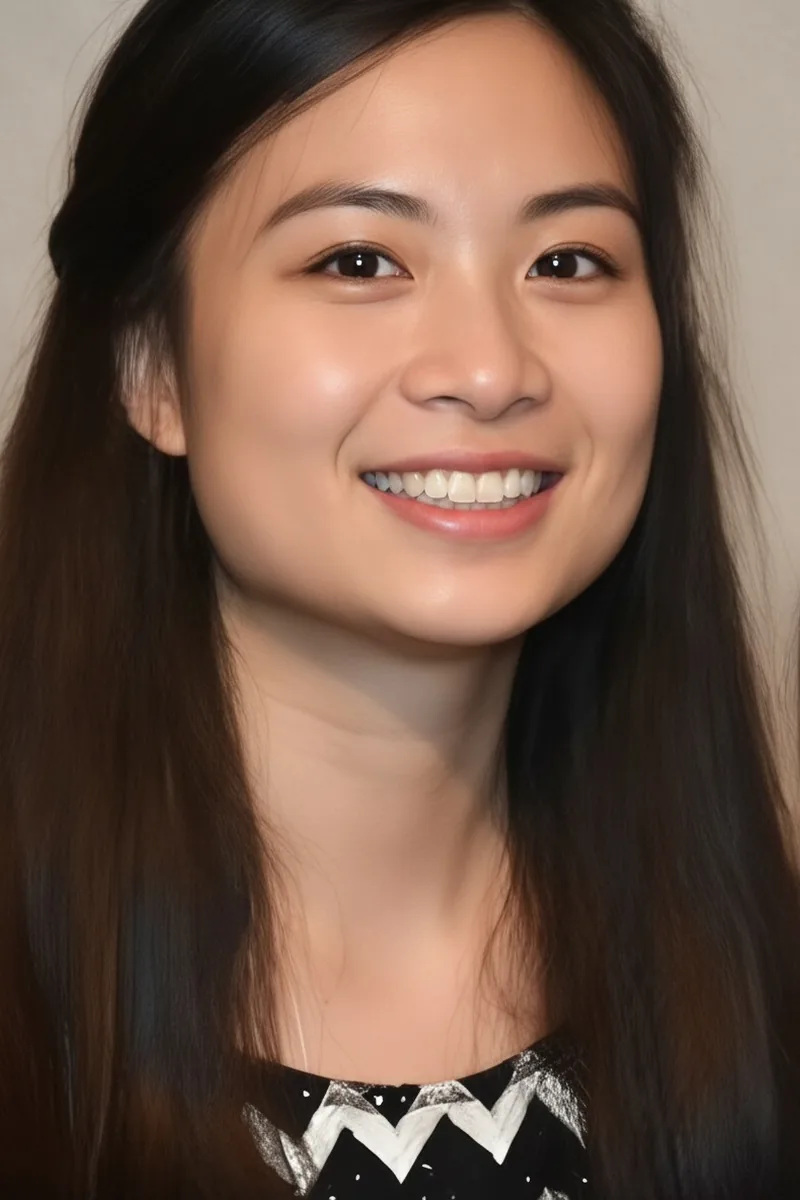
Second-year medical school at Baylor means Michelle is actively building on the college bio fundamentals — protein synthesis, cellular respiration, genetics — and can pinpoint exactly which details professors emphasize versus what students can safely skim. Her Rice biochemistry degree adds a molecular precision that's particularly useful when courses hit topics like enzyme regulation or the citric acid cycle, where understanding the chemistry underneath turns a memorization nightmare into something that actually makes sense.
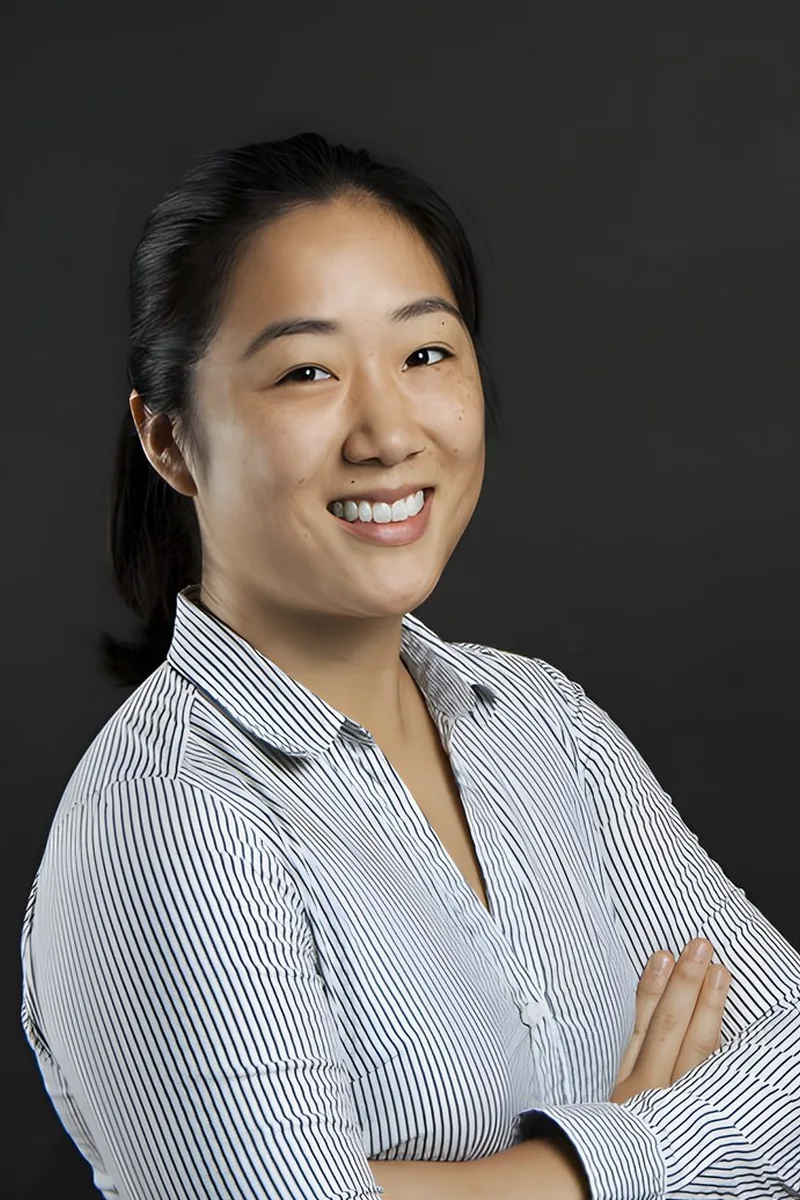
The density of college biology — enzyme kinetics, gene regulation, phylogenetics — demands more than rereading lecture slides. Asta tackles each unit by identifying the core mechanisms first, then layering on the details, so students can reason through unfamiliar exam questions instead of relying on recall alone.
Studying pre-health at Penn while holding a biology degree means Shayan has worked through the full college bio gauntlet — genetics, cell biology, physiology — and is now layering on the biochemistry and pharmacology that show how those foundational concepts actually function in clinical settings. He teaches in examples, turning something like the electron transport chain into a concrete, step-by-step story rather than a diagram to memorize. Rated 5.0 by students.
Three science bachelor's degrees and a medical doctorate mean Sydny has taken — and aced — the full gauntlet of college biology coursework, from genetics and cell biology through human physiology. She teaches students to reason through mechanisms like mitosis regulation or protein synthesis the way medical schools expect: by understanding the logic behind each step, not just labeling a diagram.
First-year med students remember which college bio topics actually matter on the other side — and Nishad, currently at Sidney Kimmel Medical College at Thomas Jefferson, brings that hindsight to subjects like microbiology, cellular physiology, and genetics that form the backbone of introductory and upper-level bio courses. His pre-med undergraduate training means he's recently worked through the same exams and lab practicals his students are facing, so he knows exactly which details professors test and which ones are safe to skim.
Cell signaling cascades, membrane transport, and gene expression regulation are the kinds of topics that click once someone explains *why* the mechanism matters, not just what it is. Josef served as an undergraduate teaching assistant at Cornell for introductory biology courses, so he knows exactly where students get tripped up — from mitosis details to enzyme kinetics. Rated 5.0 by students.
A dual degree in Cognitive Science and Biochemistry & Cell Biology from Rice, followed by medical school at Baylor, means Sugi has worked through college bio's core material twice — once as a student learning it and again as a clinician applying it. That double pass is especially evident when she teaches topics like cellular respiration or protein trafficking, where she can explain not just the mechanism but why it matters when something goes wrong. Holds a 5.0 rating.
Research in Yale's School of Medicine gives Ellie daily practice with the concepts that trip up most college bio students — protein folding, signal transduction cascades, and experimental design. She approaches each topic by walking through the underlying logic so that applying it to novel problems on exams feels intuitive rather than overwhelming.
Three years running a Cell Biology lab course at Notre Dame means Connor has watched hundreds of students struggle with the same sticking points — interpreting microscopy results, connecting experimental procedures to the broader concepts behind them — and he's built concrete ways to get past each one. His master's work in biomedical sciences at Loyola Chicago deepened that into biochemistry and physiology territory, so he can bridge the gap when college bio courses suddenly expect molecular-level explanations. Rated 5.0 by students.
College-level biology ramps up fast, especially when courses jump from introductory cell biology to dense material on signal transduction or molecular genetics. Helen is currently deep in Stanford's biology curriculum herself, which means she's recently tackled the same papers, problem sets, and exam formats her students are facing.
Studying biological sciences at the University of Chicago and then moving into nursing gave Kristin an unusual double pass through college bio material — first learning it as pure science, then relearning it through the lens of clinical application in her MSN program. That means she can explain something like the immune cascade or renal physiology both as a biologist would frame it for an exam and as a nurse would apply it at the bedside, which gives students two ways into the same concept. Rated 5.0 by students.
Once biology moves past the survey-course level, topics like gene regulation, metabolic pathways, and signal transduction require genuinely deep understanding. Garrett's biology degree, combined with his knowledge of anatomy, physiology, and microbiology, means he can walk through mechanisms at the molecular level and explain how they scale up to whole-organism function. He's especially effective at teaching students to interpret experimental data and research figures.
Cornell's biological engineering program forced Mary to learn college bio concepts — cell physiology, genetics, metabolic regulation — through the lens of quantitative modeling and systems design, which means she can explain why a feedback loop works the way it does, not just label its parts. She's currently pursuing a master's in biomedical engineering at Drexel, keeping her sharp on the molecular and cellular material that overlaps heavily with introductory and intermediate college bio courses. Rated 5.0 by students.
Teaching 10th-grade Biochemistry and 12th-grade Chemistry at a competitive Philadelphia magnet school means Kathleen spends her days bridging the gap between chemistry and biology — exactly the integration that college bio courses demand when students hit topics like protein folding, ATP synthesis, or nucleic acid structure. Her M.S.Ed from Penn and her chemistry degree give her the molecular fluency to explain why a reaction happens, not just that it does, which makes a real difference when college exams ask students to reason through unfamiliar scenarios. Rated 5.0 by students.
A double major in Economics and Molecular, Cellular, and Developmental Biology means Maggie didn't just take college bio — she lived in the MCDB curriculum, from developmental genetics to cellular ultrastructure, building the kind of fluency that lets her explain why a signaling cascade matters instead of just what it does. Now pursuing her MD at Stanford, she connects those foundational concepts to clinical relevance, which is especially useful for students struggling to see the bigger picture behind dense lecture material. Holds a 5.0 rating.
A cell and molecular biology concentration at Duke — topped with Summa Cum Laude honors — means Emily didn't just survey college bio topics; she dug deep into the mechanics of gene regulation, protein trafficking, and cellular signaling that most introductory courses only skim. Now in medical school at Columbia, she teaches those concepts with the clinical context that makes dense material like the lac operon or mitotic checkpoints feel purposeful rather than abstract. Rated 5.0 by students.
Upper-level biology courses demand a different kind of thinking — reading primary literature, interpreting gel electrophoresis results, and understanding experimental design. As a Yale biology graduate now entering Columbia medical school, Tony tackles these skills head-on, walking through papers and datasets the way his own professors taught him to analyze them.
Struggling with the jump from memorizing organelles to understanding metabolic pathways and gene expression at the college level is completely normal — the material demands a different kind of thinking. Matthew's daily work in a Yale biochemistry lab using tools like CRISPR-Cas9 means he can connect lecture concepts like enzyme kinetics and signal transduction to tangible experimental contexts that make them stick.
Studying Human Biology at Stanford with a concentration in health policy gives Jake a dual lens on college bio material — he understands the molecular and cellular mechanics but also why they matter in broader biological contexts like disease and population health. That's particularly useful when courses hit topics like immune system regulation or homeostatic feedback, where connecting the mechanism to the bigger picture makes the details easier to retain. Rated 5.0 by students.
College-level biology demands more than memorizing diagrams; exams test whether students can apply mechanisms to unfamiliar scenarios. Judah tackles this head-on as a biology major at WashU, and he's especially sharp on molecular biology and cell signaling pathways — the topics that tend to separate students who understand the logic from those still relying on flashcards.
A year as a teaching assistant for introductory biology at Cornell — plus cancer immunotherapy research focused on melanoma — means Annie has taught and applied core concepts like immune cell signaling, cell proliferation, and molecular pathways in contexts well beyond the textbook. Her biomedical engineering training adds a quantitative edge that's especially useful when college bio dives into topics like enzyme kinetics or systems-level physiology, where students who can think analytically outperform those relying on memorization alone. Rated 4.9 by students.
Graduate research in Chemical and Physical Biology at Vanderbilt means Dennis didn't just learn college bio topics like protein folding, gene regulation, and cellular energetics — he investigated them at the bench, designing experiments that required him to understand these systems deeply enough to manipulate them. That research-level fluency shows up in how he teaches: instead of walking through a textbook diagram of, say, the citric acid cycle, he unpacks why each reaction happens and what would break if you removed a single enzyme. Rated 5.0 by students.
Studying human biology and human development at Cornell gave Jonathan a double lens on college bio — he understands the molecular machinery (protein synthesis, cellular respiration, hormonal signaling) and also how those mechanisms play out in developing organisms and real physiological contexts. That combination is particularly useful when courses expect students to bridge the gap between memorizing a pathway and actually reasoning through what happens when a step goes wrong. Rated 4.9 by students.
Preparing for medical school means Mosab has recently ground through the toughest college bio material — genetics, cellular respiration, immune system mechanics — with the kind of detail that MCAT-level understanding demands, not just intro-course surface coverage. His health sciences graduate work keeps those concepts active and layered, so he teaches topics like protein synthesis or hormonal feedback by connecting them to the clinical picture students will eventually need. Rated 5.0 by students.
A neuroscience degree with a chemistry minor means Matt spent years tracing biological processes from the molecular level up — protein folding, membrane dynamics, cellular respiration — before his master's work in nutrition added another layer of physiological depth. He's particularly strong at connecting biochemical mechanisms to whole-organism function, which is exactly the kind of integrative thinking college bio exams test. Rated 5.0 by students.
A UCLA Molecular, Cell, & Developmental Biology degree followed by medical school means Vinay has lived the college bio gauntlet twice — once learning it, once applying it clinically — so he knows which details about, say, mitotic regulation or protein trafficking actually matter when exam questions get tricky. He teaches the underlying logic of developmental and cellular processes rather than handing students a list of terms to memorize, which is the shift most college bio courses demand but rarely make explicit. Rated 5.0 by students.
Years of cancer and cell biology research at Memorial Sloan-Kettering gave Kelly a working fluency with the topics that dominate college bio exams — cell cycle regulation, gene expression, apoptotic pathways — because she studied them not as textbook abstractions but as the mechanisms driving actual tumor progression. Her PhD from Cornell and undergraduate biological engineering training mean she can move fluidly between molecular detail and systems-level thinking, which is exactly what's needed when a professor asks you to connect, say, a point mutation to a downstream change in cell behavior. Rated 5.0 by students.
Medical school at the Medical College of Wisconsin means Abrahim didn't just pass college biology — he had to internalize concepts like cellular respiration, gene regulation, and immune cascades deeply enough to apply them in clinical problem-solving. That's the level he brings when he teaches: unpacking dense topics by identifying exactly which foundational pieces a student is missing, then rebuilding from there. Holds a 5.0 rating.
College-level biology demands a different kind of reading — interpreting experimental data, understanding primary literature, and connecting molecular details to broader physiological outcomes. Jessica's cancer biology background at the University of Chicago means she's immersed in that world and can teach students how to think through complex biological problems rather than just memorize diagrams.
Studying molecular biophysics at Brown means Srini lives at the intersection of physics and biology — he understands protein folding, membrane biophysics, and cellular energetics not just as vocabulary terms but as quantitative, physical processes. That perspective is particularly useful when college bio courses hit topics like enzyme thermodynamics or electrochemical gradients, where students who can think about the physics behind the biology consistently outperform those relying on memorization alone. Rated 4.8 by students.
A Yale neuroscience graduate, David brings deep familiarity with the toughest college biology topics — from signal transduction pathways and gene expression to membrane transport and cellular energetics. He connects molecular-level details to bigger physiological concepts, which is exactly what professors test on exams. Rated 5.0 by students.
College bio ramps up fast, especially when courses expect you to integrate molecular biology, genetics, and ecology at a deeper mechanistic level than high school ever touched. Dana's approach is to map out how concepts like gene expression, signal transduction, and metabolic pathways relate to each other, turning a wall of content into a navigable system.
College-level biology demands a different kind of engagement than high school: more primary literature, more molecular detail, and more independent synthesis of ideas. Austin's philosophy training sharpened his ability to dissect complex arguments and extract core logic, skills he applies directly when unpacking topics like signal transduction pathways, gene expression, or evolutionary mechanisms.
Researching aquatic ecology while pursuing her master's in biology means Courtney doesn't just teach college bio concepts like nutrient cycling, population dynamics, and ecosystem interactions — she's actively generating data about them in the field. That research lens is particularly useful when students hit ecology and environmental biology units, where she can ground abstract ideas like trophic cascades or biogeochemical processes in real systems she's studied firsthand. Rated 5.0 by students.
College-level biology demands more than memorizing diagrams — it requires understanding mechanisms at the molecular level and connecting them across systems. Todd studied biology at UIUC, where he built fluency with topics like signal transduction, gene expression, and metabolic pathways that he now unpacks for undergraduates tackling similar coursework.
Tutoring general chemistry at UPenn's Tutoring Center — for both undergrad and graduate students — meant Brittany had to explain the molecular logic that college biology courses assume you already know, from chemical bonding in macromolecules to the thermodynamics driving metabolic reactions. Her psychology degree also covered the biological bases of behavior, giving her a dual lens on topics like neurophysiology and endocrine signaling that pure bio majors sometimes lack. She's particularly sharp at bridging the gap between chemistry prerequisites and the biology they're supposed to support.
Having completed both a speech and hearing sciences degree and doctoral-level medical coursework, Li has traced biological systems from the cellular level through organ physiology — anatomy, microbiology, and the biochemistry that ties them together. She's especially effective at walking through topics like membrane transport, tissue organization, and physiological feedback loops, where understanding the anatomy gives students an edge over classmates who only memorize isolated facts.
Being selected as Head Teaching Assistant for Genetics at Brown gave Jessica a front-row seat to the exact struggles college biology students face — from gene expression and chromosomal mapping to population genetics. She unpacks these topics using the same frameworks she teaches in her own university's lab sections. Her 5.0 rating speaks to how well that translates one-on-one.
Earning a biology degree means Micah didn't just survey the highlights — he sat through the full gauntlet of genetics, ecology, molecular biology, and physiology that college bio students are navigating right now. That recent fluency with the actual curriculum lets him zero in on the specific lecture topics causing trouble, whether it's tracing the steps of meiosis or distinguishing between types of natural selection, and explain them in plain language that holds up on exams.
College-level biology demands more than memorizing diagrams — exams at this level test whether a student can predict outcomes, interpret experimental data, and apply concepts like gene regulation or signal transduction to unfamiliar scenarios. Karim is in the thick of this coursework at Cornell and brings firsthand knowledge of which study strategies actually work for dense material like biochemistry and molecular biology.
Testimonials
Because the right College Biology tutor makes all the difference.
Average Session Rating – Based on 3.4M Learner Ratings
Top 20 Science Subjects
Top 20 Subjects
Frequently Asked Questions
College Biology students most commonly struggle with cellular respiration and photosynthesis—the interconnected pathways, energy transfers, and why organisms need both processes. Genetics and inheritance patterns (Punnett squares, probability, pedigree analysis) also trip up many students because they require both conceptual understanding and problem-solving skills. Additionally, students often find it challenging to visualize and understand protein synthesis, enzyme kinetics, and homeostatic regulation because these involve multiple interconnected steps happening at scales we can't see. Tutors can break down these processes into digestible stages and use diagrams or animations to make the mechanisms concrete.
The key is shifting from "What happens?" to "Why does it happen this way?" For example, instead of memorizing that mitochondria produce ATP, understand why the electron transport chain uses a proton gradient—how the structure enables the function. A tutor can help you ask better questions, trace cause-and-effect relationships, and connect isolated facts into coherent systems (like how enzyme structure determines substrate specificity, or how natural selection shapes population genetics). This approach makes material stick longer and prepares you for exam questions that test reasoning, not just recall.
College Biology labs require understanding not just what you observe, but why you're observing it and what it means. Tutors can help you design experiments with proper controls, interpret data critically, and connect lab results back to lecture concepts—for instance, understanding what a gel electrophoresis result actually tells you about DNA or protein size. They can also help you write stronger lab reports by explaining how to form hypotheses grounded in theory, analyze unexpected results, and draw conclusions that go beyond restating what happened. This bridges the gap between hands-on work and scientific reasoning.
Tutors use multiple strategies to make the invisible visible: drawing out metabolic pathways step-by-step, using physical models to show protein folding or DNA structure, creating concept maps that show how organelles interact, and working through real examples (like tracing glucose through glycolysis and the citric acid cycle). They can also help you develop your own mental models by asking you to predict what happens if you change one variable—like "What would happen to ATP production if we blocked Complex III in the electron transport chain?" This active, visual approach transforms abstract biochemistry into something you can reason through and remember.
Effective exam prep goes beyond reviewing notes. A tutor can help you practice multi-step problems (like genetics problems that combine Mendelian inheritance with probability), work through past exams to identify your weak spots, and develop strategies for different question types—multiple choice that tests conceptual nuance, short answer that requires explaining mechanisms, and long-form questions that demand synthesis across units. They can also help you build speed and confidence by doing timed practice, teaching you how to read questions carefully to avoid careless mistakes, and helping you articulate complex ideas clearly under pressure.
A strong College Biology tutor should have deep knowledge of both the content (molecular biology, genetics, ecology, physiology) and the ability to explain complex mechanisms clearly. They should understand common misconceptions students hold—like thinking enzymes are "used up" in reactions or confusing mitochondrial and chloroplast functions—and know how to address them. Experience with College Biology specifically (not just high school biology) matters because the course demands quantitative reasoning, experimental design literacy, and the ability to integrate knowledge across units. Look for tutors who can work through problems with you, ask probing questions to check your understanding, and adapt their explanations based on how you learn best.
Struggling students benefit from tutors breaking down complex topics into smaller, manageable pieces and building foundational understanding before moving to harder applications. Mid-level students often need help connecting isolated concepts into bigger-picture systems and developing problem-solving strategies for unfamiliar questions. Advanced students typically work with tutors on mastering nuanced topics, preparing for upper-level courses like biochemistry or molecular biology, and developing the depth of understanding needed for research or medical school prerequisites. Regardless of level, personalized instruction lets tutors target exactly where you need support and accelerate your progress.
Use your first session to identify your specific challenges: Are you struggling with particular units (like photosynthesis or meiosis), or is it more about exam strategy and problem-solving? Share your recent exams, quizzes, or problem sets so the tutor can see where you're making mistakes and whether they're conceptual gaps or careless errors. Discuss what study strategies you've already tried and what isn't working. This diagnostic conversation helps the tutor create a targeted plan—whether that's rebuilding foundational concepts, learning how to visualize complex processes, or developing exam-taking strategies—so your tutoring time is spent on what actually helps you.
Let’s find your perfect tutor
Answer a few quick questions. We’ll recommend the right plan and match you with a top 5% tutor.