Award-Winning Microbiology Tutors
serving St. Louis, MO
Microbiology
Tutors in St. Louis
Private 1-on-1 tutoring, weekly live classes for academic support, test prep & enrichment, practice tests and diagnostics, and more to elevate grades and test scores.
Based on 3.4M Learner Ratings
UniversitiesSchools & Universities
DeliveredHours Delivered
ProficiencyGrowth in Proficiency
Who needs tutoring?
No obligation. Takes ~1 minute.

Keeping bacterial classification, metabolic pathways, and virulence factors straight requires more than flashcards — it requires a framework. Rachel approaches microbiology by organizing organisms around how they survive: their energy sources, their structural defenses, and how they interact with host immune responses. That structure turns a sprawling subject into something students can actually reason through on exams.
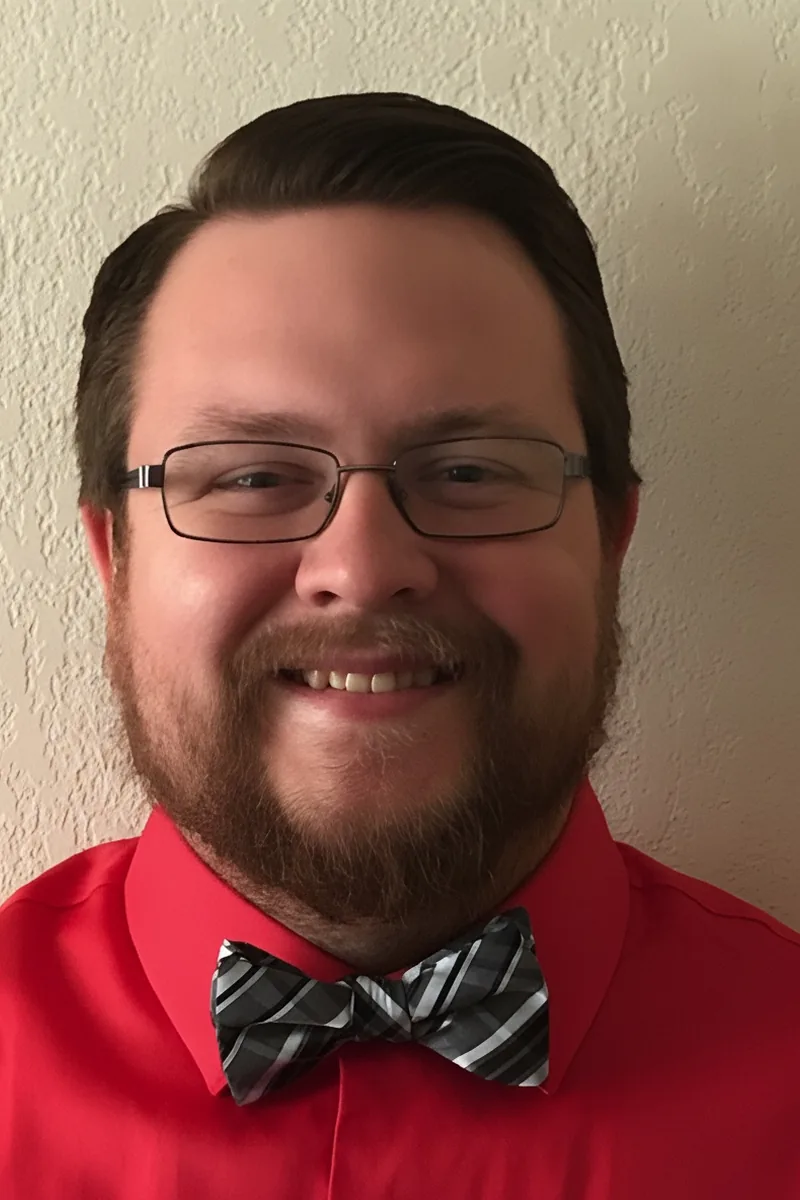
Running a high school Biomedical Science course gave Samuel hands-on experience teaching bacterial culture techniques, cell structure, and pathogen identification — the core of any microbiology curriculum. He connects microbial concepts to forensic science and human anatomy applications, making topics like gram staining and microbial metabolism feel less like memorization and more like detective work.
Between bacterial classification, metabolic pathways, and the dizzying variety of microbial genetics, microbiology courses throw an enormous amount of detail at students in a short time. Megan breaks the material into logical frameworks — grouping organisms by structure and function rather than isolated facts — so that topics like gram staining, virulence factors, and antibiotic resistance connect to a bigger picture.
Gram stains, culture techniques, viral replication cycles — Anatoliy digs into microbiology with the clinical lens of someone who earned a Doctor of Medicine degree. He connects bacterial pathogenesis and immune response mechanisms to diagnostic reasoning, which makes the material stick instead of feeling like a wall of organism names to memorize.
As a second-year medical student, Jessica encounters microbiology where it matters most — understanding which pathogens cause specific infections, how antimicrobial agents target bacterial structures, and why certain organisms evade the immune system. Her additional background in pharmacology and chemistry means she can trace concepts like drug resistance mechanisms and pathogen virulence all the way down to the molecular interactions driving them.
Bacterial classification, viral replication cycles, antimicrobial resistance — Laura encounters these topics in her medical coursework at UMKC and brings that clinical lens to microbiology tutoring. She connects textbook pathogens to real disease presentations, which makes memorizing Gram stain categories and virulence factors far more sticky.
Studying microbiology in preparation for medical school gave Nishad a detailed command of bacterial physiology, viral replication cycles, and immune response pathways. He teaches students to connect structure to function — understanding why Gram-negative bacteria resist certain antibiotics, for instance, by tracing the architecture of their outer membrane.
From bacterial gene regulation to viral replication strategies, microbiology demands comfort with both molecular detail and big-picture ecology. Zachary's graduate work in molecular biology gave him hands-on familiarity with the techniques and concepts — Gram staining, quorum sensing, antibiotic resistance mechanisms — that form the backbone of most microbiology courses.
Micheal's biotechnology degree and his work at Massachusetts General Hospital mean microbiology isn't theoretical for him — it's the daily reality of understanding bacterial pathogenesis, culture techniques, and antimicrobial resistance. He unpacks dense topics like metabolic pathways and microbial genetics by tying them to clinical scenarios students can visualize.
Understanding microbiology means keeping dozens of organisms, metabolic pathways, and virulence mechanisms straight — and knowing when the differences actually matter. Jonathan's human biology training and pre-med preparation at Cornell gave him a clinical lens for bacterial genetics, host-pathogen interactions, and antimicrobial resistance that makes the material more intuitive than rote flashcard review.
The IB Biology program — both SL and HL — drills deep into microbial topics like cell theory, pathogen classification, and antibiotic resistance, and Kinjal completed that rigorous track before earning her biology degree at Texas A&M. That combination means she can walk through bacterial structure, microbial metabolism, and host-pathogen dynamics with the kind of layered understanding that comes from studying the material twice at increasing depth. Rated 5.0 by students.
I'm a current medical student at VCU School of Medicine, and a graduate of Johns Hopkins University. I received my Bachelor of Science in Molecular and Cellular Biology. I've had the pleasure of tutoring a diverse range of students for 5 years; while I tutor a broad set of subjects, I'm most passionate about biology, psychology, and chemistry. I'm a big proponent of ensuring understanding over memorization and teaching concepts that last for years to come (particularly for other students interested in medicine!) In my free time, I love to write poetry, edit essays, and gush about game writing with friends.
Studying microbiology at the college level means juggling bacterial classification, metabolic pathways, virulence factors, and immune response mechanisms all at once. Kristin earned her biology degree at the University of Chicago and now applies microbiology daily in her nursing graduate program at Penn, where pathogen behavior and infection control are part of clinical reality rather than just textbook diagrams.
Garrett's biology degree paired with his coursework in physiology and anatomy means he understands microorganisms in the context of the systems they infect — not as isolated names on a flashcard. He walks through topics like microbial cell structure, pathogen life cycles, and immune evasion strategies by anchoring each organism to the tissue-level damage it actually causes, which turns a massive taxonomy into something students can reason through.
Medical school gave Kruti an unusually practical understanding of microbiology — she learned bacteria, viruses, fungi, and parasites not as abstract taxonomy but as organisms that cause specific diseases through specific mechanisms. She digs into concepts like virulence factors, antibiotic resistance pathways, and immune evasion strategies with the kind of detail that sticks. Students preparing for college-level micro exams or USMLE-style questions get someone who's recently navigated both.
Haley's day job in a public health laboratory gives her hands-on experience with the bacterial cultures, staining techniques, and antimicrobial susceptibility testing that microbiology courses cover in theory. She brings real bench context to topics like gram-negative vs. gram-positive classification, metabolic pathways, and pathogenesis — turning textbook organisms into something tangible. Rated 5.0 by students.
Between her molecular biology degree and her current biomedical science graduate program, Sierra has spent years working with bacterial physiology, microbial genetics, and host-pathogen interactions. She explains dense topics like gram staining protocols, metabolic pathways, and antimicrobial resistance mechanisms by tying them back to real clinical and research scenarios that make the material stick.
Medical school gave Amanda a front-row seat to microbiology that matters — bacterial pathogenesis, viral replication cycles, immune evasion strategies, and antimicrobial resistance. She teaches microbiology by organizing organisms around the mechanisms that make them dangerous or clinically important, which turns a subject that can feel like pure memorization into a set of logical patterns. Students preparing for exams or applying to health professions get a tutor who knows exactly how this material shows up later.
Testimonials
Because the right Microbiology tutor makes all the difference.
Average Session Rating – Based on 3.4M Learner Ratings
Nearby Microbiology Tutors
Other St. Louis Tutors
Related Science Tutors in St. Louis
Frequently Asked Questions
Microbiology requires understanding both microscopic structures you can't see with the naked eye and complex metabolic processes—making visualization one of the biggest hurdles. Students often struggle with distinguishing between different types of microorganisms, mastering staining techniques and microscopy, and connecting theoretical concepts like bacterial genetics or pathogenesis to real-world applications. Personalized tutoring helps break down these abstract concepts into concrete explanations and hands-on practice.
Lab work is where Microbiology becomes tangible, but it also introduces new challenges like proper technique, data interpretation, and lab safety protocols. Expert tutors can help you understand the 'why' behind each step—why you're using specific stains, how to identify organisms correctly, and how to troubleshoot when results don't match expectations. This deeper understanding makes lab reports clearer and helps you develop stronger scientific reasoning skills.
While Microbiology does involve learning new terminology and classifications, memorization without understanding will only get you so far. The real learning happens when you grasp how microorganisms function, why they cause disease, how they reproduce, and how they interact with their environments. Personalized instruction focuses on building conceptual understanding first—the terminology and facts become much easier to retain when they're connected to a coherent framework.
Your first session is about understanding where you are and where you want to go. A tutor will assess your current grasp of key concepts, identify specific areas of confusion (whether it's bacterial classification, metabolic pathways, or lab technique), and learn about your learning style. From there, you'll develop a personalized plan that targets your biggest challenges while building confidence in the material you're already mastering.
Most Microbiology courses cover microbial structure and function, growth and metabolism, genetics and molecular biology, pathogenesis and immunity, and practical applications in medicine and industry. For students in St. Louis, whether you're in a standard high school biology course, AP Biology with a microbiology focus, or a college-level Microbiology class, tutors can help you master the specific curriculum your school uses. The depth varies by course level, but the fundamental concepts remain consistent.
Effective exam prep goes beyond cramming facts—it means practicing retrieval of concepts under timed conditions, working through application-based questions, and identifying weak spots before test day. Expert tutors use strategies like practice testing, spaced repetition, and explaining concepts aloud to strengthen your retention and reasoning. They'll also help you develop study habits that work for your learning style, so you feel confident tackling both multiple-choice and short-answer questions.
Varsity Tutors connects you with expert tutors based on your specific needs, schedule, and learning goals. Whether you need help with general Microbiology concepts, lab technique, exam preparation, or advanced topics like immunology or molecular microbiology, tutors are matched to your situation. You'll work with someone who understands the subject deeply and knows how to explain complex ideas in ways that make sense to you.
Connecting what you learn in class to real-world contexts—like how bacteria develop antibiotic resistance, how fermentation is used in food production, or how vaccines work—makes the material more meaningful and memorable. This approach also develops scientific thinking skills that go beyond the classroom. Tutors help you see Microbiology not as isolated facts, but as a living science that impacts medicine, industry, and public health every day.
Let’s find your perfect tutor
Answer a few quick questions. We’ll recommend the right plan and match you with a top 5% tutor.