Award-Winning Japanese Tutors
serving St. Louis, MO
Japanese
Tutors in St. Louis
Private 1-on-1 tutoring, weekly live classes for academic support, test prep & enrichment, practice tests and diagnostics, and more to elevate grades and test scores.
Based on 3.4M Learner Ratings
UniversitiesSchools & Universities
DeliveredHours Delivered
ProficiencyGrowth in Proficiency
Who needs tutoring?
No obligation. Takes ~1 minute.
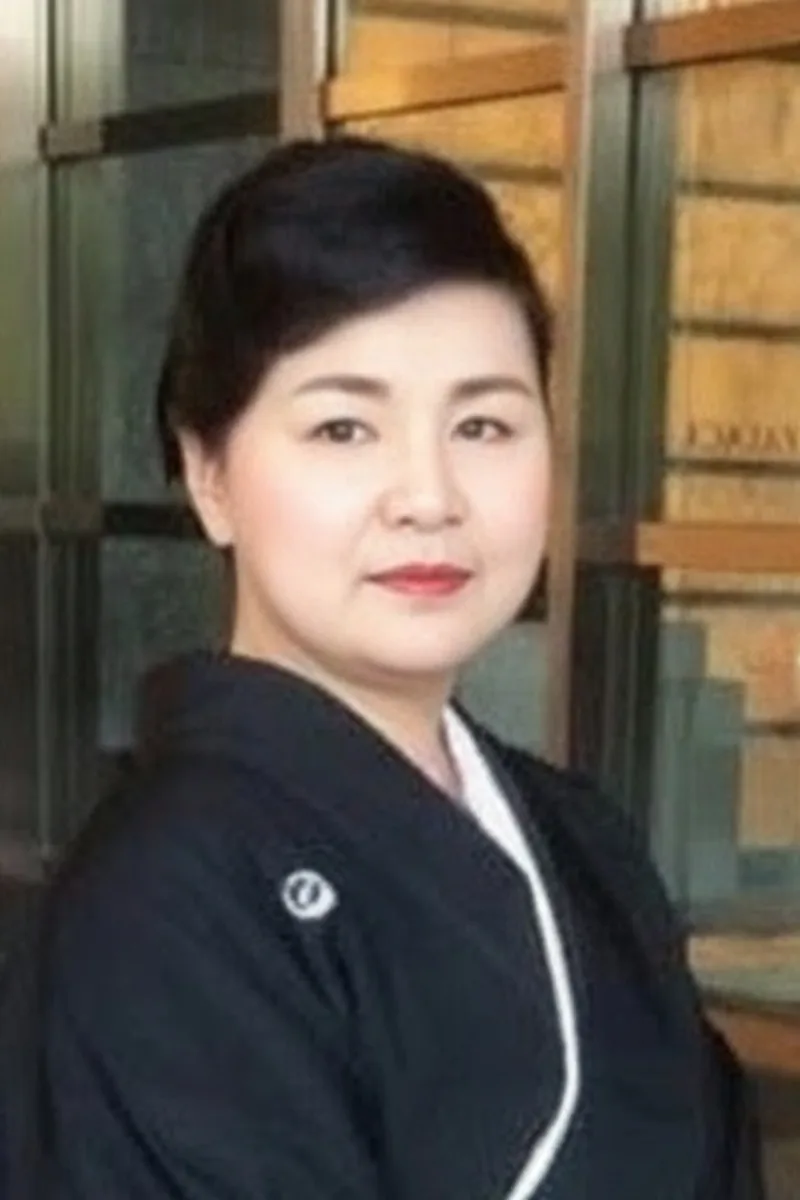
As a native Japanese speaker with over fifty years of fluency in reading, writing, and conversation, Hatsuki teaches the language the way it's actually used — from particle usage and keigo (honorific speech) to the nuances between hiragana, katakana, and kanji in everyday contexts. She currently lives in the U.S. with her family, giving her a natural understanding of where English speakers stumble with Japanese grammar and pronunciation.

I'm back at school at NYU, studying for a more general liberal arts degree.
Between his East Asian Studies major at Harvard, his presidency of the Harvard College Japan Initiative, and his work in the Yenching Library's Japanese Collection, Shane lives and breathes Japanese. He reads novels and plays games in Japanese for fun, which means he teaches the language the way it's actually used — from kanji recognition and particle usage to the register shifts that textbooks barely cover.
As a native Japanese speaker who has also worked professionally as an interpreter, Sonya understands both languages from the inside — the particles, sentence-final expressions, and politeness shifts that sound natural versus textbook-stiff. Her bilingual preschool volunteering sharpened her ability to explain concepts at any level, from first encounters with hiragana to nuanced keigo distinctions that even intermediate learners struggle with.
I am particularly passionate about math as well as standardized test prep. I studied math on a double-accelerated track throughout middle school and high school, covering math from algebra to multivariable calculus. Aside from teaching academic subjects, I am also trained in playing the piano and violin, having taken lessons for piano from the ages of 4 to 18 and playing violin in my school orchestra from 5th to 12th grade. I love working with students to improve their skills in an area of study, and my favorite part is getting to see them gain confidence in themselves and their own abilities!
Having prepared for and taken the SAT Subject Test in Japanese with Listening, Dylan brings practical fluency in grammar structures like particle usage, verb conjugation groups, and honorific registers. He tackles reading comprehension by teaching students to decode kanji compounds in context rather than relying purely on rote memorization. Rated 5.0 by students.
Growing up attending the Japanese Weekend School of New Jersey while enrolled in American public schools, Hidefusa developed native-level fluency in both languages and a deep understanding of where English speakers stumble with Japanese. He teaches everything from hiragana and katakana basics to kanji recognition, particle usage, and keigo (formal speech) — drawing on the bilingual instincts of someone who has lived in both linguistic worlds.
I am a current student at the University of Vermont. I am completing two Bachelors in Linguistics and Japanese, and am a researcher for both departments. From high school to the present day I have tutored people my age and younger, and I have experience working with refugee/ELL students; I have collected 2 years of experience. Though I can tutor several subjects, I am most passionate for Japanese, and feel it is my true calling. In my experience helping those who want to learn a foreign language like Japanese, I have found that scaffolding, or building off of, your interests in film, food, literature and culture has a profound and positive effect on your learning. I love education and learning for the sake of learning, and I will soon graduate and plan to teach English in Japan; sharing language and culture is my way of helping others and the world.
As an Asian Studies major at Duke, Caitlin engages with Japanese language in an academic context that goes beyond textbook dialogues — she understands how kanji, hiragana, and katakana each function within the writing system and why particles like は and が trip up English speakers. She walks through sentence structure and honorific levels with cultural context that makes the grammar patterns memorable.
Brian prepared for and took the SAT Subject Test in Japanese with Listening, which means he's worked through the grammar structures, kanji recognition, and listening comprehension challenges that define intermediate Japanese study. He approaches language learning with the same systematic thinking he applied to economics and CS at Caltech — breaking down sentence patterns and verb conjugations into logical rules rather than pure memorization.
As a dedicated language tutor with several years of experience, I bring both expertise and enthusiasm to every lesson. I specialize in Chinese, Japanese, and basic Arabic, and I have had the privilege of guiding students of diverse ages and backgrounds through their language-learning journeys.
Having completed an Asian Languages minor at UCLA, Abrahim brings formal training in Japanese grammar, kanji acquisition, and reading comprehension to his tutoring. He approaches the language methodically — building from particle usage and verb conjugation patterns up to reading authentic texts — which works especially well for students who want structure rather than immersion-only learning.
Triple-majoring in Japanese, linguistics, and computer science at UMass Amherst, Connor brings both fluency and analytical rigor to teaching the language. He unpacks grammar patterns like particle usage and verb conjugation groups by connecting them to the underlying logic of how Japanese sentences are built — making new structures easier to internalize and recall.
Testimonials
Because the right Japanese tutor makes all the difference.
Average Session Rating – Based on 3.4M Learner Ratings
Nearby Japanese Tutors
Other St. Louis Tutors
Related Languages Tutors in St. Louis
Frequently Asked Questions
Your first session is all about understanding where you are and where you want to go. A tutor will assess your current level across reading, writing, speaking, and listening, discuss your goals (whether that's passing the AP Japanese exam, conversational fluency, or cultural understanding), and create a personalized learning plan. This foundation helps ensure every session builds on your strengths and targets your specific challenges.
Classroom settings rarely provide consistent speaking practice, but personalized tutoring gives you dedicated time to speak Japanese with immediate feedback on pronunciation, grammar, and natural usage. A tutor can adapt conversations to your level, correct mistakes in real-time, and help you build confidence with authentic dialogue—something that's difficult to replicate in group settings.
Japanese verbs conjugate based on tense, formality, and whether they're positive or negative—creating dozens of patterns that feel abstract when learned through textbooks alone. A tutor breaks conjugation into logical chunks, shows you patterns across different verb groups, and gives you repeated practice in context so the rules become natural rather than memorized.
Spaced repetition and active retrieval—reviewing words at increasing intervals and using them in real conversations—are far more effective than cramming. A tutor can incorporate vocabulary into personalized dialogues and writing exercises, ensuring you're using new words in context rather than just memorizing lists. This approach helps words stick and become part of your active vocabulary.
Rather than isolated flashcard drills, effective kanji learning connects characters to their radicals (components), shows you how they're used in real words and sentences, and builds recognition through reading practice. A tutor can prioritize the kanji most relevant to your goals and integrate them into your reading and writing work, making study time more efficient and meaningful.
Language and culture are deeply connected—understanding cultural context helps you use Japanese appropriately and appreciate nuances in speech, writing, and media. A tutor can weave cultural insights into lessons, explaining why certain formality levels matter, how honorifics work, and what's behind common expressions. This enriches your learning and helps you communicate more naturally.
St. Louis has Japanese cultural organizations, community centers, and language meetups that offer additional immersion opportunities. A tutor familiar with local resources can recommend conversation groups, cultural events, or media to supplement your personalized lessons, helping you practice in real-world contexts and build connections with the Japanese-speaking community.
Reaching professional-level proficiency typically requires around 2,200 hours of study, but conversational fluency—the ability to handle everyday conversations—comes much sooner with consistent, focused practice. With personalized tutoring combined with self-study and immersion activities, many students achieve practical conversation skills within 6-12 months, depending on their starting level and study intensity.
Let’s find your perfect tutor
Answer a few quick questions. We’ll recommend the right plan and match you with a top 5% tutor.