Award-Winning Microbiology Tutors
serving Springfield, MO
Microbiology
Tutors in Springfield
Private 1-on-1 tutoring, weekly live classes for academic support, test prep & enrichment, practice tests and diagnostics, and more to elevate grades and test scores.
Based on 3.4M Learner Ratings
UniversitiesSchools & Universities
DeliveredHours Delivered
ProficiencyGrowth in Proficiency
Who needs tutoring?
No obligation. Takes ~1 minute.

Keeping bacterial classification, metabolic pathways, and virulence factors straight requires more than flashcards — it requires a framework. Rachel approaches microbiology by organizing organisms around how they survive: their energy sources, their structural defenses, and how they interact with host immune responses. That structure turns a sprawling subject into something students can actually reason through on exams.
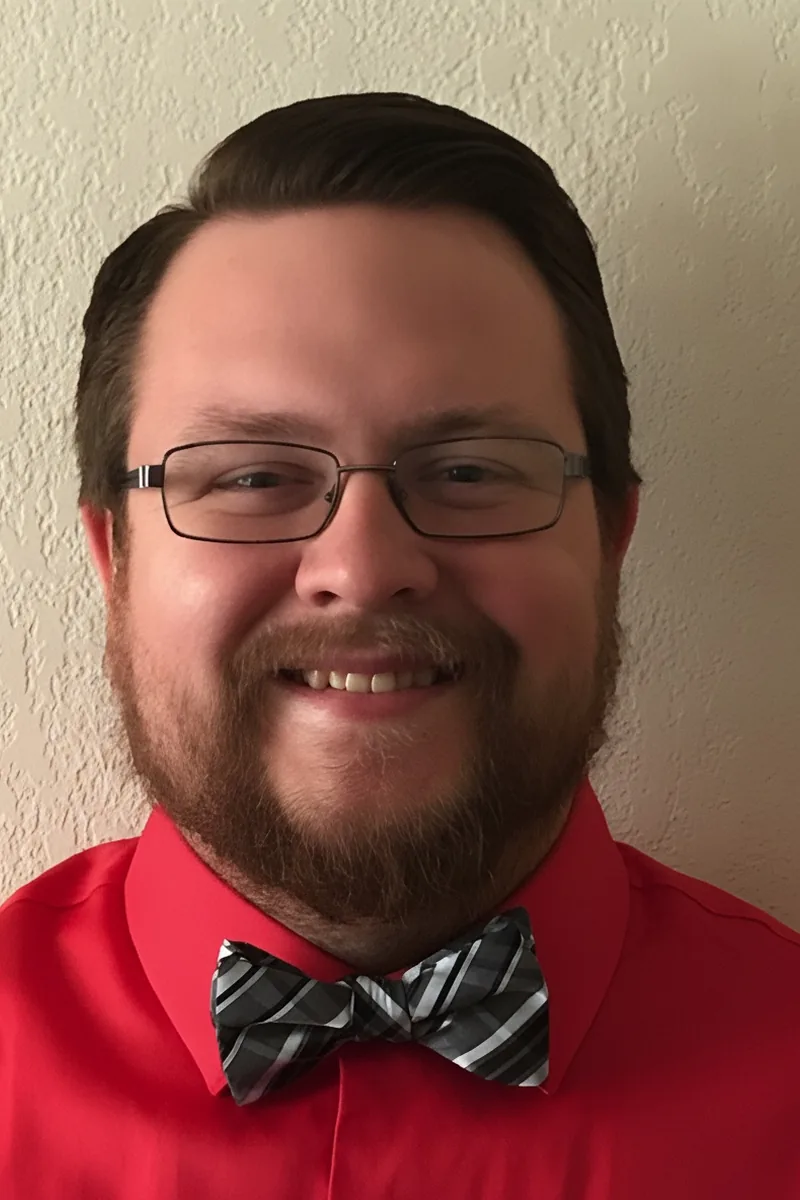
Running a high school Biomedical Science course gave Samuel hands-on experience teaching bacterial culture techniques, cell structure, and pathogen identification — the core of any microbiology curriculum. He connects microbial concepts to forensic science and human anatomy applications, making topics like gram staining and microbial metabolism feel less like memorization and more like detective work.
Gram stains, culture techniques, viral replication cycles — Anatoliy digs into microbiology with the clinical lens of someone who earned a Doctor of Medicine degree. He connects bacterial pathogenesis and immune response mechanisms to diagnostic reasoning, which makes the material stick instead of feeling like a wall of organism names to memorize.
Between bacterial classification, metabolic pathways, and the dizzying variety of microbial genetics, microbiology courses throw an enormous amount of detail at students in a short time. Megan breaks the material into logical frameworks — grouping organisms by structure and function rather than isolated facts — so that topics like gram staining, virulence factors, and antibiotic resistance connect to a bigger picture.
As a second-year medical student, Jessica encounters microbiology where it matters most — understanding which pathogens cause specific infections, how antimicrobial agents target bacterial structures, and why certain organisms evade the immune system. Her additional background in pharmacology and chemistry means she can trace concepts like drug resistance mechanisms and pathogen virulence all the way down to the molecular interactions driving them.
Bacterial classification, viral replication cycles, antimicrobial resistance — Laura encounters these topics in her medical coursework at UMKC and brings that clinical lens to microbiology tutoring. She connects textbook pathogens to real disease presentations, which makes memorizing Gram stain categories and virulence factors far more sticky.
Neuroscience training at the undergraduate level means Jhonatan spent significant time with the microbial world — understanding how pathogens cross the blood-brain barrier, how CNS infections progress, and how the gut microbiome communicates with neural tissue. He teaches microbial physiology and host interactions by anchoring them to these neuroimmune connections, giving students a narrative thread through what can otherwise feel like an overwhelming catalog of organisms. Rated 5.0 by students.
Michelle's PhD thesis centered on bacterial infections, so microbiology isn't a textbook subject for her — it's the system she lived in for years. She digs into topics like biofilm formation, antimicrobial resistance mechanisms, and host-pathogen dynamics with the kind of specificity that comes from designing experiments around those exact processes.
Richard's PhD research at Northwestern is in microbiology, which means he's not teaching this subject from a textbook — he's living it. He digs into topics like bacterial pathogenesis, microbial genetics, and host-immune interactions with the kind of detail that comes from years at the bench. Students preparing for exams or struggling with lab reports get someone who can connect microscopic mechanisms to the bigger public health picture.
Emily studied molecular, cellular, and developmental biology at Yale and then earned her MPH in epidemiology, giving her a dual lens on microbiology — she knows the bench science of bacterial genetics and viral replication cycles, and she understands how those organisms behave in populations. She digs into topics like gram staining, metabolic pathways, and host-pathogen interactions with the detail a college-level course demands.
Between her Columbia nutrition degree and her PA training at Rutgers, Victoria has spent years studying bacterial metabolism, host-pathogen interactions, and immune responses at the cellular level. She unpacks microbiology concepts like gram staining protocols, virulence factors, and microbial genetics by tying them to clinical scenarios that make the material stick.
Between bacterial genetics, metabolic pathways, and immune evasion strategies, microbiology covers an enormous range of material in a single semester. Emily's current research position at UTHealth keeps her immersed in lab techniques and microbial concepts daily, so she explains topics like Gram staining, virulence factors, and antibiotic resistance with the fluency of someone who actually uses this knowledge at the bench.
Monika's doctoral thesis was in microbiology, so she teaches bacterial physiology, metabolic pathways, and host-pathogen interactions from firsthand research experience. She unpacks dense topics like quorum sensing and biofilm formation by connecting them to the experimental techniques she actually used at the bench.
Jean's medical training at Harvard Medical School gave her deep familiarity with the microbiology that matters most: bacterial pathogenesis, viral replication cycles, immune evasion strategies, and antimicrobial resistance. She breaks down complex host-pathogen interactions by tying them to clinical scenarios, which makes the material stick far better than rote memorization of genus and species lists.
Few tutors have a dedicated microbiology credential — Felix earned an Associate in Science specifically in microbiology and taught biology at the university level as a TA. He digs into bacterial morphology, staining techniques, metabolic pathways, and microbial genetics with the kind of detail that lecture halls often gloss over. Whether it's understanding biofilm formation or interpreting antibiotic susceptibility results, he connects lab concepts to the underlying theory.
A Harvard-trained biologist with classroom teaching experience, Elizabeth digs into microbial structure, metabolism, and pathogenesis with genuine enthusiasm for the subject. She's particularly strong at connecting micro-level processes — bacterial gene regulation, viral replication cycles — to the bigger biological picture. Her science teaching background means she can unpack dense material without losing the thread.
Medical school demands a granular understanding of pathogens — bacterial cell wall differences, viral replication cycles, antibiotic resistance mechanisms. Daniel earned his M.D. and brings that clinical lens to microbiology, connecting each organism's structure and behavior to the disease processes students are expected to know for exams.
Bioengineering trains you to think about microorganisms as systems — how bacterial metabolism, gene regulation, and surface interactions can be modeled, measured, and manipulated. Casey applies that engineering mindset to microbiology topics like growth kinetics and sterilization techniques, breaking down each process into the quantitative and biological components that actually explain it. Her parallel background in physiology and organic chemistry lets her trace microbial behavior from the molecular scale up to host-level effects.
Testimonials
Because the right Microbiology tutor makes all the difference.
Average Session Rating – Based on 3.4M Learner Ratings
Nearby Microbiology Tutors
Other Springfield Tutors
Related Science Tutors in Springfield
Frequently Asked Questions
Varsity Tutors matches Springfield students with expert Microbiology tutors for 1-on-1 instruction. We pair each student with a tutor based on their specific needs, learning style, and goals.
Whether you need homework help, exam prep, or want to get ahead, our Microbiology tutors are ready to help.
Common challenges include gaps from earlier material, difficulty with specific concepts, and trouble applying learning to new problems. These issues can snowball quickly in Microbiology.
A tutor identifies where you're stuck, fills in gaps, and provides targeted practice. The 1-on-1 format means you get help exactly where you need it.
Tutors work with your student's actual coursework—homework assignments, class notes, and upcoming tests. This keeps tutoring directly relevant to what's happening in the classroom.
When you share information about your student's school and curriculum, we can match you with a tutor who has relevant experience.
All tutors complete background checks, credential verification, and teaching evaluation. Many of our Microbiology tutors hold advanced degrees or have years of teaching experience.
You can review tutor profiles to find someone with the right background for your student's level and needs.
Many students see improved grades within a few weeks, along with better understanding of Microbiology concepts and more confidence tackling challenging material.
Tutors track progress and adjust their approach to ensure continued improvement.
Most students benefit from 1-2 sessions per week. More frequent sessions help if your student is significantly behind or has an important exam coming up.
Your tutor can recommend a schedule based on your student's specific situation and goals.
Tutoring is purchased in packages of hours, with rates varying by tutor experience. Varsity Tutors offers several options to fit different budgets and needs.
You can discuss pricing during your consultation to find what works best.
Your tutor will assess where your student is, discuss goals, and start working on priority areas. Most students bring current homework or upcoming test material to focus on.
By the end, you'll have a clear sense of how the tutor can help and a plan for moving forward.
Let’s find your perfect tutor
Answer a few quick questions. We’ll recommend the right plan and match you with a top 5% tutor.