Award-Winning AP Spanish Literature and Culture Tutors
serving Grand Rapids, MI
AP Spanish Literature and Culture
Tutors in Grand Rapids
Private 1-on-1 tutoring, weekly live classes for academic support, test prep & enrichment, practice tests and diagnostics, and more to elevate grades and test scores.
Based on 3.4M Learner Ratings
UniversitiesSchools & Universities
DeliveredHours Delivered
ProficiencyGrowth in Proficiency
Who needs tutoring?
No obligation. Takes ~1 minute.
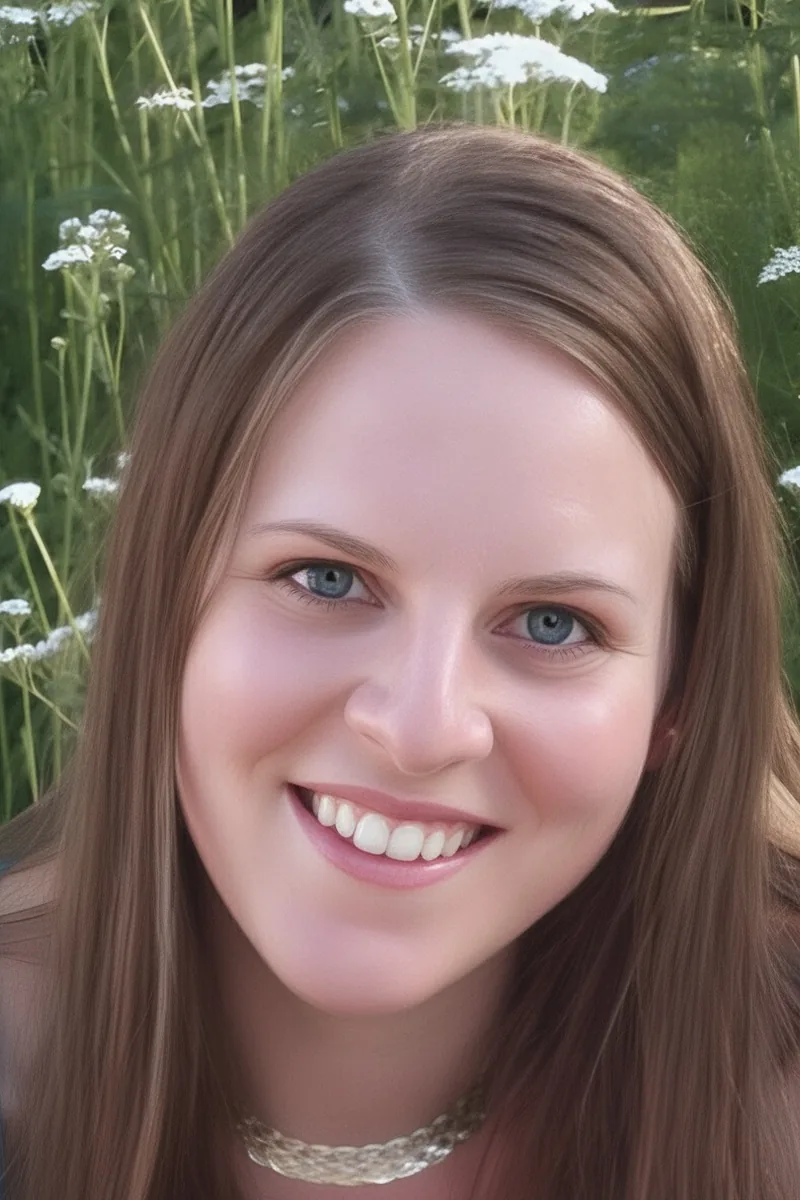
A certified former middle-school teacher with a Spanish degree and a 1590 SAT, Meagan brings strong analytical reading and writing chops to a subject that demands both — constructing literary arguments in Spanish under timed conditions. Her education policy Master's and years teaching ESL sharpen her ability to break down how language proficiency and essay structure intersect, coaching students on building thesis-driven responses to reading list texts. Rated 4.9 by students.
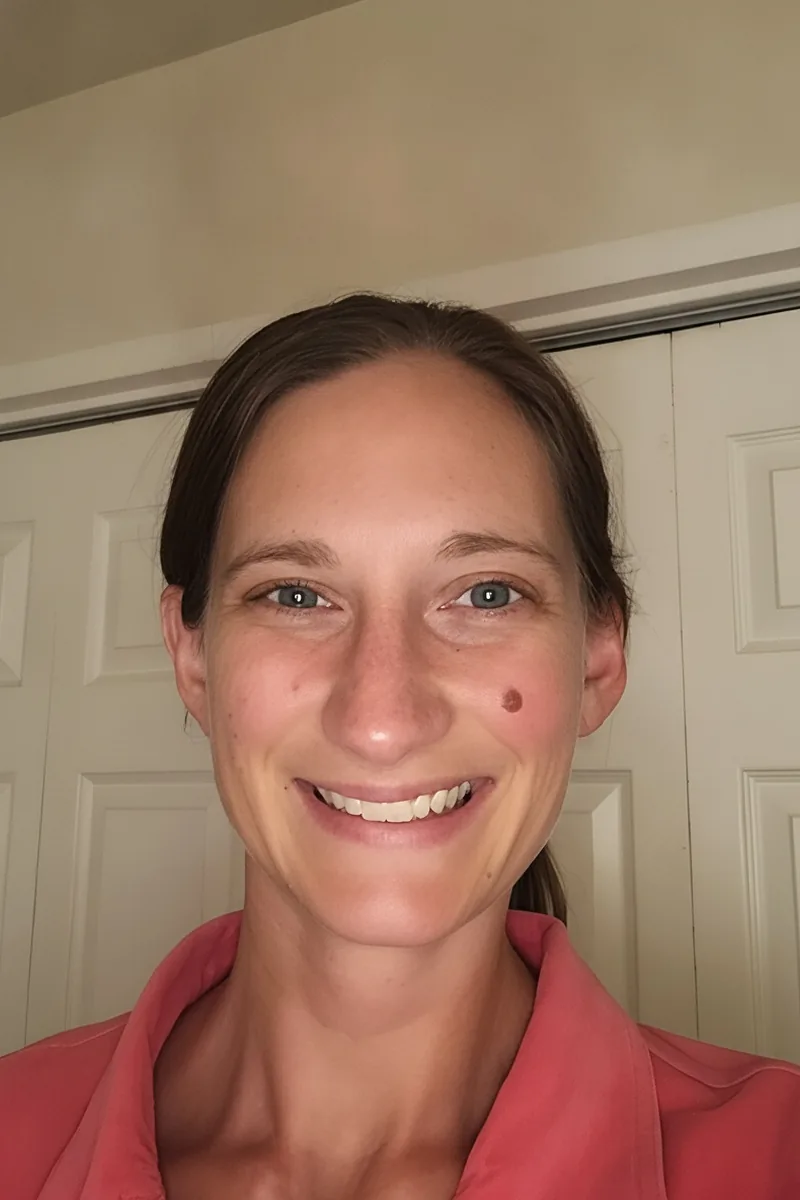
Three years as a Peace Corps volunteer in the Dominican Republic and time teaching at a bilingual school in Costa Rica gave Courtney the kind of lived Spanish fluency that comes from daily immersion — not just classroom study. That real-world grounding in Caribbean and Latin American culture adds context when she walks students through reading list works where themes of colonialism, identity, and societal contact demand more than textbook definitions to unpack in a timed essay.
Spanning Spanish 1 through AP-level coursework and the SAT Subject Test in Spanish with Listening, Alma has built her tutoring practice around the language from every angle — grammar, conversation, reading, and writing. For this exam specifically, her creative writing and essay editing experience shapes how she coaches timed literary analysis essays, teaching students to move from a raw reading of a passage to a focused, thesis-driven argument written entirely in Spanish.
Living and traveling in Spanish-speaking countries while pursuing Latin American Studies at Wesleyan gave Reta firsthand immersion in the cultural movements — from colonial legacies to contemporary identity politics — that run through the AP reading list. She's taken both the AP Spanish Language and Literature exams herself and spent a semester tutoring a high school student one-on-one, so she knows where the gap between reading comprehension and genuine literary analysis tends to open up. Her government coursework also sharpens how she teaches students to read texts as arguments about power and society, which strengthens thematic essay writing.
Courtney earned her Master's in Hispanic and Latin American Languages alongside a BA in Spanish and Iberian Studies — meaning the literary periods, genres, and cultural movements on the AP reading list aren't exam prep material for her, they're the core of her academic training. She teaches students to build analytical essays in Spanish that connect a text's formal choices to the broader tradition it belongs to, whether that's tracing magical realism's roots in a passage or identifying how a Golden Age sonnet's structure reinforces its argument.
English and journalism training at UChicago sharpened Isabella's ability to dissect how authors construct arguments and layer meaning — skills that transfer directly to analyzing AP reading list texts, even though Spanish literature isn't her primary lane. For students who already have strong Spanish fluency but struggle with the essay side of the exam (building a thesis, structuring evidence-based paragraphs under time pressure), her 5.0 rating and deep experience coaching college-level writing make her a practical fit.
A PhD in Spanish & Portuguese means Casey has spent years inside the texts that define this exam — from medieval romances and Sor Juana's baroque poetry to García Márquez's magical realism and Borges's labyrinths. She teaches students to build the kind of close-reading arguments in Spanish that earn top scores on the literary analysis free-response questions. Rated 5.0 by students.
Studying Latin American Studies at Columbia alongside her American Studies major, Grace reads and analyzes Spanish-language literature at the university level daily. She unpacks the thematic and stylistic demands of the AP exam — from close reading García Márquez's magical realism to writing persuasive literary analysis essays in Spanish — with the cultural context that the rubric rewards.
Having double-majored in Spanish at Washington University, Megan brings deep literary fluency to AP Spanish Literature and Culture — from close reading of García Márquez's magical realism to analyzing the cultural context behind Sor Juana's poetry. She walks students through the essay and presentational speaking rubrics so they know exactly what earns top scores on exam day.
Medical school sharpens one skill that translates surprisingly well to AP Spanish Literature: reading dense, complex material under pressure and extracting exactly what matters. Brianna's biology degree and Spanish tutoring experience give her the language foundation, while her test-taking discipline (1490 SAT, 32 ACT) carries over to coaching students on structuring timed analytical essays where clear argumentation counts more than literary flourish. This isn't her deepest subject, but for students who need help with the mechanics of building an evidence-based essay under exam conditions, her systematic approach fills a real gap.
Currently pursuing a graduate degree in Spanish & Portuguese Languages & Cultures while holding a BA in Spanish and French, Mia lives inside the literary and cultural traditions this exam covers — she's not just reviewing the reading list, she's actively studying the broader canon it draws from. That depth means she can teach students how a work's grammar and syntax choices carry meaning, turning close-reading instincts into the kind of thesis-driven essays the free-response section rewards. Rated 5.0 by students.
Elliot's training is in neuroscience and cognitive science, not Spanish literature — so this is a peripheral subject for him. That said, his PhD-level analytical skills and experience teaching writing and essay construction mean he can coach students on the structural mechanics of timed literary essays: building a thesis, organizing textual evidence, and arguing a point clearly under pressure.
Testimonials
Because the right AP Spanish Literature and Culture tutor makes all the difference.
Average Session Rating – Based on 3.4M Learner Ratings
Other Grand Rapids Tutors
Related Languages Tutors in Grand Rapids
Frequently Asked Questions
AP Spanish Literature and Culture focuses on reading, analyzing, and discussing Spanish and Latin American literary works across multiple genres—including novels, short stories, poetry, and drama. The course emphasizes cultural contexts, literary devices, and themes like identity, power, love, and social change. Students develop advanced Spanish language skills while exploring how literature reflects cultural values and historical periods from Spain and the Americas.
The exam consists of two sections: a multiple-choice section (50% of your score) with reading comprehension passages, and a free-response section (50%) that includes essay writing and spoken responses. The multiple-choice section tests your ability to understand literary texts and cultural references, while the free-response requires you to analyze works in depth and discuss cultural themes. Time management is critical—many students struggle with pacing through dense literary passages under pressure.
Students often struggle with understanding archaic or complex literary language, analyzing subtle themes and symbolism, and managing the volume of texts required. Many find it difficult to write analytical essays in Spanish under timed conditions, especially when balancing grammatical accuracy with sophisticated literary analysis. Additionally, some students underestimate how much cultural context matters—understanding the historical period and author's background is essential to interpreting meaning correctly.
With focused, personalized instruction, most students see meaningful score improvements—typically 1-3 points on the 1-5 scale, depending on starting level and effort. Tutors help by teaching strategic reading techniques for literary analysis, providing targeted feedback on essay writing, and building confidence with timed practice. The key is identifying your specific weak areas early (whether that's comprehension, essay structure, or cultural analysis) and addressing them systematically before test day.
Ideally, begin tutoring in the fall if you're taking the exam in May, giving you time to work through the required texts, build analytical skills, and practice essays under timed conditions. However, even starting in spring can help if you focus intensively on your weakest areas and practice tests. Consistent, regular sessions (weekly or biweekly) tend to be more effective than cramming close to exam day, since literary analysis skills develop gradually with exposure and feedback.
Your first session typically focuses on assessing your current level—your comprehension of Spanish literary texts, essay-writing ability, and understanding of cultural themes. A tutor will likely have you read and analyze a passage or discuss a work you've studied, then review your writing sample to identify strengths and gaps. This helps create a personalized plan targeting your specific needs, whether that's vocabulary and literary terminology, essay structure, or test-taking strategies.
Look for tutors with advanced Spanish proficiency (ideally native or near-native speakers), experience teaching or tutoring AP Spanish Literature, and strong knowledge of Spanish and Latin American literary works and cultural history. It's valuable if they've worked with AP exam preparation and understand the specific format and scoring rubrics. Tutors who can provide detailed feedback on your essays and help you develop analytical skills—not just grammar—will be most effective for this subject.
Start by taking full-length practice tests early to understand your baseline and identify weak areas, then use individual sections and past questions for targeted practice. Time yourself on reading comprehension to work on pacing, and practice essays under timed conditions to build fluency and confidence in Spanish writing. Review every mistake carefully—especially passages you misunderstood or essays that scored lower—to understand why and adjust your approach. Your tutor can help interpret results and guide strategic practice focused on your specific gaps.
Let’s find your perfect tutor
Answer a few quick questions. We’ll recommend the right plan and match you with a top 5% tutor.