Award-Winning Poetry Writing
Tutors
Poetry Writing
Tutors
Private 1-on-1 tutoring, weekly live classes for academic support, test prep & enrichment, practice tests and diagnostics, and more to elevate grades and test scores.
Based on 3.4M Learner Ratings
UniversitiesSchools & Universities
DeliveredHours Delivered
ProficiencyGrowth in Proficiency
Who needs tutoring?
No obligation. Takes ~1 minute.

Three English courses and an intensive writing seminar at Penn in a single year gave Angela a sharp sense of how language works at the sentence level — a skill that translates directly into crafting poems where every word has to justify its presence. She teaches students to move from raw emotion to deliberate choices about diction and imagery, turning loose drafts into tighter, more intentional pieces. Rated 5.0 by students.
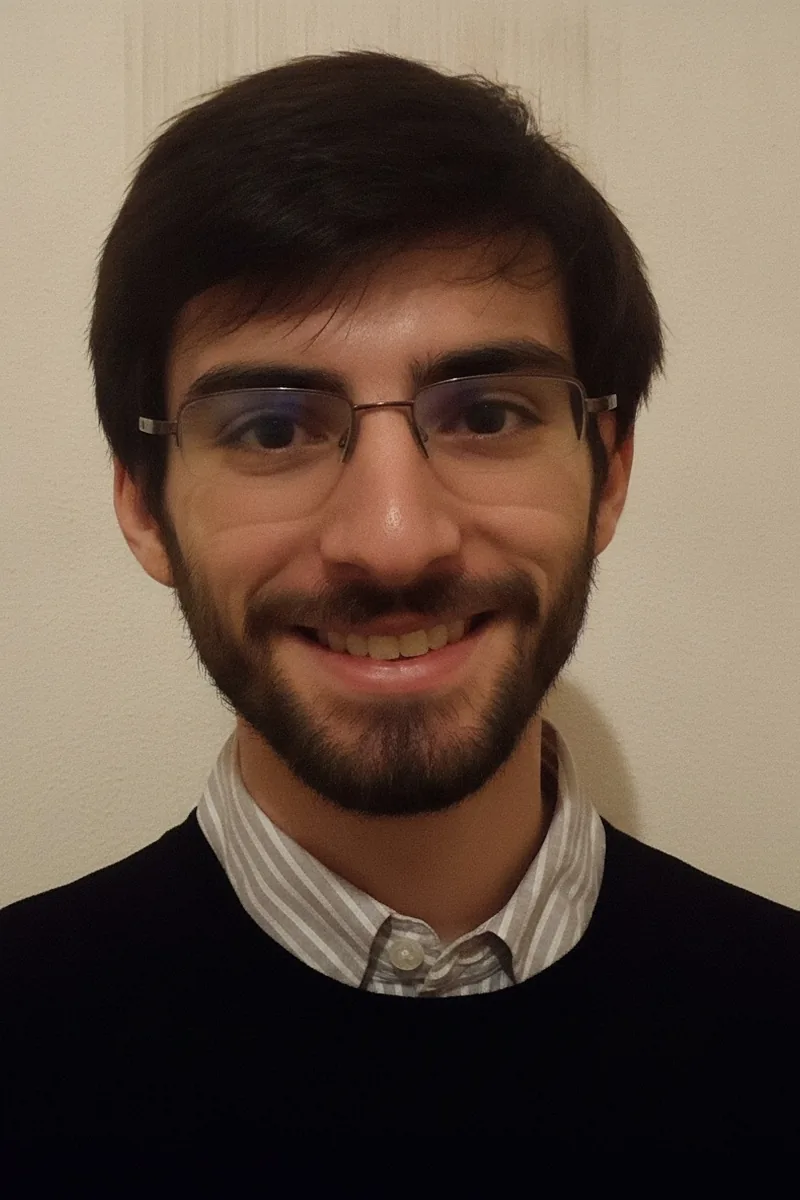
Most writing teaches students to explain — poetry teaches them to compress, to make a single image do the work of a paragraph. David's broad literary background across American literature, comparative literature, and creative writing gives him a strong sense of how diction and economy function on the page, and he brings that sensibility to helping poets move from raw feeling to deliberate craft choices about word selection, rhythm, and voice.
Hasan earned his B.A. in Literary Arts at Brown, where poetry wasn't just something he studied — it was central to his creative practice. He digs into line breaks, sound, imagery, and form with students, treating each draft as raw material to sculpt rather than a finished product to correct.
Sarah's dual background in English and music gives her an unusual ear for the sonic dimension of poetry — line breaks, meter, assonance, the way a vowel sound can carry emotional weight. She teaches students to draft with attention to both image and rhythm, then revise with the kind of precision that turns a rough piece into something that resonates. Her PhD work at Harvard keeps her immersed in how language and performance intersect.
Poetry demands precision that no other form of writing does — every line break, every syllable carries weight. Dakota approaches poetry writing through both craft and interpretation, drawing on her deep background in literature to show students how established poets manipulate sound, imagery, and form. Whether a student is experimenting with free verse or wrestling with a villanelle, she digs into the specific choices that make a poem land.
Writing poetry isn't just about feelings on a page — it's about learning to wield line breaks, meter, imagery, and sound to create something precise. Meg holds a Master's in Reading/Writing/Literacy and brings a practitioner's eye to craft, walking students through everything from formal sonnets to free verse. Her background in theater also sharpens her ear for rhythm and spoken-word performance.
Poetry demands precision that no other form of writing does — every line break, every stressed syllable, every image earns its place or doesn't. Sarah's performance background means she teaches poetry as something meant to be heard, walking students through sound devices like enjambment, caesura, and assonance until the music of a poem becomes a deliberate choice rather than an accident.
I am a graduate of the Master's program at the School of Education at St. John's University, and a graduate of the undergraduate English program at Washington University in St. Louis. I am currently eligible to teach 7th to 12th grade English in a New York City school under the Initial Certificate, and have a combined three years of experience in the Department of Education. I have a significant background in tutoring, including test prep, English, Mathematics, and Social Studies. My extensive background in education, coupled with my intense desire to bring about positive change in the lives of New York City school children and my belief in the importance of using emerging educational technologies to engage with and enrich the education of students, has made me both a successful teacher, and a popular tutor.
Getting a poem from raw feeling to finished piece means learning when to cut, when to compress, and when a single verb can replace three lines of explanation. David's MA in English Adolescent Education and years teaching creative writing and fiction give him a practical framework for walking students through that distillation process — drafting for energy first, then revising for diction, voice, and the specific craft moves that make a poem land.
Writing a poem isn't just about feeling — it's about choosing whether a line break lands on a stressed or unstressed syllable, whether an image earns its abstraction. Malina studied Greek and Latin verse forms intensively at Yale, giving her a deep toolkit of meter, sound patterning, and formal structure that she brings to workshops on both free verse and received forms.
Valerie's training is in applied math, not literature — but that analytical mindset turns out to be surprisingly useful when a student needs to understand why a particular stanza structure works or how syllable stress creates rhythm. She brings a builder's logic to poetry, treating revision as problem-solving: isolating what each line is doing, cutting what isn't earning its place, and testing whether an image holds up under pressure.
Poetry demands precision that no other form of writing requires — every line break, image, and sound pattern carries weight. Joanne approaches poem drafts the way she was trained at Santa Clara and Michigan: by examining how craft choices like enjambment, meter, and figurative language shape a reader's experience. She's equally comfortable unpacking a villanelle's formal constraints or pushing a free-verse writer to sharpen their imagery.
Poetry demands precision with language that no other form of writing quite matches — choosing between "shattered" and "broke" can change an entire poem's meaning. Meagan digs into line breaks, imagery, meter, and sound devices with students, treating each draft as raw material worth reshaping. Her literature background and love of close reading make her especially effective at teaching students to hear what their own poems are doing.
Poetry intimidates a lot of students because the rules feel invisible — when to break a line, how to use sound, what makes an image land. Avni teaches concrete techniques like enjambment, meter variation, and sensory specificity so students have real tools instead of just waiting for inspiration. She's equally comfortable workshopping free verse and more structured forms like sonnets or villanelles.
Poetry isn't just about rhyme schemes and meter — it's about choosing the one word that carries the weight of an entire image. Arianna, a Dartmouth graduate and lifelong writer, walks students through craft elements like enjambment, figurative language, and revision so their poems move from first-draft ideas to polished, deliberate pieces.
Poetry is where linguistics meets craft — Adam's master's in linguistics gives him an unusual ear for how meter, sound patterning, and line breaks shape a poem's meaning at the phonological level. He teaches students to make deliberate choices about enjambment, imagery, and form rather than relying on inspiration alone, whether they're writing free verse or tackling a villanelle.
Poetry lives at the intersection of sound and meaning, and Jonny's performance background makes him especially attuned to how line breaks, meter, and word choice shape a reader's experience. He teaches students to experiment with form — sonnets, free verse, prose poems — while sharpening the imagery and specificity that separate a draft from a finished piece.
Line breaks, enjambment, meter, image — poetry lives or dies in the smallest choices a writer makes. Steven approaches poems as built objects, teaching students to hear rhythm, control tone, and revise with precision rather than just inspiration. His Creative Writing major at ASU included intensive poetry workshop, and his own reading habits span everything from formal verse to contemporary experimental work.
Anthony's two English degrees mean he's spent years inside poems — not just reading them, but pulling apart how a single verb choice or an unexpected enjambment can shift an entire piece's emotional register. He teaches students to treat their drafts as living documents, pushing past the impulse to decorate with adjectives and instead building poems around concrete, load-bearing images.
Getting a poem from a rough feeling to a finished piece means making deliberate choices about line breaks, sound, and imagery — and Myles treats each of those as a teachable craft skill, not just instinct. His humanities background gives him a deep well of poetic forms to draw from, whether a student wants to write tight sonnets or experiment with free verse. Rated 5.0 by students.
Daniel's tutoring philosophy — that you haven't mastered something until you can teach it back — turns out to be especially useful in poetry, where students often feel what they want to say but can't articulate why a draft isn't working yet. His finance background might seem unrelated, but training in concise, high-stakes communication sharpens the same instinct poetry requires: cutting everything that doesn't earn its place on the page.
As a painter, pianist, and guitarist, Nikki lives in the overlap between technical skill and creative expression — exactly where good poetry happens. She teaches students to play with meter, line breaks, imagery, and sound devices, treating each poem as a small machine where every word earns its place.
Poetry demands precision that no other form of writing does — every line break, sound pattern, and image carries weight. Naomi's study of English literature included close work with poetic form, from sonnets to free verse, so she can explain not just what a volta or enjambment is but why a writer might choose one over the other. She treats revision as the real craft, teaching students to hear their own poems more critically with each draft.
Spoken word and page poetry aren't the same craft, and Clancy knows both — they write and perform their own spoken word pieces while holding a literature degree from Claremont McKenna. Whether a student is wrestling with line breaks, imagery, meter, or finding a voice that sounds like theirs, Clancy digs into the mechanics of what makes a poem land.
Poetry demands that every single word earn its place on the page. Patrick's MFA training sharpened his instincts for line breaks, sound patterning, and image — the technical choices that separate a poem from a paragraph with ragged margins. He walks through student drafts word by word, asking why this verb, why this enjambment, pushing writers toward more deliberate and surprising choices.
Poetry demands compression — every word carries weight, and line breaks, meter, and imagery all become structural decisions. As a studio art student, Parker understands how form shapes meaning, whether that's choosing between a villanelle and free verse or deciding where enjambment creates surprise. That cross-disciplinary eye makes abstract poetic concepts feel concrete and visual.
Jennifer's background in writing, literature, and essay editing means she knows how to teach students the difference between saying what they feel and finding the one image that makes a reader feel it too. She approaches poetry drafts by zeroing in on word choice and compression — cutting what's decorative to keep what's alive. Rated 4.9 by students.
Earning an MFA in Creative Writing gave Daniel deep fluency in the craft elements that separate a draft from a poem — line breaks that control pacing, enjambment that creates tension, and sound patterns that reinforce meaning. He walks students through revision as a generative process, treating each draft as raw material for discovering what a poem is actually about.
Writing poetry well means learning to make every word earn its place — choosing precise imagery, playing with line breaks, experimenting with sound and rhythm. Kelsey is a writer herself who brings genuine enthusiasm for the craft, and she teaches students to read published poems as models before drafting their own. Whether someone is working on free verse, sonnets, or spoken word, she digs into revision techniques that sharpen each piece.
Studying both English literature and Arabic — a language where poetry is woven into everyday speech and classical tradition — gave Andrea an unusual sensitivity to how rhythm, repetition, and word choice function across poetic traditions. She brings that cross-linguistic awareness to teaching students how a single image or sound pattern can anchor a poem, and how revision means stripping a draft down to the lines that actually earn their space.
Poetry intimidates a lot of writers because the rules feel invisible — when does a line break matter, what makes a metaphor land, how much should form dictate content? Desiree unpacks these decisions one poem at a time, teaching students to read their own drafts with a sharper ear for sound, image, and compression. Her English education background gives her a vocabulary for explaining why a revision works, not just that it does.
A poem lives or dies in its line breaks, its sound patterns, its compression of image into meaning. Heather's English and theater training gives her a dual lens — she teaches students to hear a poem's rhythm aloud while also tightening language on the page, whether they're writing free verse or working within formal constraints like sonnets or villanelles.
Testimonials
Because the right Poetry Writing tutor makes all the difference.
Average Session Rating – Based on 3.4M Learner Ratings
Top 20 English Subjects
Top 20 Subjects
Frequently Asked Questions
Expert tutors helping with poetry writing emphasize several key elements: imagery and sensory language that creates vivid mental pictures, rhythm and sound devices like meter and rhyme, figurative language including metaphor and symbolism, and authentic voice that makes your work distinctive. Beyond technical elements, tutors guide students in understanding how these components work together to convey emotion and meaning. With personalized 1-on-1 instruction, tutors can identify which areas need the most development in your writing and provide targeted feedback on how to strengthen them.
Writer's block is one of the most common challenges students face with creative writing. Tutors recommend concrete strategies like freewriting without judgment, drawing inspiration from everyday observations, using writing prompts to spark ideas, and reading poetry in genres you admire to understand different approaches. Many students find that discussing their ideas with a tutor helps clarify their thoughts and unlock creativity. Personalized instruction also includes developing a consistent writing practice and learning techniques specific to your style—whether you work better with structure or spontaneity.
School poetry assignments often have specific requirements—particular forms like sonnets or haikus, thematic constraints, or technical elements you need to demonstrate—while personal poetry prioritizes your unique voice and what you want to express. Tutors help students navigate both: understanding form and structure when assignments demand it, while also developing authentic voice and confidence in your own style. The good news is these skills reinforce each other; mastering form deepens your appreciation for how language works, and finding your voice makes you a more intentional and creative writer in any context.
Revision is absolutely critical in poetry—most published poets revise extensively, sometimes dozens of times. When revising, tutors guide students to examine word choice and precise language, line breaks and how they affect pacing and meaning, and overall flow and musicality. Early revisions often focus on bigger questions like clarity and emotional impact, while later revisions fine-tune language and sound. With personalized feedback from a tutor, you learn to edit strategically rather than randomly, understanding not just what to change but why it matters. This develops your ability to self-critique and improve your work independently.
Most poetry curricula cover foundational forms like sonnets, haikus, free verse, and ballads, along with key techniques including metaphor, alliteration, assonance, enjambment, and symbolism. The specific forms and depth depend on your grade level and course focus. Tutors help demystify these elements by showing how they function in published poetry and guiding you through writing in different forms. Rather than memorizing definitions, personalized instruction emphasizes understanding how form shapes meaning and how to use these tools deliberately in your own work.
Your voice—the distinctive way you use language, rhythm, and perspective—develops through reading extensively, writing frequently, and getting thoughtful feedback. Tutors accelerate this development by exposing you to diverse poets and styles, asking questions that help you clarify what you want to express, and providing personalized feedback on your drafts that highlights your strengths while challenging you to grow. With 1-on-1 instruction, tutors can identify patterns in your writing and help you recognize what makes your voice unique, then intentionally strengthen those qualities in your work.
Students typically develop stronger technical skills—writing in various forms, using figurative language more effectively, and understanding sound and rhythm. Beyond technique, students gain confidence in their creative abilities and learn to revise strategically rather than feeling stuck or uncertain. You'll understand how to read poetry more deeply, which naturally improves your own writing. Most importantly, many students discover they actually enjoy poetry—both reading and writing it—after working with a tutor who makes the subject accessible and engaging through personalized instruction tailored to your learning style and interests.
Let’s find your perfect tutor
Answer a few quick questions. We’ll recommend the right plan and match you with a top 5% tutor.