Award-Winning Literature
Tutors
Literature
Tutors
Private 1-on-1 tutoring, weekly live classes for academic support, test prep & enrichment, practice tests and diagnostics, and more to elevate grades and test scores.
Based on 3.4M Learner Ratings
UniversitiesSchools & Universities
DeliveredHours Delivered
ProficiencyGrowth in Proficiency
Who needs tutoring?
No obligation. Takes ~1 minute.

Reading a novel closely is a lot like reading a scientific paper: you're looking for evidence, questioning the author's choices, and building an interpretation you can defend. Emily brings that analytical rigor to literary analysis, teaching students to trace motifs, unpack symbolism, and write arguments grounded in the text rather than summary.
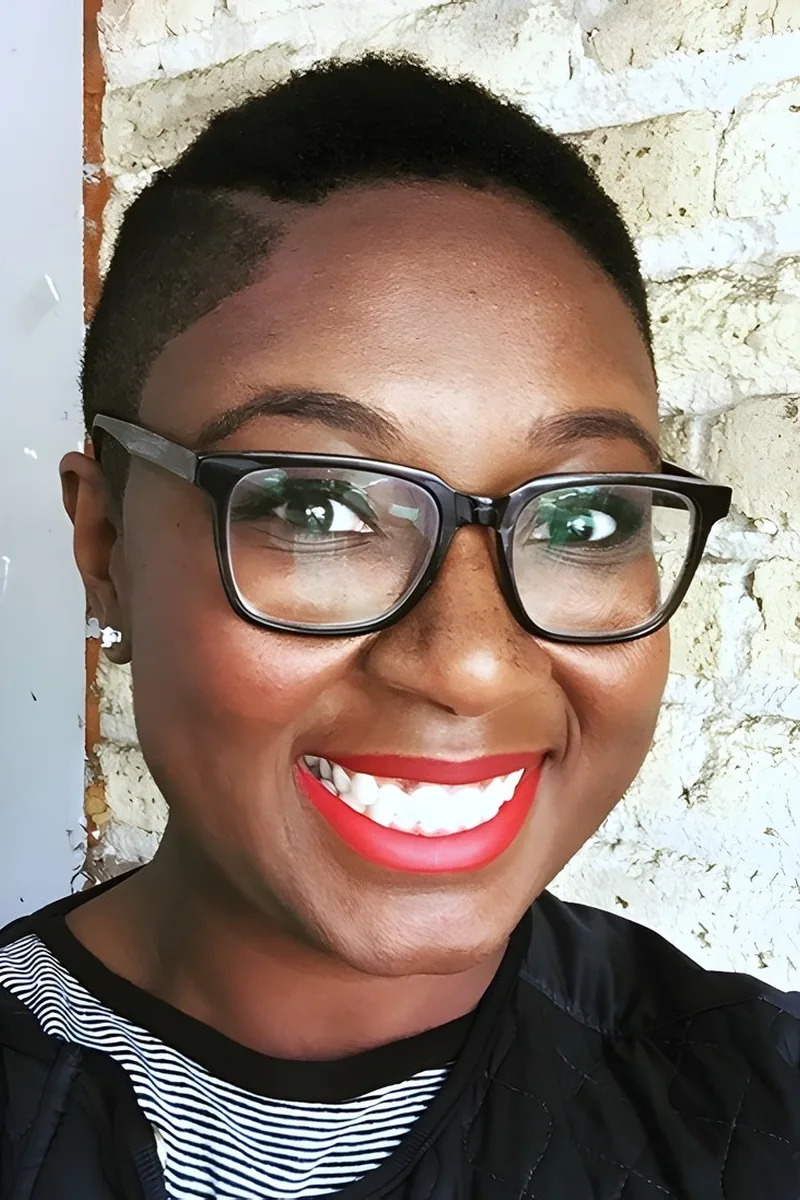
Reading literature well means doing more than summarizing plot — it means noticing how an unreliable narrator shifts tone, or why an author chooses fragmented structure over linear storytelling. Brittney studied Comparative Literature at Princeton, which trained her to analyze texts across traditions, periods, and languages. She teaches students to build interpretive arguments that hold up under scrutiny.
Reading literature well means doing more than summarizing plot — it means noticing how an author's choices in diction, structure, and imagery shape meaning. Anna's anthropology background trained her to analyze texts as cultural artifacts, a lens that adds real depth to discussions of everything from Shakespeare's sonnets to Toni Morrison's narrative techniques. She teaches students to build arguments about what they read, not just react to it.
Reading a novel closely means asking what the text is doing, not just what it's about — why Fitzgerald uses Nick as narrator, or how Morrison's syntax mirrors her characters' fractured memories. Jennifer's English BA and current MAT residency in secondary ELA give her deep practice in teaching students to build interpretive arguments grounded in textual evidence.
Reading closely — tracking symbols, unreliable narrators, shifts in tone — is a skill that sharpens with practice and the right questions. Andrew's background spans both STEM and the humanities; his longtime love of books and writing means he approaches literary analysis with genuine enthusiasm rather than treating it as a box to check. He teaches students to build interpretive arguments grounded in textual evidence.
An avid reader of classic literature, Christopher approaches texts by teaching students to trace motifs, analyze narrative perspective, and unpack how an author's choices create meaning. His background spans poetry, novels, and drama, and he treats close reading as a skill that sharpens with deliberate practice rather than something students either "get" or don't.
Reading literature well means arguing with the text — asking why a character acts, what a symbol carries, how structure shapes meaning. Daniel's sociology training sharpens his approach to literary analysis, especially when it comes to examining how authors represent class, identity, and power on the page.
College essays, SAT Reading passages, and Harvard chemistry papers all have something in common — they demand the ability to read closely and figure out what a writer is actually doing beneath the surface. James applies that same precision to literature, teaching students to trace how specific choices in imagery, dialogue, or structure build toward a theme they can argue convincingly in an essay. Rated 4.9 by students.
Reading literature well means noticing what an author chose not to say as much as what's on the page — the unreliable narrator in a novel, the volta in a sonnet, the symbolism that reframes an entire story. Matt's background as an avid reader and writer gives him a sharp eye for literary devices, and he teaches students to build interpretive arguments grounded in textual evidence.
A Harvard sociology and women's studies graduate, Solange reads literature through multiple lenses — examining how power, identity, and social context shape a text's meaning. She teaches students to move from surface-level plot summary to constructing original interpretive arguments, whether they're unpacking symbolism in Gatsby or analyzing narrative voice in Toni Morrison.
An avid reader who lists books among his main hobbies, Charles approaches literature by teaching students to build arguments from the text itself — tracing how a symbol shifts meaning across chapters or how an author's sentence structure creates tone. His analytical engineering mindset pairs surprisingly well with close reading, since both demand careful attention to how small details support a larger structure.
Studying Korean language and culture alongside biomedical engineering gave Ingrid an unusual lens for literary analysis — she's comfortable unpacking symbolism in a novel and equally comfortable building a structured, evidence-driven argument about it. She teaches students to read closely for motifs, narrative voice, and historical context, then translate those observations into essays with real analytical depth.
Reading a novel closely means learning to ask better questions — about unreliable narrators, recurring motifs, or why an author chose one structure over another. Yu's Harvard education training sharpened her ability to teach literary analysis as a skill students can practice and build, not a talent they either have or don't. She brings patience and genuine curiosity to every text, from Shakespeare to contemporary fiction.
Reading literature well means doing more than following the plot — it means noticing how an unreliable narrator shifts tone, or why an author chose a particular image to close a chapter. Liz earned her BA in History with a Humanities minor at Washington University in St. Louis, where analyzing primary texts and literary sources was daily work. She teaches students to annotate with purpose and build interpretive arguments that hold up in class discussion and on essays.
Isabella's minor in Ancient and Medieval Studies at MIT means she spent years doing close readings of dense, unfamiliar texts — exactly the skill that transfers to analyzing literature at any level. She teaches students to unpack how an author's choices in structure, diction, and imagery build meaning, turning vague impressions into precise, evidence-grounded arguments.
Analyzing literature requires more than identifying themes on a checklist. Mimi's art history training at Dartmouth taught her close-reading techniques that transfer directly to literary analysis — examining how an author's choices in structure, imagery, and point of view create meaning, then building that observation into a well-supported interpretation.
Reading a novel closely and writing about it persuasively are two different skills, and most students need practice bridging the gap. Aaron teaches students to identify literary devices — symbolism, narrative structure, shifts in tone — and then build arguments around textual evidence rather than plot summary. His analytical engineering mindset translates surprisingly well into constructing tight, logical literary analysis.
Neurobiology training at Northwestern meant Nina spent years reading dense research papers where every word choice in a methods section or discussion carried interpretive weight — a habit that sharpens literary close reading more than most people expect. She teaches students to zero in on how a specific passage's syntax, imagery, or repetition builds an argument beneath the surface, then organize those observations into essays that do more than summarize. Rated 5.0 by students.
Reading literature well means learning to sit with ambiguity — tracking unreliable narrators, unpacking symbolism, and building interpretive arguments that go beyond plot summary. Reid's background in sociology sharpens his approach to literary analysis, connecting texts to the cultural and historical forces that shaped them. He teaches students to construct close readings that hold up under scrutiny.
Literary analysis asks students to do something uncomfortable: slow down and argue about why an author made a specific choice. Michelle approaches texts by teaching close reading techniques — examining diction, imagery, and narrative structure — and then building those observations into a defensible thesis. Her analytical training in the sciences translates surprisingly well to dissecting a poem or novel.
Reading literature closely is really an exercise in argument — figuring out what a text is doing, not just what it says, and then building a case with evidence from the page. Justin's background in philosophy and his experience with essay editing give him a sharp eye for how to construct a literary analysis that's both original and well-supported. He tackles everything from close reading of imagery and syntax to structuring a thesis that holds up across multiple paragraphs.
Studying history at Harvard meant reading literature as primary evidence — novels, essays, and poetry as windows into how people actually thought during a given era. Henry brings that same analytical lens to literary study, teaching students to unpack symbolism, narrative structure, and authorial intent in works from American and world literature.
Elena approaches literature the way she thinks about everything — with the conviction that J.K. Rowling deserves the same analytical seriousness as any canonical author. Her Religious Studies and Biblical Studies training gave her deep experience with close reading, symbolism, and textual interpretation across traditions, which translates directly into unpacking a novel's themes or a poem's structure. She makes literary analysis feel like detective work rather than busywork.
Reading a poem or novel closely means asking what the author is actually arguing — about human nature, power, identity — and then tracing how literary devices serve that argument. That's the same interpretive work Justin does daily as a philosophy graduate student at the University of New Mexico, and it's the lens he brings to everything from Shakespeare's sonnets to Toni Morrison's narrative structure. Students come away writing about literature with sharper, more defensible claims.
Reading literature well means doing more than summarizing plot — it means noticing how an author's word choice, structure, and imagery build meaning beneath the surface. Sabira is an avid reader herself and teaches students to annotate with purpose, pulling specific textual evidence to support interpretations rather than guessing at themes.
Literary analysis isn't about having the "right" interpretation — it's about building an argument from the text itself, using evidence like imagery, narrative structure, and dialogue to support a claim. Asta's training at the University of Chicago, where close reading and persuasive writing were central to every course, makes her especially effective at teaching students to move from surface-level summary to layered, thesis-driven analysis.
Reading a novel is one thing; building an argument about how its structure, imagery, or narrative voice produces a particular effect is something else entirely. Ben approaches literature analytically, teaching students to move from observation to thesis by grounding every claim in textual evidence. His own love of books and writing makes those conversations richer than a standard homework review.
Literary analysis gets interesting when students stop summarizing plot and start asking why an author made a particular choice — an unreliable narrator, a disrupted timeline, a recurring image. Lauren's background in French literature and social sciences gives her a comparative lens that opens up texts students might otherwise find opaque. She teaches close reading as a skill, not a guessing game.
Reading a novel closely means tracking more than plot — it means noticing how an author uses imagery, point of view, and structure to build meaning. Sherry's psychology training adds a layer most literature tutors don't have: she can unpack character motivation and unreliable narration through a behavioral lens that makes analysis essays richer and more original.
Reading literature well means knowing how to ask productive questions of a text — why does the narrator shift tense here, what does this recurring image accumulate, how does the structure mirror the theme? Keith studied English alongside political science at Williams, where close reading across genres was a daily practice. He teaches students to build interpretive arguments grounded in textual evidence rather than plot summary.
A PhD in statistics means Sam spends most of his time building arguments from data — but literary analysis runs on the same core skill: assembling specific pieces of evidence into a coherent, defensible interpretation. He teaches students to treat a passage's imagery, word choices, and structural patterns as data points that support (or complicate) a thesis, then organize those observations into essays that do more than summarize.
Reading a novel closely is surprisingly similar to reading a patient's case history: both require tracking patterns, subtext, and unreliable narration. Shelley's psychology background gives her a distinctive lens for unpacking character motivation and thematic development in everything from Shakespeare to Toni Morrison. She teaches students to build interpretive arguments grounded in textual evidence, not just plot summary.
Renee earned her Ph.D. in Spanish and Iberian Studies, which means she's spent years doing exactly what literature courses demand: close reading, building interpretive arguments, and connecting texts to their cultural contexts. Whether a student is analyzing symbolism in a novel or writing a comparative essay on poetry, she teaches them to move from observation to thesis with confidence.
Reading literature well means noticing what an author is doing with language — why Fitzgerald chooses a color, how Toni Morrison manipulates chronology, what a shift in point of view accomplishes. Sung is a devoted reader who treats literary analysis as a skill that can be taught, not an innate talent. He walks students through close-reading techniques that turn vague impressions into precise, text-grounded arguments.
Shayan approaches literature the way a scientist approaches data: by teaching students to build interpretations from textual evidence rather than guessing at what a poem or novel "means." His biology background actually sharpens this skill — close reading is pattern recognition, whether the text is a research paper or a Shakespeare sonnet. He's especially effective at demystifying rhetorical analysis and thematic argumentation.
Analytical thinking is analytical thinking, whether you're parsing a physics problem or unpacking a passage from Toni Morrison — that's Brian's core philosophy. His broad liberal-arts engagement at Caltech trained him to read closely for argument structure, symbolic patterns, and authorial intent, and he teaches students to build interpretive claims that are grounded in specific textual evidence rather than vague impressions.
Few tutors bring a Columbia comparative literature degree and a Berkeley M.A. to a literature session. Jacob teaches students to do genuine close reading — tracking imagery, narrative voice, and structural choices across a text — then translate those observations into analytical arguments. Whether the assignment involves Shakespeare, Toni Morrison, or a poetry explication, he connects the reading to the writing.
Cognitive science trains you to ask how people construct meaning from text — why an unreliable narrator changes interpretation, or how metaphor works at a neurological level. Sugi brings that analytical lens to literature, teaching students to build arguments about theme, structure, and authorial intent rather than just summarizing plot. Rated 5.0 by her students.
Reading literature closely means learning to track how an author's choices — symbolism, narrative structure, shifts in tone — build meaning across a text. Akarsh approaches literary analysis the way he approaches scientific inquiry: by teaching students to gather textual evidence first and build interpretations from there, rather than guessing at themes.
College essays, grammar, and English already sit in Jai's regular teaching rotation, so when he picks up a literary text, he's reading with a writer's eye — tracking how an author's sentence rhythms, word choices, and structural decisions create effects that go beyond the story itself. His Stanford EECS training adds an unexpected edge: he's wired to ask how something works, which is exactly the question that turns a surface-level book report into a real piece of literary analysis.
Testimonials
Because the right Literature tutor makes all the difference.
Average Session Rating – Based on 3.4M Learner Ratings
Top 20 English Subjects



Top 20 Subjects
Frequently Asked Questions
Many students struggle to move beyond plot summary and develop meaningful interpretations of texts. Common challenges include identifying and analyzing literary devices (metaphor, symbolism, tone, imagery), understanding how these devices support a work's themes, and supporting interpretations with specific textual evidence. Students often write what they think the teacher wants to hear rather than developing their own analytical voice. A Literature tutor helps students learn to ask critical questions about a text—why did the author use this word choice? What does this symbol represent?—and then build arguments grounded in close reading.
A strong thesis in Literature goes beyond stating a fact about a text; it makes an arguable claim about meaning, significance, or craft. Tutors work with students to move from vague observations ("Symbolism is important in this novel") to specific, debatable arguments ("The recurring motif of water represents the protagonist's internal struggle between freedom and responsibility"). The tutor guides you to test your thesis against the text, ask whether it's specific enough to sustain an essay, and refine it through revision. This personalized feedback on your emerging ideas—before you've written the full essay—saves time and prevents you from heading down weak argumentative paths.
Close reading is the practice of carefully examining specific passages—word choice, syntax, imagery, tone—to uncover layers of meaning in a text. Rather than reading passively for plot, close readers ask: What is the author doing here? How does this sentence work? What does the language reveal about character or theme? Many students skim texts or rely on SparkNotes summaries, missing the rich details that make strong literary analysis possible. Tutors teach close reading strategies like annotating for patterns, tracking shifts in tone, and noticing what an author emphasizes or omits—skills that transform how students engage with literature and write about it.
Weak essays often drop quotes into paragraphs without explanation, leaving readers confused about relevance. Strong integration means introducing the quote (with context about who speaks, when, or why), including the quote itself, and then analyzing what it reveals—explaining the connection between the evidence and your argument. For example, rather than just citing a quote about a character's fear, you'd explain how the specific word choice or imagery conveys that fear and supports your larger point about the character's development. Tutors provide real-time feedback on your drafts, showing you how to frame quotes with signal phrases, choose the most telling passages, and follow quotes with analysis that proves their significance to your thesis.
Developing a distinctive analytical voice means moving beyond formulaic five-paragraph essay structures and writing with confidence in your interpretations. Many students default to passive constructions ("It can be argued that...") or overly formal language that obscures their thinking. Strong literary analysis uses precise, active language and lets your reasoning shine through. Tutors help you recognize the difference between grammatical correctness (which matters) and stylistic choices that reflect how you think. Through revision conversations, you'll learn which sentences are doing real analytical work, where you can be more concise or more specific, and how to sound like a thoughtful reader rather than a student trying to sound "academic."
Revision in Literature writing happens in layers. First, check that your thesis is clear and specific, and that every paragraph supports it—this is argument-level revision. Next, examine your evidence: Are your quotes the strongest possible examples? Do you analyze them deeply enough? Then refine your analysis and voice: Are you explaining *why* the evidence matters, or just *what* it says? Finally, address sentence-level issues like clarity and word choice. Many students revise only for grammar, missing opportunities to strengthen their arguments. Tutors guide you through this systematic revision process, asking questions that help you identify weak spots in reasoning, surface-level analysis, or underdeveloped ideas—and then work with you to deepen your thinking before you polish for grammar.
Each genre has distinct features that require different analytical approaches. Poetry demands close attention to form—line breaks, meter, rhyme scheme, stanza structure—and how these formal choices create meaning. Drama requires analyzing dialogue, stage directions, and dramatic irony to understand character and conflict. Novels offer more space for character development, narrative perspective, and thematic complexity across hundreds of pages. Students often apply the same analytical toolkit to all genres and miss what makes each one unique. Tutors help you develop genre-specific reading strategies: learning to hear the music of a poem, recognizing how a playwright uses silence and movement, or tracking how a novelist's narrative voice shapes your understanding of events.
Literature essays typically use MLA (Modern Language Association) format, though some teachers may request APA or Chicago style. MLA emphasizes in-text citations with author and page number, plus a Works Cited page—this format keeps focus on the text itself rather than publication date. Correct citation matters because it gives credit to sources, allows readers to find the passages you reference, and demonstrates you've engaged with the actual text rather than summaries. Beyond formatting rules, citation reflects your credibility as a reader and writer. Tutors ensure you understand the logic behind citation (why we cite, not just how), help you format correctly for your assignment, and teach you to integrate citations smoothly into your prose so they support rather than interrupt your analysis.
Let’s find your perfect tutor
Answer a few quick questions. We’ll recommend the right plan and match you with a top 5% tutor.