Award-Winning AP English Literature and Composition
Tutors
AP English Literature and Composition
Tutors
Private 1-on-1 tutoring, weekly live classes for academic support, test prep & enrichment, practice tests and diagnostics, and more to elevate grades and test scores.
Based on 3.4M Learner Ratings
UniversitiesSchools & Universities
DeliveredHours Delivered
ProficiencyGrowth in Proficiency
Who needs tutoring?
No obligation. Takes ~1 minute.
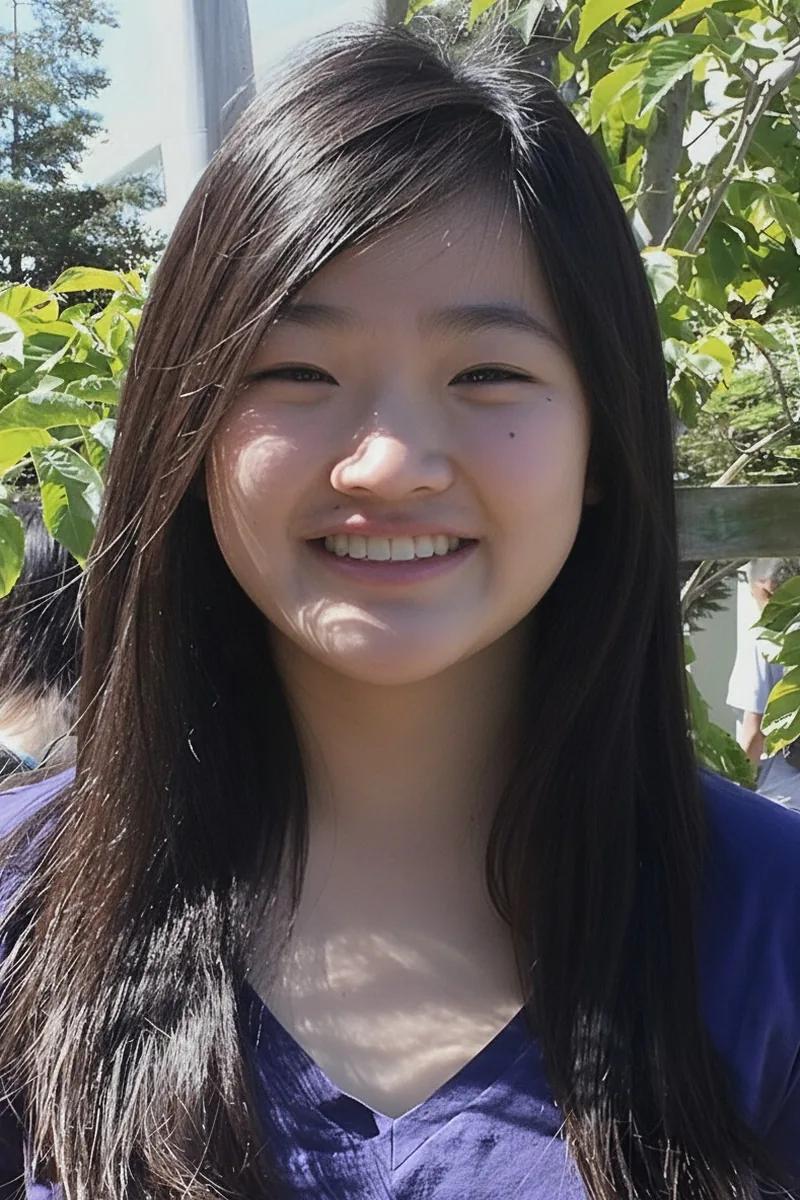
AP Lit essays live or die on how well a student can connect a specific literary device — a symbol, a shift in narrative voice, an ironic reversal — to the work's larger meaning. Julie's philosophy background at Princeton trained her to construct tight, thesis-driven arguments from textual evidence, exactly the skill the exam's free-response questions demand.
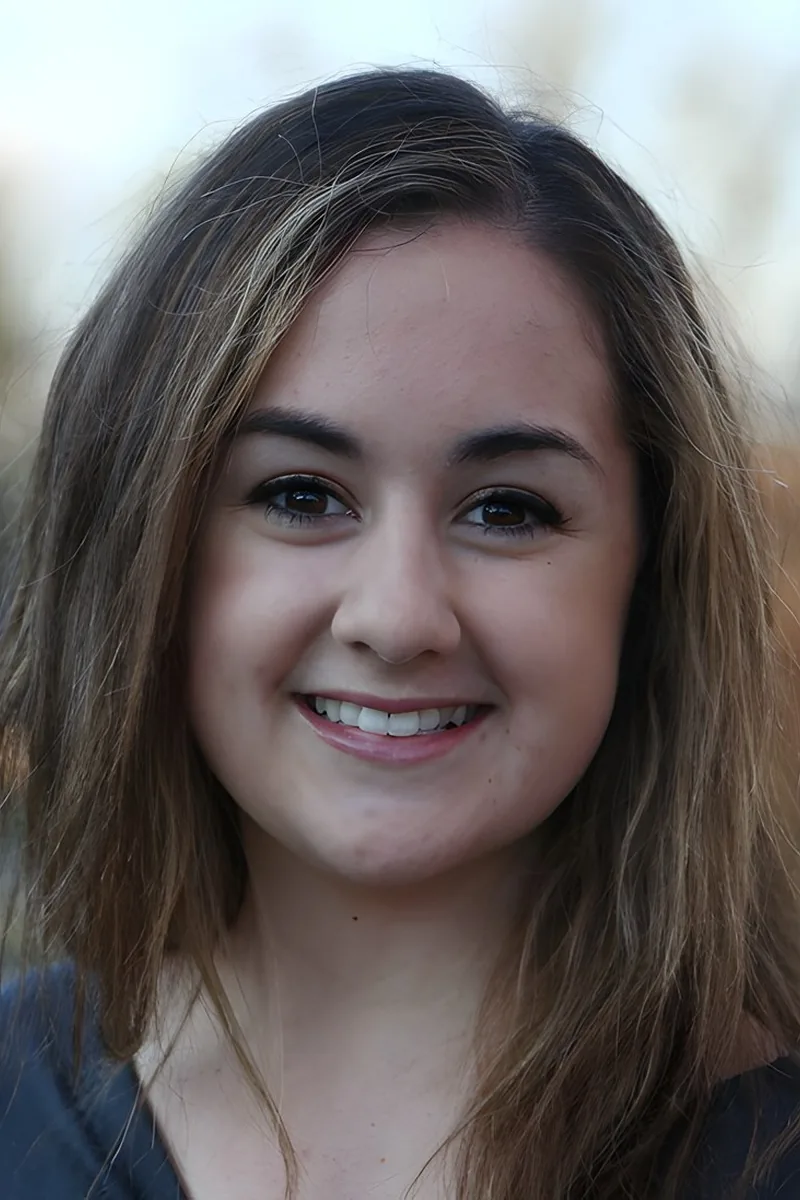
Spending a semester at Madrid's top-ranked university reading literature alongside Spanish students sharpened Meghan's ability to dissect texts across cultural contexts — exactly the close-reading skill AP Lit demands. She teaches students to build thesis-driven essays around literary devices like imagery, tone shifts, and narrative structure, not just plot summary. Her 5.0 rating speaks to how well that translates in practice.
AP Lit asks students to do something genuinely difficult: read a poem or passage they've never seen before and build an analytical argument about it under time pressure. Sydny approaches each essay prompt by teaching students to identify literary devices — imagery, tone shifts, narrative structure — and convert those observations into a thesis that actually says something specific.
AP Lit asks students to do something genuinely difficult: read a poem or passage they've never seen and produce a polished analytical essay under time pressure. Kirstie teaches close-reading techniques — tracking imagery patterns, identifying shifts in tone, unpacking syntax choices — that give students a repeatable framework for any unseen text. Her own background in literature and comparative literature means she can draw connections across periods and genres that deepen a student's analysis.
AP Lit asks students to do something genuinely difficult: write a polished literary argument under time pressure about a poem or passage they've never seen before. Dalton digs into the close-reading mechanics that make that possible — tracking shifts in tone, identifying how figurative language builds meaning, and constructing thesis statements that go beyond plot summary. Rated 4.9 by students.
AP English Literature asks students to do something genuinely difficult: read a poem or prose passage they've never seen and produce a polished analytical essay in under forty minutes. As a PhD candidate in American Literature at UConn, Meghan digs into the specific skills the exam rewards — thesis construction, close reading of figurative language, and integrating textual evidence without plot summary. She keeps sessions dynamic by rotating through poetry, drama, and fiction so students build range across genres.
AP English Lit demands more than plot summary — it asks students to analyze how literary devices create meaning in poetry and prose, then argue that analysis under timed conditions. Jonathan's University of Chicago education, heavy in literature and philosophy, trained him to do exactly that: construct a tight, evidence-driven essay about tone, imagery, or narrative structure in under forty minutes. His debate background also sharpens the thesis-building skills that earn top scores on the free-response section.
AP Lit asks students to do something genuinely difficult: read a poem or prose passage cold and produce a polished literary argument in forty minutes. Jean's dual background in history and law sharpened her ability to construct tight, evidence-driven arguments under pressure — exactly the skill this exam rewards. She teaches students to move past plot summary and dig into how literary devices like imagery, tone shifts, and narrative structure create meaning.
AP English Lit asks students to do something genuinely difficult: write a persuasive literary argument under timed conditions about a poem or passage they've never seen before. Paula's approach digs into close reading techniques — tracking imagery patterns, shifts in tone, narrative perspective — so that students walk into the exam knowing how to generate an original thesis on the spot. Her background in both Psychology and Communication Studies sharpens the way she unpacks character motivation and authorial intent.
Analyzing how a poet's syntax mirrors emotional tension, or tracing a novel's symbolic architecture across 300 pages — AP Lit demands close reading at a level most high schoolers haven't encountered before. Martha's experience writing analytical papers at Duke and editing college essays sharpens her ability to teach students how to build a thesis from textual evidence and defend it in a timed essay.
I'm a current PhD student in the history department at Georgetown University who is also an experienced instructor with Varsity Tutors. As a recipient of several degrees, the most recent being a BA in history from Hillsdale College and a MA in Russian, East European, and Eurasian Studies from Stanford University, I have long sought to make teaching my profession. Meanwhile, as a volunteer grade school teacher and a tutor with this company, I have many years' experience helping students reach their full potential. I am capable of teaching students in many subjects, including reading, mathematics, test prep, Latin, and especially writing, history, and literature. In practice, I am comfortable adapting to different learning styles and specific student preferences. Outside of my academic and career endeavors, I enjoy cooking, reading, and listening to and making music.
Close reading is the backbone of AP Lit, and Elena's graduate training in art history taught her to analyze visual and written texts with the same forensic attention to detail. She teaches students to unpack poetic structure, narrative voice, and figurative language in ways that translate directly into high-scoring free-response essays. Her approach treats each passage like an artifact worth investigating, not just a prompt to answer.
AP Lit's free-response questions reward students who can move past plot summary and build an argument about how literary techniques create meaning. Andrew studied literature at the undergraduate level and later sharpened his argumentative writing through law school, so he teaches students to construct thesis-driven essays that connect imagery, diction, and structure to a poem's or novel's larger purpose. That combination of literary knowledge and persuasive writing skill shows in his 4.8 rating.
AP English Literature asks students to do exactly what Winnie was trained for: read a poem or prose passage cold and produce a sharp, thesis-driven essay under time constraints. Her comparative literature background means she can teach students to analyze imagery, narrative voice, and structural choices across traditions — from Victorian novels to postcolonial fiction — with the specificity the exam demands.
AP English Lit asks students to do something genuinely difficult: read a poem or passage cold and produce a polished analytical essay under time pressure. Sarah's BA in English from Oberlin and her ongoing PhD work at Harvard mean she can teach students to unpack figurative language, track shifts in tone, and build thesis-driven arguments about texts they've never seen before. Her poetry background is especially useful for the notoriously challenging poetry analysis prompt.
AP Lit asks students to do something genuinely difficult: read a poem or prose passage cold and produce a polished analytical essay in forty minutes. Hasan studied Literary Arts at Brown, where his coursework ranged from contemporary American fiction to ancient Indian classics, giving him the interpretive toolkit to teach students how to unpack imagery, structure, and narrative voice under exam conditions.
AP Lit asks students to do something most haven't practiced: write a polished literary argument under pressure, using textual evidence with precision. David breaks down each essay type — the poetry analysis, the prose fiction analysis, the literary argument — and shows how to build a thesis that goes beyond plot summary into genuine interpretation.
AP Lit is Meagen's sweet spot. As an English major at Carleton College who genuinely lights up over close reading, she digs into how literary devices function within a text — not just identifying a metaphor but explaining what it accomplishes in the passage's argument or characterization. Her sessions on the free-response essays zero in on crafting a defensible thesis and weaving textual evidence into every body paragraph.
AP Lit demands more than knowing what a poem or novel is about — it requires writing about how literary choices create meaning under serious time pressure. Rebecca's English degree from Notre Dame, paired with her deep reading background in comparative literature and philosophy, gives her a sharp eye for the kind of close-reading analysis that earns high marks on poetry and prose essays.
AP Lit's free-response questions reward students who can move beyond plot summary and build arguments around literary devices — symbolism, tone shifts, narrative structure. Priscilla's Harvard coursework in government and economics trained her to construct tight, evidence-driven essays under pressure, a skill she applies directly to poetry and prose analysis on exam day.
AP English Literature asks students to do something genuinely difficult: read a poem or prose passage they've never seen and write a polished analytical essay in forty minutes. Amy digs into the specific skills that earn high scores — identifying literary devices like free indirect discourse or shifts in tone, then weaving those observations into a thesis-driven argument. As a college English major and lifelong reader, she knows this territory intimately.
AP English Literature demands more than summarizing a novel — it requires close reading that connects imagery, diction, and structure to a text's deeper argument. Stephanie's Princeton coursework sharpened her ability to analyze poetry and prose at the college level, and she applies that same rigor when walking students through timed essay responses and multiple-choice passage analysis.
AP English Literature demands more than summarizing a novel — it asks students to dissect how imagery, tone, and narrative structure produce meaning in a specific passage. David's English degree and his graduate work with rare books and manuscripts gave him a close-reading discipline that translates directly into the kind of textual analysis the free-response essays reward. He teaches students to build arguments from the text outward, anchoring every claim in concrete literary evidence.
AP Lit asks students to do something most high schoolers haven't practiced: build an argument about how a poem or passage works, not just what it means. Brittany's Yale literature background and college-level teaching experience mean she can walk through the difference between summary and analysis, then show how to structure a timed essay that earns top marks on the rubric.
AP Lit asks students to do something most haven't practiced: build a literary argument under time pressure using only the text in front of them. Rebecca teaches close-reading strategies for poetry and prose — identifying shifts in tone, tracking imagery patterns, and constructing thesis-driven free-response essays that earn high marks.
AP Lit asks students to do something most haven't practiced: write a persuasive literary argument under time pressure, using textual evidence with precision. Olivia teaches the difference between summarizing a poem or passage and actually analyzing how its language produces meaning — the skill that separates 3s from 5s on the free-response questions. She's particularly strong on poetry analysis, where students tend to freeze up without a clear method for unpacking imagery, tone, and structure.
Teaching high school English while holding an MA in English with a focus on feminist critical theory, Danah knows exactly what AP Lit readers reward: thesis specificity, embedded textual evidence, and sophisticated literary analysis that goes beyond plot summary. She unpacks how to write a compelling free-response essay on poetry, prose, and open-prompt questions under timed conditions. Rated 5.0 by students.
AP Lit essays live or die on how well a student can connect a specific literary device to a work's larger meaning — not just identify a metaphor, but explain what it's doing. Sophia, an award-winning creative writer with a Vanderbilt humanities background, teaches students to build that kind of argument under timed conditions, whether they're tackling a poetry analysis or an open-ended prompt. Her own writing practice gives her a sharp eye for the difference between summary and genuine literary analysis.
AP Lit asks students to do something genuinely difficult: read a poem or prose passage cold and produce a coherent literary argument in 40 minutes. Michelle, whose background spans history and comparative literature, teaches students to build claims around specific devices — imagery patterns, shifts in tone, narrative framing — rather than summarizing plot. That analytical muscle is what earns 4s and 5s.
AP Lit asks students to do something most haven't practiced — write analytically about how a poem's structure or a novel's narrative technique creates meaning, not just summarize plot. As a Yale humanities student and avid reader, Tessa digs into the close-reading skills that earn high marks on the poetry free-response and the open-ended essay. She's particularly sharp on teaching students to move from observation ('there's a metaphor here') to argument ('here's what it does and why it matters').
AP Lit asks students to do something most high schoolers haven't practiced: read a poem or prose passage cold and immediately build an argument about how its literary devices create meaning. Jake tackles this by teaching close-reading techniques — tracking shifts in tone, identifying figurative patterns, and connecting formal choices to thematic claims — so the timed essay feels less like a scramble and more like a structured conversation with the text.
AP Lit essays live or die on how well a student can connect a specific literary device to the text's larger meaning — not just spotting the metaphor, but explaining what it *does*. Kenan's background across literature and analytical writing means he can coach both the close-reading instinct and the timed-essay structure the exam demands, from poetry analysis to the open-ended prompt.
AP English Literature asks students to do something genuinely hard: read a poem or passage cold and produce a coherent analytical essay under time pressure. Kahini earned her English degree at Brown, where close reading of literary form — meter, narrative structure, figurative language — was the daily expectation. She teaches students to build an argument from a single textual detail outward rather than summarizing plot.
AP English Literature asks students to do something most haven't been trained for: write a polished literary argument under time pressure about a poem or passage they've never seen. Maddy wrote an honors thesis on art criticism at Harvard and spent years analyzing fiction, poetry, and Shakespeare — she teaches the close-reading instincts and essay structures that earn high scores on the free-response section.
A PhD in Religion and a bachelor's in philosophy gave Chang deep experience doing exactly what AP Lit demands: close reading of complex texts and constructing interpretive arguments under pressure. He teaches students to move beyond plot summary and build thesis-driven essays that analyze literary devices, narrative structure, and authorial intent with real textual evidence.
AP Lit asks students to do something genuinely difficult: read a poem or prose passage cold and build a convincing argument about how it works in under 40 minutes. Jack's theatre training at Northwestern gave him a performer's instinct for close reading — he knows how tone shifts, imagery, and structural choices create meaning because he's had to inhabit texts from the inside. He teaches students to move from noticing literary devices to actually arguing what those devices accomplish.
AP English Literature demands more than plot summary — it asks students to write about how a poem's enjambment creates tension or how a novel's narrative voice shapes meaning. Cynthia studied Folklore & Mythology at the college level, giving her deep experience with close reading across genres and centuries. She teaches students to build literary arguments that earn high marks on both the multiple-choice and free-response sections.
AP Lit asks students to do something genuinely difficult: read a poem or prose passage cold and produce a polished analytical essay under time pressure. Merav's MFA in Theater Arts means she spent years dissecting dramatic texts for subtext, imagery, and structural choices — exactly the interpretive muscles this exam tests. She teaches students to build a thesis from a single, well-chosen literary device rather than summarizing plot.
AP Lit asks students to do something uncomfortable: defend an interpretation of a poem or passage they've never seen before, in forty minutes, with textual evidence. Cassandra approaches this as an analytical challenge, teaching students to identify literary devices like tone shifts and figurative language and then convert those observations into a coherent argument. Her science background actually sharpens this process — she treats close reading like hypothesis testing.
Poetry analysis is where Carla comes alive. Her deep background in English literature means she can teach students to unpack a Dickinson poem's slant rhyme or trace the symbolic architecture of a Toni Morrison novel — exactly the kind of close reading that earns high marks on AP Lit free-response essays. She also coaches students on managing the multiple-choice section's time pressure without sacrificing careful reading.
Testimonials
Because the right AP English Literature and Composition tutor makes all the difference.
Average Session Rating – Based on 3.4M Learner Ratings
Practice AP English Literature and Composition
Free practice tests, flashcards, and AI tutoring for AP English Literature and Composition
Top 20 English Subjects


Top 20 Subjects
Frequently Asked Questions
The three most common pain points are: (1) analyzing complex poetry and prose under time pressure—students often miss layers of meaning or struggle to connect textual evidence to broader themes; (2) managing the 3-hour exam pacing, especially the poetry analysis section where students have limited time to deeply engage with unfamiliar texts; and (3) distinguishing between identifying literary devices and actually explaining their rhetorical effect, which the exam requires. Many students can spot a metaphor but struggle to articulate why the author chose it and what it accomplishes in context.
The poetry analysis question rewards students who move beyond listing devices to explaining their cumulative effect on meaning. A strong approach is to identify 3-4 key literary elements (imagery, tone, syntax, sound devices) that work together, then build your thesis around how these elements create a specific emotional or thematic impact. Practice writing under timed conditions—you have about 40 minutes for this essay—and focus on embedding evidence seamlessly rather than quoting long passages. Many tutors recommend analyzing 2-3 poems per week, annotating for purpose rather than just identifying techniques, to build speed and analytical depth.
You have about 1 minute per question for 55 multiple-choice items across two prose passages and one poem—a tight pace that requires strategic reading. Rather than reading the entire passage first, many high-scorers skim for structure and tone, then read questions and return to specific lines for evidence. This approach prevents getting lost in dense prose while ensuring you ground answers in the text. Practice with official AP exams to build familiarity with question patterns (tone/attitude questions, inference questions, and function-in-context questions are most common) so you can quickly identify what each question is really asking.
The exam distinguishes between students who identify literary devices and those who explain their rhetorical purpose—why the author made that choice and what it communicates. When you encounter a technique, ask yourself: "What feeling or idea does this create? How does it support the author's larger message?" For example, don't just note that a passage uses short, fragmented sentences; explain that the fragmentation creates urgency or disorientation that mirrors the character's mental state. Tutors often recommend practicing with released AP essays to see how top-scoring responses connect micro-level textual choices to macro-level themes and author's purpose.
Unfamiliar texts are intentional—the exam tests your ability to analyze any text, not your prior knowledge. Build a reliable analytical framework: start by identifying the speaker, setting, and tone; then track how key images or ideas develop and shift; finally, consider what the patterns suggest about meaning. Practice with poems and prose passages outside your classroom reading list weekly, using the same annotation system each time so it becomes automatic under pressure. This consistent practice builds pattern recognition and reduces the anxiety that comes with seeing a new text—you'll trust your process rather than panic about not knowing the work.
Score improvement depends on your starting point and consistency. Students who work with tutors on targeted weaknesses—like moving from surface-level analysis to deeper interpretation, or improving Free Response organization—typically see 1-3 score point gains (on the 1-5 scale) over 8-12 weeks of regular practice. The biggest gains come from students who practice full timed exams weekly, get detailed feedback on essay structure and evidence integration, and actively revise their approach based on that feedback. If you're scoring a 2-3, reaching a 4 is very achievable with focused work; jumping from 4 to 5 requires mastery of nuance and consistency across all three essay types.
Your thesis should make a specific claim about how literary elements work together to create meaning—not just "the author uses imagery"—but "the author's shifting imagery of light and shadow traces the character's moral awakening." Structure-wise, the AP rewards essays that weave evidence directly into analysis rather than quoting first and explaining after. Each body paragraph should focus on one major literary element or thematic strand, with 2-3 pieces of textual evidence embedded within your explanation of their effect. Avoid plot summary; instead, use specific moments to support your interpretation. Tutors often have students outline their essays before writing to ensure the argument flows logically and each paragraph advances the thesis.
The comparative essay requires you to analyze how two texts treat a similar theme or concept, and many students struggle because they write two separate analyses instead of a true comparison. The strongest essays identify a specific interpretive lens—for example, how both texts use nature imagery to explore human vulnerability—then analyze each text through that lens, constantly comparing their approaches. Rather than "Text A does X, Text B does Y," aim for "Both texts use X, but Text A emphasizes Y while Text B emphasizes Z, revealing different perspectives on the theme." Practice identifying meaningful similarities and differences before writing, and use comparative language (similarly, conversely, in contrast) to signal your comparative thinking throughout the essay.
Let’s find your perfect tutor
Answer a few quick questions. We’ll recommend the right plan and match you with a top 5% tutor.