Award-Winning AP Spanish Literature and Culture Tutors
serving Kansas City, MO
AP Spanish Literature and Culture
Tutors in Kansas City
Private 1-on-1 tutoring, weekly live classes for academic support, test prep & enrichment, practice tests and diagnostics, and more to elevate grades and test scores.
Based on 3.4M Learner Ratings
UniversitiesSchools & Universities
DeliveredHours Delivered
ProficiencyGrowth in Proficiency
Who needs tutoring?
No obligation. Takes ~1 minute.

Before college, Heather's high school Spanish teacher trusted her enough to refer another student to her for one-on-one tutoring — the kind of endorsement that speaks to genuine command of the language beyond classroom basics. Her psychology training adds a useful angle for AP Literature essays where character motivation and identity themes drive the analysis, and she brings patient, structured coaching to students who get overwhelmed by timed writing in Spanish. Rated 5.0 by students.
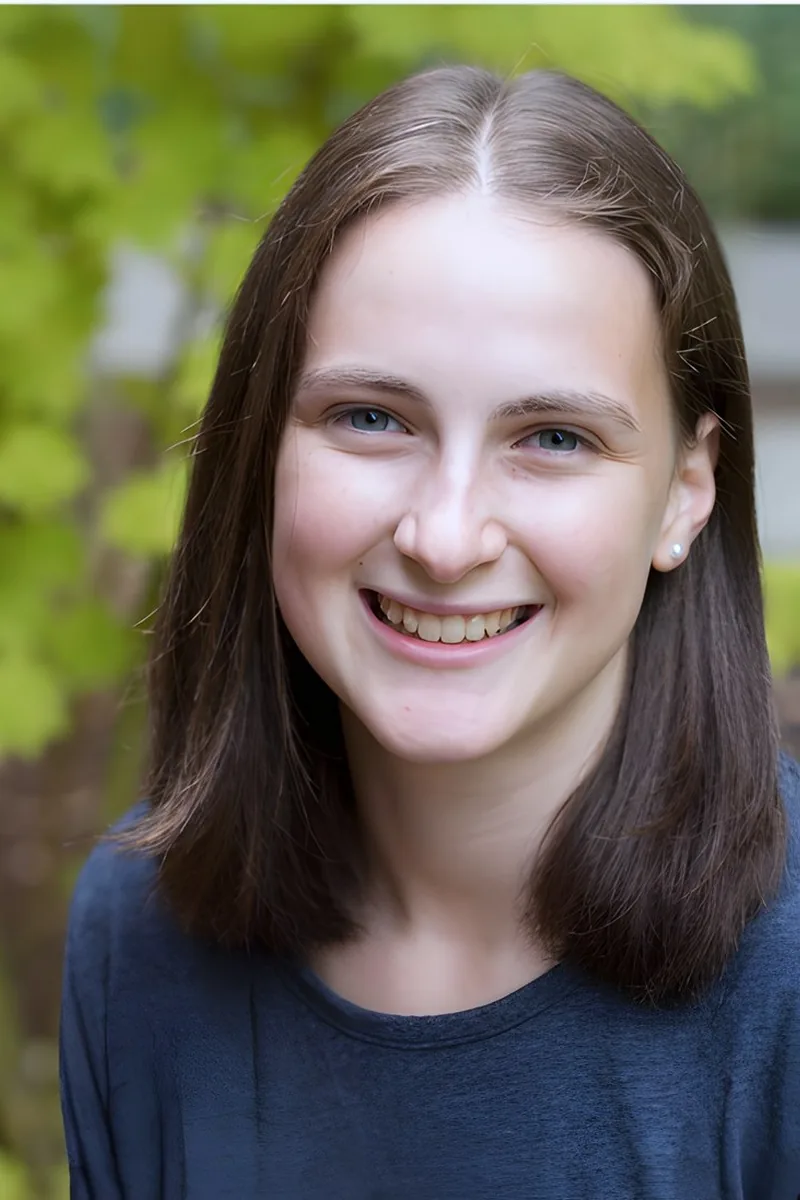
Studying Latin American Studies at Columbia alongside her American Studies major, Grace reads and analyzes Spanish-language literature at the university level daily. She unpacks the thematic and stylistic demands of the AP exam — from close reading García Márquez's magical realism to writing persuasive literary analysis essays in Spanish — with the cultural context that the rubric rewards.
Elliot's training is in neuroscience and cognitive science, not Spanish literature — so this is a peripheral subject for him. That said, his PhD-level analytical skills and experience teaching writing and essay construction mean he can coach students on the structural mechanics of timed literary essays: building a thesis, organizing textual evidence, and arguing a point clearly under pressure.
Currently pursuing a graduate degree in Spanish & Portuguese Languages & Cultures while holding a BA in Spanish and French, Mia lives inside the literary and cultural traditions this exam covers — she's not just reviewing the reading list, she's actively studying the broader canon it draws from. That depth means she can teach students how a work's grammar and syntax choices carry meaning, turning close-reading instincts into the kind of thesis-driven essays the free-response section rewards. Rated 5.0 by students.
Political science and law school prep might seem far from the AP reading list, but Diana's training in constructing tight, evidence-based arguments translates directly to the exam's free-response essays — where a well-structured thesis about a Borges story or a Sor Juana poem matters as much as Spanish fluency. Her background in Latin and AP Spanish coursework gives her the linguistic foundation to coach students through close reading and essay drafting in Spanish, especially on the argumentative structure that separates mid-range scores from top ones.
Fully fluent in Spanish and studying at the University of Chicago, Emerson brings genuine literary analysis skills to AP Spanish Literature and Culture — from unpacking the magical realism in García Márquez to dissecting the poetry of Sor Juana Inés de la Cruz. He teaches students to write the kind of analytical essays the AP exam rewards, connecting themes across literary periods in clear, well-structured Spanish prose.
Studying Spanish as a full degree — not just a minor or elective — means Alexandra has spent years reading and analyzing literary works in the original language, from García Márquez to Sor Juana. She teaches students to write the kind of thematic analysis essays the AP exam demands, connecting literary movements like el realismo mágico to their cultural and historical contexts.
Reading García Márquez or Sor Juana Inés de la Cruz in the original Spanish demands more than vocabulary — it requires understanding literary movements, rhetorical devices, and the cultural contexts that shaped each work. Corey studied Latin American & Caribbean Studies alongside cognitive science at the University of Michigan, giving him both the literary background and the analytical framework to unpack AP Spanish Literature's required reading list. He connects themes across periods so students can write stronger comparative essays on exam day.
A PhD in Spanish & Portuguese means Casey has spent years inside the texts that define this exam — from medieval romances and Sor Juana's baroque poetry to García Márquez's magical realism and Borges's labyrinths. She teaches students to build the kind of close-reading arguments in Spanish that earn top scores on the literary analysis free-response questions. Rated 5.0 by students.
Growing up speaking Spanish at home after moving from Chile, then studying abroad in Salamanca, Carlos developed the kind of native-level fluency that catches the subtle register shifts and idiomatic layers in AP reading list works — from colonial poetry to contemporary Latin American prose. His daily work as a bilingual writer at St. Jude Children's Research Hospital keeps his written Spanish sharp and precise, which directly feeds into coaching students on constructing timed analytical essays that move beyond plot summary into genuine literary argumentation.
Renee's PhD in Spanish and Iberian Studies means she's spent years inside the literary traditions the AP exam tests — not just reading Garcilaso or Unamuno, but producing original scholarship on how these texts function within broader Iberian cultural movements. That academic depth shapes how she teaches students to construct thesis-driven essays in Spanish, moving from close reading of a passage's formal choices to the kind of cultural argumentation that earns top scores on the free-response section.
Born and raised in San Juan, Puerto Rico, Carla is a native Spanish speaker whose theater background gives her a distinctive angle on literary analysis — she teaches students to read dramatic texts like *La casa de Bernarda Alba* and poetry by Sor Juana as living performances, not just words on a page. That instinct for voice, tone, and subtext translates directly to the close-reading and essay skills the AP exam rewards. Rated 5.0 by students.
Testimonials
Because the right AP Spanish Literature and Culture tutor makes all the difference.
Average Session Rating – Based on 3.4M Learner Ratings
Nearby AP Spanish Literature and Culture Tutors
Other Kansas City Tutors
Related Languages Tutors in Kansas City
Frequently Asked Questions
AP Spanish Literature and Culture focuses on works from Spanish-speaking countries across different time periods and genres. The course examines six thematic units: time, space and movement; human experience; families and communities; science, technology and the future; artistic expression; and beauty and aesthetics. Students read a required list of canonical texts—including works by authors like García Márquez, Allende, and Cortázar—and analyze them through literary devices, historical context, and cultural significance. The exam tests your ability to interpret complex texts, discuss themes, and make connections across works.
Many students struggle with the depth of literary analysis required—it's not just about reading comprehension, but interpreting symbolism, tone, and cultural nuances in Spanish. Time management during the exam is another common challenge, especially for the free-response section where you need to write coherent essays in Spanish under pressure. Additionally, building vocabulary specific to literary criticism and understanding historical/cultural contexts of different texts can feel overwhelming. Personalized tutoring helps you develop analysis strategies, practice timed writing, and build confidence with the specific texts on the AP reading list.
Score improvement depends on your starting point and how consistently you engage with tutoring. Students who work with tutors typically see gains by strengthening their analytical skills, understanding exam question formats, and practicing timed essays. Many students jump from a 2 or 3 to a 4 or 5 by focusing on essay structure, textual evidence selection, and reducing careless errors. The key is starting preparation early—ideally several months before the exam—so you have time to work through the required texts and practice multiple full-length exams.
Your first session is about understanding where you are and where you want to be. A tutor will likely assess your current reading comprehension level, ask about your comfort with literary analysis in Spanish, and discuss your target score. You might review a sample AP essay prompt or passage together to identify specific areas for improvement—whether that's essay organization, vocabulary, or understanding cultural context. From there, your tutor will create a personalized study plan that aligns with your timeline and focuses on your biggest challenges.
Strong AP Spanish essays require a clear thesis, specific textual evidence, and analysis that connects quotes to your argument—not just summary. Tutors help you develop a reliable essay structure, practice organizing your thoughts quickly, and learn to select the most compelling evidence from texts. Timed practice is essential: working through multiple essays under exam conditions helps you manage the 40-minute time limit and builds the muscle memory to write fluently in Spanish. Your tutor can also give you feedback on grammar, vocabulary choices, and how well you're addressing the specific prompt.
Rather than trying to memorize everything, focus on understanding key themes, major characters, and important scenes in each work. Many students benefit from reading summaries or watching film adaptations alongside the text to build context, then diving into close reading of significant passages. Tutors can guide you through the most important texts, help you identify recurring themes across works, and teach you how to reference specific examples during the exam. Creating study guides or flashcards for each text—organized by theme—makes it easier to recall details when analyzing exam prompts.
Test anxiety often stems from feeling unprepared or unsure about what to expect. Taking multiple practice tests under timed conditions helps normalize the exam format and builds confidence in your ability to manage the time. Developing a pre-exam routine—like reviewing key vocabulary or doing breathing exercises—can calm your nerves. Tutors also help you identify which sections trigger the most anxiety and create targeted strategies to address those weak spots, so you feel more in control on test day. Remember that the exam is designed to measure what you know, not to trick you.
Look for tutors with strong Spanish language skills, ideally native or near-native fluency, combined with deep knowledge of Spanish and Latin American literature. Experience preparing students specifically for the AP exam is valuable—they'll know the exact format, scoring rubrics, and common student mistakes. Tutors should be able to explain literary concepts clearly in English while helping you develop analysis skills in Spanish. Varsity Tutors connects you with expert tutors who have proven track records helping students succeed on this challenging exam.
Let’s find your perfect tutor
Answer a few quick questions. We’ll recommend the right plan and match you with a top 5% tutor.