Award-Winning PCAT Chemistry
Tutors
PCAT Chemistry
Tutors
Private 1-on-1 tutoring, weekly live classes for academic support, test prep & enrichment, practice tests and diagnostics, and more to elevate grades and test scores.
Based on 3.4M Learner Ratings
UniversitiesSchools & Universities
DeliveredHours Delivered
ProficiencyGrowth in Proficiency
Who needs tutoring?
No obligation. Takes ~1 minute.
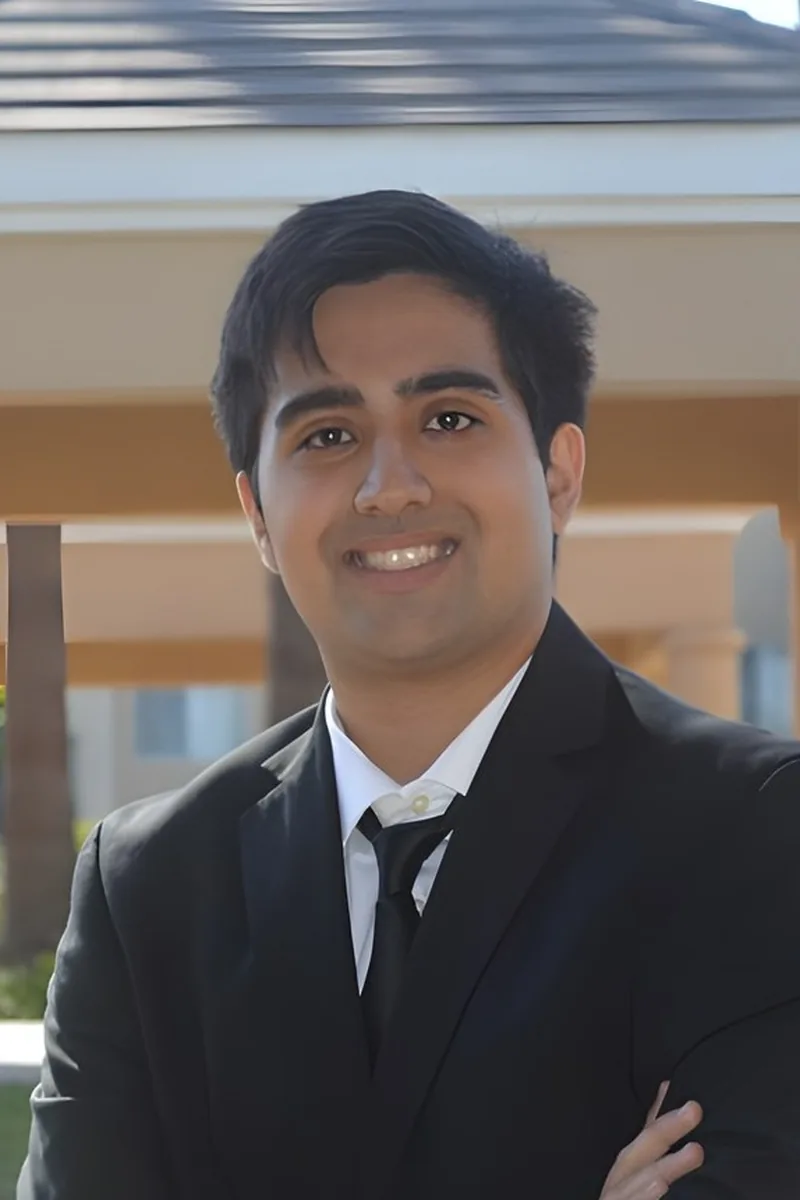
A medical student at the Medical College of Wisconsin with a biology degree from UCLA, Abrahim knows the general and organic chemistry tested on the PCAT inside and out — stoichiometry, acid-base equilibria, reaction mechanisms, and thermodynamics. He tackles each topic by identifying exactly where a student's understanding breaks down, then rebuilds from that point with targeted practice problems. Rated 5.0 by students.

A Yale-trained chemistry Ph.D. who has taught General Chemistry, Organic Chemistry, and a dedicated General/Organic/Biochemistry course for health professions, Jeremy covers exactly the content domains the PCAT tests — stoichiometry, acid-base equilibria, reaction mechanisms, and biochemical pathways. He treats each topic as a skill to practice, not just a concept to read about, which maps well to the exam's problem-solving format.
Medical school at Robert Wood Johnson means Rithi recently crammed the same general and organic chemistry the PCAT covers — stoichiometry, equilibrium, functional group reactivity — under real exam pressure, and her neuroscience and biotechnology background adds depth in biochemistry topics that many test-takers find slippery. She scored a 1550 SAT, which speaks to her comfort with high-stakes standardized testing, and she applies that same systematic, timed-practice approach to chemistry prep. Rated 4.9 by students.
Between a biochemistry degree and ongoing work in biochemical laboratories, Andrew has spent years immersed in the general chemistry, organic chemistry, and biochemistry content that the PCAT targets — from thermodynamics and equilibrium to reaction mechanisms and amino acid behavior. He brings a Columbia architecture student's knack for systematic thinking to test prep, breaking multi-step problems into structured sequences that hold up under timed pressure. Rated 4.9 by students.
Having studied biology at Stanford with heavy coursework in general and organic chemistry, Abhinav knows the foundational content the PCAT Chemistry section draws from — equilibrium, reaction mechanisms, and thermodynamic principles. He approaches prep by identifying which concepts a student can already handle and zeroing in on the specific gaps that cost points, keeping review efficient and targeted. Rated 4.5 by students.
A PhD in inorganic chemistry gives Andrew deep command of the general and organic chemistry concepts that dominate the PCAT's Chemical Processes section — everything from acid-base equilibria and thermodynamics to reaction mechanisms and functional group reactivity. He connects these topics to pharmaceutical contexts so the material sticks beyond test day.
As a current P1 pharmacy student who scored a 34 ACT, Lillian recently sat through the exact gauntlet of general chemistry, organic chemistry, and biochemistry that the PCAT tests. She digs into the high-yield areas — acid-base equilibria, reaction kinetics, functional group reactivity — and teaches the shortcuts that come from truly understanding the underlying principles rather than brute-force memorization.
Before medical school, Sophie spent years tutoring chemistry through a college chemistry department and a local tutoring center, building the kind of teaching instinct that makes complex topics like equilibrium, reaction kinetics, and organic functional groups click quickly. Her 99th-percentile MCAT score required mastering the same general and organic chemistry content the PCAT covers, and she approaches prep by replacing rote memorization with a logical problem-solving framework that holds up under timed pressure.
Three semesters as an anatomy and physiology TA — two as lead — plus a chemistry minor on UNC's pre-med track means Dimitry has drilled the general and organic chemistry concepts the PCAT covers from multiple angles, not just a single course sequence. He pairs that content depth with real standardized-test instincts honed by a 35 ACT and 1520 SAT, teaching students to work through reaction mechanisms, equilibrium problems, and acid-base questions efficiently under time pressure. Rated 4.9 by students.
Uchenna's biochemistry degree from UMBC covered organic chemistry, general chemistry, and quantitative analysis — the exact content domains the PCAT Chemistry section tests. Currently conducting biomedical research at the NIH, he stays sharp on reaction mechanisms, acid-base equilibria, and thermodynamics in ways that go well beyond textbook review. He unpacks each topic by connecting molecular-level reasoning to the kinds of multi-step problems PCAT questions demand.
Pharmacy school immerses you in the chemistry the PCAT tests — Syeda is finishing her Doctor of Pharmacy at the University of Michigan, meaning she's applied general and organic chemistry principles to pharmacology, medicinal chemistry, and drug metabolism coursework for years. She zeroes in on the conceptual reasoning behind stoichiometry and reaction types so that timed questions feel like pattern recognition, not guesswork. Rated 5.0 by students.
Currently pursuing a dual Ph.D./Pharm.D. at UConn with graduate research in medicinal chemistry, Xhesika lives the material tested on the PCAT Chemistry section daily. She breaks down general and organic chemistry concepts — reaction mechanisms, acid-base equilibria, thermodynamics — by connecting them to the pharmaceutical applications that make them stick.
The PCAT Chemistry section covers general and organic chemistry concepts that Whitney encounters daily as a PhD student in Analytical Chemistry at the University of Illinois Urbana-Champaign. She tackles high-yield topics like acid-base equilibria, reaction mechanisms, and solution stoichiometry with the depth of someone who uses these principles in active research. Her recent TA work in college chemistry courses keeps her tuned in to the conceptual gaps test-takers most commonly face.
I am a law student, but I took an unusual route to get there. I used to attend medical school but had a change of heart in my career path. Part of this was due to my political science major (double major with biology) in college as well as a number of Spanish and other courses that I took. Tutoring is something, I feel, that has come naturally to me, even back to my high school days. My goal is to help you learn as much as you can and reach your true potential. I will work hard to make sure that this happens, as long as you put in the work, too! We will work together to tailor your learning experience to your needs.
Covering general chemistry, organic chemistry, and biochemistry in a single exam, the PCAT Chemistry section plays directly to Yuxuan's strengths — he studied all three extensively at UC Berkeley and co-taught organic chemistry lab sections alongside a graduate TA. He unpacks reaction mechanisms, acid-base equilibria, and enzyme kinetics in ways that connect isolated facts into a coherent framework for test day.
Dinesh earned his Ph.D. in Inorganic Chemistry, which means the general chemistry, organic chemistry, and biochemistry sections of the PCAT draw on material he's spent years mastering at an advanced level. He breaks down topics like stoichiometry, acid-base equilibria, and reaction mechanisms into the specific patterns pharmacy-school applicants need to recognize under timed conditions.
General chemistry and organic chemistry form the backbone of the PCAT Chemistry section, and Milan's coursework in college-level chemistry as part of his biomedical sciences degree covers exactly those domains — atomic structure, stoichiometry, reaction mechanisms, and functional group behavior. He breaks down each topic into the specific patterns the PCAT tends to test, so study time stays targeted.
Testimonials
Because the right PCAT Chemistry tutor makes all the difference.
Average Session Rating – Based on 3.4M Learner Ratings
Top 20 Graduate Test Prep Subjects

Top 20 Subjects
Frequently Asked Questions
Score improvement depends on your starting point and study commitment, but most students see meaningful gains with focused preparation. If you're struggling with foundational chemistry concepts, you might gain 3-5 points; if you're already scoring well and targeting a higher percentile, improvement may be smaller but still significant. The key is identifying your specific weak areas—whether that's gas laws, thermodynamics, or organic chemistry mechanisms—and drilling those systematically. A tutor can help you pinpoint exactly where you're losing points and create a targeted study plan rather than reviewing material you already know.
Many students struggle with pacing—chemistry questions require quick calculations and conceptual reasoning, and running out of time is common. Others find it difficult to distinguish between straightforward recall questions and those requiring deeper analysis or application across topics. A major pain point is organic chemistry, which tests both memorization and mechanism understanding. Additionally, some students misunderstand how the PCAT weights different chemistry topics or don't realize how many questions blend general chemistry with organic chemistry. Working with a tutor helps you practice under timed conditions, learn efficient problem-solving approaches, and focus your study on the concepts that appear most frequently on the actual test.
Most students benefit from 8-12 weeks of focused preparation, though this varies based on your chemistry background and target score. A solid schedule typically dedicates 1-2 hours daily to chemistry practice, breaking it into concept review, practice problems, and full-length section drills. Early weeks focus on identifying weak topics and building foundational understanding, while later weeks emphasize timed practice and test-taking strategy. If you're balancing this alongside other PCAT sections, consistency matters more than intensity—regular study beats cramming. A tutor can build a customized timeline based on your diagnostic scores, flag which topics need more attention, and adjust your plan as you progress.
Seek a tutor with strong chemistry expertise, ideally someone who has taught chemistry at the college level or scored highly on standardized chemistry assessments. They should understand the PCAT's specific format and question styles—knowing the test is crucial because PCAT questions differ from typical chemistry exams. Look for tutors who are strong teachers, not just strong chemists; they should explain concepts clearly, ask diagnostic questions to find gaps, and adapt their teaching to your learning style. It's also valuable if they emphasize timed practice and can coach you on test-taking strategies specific to chemistry—like when to estimate versus calculate, or how to approach questions with complex setups. When you connect with a tutor through Varsity Tutors, you'll work with someone who matches these qualities and fits your learning needs.
Practice tests are critical—they reveal which specific topics you misunderstand, show you whether pacing is an issue, and build test-day confidence. Taking full chemistry sections under timed conditions is especially important because it trains you to work quickly while maintaining accuracy. However, quality matters over quantity; taking one practice test and analyzing every wrong answer teaches you more than rushing through multiple tests. Your tutor can help you review practice test results strategically, identifying patterns (e.g., "I always struggle with equilibrium questions" or "I run out of time on organic synthesis") rather than just counting right and wrong. They can then focus sessions on those specific weak areas and monitor improvement over time.
Test anxiety often stems from uncertainty about your knowledge or unfamiliarity with the test format. The best antidote is building genuine confidence through repeated practice under realistic conditions—when you've solved hundreds of chemistry problems and timed practice tests, the actual test feels more manageable. During prep, work with your tutor to practice deliberate test-taking strategies: how to pace yourself per question, when to skip a tough problem and return to it, and how to manage time pressure without panicking. Some students find it helpful to have a routine before the test (reviewing key formulas, doing a few warm-up problems) to settle nerves. On test day, remember that every test-taker faces challenging questions—your goal is to maximize points on questions you can solve, not achieve perfection.
Organic chemistry represents a significant portion of the PCAT Chemistry section, but exact percentages vary slightly by test. You'll see questions covering nomenclature, reactions, mechanisms, and structure-function relationships. Many students underestimate organic chemistry's weight and don't study it with enough depth, which hurts their scores. The good news is that organic questions follow predictable patterns—if you master key reaction types and mechanism concepts, you'll recognize and solve many test questions. A tutor can help you prioritize which organic topics appear most frequently, teach you efficient approaches to mechanism problems, and help you avoid common mistakes like misremembering reagent specificity. Balancing general chemistry fundamentals with strong organic preparation gives you the best foundation for this section.
Let’s find your perfect tutor
Answer a few quick questions. We’ll recommend the right plan and match you with a top 5% tutor.