Award-Winning Microbiology Tutors
serving Sarasota, FL
Microbiology
Tutors in Sarasota
Private 1-on-1 tutoring, weekly live classes for academic support, test prep & enrichment, practice tests and diagnostics, and more to elevate grades and test scores.
Based on 3.4M Learner Ratings
UniversitiesSchools & Universities
DeliveredHours Delivered
ProficiencyGrowth in Proficiency
Who needs tutoring?
No obligation. Takes ~1 minute.
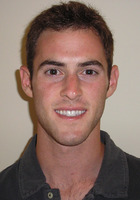
An environmental biology degree means Andrew spent real time studying how microbial communities shape ecosystems — from soil bacteria driving decomposition to waterborne microorganisms cycling nutrients through aquatic systems. That ecological grounding lets him teach concepts like microbial metabolism and population dynamics by connecting them to the environmental processes students can actually visualize, rather than treating them as isolated textbook definitions.
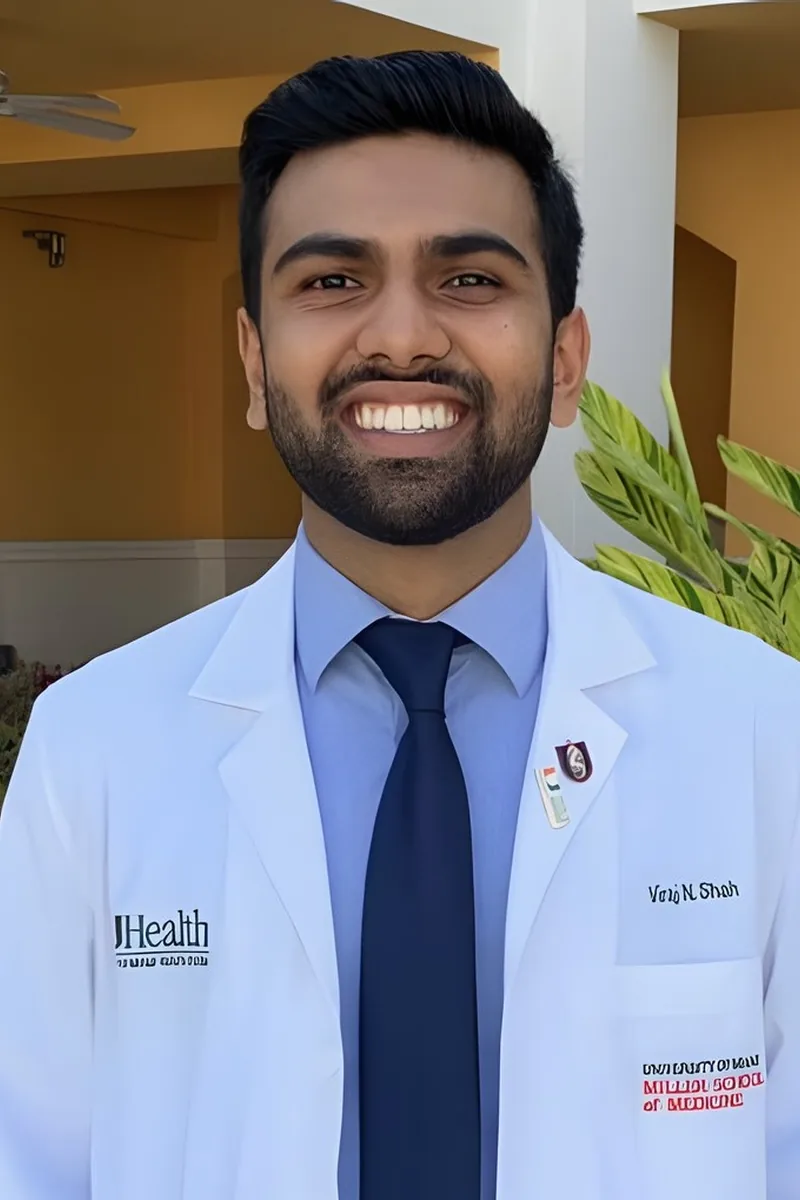
Studying microbiology in a medical program means Viraj doesn't just know bacterial classification charts — he understands how pathogen virulence factors, antibiotic resistance mechanisms, and host immune responses actually interact in clinical scenarios. He teaches microbiology by connecting organisms to the diseases they cause, which makes retention far more intuitive than rote memorization of genus and species names.
Gram staining, bacterial metabolism, viral replication cycles — microbiology demands both memorization and conceptual reasoning about organisms you can't see. Kaitlyn's biology background and medical school training give her a clinical lens that ties pathogens to real disease processes, which makes retention dramatically easier than rote memorization alone.
Understanding microbiology means thinking at the intersection of cell biology, genetics, and biochemistry — distinguishing Gram-positive from Gram-negative bacteria isn't just a staining trick but a story about cell wall architecture. Sidra connects microbial physiology to practical applications like antibiotic resistance mechanisms and metabolic diversity, drawing on her broad biology background to make the material coherent rather than encyclopedic.
The IB program's integrated science curriculum gave Rithika hands-on experience connecting biology and chemistry at the cellular level — exactly the crossover that makes topics like bacterial metabolism and microbial pathogenesis make sense. Now pursuing a pre-med track in Science, Technology, and Society at Stanford, she approaches microorganisms not just as isolated lab specimens but as players in larger human health and environmental systems.
Understanding microbial metabolism, pathogenesis, and classification requires a strong grasp of the cellular and molecular machinery underneath. Sofia's degree in Cell and Molecular Biology — plus her biochemistry minor — gives her the tools to explain how bacteria replicate, how antibiotics target specific structures, and why Gram staining works at the chemical level. She connects microbiology concepts back to the underlying biology so the material sticks.
I am passionate about learning and assisting others with the intention of becoming an excellent physician in the future. I am eager to apply the knowledge and skills that I have learned along the way to improve the lives of those looking to better themselves.
Preparing for medical school means Anup has been deep in the weeds with microbial pathogenesis, host-pathogen interactions, and the immune responses that tie microbiology directly to clinical medicine. His biology degree and parallel coursework in anatomy, physiology, and chemistry give him the cellular and molecular vocabulary to unpack topics like bacterial virulence mechanisms and infection cycles at the level they actually operate. Rated 5.0 by students.
Bacterial morphology, Gram staining protocols, viral replication cycles — microbiology is a subject where details matter and diagrams alone don't cut it. Michelle's biology degree and her breadth across molecular biology, biochemistry, and cell biology mean she can explain how microorganisms function at the molecular level, not just what they look like under a microscope. Rated 4.9 by students.
Harrison's undergraduate thesis work in a nanotechnology lab involved hands-on microbiology techniques, from bacterial culture to understanding how microorganisms interact with engineered materials. He unpacks topics like microbial metabolism, gene regulation, and host-pathogen interactions by tying molecular-level details to the bigger biological picture.
Bacterial morphology, viral replication cycles, immune evasion strategies — microbiology covers an enormous range of material that can feel disconnected without the right framework. Susie's Human Biology degree from UT Austin gave her deep exposure to host-pathogen interactions and microbial genetics, and she connects each topic back to the bigger picture of how microorganisms shape human health.
Studying biotechnology at the college level meant Fulton spent serious time with bacterial genetics, metabolic pathways, and culture techniques long before stepping into a tutoring role. He unpacks microbiology topics like gram staining protocols, viral replication cycles, and host-pathogen interactions by linking structure to function at every level.
Poonam earned her bachelor's degree in Microbiology and Immunology, so she teaches this subject from firsthand academic depth — bacterial genetics, viral replication cycles, host-pathogen interactions, and lab techniques like Gram staining and culture methods. She connects each concept to the bigger picture of how microorganisms shape human health, making dense material easier to retain.
Medical school at Nova Southeastern means Alokika is knee-deep in the pathogens, host-defense mechanisms, and infectious disease processes that make up the core of any microbiology course. She draws on her biology degree and clinical training to unpack topics like bacterial classification, virulence factors, and antimicrobial resistance at the level medical and pre-med students actually need. Rated 5.0 by students.
This is Roy's home turf — he graduated from the University of Florida with a degree in Microbiology and Cell Science. He digs into bacterial physiology, microbial genetics, and host-pathogen interactions with the kind of specificity that turns vague textbook descriptions into clear mental models students can actually recall on exams.
Keeping bacterial classification, metabolic pathways, and virulence factors straight requires more than flashcards — it requires understanding how microorganisms actually behave. Emyli's biomedical sciences coursework, which spans immunology and pathophysiology alongside microbiology, lets her connect concepts like Gram staining results to the cell wall structures that cause them.
Her global health minor at Cornell meant Emily spent real time studying how pathogens spread, how immune responses work, and why microbial ecology matters beyond the lab. She digs into topics like bacterial cell structure, viral replication cycles, and antimicrobial resistance with the kind of context that makes memorization-heavy material more intuitive.
Bioengineering trains you to think about microorganisms as systems — how bacterial metabolism, gene regulation, and surface interactions can be modeled, measured, and manipulated. Casey applies that engineering mindset to microbiology topics like growth kinetics and sterilization techniques, breaking down each process into the quantitative and biological components that actually explain it. Her parallel background in physiology and organic chemistry lets her trace microbial behavior from the molecular scale up to host-level effects.
Environmental science and public policy might seem distant from microbiology, but Ethan's coursework in biology, chemistry, and ecology covered the microbial ecology and nutrient cycling that underpin environmental systems — how soil bacteria drive nitrogen fixation, how waterborne pathogens behave in different conditions, and why microbial communities matter for public health policy. That environmental angle gives him a unique way of explaining concepts like bacterial metabolism and population dynamics, grounding abstract processes in real-world ecological contexts. Holds a 5.0 rating.
Gram stains, bacterial metabolic pathways, and viral replication cycles all require a kind of systematic memorization that falls apart without conceptual scaffolding. Anni's graduate work in biomedical sciences at UMDNJ gave her direct experience with microbial concepts, and she teaches them by linking each organism's structure to its clinical significance.
Ryan's master's work in cellular and molecular biology at Stanford, combined with hands-on synthetic biology research at NASA Ames, gave him deep fluency in microbial genetics, metabolic pathways, and laboratory techniques like PCR and gene cloning. He unpacks topics like bacterial pathogenesis and antimicrobial resistance by connecting them to the molecular mechanisms driving each process. Rated 5.0 by students.
Neuroscience at Brown doesn't let you skip the micro — Owen's coursework in biology and chemistry built a working understanding of how microorganisms operate at the cellular level, from membrane transport to metabolic regulation. He brings that mechanistic thinking to topics like bacterial growth curves and immune evasion, breaking down each process into the molecular steps that actually explain it.
Understanding bacterial metabolism, viral replication cycles, and immune response pathways requires more than memorizing diagrams — it requires seeing how microorganisms interact with living systems. Li's training in both speech-and-hearing science and medicine gives her a clinical lens that makes microbiology concepts feel relevant and interconnected.
The IB Biology program — both SL and HL — drills deep into microbial topics like cell theory, pathogen classification, and antibiotic resistance, and Kinjal completed that rigorous track before earning her biology degree at Texas A&M. That combination means she can walk through bacterial structure, microbial metabolism, and host-pathogen dynamics with the kind of layered understanding that comes from studying the material twice at increasing depth. Rated 5.0 by students.
Josef's life sciences research at Cornell gave him hands-on familiarity with microbial systems, from bacterial cell structure and gram staining to pathogenic mechanisms and antibiotic resistance. He teaches microbiology by linking each organism's biology to its clinical or ecological significance, which makes classification and virulence factors far easier to retain.
From bacterial gene regulation to viral replication strategies, microbiology demands comfort with both molecular detail and big-picture ecology. Zachary's graduate work in molecular biology gave him hands-on familiarity with the techniques and concepts — Gram staining, quorum sensing, antibiotic resistance mechanisms — that form the backbone of most microbiology courses.
Between her Columbia nutrition degree and her PA training at Rutgers, Victoria has spent years studying bacterial metabolism, host-pathogen interactions, and immune responses at the cellular level. She unpacks microbiology concepts like gram staining protocols, virulence factors, and microbial genetics by tying them to clinical scenarios that make the material stick.
A Stanford-trained biologist, Abhinav digs into microbiology topics like bacterial cell structure, metabolic pathways, and host-pathogen interactions with the detail they demand. He connects concepts across scales — linking molecular mechanisms like quorum sensing to broader outcomes like biofilm formation — so students see microbiology as a story rather than a catalog of organisms.
Testimonials
Because the right Microbiology tutor makes all the difference.
Average Session Rating – Based on 3.4M Learner Ratings
Nearby Microbiology Tutors
Other Sarasota Tutors
Related Science Tutors in Sarasota
Frequently Asked Questions
Microbiology courses generally cover cell structure and function, metabolism, genetics, growth and reproduction of microorganisms, and how microbes interact with their environment and hosts. You'll also study microbial classification, laboratory techniques, and often applications in medicine, food safety, and environmental science. For students in Sarasota taking Microbiology, personalized tutoring can help you connect these concepts to real-world examples, from water quality testing to pharmaceutical development.
Beyond just understanding theory, Microbiology requires hands-on skills like culturing, staining, microscopy, and interpreting results. Tutors can help you understand the scientific reasoning behind lab protocols, troubleshoot unexpected results, and develop stronger observational and analytical skills. This combination of conceptual understanding and practical technique is essential for success in both coursework and standardized exams.
Many students find it challenging to mentally model bacteria, viruses, and cellular processes that are invisible to the naked eye. Expert tutors can use diagrams, animations, and analogies to make abstract concepts concrete, helping you build a clearer mental picture of how microbial structures work and why they matter. Breaking down complex processes like bacterial conjugation or viral replication into understandable steps makes the material stick better than memorization alone.
While Microbiology does have significant vocabulary, successful students understand the logic behind the terms rather than simply memorizing them. For example, learning that "bacillus" refers to rod-shaped bacteria helps you remember the shape without rote memorization. Tutors can help you build conceptual frameworks that connect terminology to function and structure, turning memorization into meaningful learning that's easier to retain and apply.
Students often struggle with understanding how microscopic processes scale and connect—like relating molecular-level genetics to population-level growth patterns. Balancing chemical equations for metabolic pathways, interpreting experimental data, and applying concepts to novel scenarios (like predicting how antibiotics affect different bacteria) are also frequent pain points. Personalized tutoring addresses these specific challenges by building your scientific reasoning skills, not just content knowledge.
Your first session focuses on understanding your current level, identifying specific challenges, and establishing goals. A tutor will assess which concepts you grasp well and where you're struggling—whether that's with the material itself, lab skills, test-taking strategies, or connecting theory to applications. From there, you'll develop a personalized plan that targets your needs, whether you're preparing for an exam, completing a challenging unit, or building foundational understanding.
Look for tutors with strong backgrounds in Microbiology or related sciences (Biology, Chemistry, or Biochemistry), ideally with experience teaching or tutoring the subject. It's also valuable if they have lab experience and understand how Microbiology is taught at your school level. Varsity Tutors connects you with expert tutors who can explain complex concepts clearly and help you develop both content mastery and scientific thinking skills essential for success in the course and beyond.
Yes, Varsity Tutors connects students from across Sarasota's 72 schools with expert Microbiology tutors. Whether you're in a large district school or a smaller institution, personalized tutoring can be tailored to your specific curriculum, teacher's expectations, and learning style. This localized approach means tutors can align their instruction with what you're learning in your Sarasota classroom.
Let’s find your perfect tutor
Answer a few quick questions. We’ll recommend the right plan and match you with a top 5% tutor.