Award-Winning Japanese Tutors
serving Sarasota, FL
Japanese
Tutors in Sarasota
Private 1-on-1 tutoring, weekly live classes for academic support, test prep & enrichment, practice tests and diagnostics, and more to elevate grades and test scores.
Based on 3.4M Learner Ratings
UniversitiesSchools & Universities
DeliveredHours Delivered
ProficiencyGrowth in Proficiency
Who needs tutoring?
No obligation. Takes ~1 minute.
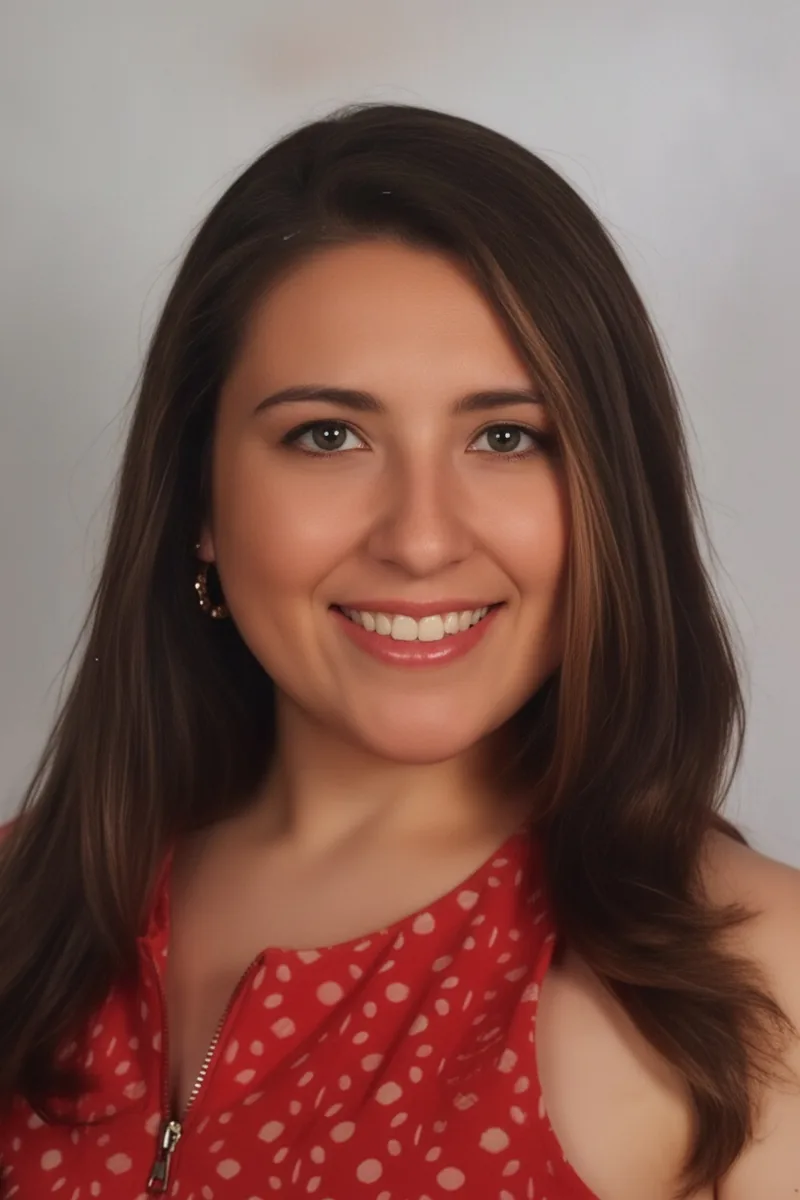
As an Asian Studies major at Duke, Caitlin engages with Japanese language in an academic context that goes beyond textbook dialogues — she understands how kanji, hiragana, and katakana each function within the writing system and why particles like は and が trip up English speakers. She walks through sentence structure and honorific levels with cultural context that makes the grammar patterns memorable.
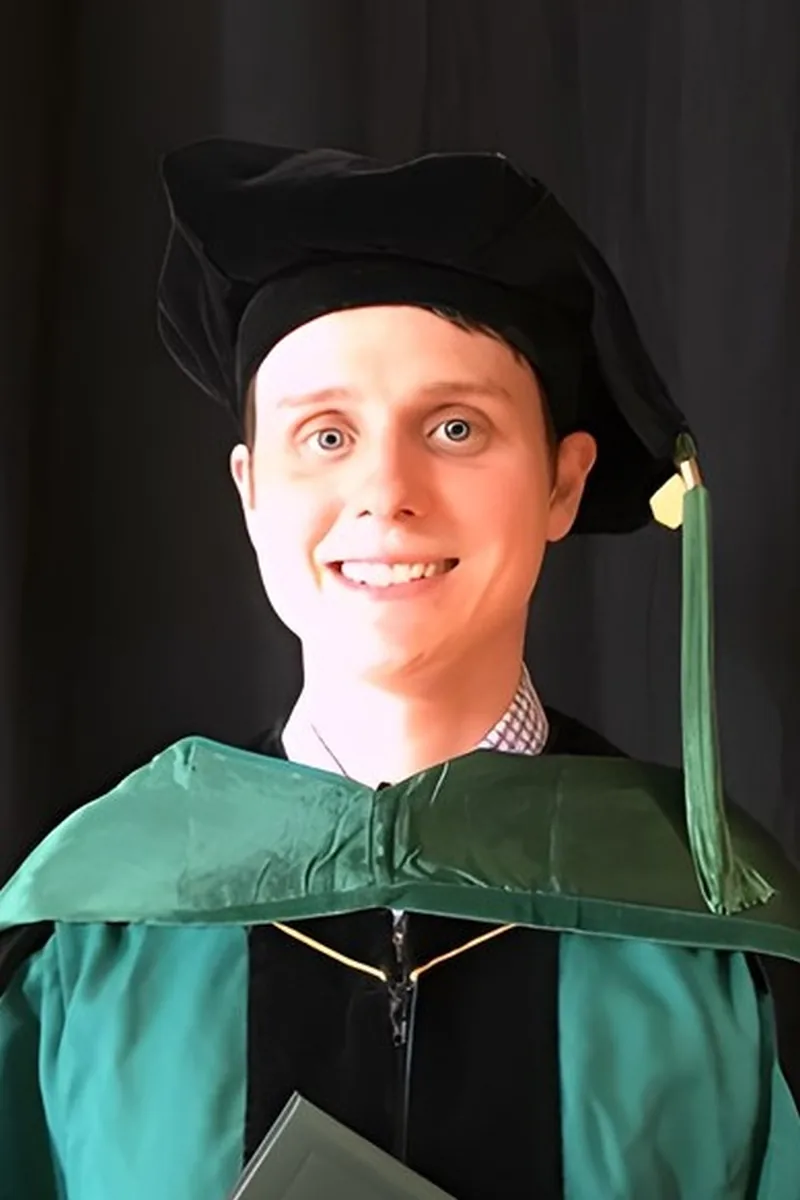
Having majored in Japanese at SUNY Albany, James doesn't just know the language — he understands the grammar architecturally, from particle usage and verb conjugation tiers to the nuances of honorific speech. He teaches reading and writing through cultural context, connecting kanji compounds to their historical roots so students retain them long-term rather than cramming and forgetting. Rated 4.9 by students.
I'm a student at Brown University with an eclectic set of interests. I am trilingual, analytical, and creative and look forward to tutoring you! :)
Darin brings an analytical learner's perspective to Japanese, tackling the language's grammar patterns and writing systems with the same systematic approach he applied to his scientific training. For students working through hiragana, katakana, kanji recognition, or verb conjugation, he offers structured methods that make consistent progress feel achievable.
Having completed an Asian Languages minor at UCLA, Abrahim brings formal training in Japanese grammar, kanji acquisition, and reading comprehension to his tutoring. He approaches the language methodically — building from particle usage and verb conjugation patterns up to reading authentic texts — which works especially well for students who want structure rather than immersion-only learning.
Emily minored in Japanese at Texas A&M and continues to engage with the language through media and self-study. She teaches hiragana, katakana, and foundational grammar patterns like particle usage with the same structured approach she applies to her other languages, making the writing systems feel systematic rather than overwhelming.
Linguistics training gives Andrew a structural advantage when teaching Japanese — he understands how languages build meaning differently, which matters when explaining why particles replace prepositions or why verbs land at the end of every sentence. His background in Korean and German means he's personally navigated multiple grammar systems far removed from English, and he applies that comparative instinct to make Japanese word order and conjugation feel logical rather than arbitrary.
As a dedicated language tutor with several years of experience, I bring both expertise and enthusiasm to every lesson. I specialize in Chinese, Japanese, and basic Arabic, and I have had the privilege of guiding students of diverse ages and backgrounds through their language-learning journeys.
Learning Japanese means juggling three writing systems, honorific levels, and grammar that works nothing like English — and Karen tackles all of it from firsthand experience using the language abroad. Whether a student is memorizing their first hundred kanji or practicing particle usage in complex sentences, she builds each lesson around practical communication skills.
During his final summer at NYU, William traveled to Japan to study the language alongside traditional music and wartime film, grounding his Japanese in real cultural context. That immersive experience means he connects vocabulary and grammar to the situations where they're actually used — from reading signs and menus to discussing historical texts. He's especially strong at bridging the gap between textbook Japanese and how the language sounds in practice.
As a native Japanese speaker with over fifty years of fluency in reading, writing, and conversation, Hatsuki teaches the language the way it's actually used — from particle usage and keigo (honorific speech) to the nuances between hiragana, katakana, and kanji in everyday contexts. She currently lives in the U.S. with her family, giving her a natural understanding of where English speakers stumble with Japanese grammar and pronunciation.
Having taught himself Japanese alongside his formal studies in public policy and education, James knows firsthand where English speakers get tripped up — especially with particles, basic verb conjugation, and the leap from hiragana to katakana. His education background means he's trained to spot where understanding breaks down and adjust his explanations on the fly, which is exactly what beginners need when nothing about Japanese grammar maps onto what they already know.
I am motivated in addressing the disparities in educational equity here in the Twin Cities, particularly for students of color and students of differing socio-economic backgrounds. I work to build strong relationships with students to determine the strengths and knowledge they bring to the table.
I am a great tutor because not only are my fundamental verbal and quantitative skills strong, but I am able to communicate my reasoning and problem solving skills quickly and clearly.
Testimonials
Because the right Japanese tutor makes all the difference.
Average Session Rating – Based on 3.4M Learner Ratings
Nearby Japanese Tutors
Other Sarasota Tutors
Related Languages Tutors in Sarasota
Frequently Asked Questions
Your first session is an opportunity for a tutor to understand your current level, learning goals, and preferred pace. Whether you're starting from scratch or building on classroom learning, the tutor will assess your strengths in reading, writing, speaking, and listening, then create a personalized plan tailored to your needs. This might include conversation practice, grammar review, or cultural context depending on what will help you most.
Classroom settings often limit speaking time, but personalized tutoring gives you consistent, focused conversation practice with a tutor who adapts to your level and interests. You'll build confidence speaking naturally, receive immediate feedback on pronunciation and accent, and develop the ability to think and respond in Japanese rather than translating from English. This direct interaction is one of the most effective ways to move from textbook knowledge to real conversational fluency.
Japanese grammar works very differently from English—verb conjugations, particles, and sentence structure follow unfamiliar patterns that can feel overwhelming in a traditional classroom. A tutor breaks down complex concepts like verb tenses, particles (は、を、に), and honorifics into manageable pieces, showing you how grammar rules connect to real usage. With personalized practice and repetition, these patterns become intuitive rather than memorized.
Spaced repetition and using words in context are far more effective than memorization alone. A tutor incorporates vocabulary into conversation, reading, and writing exercises so words stick naturally. They'll also help you understand kanji radicals and word patterns, which makes learning vocabulary faster and more meaningful than simply drilling lists.
Understanding Japanese culture—from honorifics and social etiquette to media, history, and customs—makes the language feel alive and purposeful rather than abstract. Tutors can weave cultural insights into lessons, explaining why certain phrases are used in specific situations or how to navigate formal versus casual speech. This context deepens both your language skills and appreciation for the culture behind the language.
Absolutely. With 72 schools across Sarasota serving over 25,000 students, classroom pacing and individual attention can vary widely. Personalized tutoring fills gaps in your school curriculum, whether you need extra support with specific grammar concepts, more speaking practice, or enrichment to prepare for AP Japanese or language proficiency exams. A tutor works alongside your school's instruction to accelerate your progress.
Look for tutors with native or near-native fluency, teaching experience, and ideally background in Japanese culture or linguistics. They should be able to teach across all four skills—reading, writing, speaking, and listening—and adapt their teaching style to your learning pace. Varsity Tutors connects you with expert tutors who meet these standards and can personalize instruction for your goals.
The Foreign Service Institute estimates approximately 2,200 hours of study to reach professional proficiency in Japanese, though conversational ability develops much sooner with consistent practice. With personalized tutoring combined with your own study, many students reach basic conversation skills within a few months and intermediate fluency within a year. Your timeline depends on your starting level, study frequency, and how much you engage with the language outside tutoring sessions.
Let’s find your perfect tutor
Answer a few quick questions. We’ll recommend the right plan and match you with a top 5% tutor.