Award-Winning Japanese Tutors
serving Jacksonville, FL
Japanese
Tutors in Jacksonville
Private 1-on-1 tutoring, weekly live classes for academic support, test prep & enrichment, practice tests and diagnostics, and more to elevate grades and test scores.
Based on 3.4M Learner Ratings
UniversitiesSchools & Universities
DeliveredHours Delivered
ProficiencyGrowth in Proficiency
Who needs tutoring?
No obligation. Takes ~1 minute.

As an Asian Studies major at Duke, Caitlin engages with Japanese language in an academic context that goes beyond textbook dialogues — she understands how kanji, hiragana, and katakana each function within the writing system and why particles like は and が trip up English speakers. She walks through sentence structure and honorific levels with cultural context that makes the grammar patterns memorable.
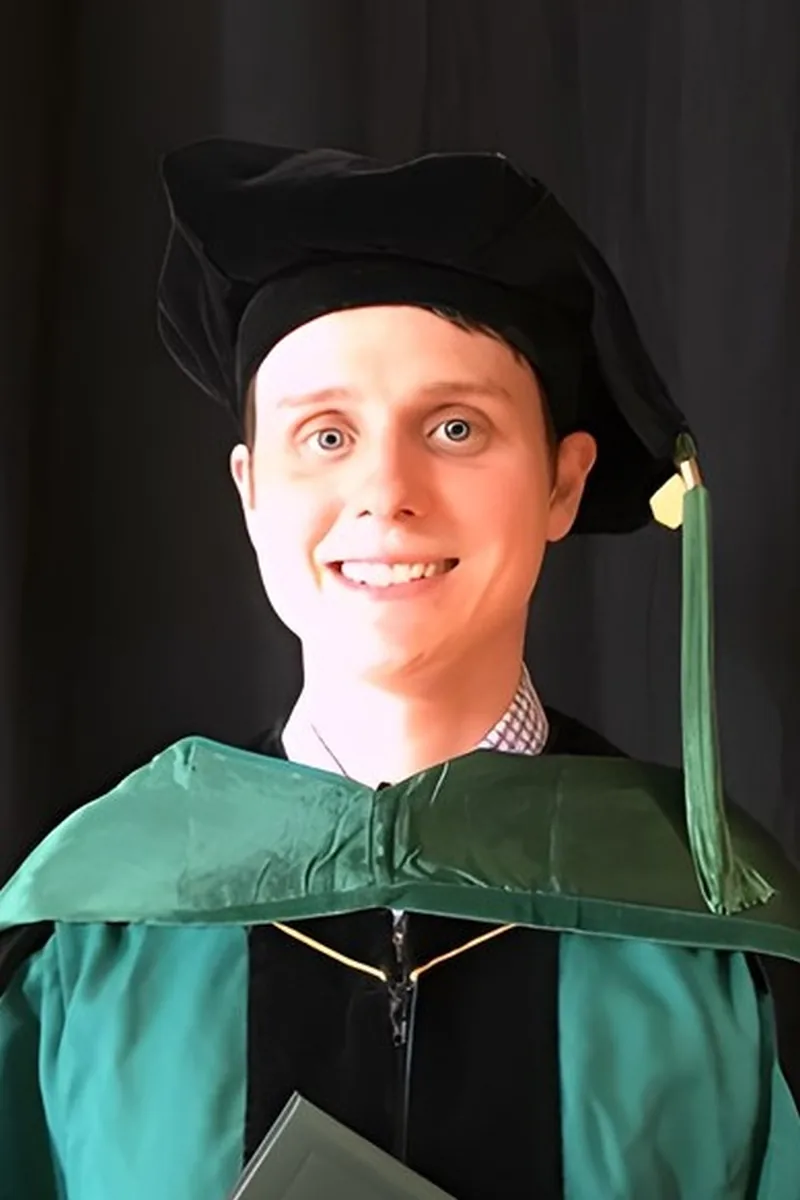
Having majored in Japanese at SUNY Albany, James doesn't just know the language — he understands the grammar architecturally, from particle usage and verb conjugation tiers to the nuances of honorific speech. He teaches reading and writing through cultural context, connecting kanji compounds to their historical roots so students retain them long-term rather than cramming and forgetting. Rated 4.9 by students.
Between his East Asian Studies major at Harvard, his presidency of the Harvard College Japan Initiative, and his work in the Yenching Library's Japanese Collection, Shane lives and breathes Japanese. He reads novels and plays games in Japanese for fun, which means he teaches the language the way it's actually used — from kanji recognition and particle usage to the register shifts that textbooks barely cover.
Learning Japanese means juggling three writing systems, unfamiliar sentence structures, and layers of politeness that don't exist in English. Aki breaks down hiragana, katakana, and basic kanji recognition alongside grammar patterns like particle usage and verb conjugation, building reading and conversational skills in parallel.
Shona's semester abroad in Seville proved that immersion reshapes how you learn any language — a lesson she carries into teaching Japanese, where she emphasizes building comfort with sentence patterns and particles through active use rather than translation drills. Her AP Japanese Language and Culture tutoring draws on both her structured math-trained thinking and her own experience navigating a second language in real-world settings. Rated 4.9 by students.
Damien studied Asian studies at Cornell, where Japanese language and culture were central to his coursework. He approaches the language by grounding grammar patterns — particles like は versus が, verb conjugation groups, and sentence-ending forms — in real context so they stick. Rated 5.0 by students, he makes the jump from textbook exercises to actual comprehension feel manageable.
Triple-majoring in Japanese, linguistics, and computer science at UMass Amherst, Connor brings both fluency and analytical rigor to teaching the language. He unpacks grammar patterns like particle usage and verb conjugation groups by connecting them to the underlying logic of how Japanese sentences are built — making new structures easier to internalize and recall.
Hi! It's Wataru. I am originally from Japan and have been living in New York since 2000. I had a career as an industrial newspaper pressman/editor in Tokyo so that I know newspaper level strict grammar and manner of business speech. I watch anime and I can talk about Japanese subculture with you if you like. I have been teaching Japanese language in person and online. I have taught from beginners to JLPT N3 certificate prep students. I've taught American, Canadian, English, Indian, German, Australian, Mexican, and so on. Teaching is one of my way to feel the joy of supporting people. I'll help you master the language and dive into Japanese culture and subculture. Once you start to think in Japanese, you will notice that your way of communication changes. English is good for business, law, and science while Japanese is more about sharing feelings. The waiters in Japan may be reluctant to serve your table, but my students prepare well to make them feel at ease and they have fantastic travel in Japan.
Holding a degree in Japanese Studies, Andrew brings deep familiarity with not just hiragana, katakana, and kanji but also the cultural context that shapes how the language actually works — keigo politeness levels, sentence-ending particles, and the logic behind counter words. He connects grammar patterns to real conversation so students internalize structures instead of just drilling flashcards.
Learning Japanese means juggling three writing systems, honorific levels, and grammar that works nothing like English — and Karen tackles all of it from firsthand experience using the language abroad. Whether a student is memorizing their first hundred kanji or practicing particle usage in complex sentences, she builds each lesson around practical communication skills.
Growing up attending the Japanese Weekend School of New Jersey while enrolled in American public schools, Hidefusa developed native-level fluency in both languages and a deep understanding of where English speakers stumble with Japanese. He teaches everything from hiragana and katakana basics to kanji recognition, particle usage, and keigo (formal speech) — drawing on the bilingual instincts of someone who has lived in both linguistic worlds.
Zhaleh is actively studying Japanese at Carnegie Mellon University, which means she's navigating the same kanji memorization strategies, grammar particle distinctions, and reading comprehension challenges her students face. She breaks down tricky structures like て-form conjugations and は vs. が usage in ways that make the logic behind the language click.
A drama degree might not scream Japanese fluency, but John's literary work — he's a section editor for the Los Angeles Review of Books and literary manager for two theater companies — means he's deeply attuned to how language shapes meaning, tone, and register. That sensitivity to nuance transfers directly to navigating Japanese's layered politeness levels and context-dependent sentence endings. Rated 5.0 by students.
I am an experienced tutor and teacher from Okinawa, Japan who recently graduated from Brown University and now lives in Brooklyn.
Testimonials
Because the right Japanese tutor makes all the difference.
Average Session Rating – Based on 3.4M Learner Ratings
Nearby Japanese Tutors
Other Jacksonville Tutors
Related Languages Tutors in Jacksonville
Frequently Asked Questions
Fluency depends on your starting level and study intensity. The Foreign Service Institute estimates roughly 2,200 hours of study to reach professional proficiency in Japanese—one of the more challenging languages for English speakers due to three writing systems (hiragana, katakana, and kanji) and complex grammar. With personalized 1-on-1 instruction, you can accelerate progress by focusing on your specific goals, whether that's conversational ability, business Japanese, or exam preparation. Most students see meaningful progress in speaking and listening within 3-6 months of consistent practice.
Speaking forces you to retrieve vocabulary and grammar in real-time, which strengthens memory far more than passive study. In a typical Jacksonville classroom with an 18:1 student-teacher ratio, individual speaking time is limited. Personalized tutoring provides dedicated conversation practice where you can make mistakes, get immediate feedback, and build confidence without the pressure of a classroom setting. This one-on-one interaction is especially valuable for Japanese, where pronunciation and intonation patterns differ significantly from English.
These three writing systems are best learned sequentially. Most students start with hiragana and katakana (phonetic alphabets with about 46 characters each), which takes 4-8 weeks with consistent practice. Kanji is more complex—you need roughly 2,000 characters for everyday reading, but learning 300-500 gets you through most beginner materials. Tutors can create a personalized learning path that uses spaced repetition and context-based practice, so you're not just memorizing characters but understanding how they're used in real sentences.
Japanese verb conjugation is systematic once you understand the patterns—verbs follow predictable rules based on whether they're u-verbs, ru-verbs, or irregular. Rather than memorizing every form, tutors focus on teaching you the underlying patterns so you can apply them to new verbs. Personalized instruction lets you practice conjugation in context (through conversation and writing) rather than in isolation, which helps the patterns stick. Most students grasp the fundamentals within a few weeks and then refine accuracy through ongoing practice.
Absolutely. Japanese language is deeply tied to culture—honorifics, politeness levels, and even vocabulary choices reflect social context and relationships. Understanding cultural norms (like the importance of respect in formal speech or the use of keigo in business settings) helps you use the language appropriately. Tutors often weave cultural insights into lessons, explaining not just how to say something but when and why you'd say it that way. This context-rich approach makes the language more meaningful and memorable.
Your first session is about assessment and goal-setting. A tutor will evaluate your current level (whether you're starting from scratch or building on existing knowledge), discuss what you want to achieve—whether that's conversational ability, passing the JLPT, or preparing for a trip—and understand your learning style. From there, they'll create a personalized plan that balances all four skills: reading, writing, speaking, and listening. Expect the session to feel collaborative, not like a test.
Vocabulary sticks best when you encounter it repeatedly in different contexts—not just in word lists. Tutors use techniques like spaced repetition (reviewing words at strategic intervals), contextual learning (learning words through sentences and conversations), and active retrieval (using words in speaking and writing). Connecting new words to kanji components, etymology, or memorable associations also helps. With personalized instruction, your tutor can tailor vocabulary to your interests and goals, making the words more relevant and easier to retain.
Look for tutors with native or near-native fluency, teaching experience, and ideally formal training in Japanese language instruction. Many expert tutors hold certifications like JLPT credentials or have lived in Japan. Beyond credentials, the best tutors understand how English speakers learn Japanese and can explain grammar concepts clearly. Varsity Tutors connects you with experienced Japanese tutors in Jacksonville who can teach across all proficiency levels and tailor lessons to your specific needs.
Let’s find your perfect tutor
Answer a few quick questions. We’ll recommend the right plan and match you with a top 5% tutor.