Award-Winning Japanese Tutors
serving Tampa, FL
Japanese
Tutors in Tampa
Private 1-on-1 tutoring, weekly live classes for academic support, test prep & enrichment, practice tests and diagnostics, and more to elevate grades and test scores.
Based on 3.4M Learner Ratings
UniversitiesSchools & Universities
DeliveredHours Delivered
ProficiencyGrowth in Proficiency
Who needs tutoring?
No obligation. Takes ~1 minute.

As an Asian Studies major at Duke, Caitlin engages with Japanese language in an academic context that goes beyond textbook dialogues — she understands how kanji, hiragana, and katakana each function within the writing system and why particles like は and が trip up English speakers. She walks through sentence structure and honorific levels with cultural context that makes the grammar patterns memorable.
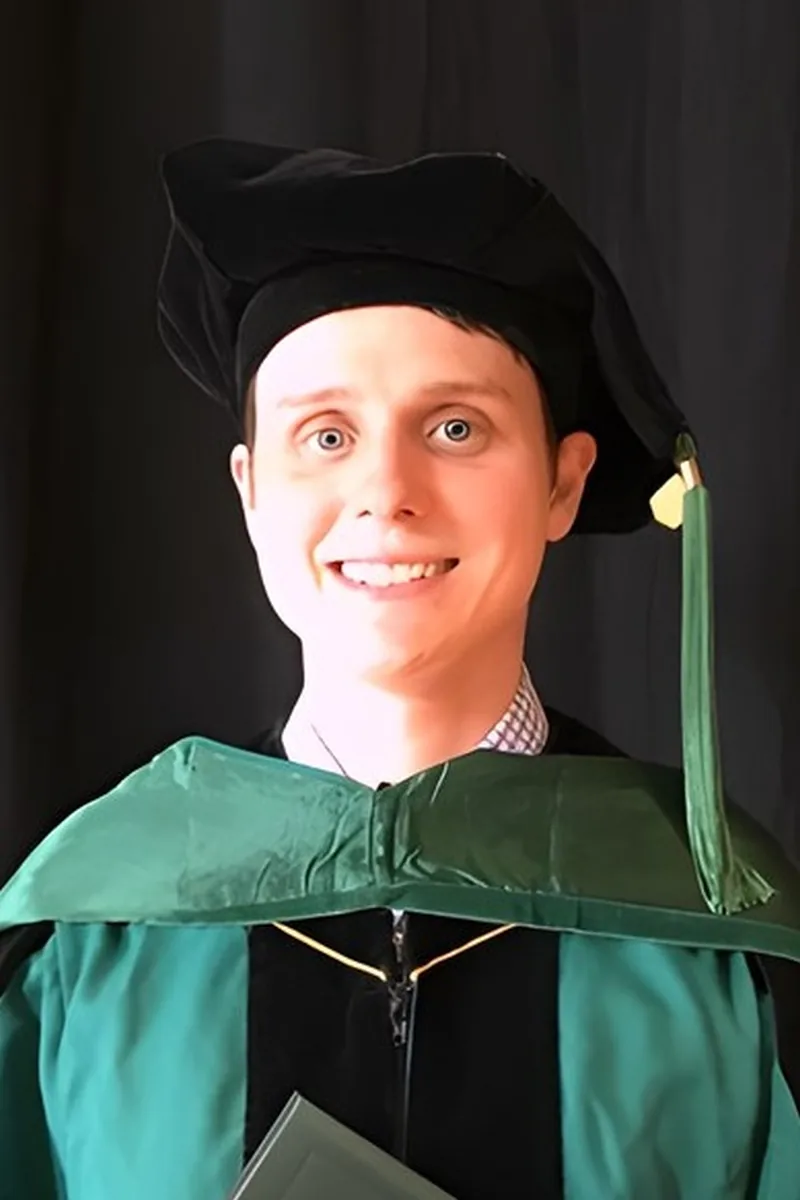
Having majored in Japanese at SUNY Albany, James doesn't just know the language — he understands the grammar architecturally, from particle usage and verb conjugation tiers to the nuances of honorific speech. He teaches reading and writing through cultural context, connecting kanji compounds to their historical roots so students retain them long-term rather than cramming and forgetting. Rated 4.9 by students.
Holding a degree in Japanese Studies, Andrew brings deep familiarity with not just hiragana, katakana, and kanji but also the cultural context that shapes how the language actually works — keigo politeness levels, sentence-ending particles, and the logic behind counter words. He connects grammar patterns to real conversation so students internalize structures instead of just drilling flashcards.
I am open to tutoring in a broad range of subjects, including Algebra, Spanish I/II, ESL and Biology (SAT II, AP, and MCAT).
Learning Japanese means juggling three writing systems, a grammar structure that's the reverse of English, and cultural nuances that change how you speak depending on who you're talking to. Natasha taught Japanese at the high school level and lived in Japan teaching in elementary schools, giving her the kind of practical fluency that makes hiragana drills, particle usage, and conversational practice feel grounded in real life. She's 5.0-rated and works with beginners through advanced learners.
Growing up attending the Japanese Weekend School of New Jersey while enrolled in American public schools, Hidefusa developed native-level fluency in both languages and a deep understanding of where English speakers stumble with Japanese. He teaches everything from hiragana and katakana basics to kanji recognition, particle usage, and keigo (formal speech) — drawing on the bilingual instincts of someone who has lived in both linguistic worlds.
Learning Japanese means juggling three writing systems, unfamiliar grammar structures, and a set of politeness registers that don't exist in English. Katharine brings a methodical, pattern-oriented mindset to breaking down concepts like particle usage, verb conjugation groups, and kanji radicals so that each lesson builds logically on the last.
Having prepared for and taken the SAT Subject Test in Japanese with Listening, Dylan brings practical fluency in grammar structures like particle usage, verb conjugation groups, and honorific registers. He tackles reading comprehension by teaching students to decode kanji compounds in context rather than relying purely on rote memorization. Rated 5.0 by students.
Mechanical engineering at the University of Dayton doesn't obviously connect to Japanese, but Nicholas's systematic problem-solving mindset lends itself well to breaking down kanji radicals, verb conjugation groups, and particle logic into repeatable patterns. He's also genuinely social and talkative — a trait that matters more than you'd think when practicing conversational Japanese, where comfort with speaking aloud is half the battle.
Most students learning Japanese hit a wall somewhere between mastering hiragana and actually constructing sentences with particles, verb conjugations, and counters. Kai has been teaching Japanese through the student organization meetings on campus, building lessons that move learners from basic self-introductions to reading short passages and holding simple conversations.
Between his East Asian Studies major at Harvard, his presidency of the Harvard College Japan Initiative, and his work in the Yenching Library's Japanese Collection, Shane lives and breathes Japanese. He reads novels and plays games in Japanese for fun, which means he teaches the language the way it's actually used — from kanji recognition and particle usage to the register shifts that textbooks barely cover.
I am motivated in addressing the disparities in educational equity here in the Twin Cities, particularly for students of color and students of differing socio-economic backgrounds. I work to build strong relationships with students to determine the strengths and knowledge they bring to the table.
A drama degree might not scream Japanese fluency, but John's literary work — he's a section editor for the Los Angeles Review of Books and literary manager for two theater companies — means he's deeply attuned to how language shapes meaning, tone, and register. That sensitivity to nuance transfers directly to navigating Japanese's layered politeness levels and context-dependent sentence endings. Rated 5.0 by students.
Most students stall in Japanese once they move past hiragana and katakana into kanji recognition and grammatical particles like は versus が. Wahala minors in Japanese at Indiana University Bloomington and treats the language as a system to decode — connecting sentence structure, verb conjugation patterns, and cultural context so that reading and conversation reinforce each other.
Testimonials
Because the right Japanese tutor makes all the difference.
Average Session Rating – Based on 3.4M Learner Ratings
Nearby Japanese Tutors
Other Tampa Tutors
Related Languages Tutors in Tampa
Frequently Asked Questions
Speaking practice is one of the biggest challenges in Japanese learning, especially when you're studying independently or in a traditional classroom setting where speaking time is limited. Varsity Tutors connects you with tutors who provide personalized 1-on-1 conversation practice tailored to your level—whether you're working on basic greetings or complex discussions. Your tutor can correct pronunciation and accent in real-time, help you think through sentence construction, and create safe space to practice without the pressure of a classroom. Regular speaking sessions accelerate your confidence and fluency far more effectively than studying textbooks alone.
Kanji mastery intimidates many learners because there are thousands of characters, but a strategic approach makes it manageable. Expert tutors help you prioritize the most commonly used kanji (around 2,000 cover everyday reading and writing), teach you radicals and stroke patterns that make characters easier to remember, and use spaced repetition techniques to lock them into long-term memory. Rather than memorizing in isolation, tutors connect kanji to real words and context you're actually using in conversation and writing. This personalized approach prevents the burnout that comes from unfocused memorization.
Japanese uses a subject-object-verb structure (opposite of English's subject-verb-object), and particles like は, を, に carry grammatical meaning rather than word order—this fundamental difference trips up many learners who try to map English patterns onto Japanese. Tutors help you shift from translating word-for-word to recognizing grammatical patterns and thinking in Japanese. Through natural dialogue and guided practice, you learn to intuit how particles function, why verb conjugations matter for politeness levels, and how sentence flow works. This internalization—rather than memorization of grammar rules—is what actually makes speaking fluent and natural.
With consistent, focused study, most learners can handle basic introductions and simple conversations within 3-6 months. Reaching intermediate fluency (holding longer conversations on familiar topics) typically takes 1-2 years of regular practice. The timeline depends heavily on how often you practice, especially speaking—this is where 1-on-1 tutoring accelerates progress significantly compared to classroom learning alone. Tutors customize the pace to your schedule and goals, helping you move faster by targeting exactly what you need rather than spending time on concepts you've already mastered.
Absolutely. Japanese language is deeply tied to cultural concepts like politeness levels (keigo), respect hierarchies, and seasonal awareness that show up constantly in speech and writing. Understanding why different verb endings and pronouns exist—rooted in Japanese social structures—makes grammar make sense instead of feeling arbitrary. Expert tutors weave cultural context into lessons so you don't just learn what to say, but why you say it that way. This deeper understanding helps you communicate more naturally and appreciate nuances that pure grammar study can't teach.
Japanese listening is challenging because of pitch accent, the speed of native speech, and different sounds that don't exist in English (like the short vowels). Many learners can read decently but freeze when hearing real Japanese media or conversation. Personalized tutoring helps by training your ear through regular exposure to natural speech at varied speeds, breaking down pronunciation patterns, and building confidence in real-time conversation where you can ask for clarification. Tutors also recommend targeted listening resources and practice strategies designed to build comprehension progressively rather than jumping straight to native-speed content.
With 242 schools across Tampa and diverse learning needs, finding someone who fits your specific goals matters. Varsity Tutors connects you with expert tutors who specialize in the areas you need most—whether that's exam prep for AP Japanese, conversational fluency, or building from absolute beginner. You'll discuss your learning style, schedule, and what success looks like for you so you get matched with someone who works best with how you learn. The 1-on-1 format means the tutor adapts to you, not the other way around, making the learning experience far more effective than one-size-fits-all classroom instruction.
Let’s find your perfect tutor
Answer a few quick questions. We’ll recommend the right plan and match you with a top 5% tutor.