Award-Winning Biochemistry Tutors
serving Colorado Springs, CO
Biochemistry
Tutors in Colorado Springs
Private 1-on-1 tutoring, weekly live classes for academic support, test prep & enrichment, practice tests and diagnostics, and more to elevate grades and test scores.
Based on 3.4M Learner Ratings
UniversitiesSchools & Universities
DeliveredHours Delivered
ProficiencyGrowth in Proficiency
Who needs tutoring?
No obligation. Takes ~1 minute.
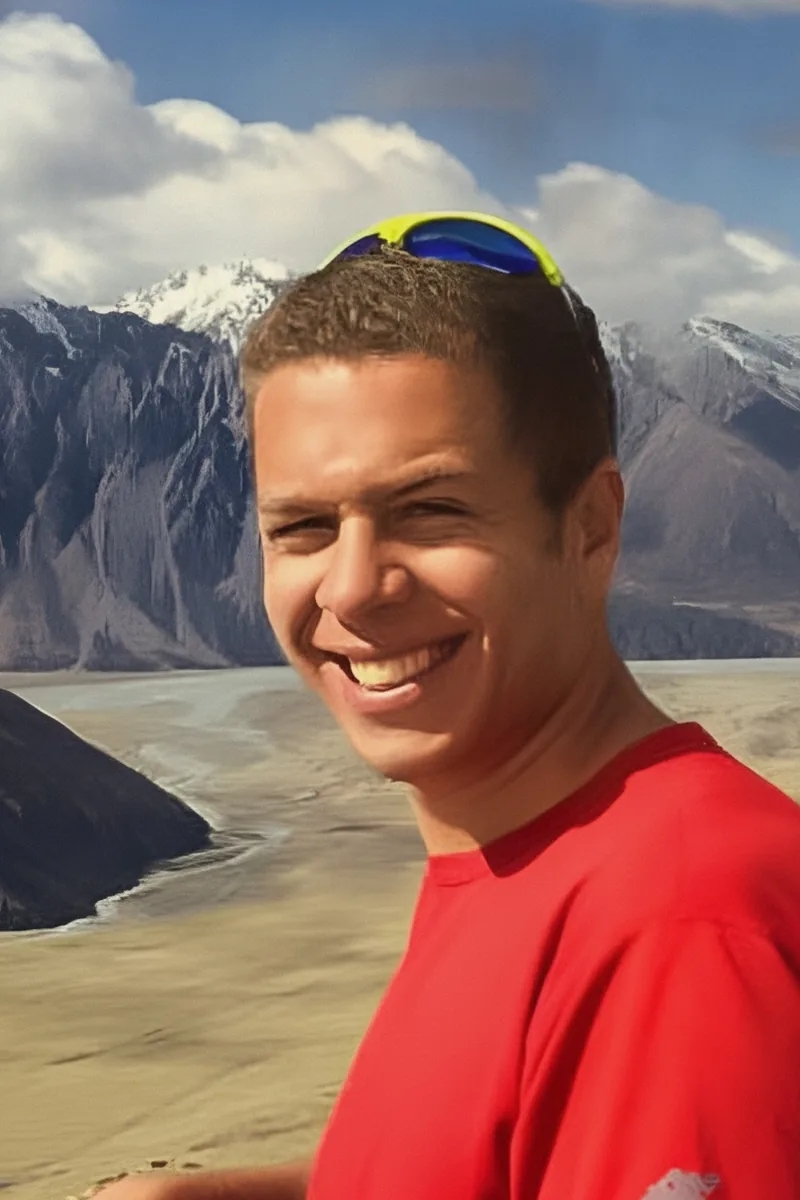
Enzyme kinetics, metabolic pathways, protein structure — biochemistry sits at the intersection of biology and chemistry, and it punishes students who try to memorize without understanding the underlying logic. Oliver earned his B.A. in Biochemistry at CU Boulder with a chemistry minor, giving him the dual lens needed to explain why Michaelis-Menten curves behave the way they do or how amino acid properties dictate protein folding.
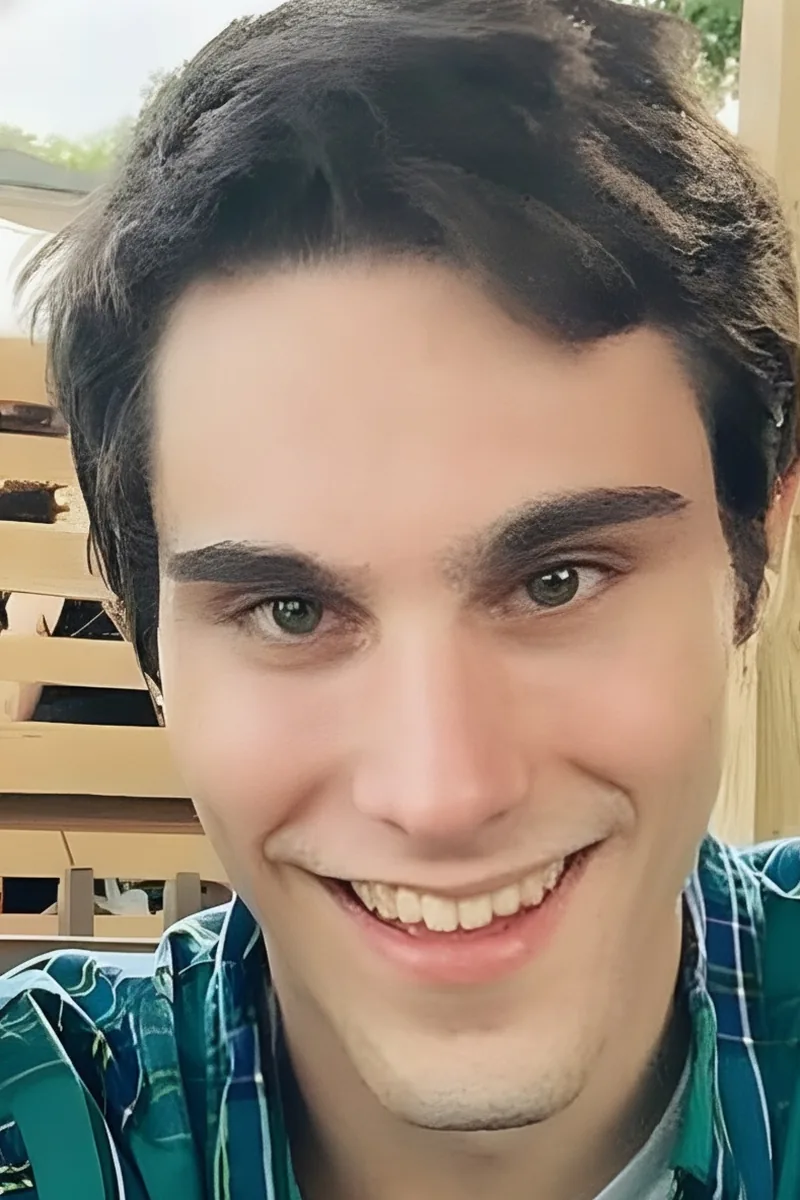
Having served as a teaching assistant for Cell & Molecular Biology at UVA while completing a biomedical engineering degree, Colton brings deep familiarity with amino acid structures, enzyme kinetics, and metabolic pathways like glycolysis and the citric acid cycle. He connects each biochemical concept to its biological context, which makes dense material like protein folding and signal transduction far easier to retain.
Enzyme kinetics, metabolic pathways, and protein structure all demand a student who can think across chemistry and biology simultaneously — which is exactly what Aleeza's biology degree and MCAT preparation trained her to do. She unpacks topics like Michaelis-Menten kinetics and amino acid chemistry by tying molecular details to the bigger biological picture. Students studying for upper-level biochemistry exams or the MCAT get someone who recently mastered this material herself.
Claire's chemistry degree and incoming medical school training at the University of Illinois College of Medicine mean she's worked through biochemistry from both the bench and the clinical side — enzyme mechanisms, metabolic regulation, and the molecular logic connecting organic chemistry to living systems. She breaks down dense pathways like the citric acid cycle or amino acid catabolism by mapping each step back to the underlying reaction chemistry, so students can reconstruct a pathway from principles instead of flashcards. Rated 5.0 by students.
I am most passionate about biology and chemistry. I am a firm proponent of education, believing it to be absolutely necessary for an improved quality of life, and I try to impart this appreciation to all of my students.
Enzyme kinetics, metabolic pathways, protein structure — biochemistry demands that students hold chemistry and biology in their heads simultaneously, which is exactly what medical school trains you to do daily. Jamie is currently at Sidney Kimmel Medical College and brings firsthand fluency with topics like Michaelis-Menten kinetics, amino acid chemistry, and the regulation of glycolysis and the citric acid cycle. He breaks down dense pathway diagrams into step-by-step logic that actually makes sense.
Enzyme kinetics, metabolic pathways, protein folding — Connor digs into biochemistry with the depth his biomedical sciences master's from Loyola Chicago demanded. He connects molecular-level details to physiological outcomes, so a student learning about Michaelis-Menten kinetics also understands what it means when a drug is a competitive inhibitor in a clinical context.
Two cancer research labs gave Brian a front-row seat to biochemistry in action — enzyme kinetics, metabolic pathways, and protein structure aren't abstractions for him but daily working tools. He's currently preparing for medical school and the MCAT's biochemical foundations section, which means topics like amino acid chemistry, glycolysis, and membrane transport are fresh and detailed in his teaching.
Medical school required Thomas to internalize biochemistry at a level most undergrads never reach — enzyme kinetics, metabolic regulation, amino acid chemistry, and the signaling cascades that tie them together. He breaks down dense pathways like glycolysis and the citric acid cycle into logical sequences so students can reason through problems instead of relying on rote memorization. Rated 5.0 by students.
Pre-med coursework at Northwestern means Manideep is actively working through the toughest parts of biochemistry right now — amino acid structures, membrane transport mechanisms, and the regulatory logic behind major metabolic pathways. That proximity to the material gives him a sharp sense of where students get stuck, especially when translating organic chemistry principles into biological contexts. Rated 5.0 by students.
Enzyme kinetics, metabolic pathways, protein structure — biochemistry asks students to think in three dimensions and across multiple reaction steps simultaneously. Kimanthi's biomedical engineering degree and graduate work in biomedical sciences gave her daily exposure to these concepts in both classroom and lab settings. She breaks down mechanisms like glycolysis and oxidative phosphorylation into logical sequences rather than memorization marathons.
Enzyme kinetics, metabolic pathways, amino acid chemistry — biochemistry sits right at the intersection of Alex's Bio-Organic Chemistry training. He teaches students to trace the logic of each pathway, connecting molecular structure to biological function so that something like the citric acid cycle becomes a series of predictable chemical transformations rather than an overwhelming diagram to memorize.
Medical school with a focus on infectious diseases means Grant thinks about biochemistry in terms of host-pathogen interactions — how bacteria hijack metabolic machinery, why certain enzyme targets make effective drug sites, and what happens to energy metabolism during sepsis. His biochemistry degree and MD training let him teach topics like amino acid pathways and enzyme inhibition by connecting each mechanism to the microbiology that brings it to life.
Having served as an undergraduate teaching assistant for introductory biochemistry at Cornell, Josef knows exactly which concepts — cofactor roles, enzyme regulation, the interplay between metabolic pathways — trip students up for the first time. He teaches by showing how biochemistry synthesizes organic chemistry, cell biology, and thermodynamics into a single coherent story, so each pathway feels like a logical extension rather than a separate thing to memorize. Rated 5.0 by students.
Testimonials
Because the right Biochemistry tutor makes all the difference.
Average Session Rating – Based on 3.4M Learner Ratings
Practice Biochemistry
Free practice tests, flashcards, and AI tutoring for Biochemistry
Nearby Biochemistry Tutors
Other Colorado Springs Tutors
Related Science Tutors in Colorado Springs
Frequently Asked Questions
Biochemistry requires mastering complex concepts like metabolic pathways, protein structures, and enzyme kinetics—all while understanding how they connect to real biological systems. Many students struggle with visualizing molecular interactions and balancing the memorization of structures with truly understanding the underlying chemistry. Personalized tutoring helps you move beyond memorization to grasp why reactions occur the way they do, making the content stick and transferable to exams and applications.
Yes. Expert tutors can help you understand experimental design, data analysis, and the scientific reasoning behind lab protocols. They can also help you interpret results, troubleshoot unexpected outcomes, and connect lab observations back to theoretical concepts you're learning in lecture. This bridges the gap between hands-on work and conceptual understanding, making both more meaningful.
Metabolic pathways are easier to master when you focus on the 'why' behind each step rather than just memorizing sequences. Tutors can help you visualize how molecules transform, understand energy changes, and see how different pathways interconnect. Breaking these down into manageable chunks and connecting them to real cellular energy needs makes the big picture clearer and retention stronger.
Biochemistry involves structures and interactions you can't see with your eyes—from protein folding to enzyme-substrate complexes. Tutors use diagrams, 3D models, analogies, and step-by-step explanations to make these abstractions concrete. When you can visualize what's happening at the molecular level, everything from reaction mechanisms to regulation becomes more intuitive and memorable.
Your first session is about understanding where you are and where you want to go. A tutor will assess your current understanding, identify specific pain points (whether that's enzyme kinetics, protein synthesis, or exam preparation), and learn your learning style. From there, you'll build a personalized plan that targets your challenges and plays to your strengths, whether you need deep conceptual review or targeted exam prep.
Look for tutors with strong backgrounds in biochemistry, chemistry, or related sciences—ideally with experience teaching or tutoring at the college level. They should understand current biochemistry curriculum, be comfortable with both theoretical concepts and lab applications, and have a track record helping students move from confusion to confidence. Varsity Tutors connects you with expert tutors who meet these standards and can adapt their teaching to your specific needs.
Effective exam prep goes beyond cramming facts—it's about understanding concepts deeply enough to apply them to new problems. Tutors help you identify high-yield topics, practice problem-solving strategies, and build confidence with exam-style questions. They also help you develop study habits and time management skills that reduce test anxiety and improve performance on the actual exam.
Yes. Varsity Tutors connects Colorado Springs students with expert biochemistry tutors who understand the local curriculum and can provide personalized instruction tailored to your needs. Whether you're at a school in one of the 18 school districts across the area or attending a local college, you can get matched with a tutor who fits your schedule and learning style.
Let’s find your perfect tutor
Answer a few quick questions. We’ll recommend the right plan and match you with a top 5% tutor.