Award-Winning Biochemistry Tutors
serving Denver, CO
Biochemistry
Tutors in Denver
Private 1-on-1 tutoring, weekly live classes for academic support, test prep & enrichment, practice tests and diagnostics, and more to elevate grades and test scores.
Based on 3.4M Learner Ratings
UniversitiesSchools & Universities
DeliveredHours Delivered
ProficiencyGrowth in Proficiency
Who needs tutoring?
No obligation. Takes ~1 minute.
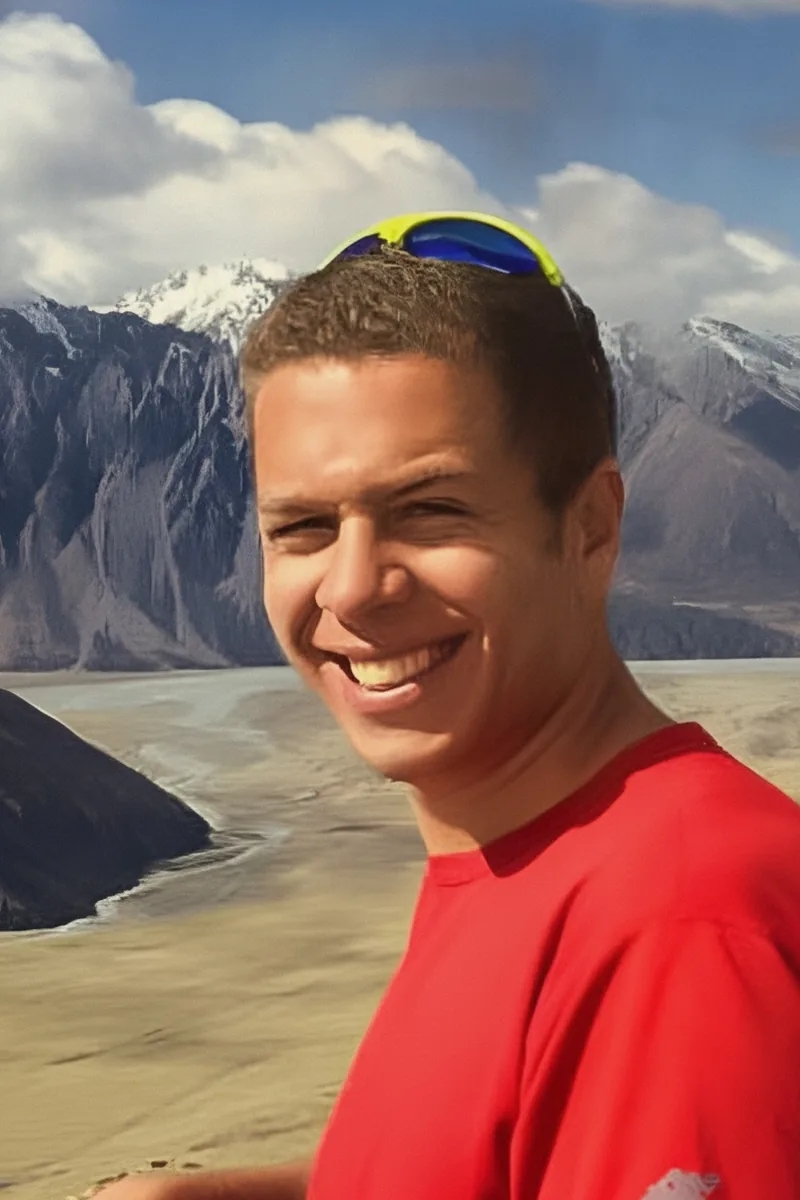
Enzyme kinetics, metabolic pathways, protein structure — biochemistry sits at the intersection of biology and chemistry, and it punishes students who try to memorize without understanding the underlying logic. Oliver earned his B.A. in Biochemistry at CU Boulder with a chemistry minor, giving him the dual lens needed to explain why Michaelis-Menten curves behave the way they do or how amino acid properties dictate protein folding.
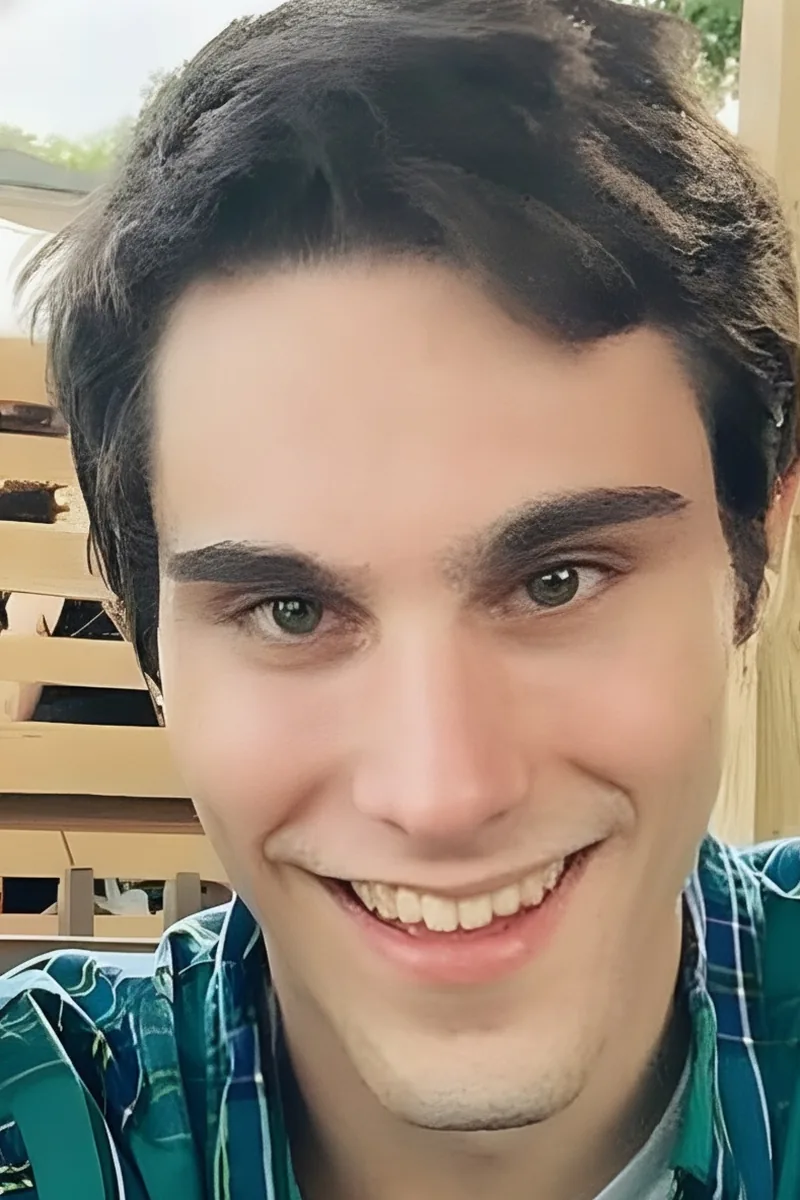
Having served as a teaching assistant for Cell & Molecular Biology at UVA while completing a biomedical engineering degree, Colton brings deep familiarity with amino acid structures, enzyme kinetics, and metabolic pathways like glycolysis and the citric acid cycle. He connects each biochemical concept to its biological context, which makes dense material like protein folding and signal transduction far easier to retain.
Four years of medical school gave Amanda a particular edge with the biochemistry that underpins clinical reasoning — she's internalized how disruptions in lipid metabolism or glycogen storage pathways manifest as actual disease states. Her biology degree and public health training add breadth, letting her teach topics like nucleotide biosynthesis or enzyme regulation by zooming out to the physiological stakes behind each reaction. Rated 4.7 by students.
Having worked in biochemical laboratories alongside his dual bachelor's degrees — including one in biochemistry — and his architecture studies at Columbia, Andrew brings a rare structural intuition to topics like protein folding and macromolecular assembly. He teaches metabolic pathways by building them up from their organic chemistry foundations, so students see each reaction as a logical next step rather than an isolated arrow on a diagram. Rated 4.9 by students.
Enzyme kinetics, metabolic pathways, protein folding — biochemistry sits at the intersection of biology and chemistry, and Zachary holds a degree in exactly that. He digs into the molecular logic behind processes like glycolysis and the citric acid cycle, connecting reaction mechanisms to the bigger physiological picture so the details actually stick.
Two cancer research labs gave Brian a front-row seat to biochemistry in action — enzyme kinetics, metabolic pathways, and protein structure aren't abstractions for him but daily working tools. He's currently preparing for medical school and the MCAT's biochemical foundations section, which means topics like amino acid chemistry, glycolysis, and membrane transport are fresh and detailed in his teaching.
Studying biochemistry at Penn as part of a pre-health track, Shayan lives in the world of enzyme kinetics, metabolic pathways, and protein structure daily. He breaks down dense topics like the citric acid cycle or amino acid chemistry using visual analogies and step-by-step logic that make the connections between reactions stick long after the session ends.
Managing an immunology lab means Matthew doesn't just teach enzyme kinetics, protein structure, or metabolic pathways from a textbook — he uses them daily in his breast cancer research at Columbia. He walks through topics like signal transduction, amino acid chemistry, and lipid metabolism with the kind of specificity that turns confusing diagrams into logical sequences students can actually reason through.
Enzyme kinetics, metabolic pathways, and amino acid chemistry all converge in biochemistry, and keeping them straight requires more than flashcards. Kaitlyn tackles these topics daily in medical school, so she teaches Michaelis-Menten plots, glycolysis intermediates, and protein structure with the kind of fluency that comes from constant use rather than distant memory.
Enzyme kinetics, metabolic pathways, protein structure — biochemistry demands that students think simultaneously about chemistry and biology, which is exactly how Nathaniel trained. His degree in biochemistry and his MCAT preparation mean he can walk through everything from Michaelis-Menten plots to amino acid properties with the depth a college-level course requires.
David's neuroscience training at Yale meant wrestling with biochemistry from the nervous system's perspective — neurotransmitter synthesis, ion channel biophysics, and the metabolic demands that make the brain consume a disproportionate share of the body's glucose. Now pursuing a graduate degree in bioethics, he brings that mechanistic grounding to topics like amino acid chemistry and membrane transport, connecting each reaction to the biological system it supports. Holds a 5.0 rating.
Lab research and patient care gave Sophie a dual perspective on biochemistry — she's traced metabolic pathways at the bench and seen what happens clinically when those pathways break down. Her biological and physical sciences degree means she teaches topics like enzyme mechanisms and pathway regulation by pulling in the organic chemistry and thermodynamics that explain *why* each step occurs, not just what comes next. Rated 4.9 by students.
Enzyme kinetics, metabolic pathways, and protein structure all demand a kind of thinking that sits right at the intersection of biology and chemistry — exactly where Jhonatan's neuroscience training lives. He unpacks topics like Michaelis-Menten kinetics and amino acid chemistry by connecting molecular details to the larger biological question of why a cell needs this reaction in the first place. Rated 5.0 by students.
Enzyme kinetics, metabolic pathways, amino acid chemistry — biochemistry sits right at the intersection of Alex's Bio-Organic Chemistry training. He teaches students to trace the logic of each pathway, connecting molecular structure to biological function so that something like the citric acid cycle becomes a series of predictable chemical transformations rather than an overwhelming diagram to memorize.
Testimonials
Because the right Biochemistry tutor makes all the difference.
Average Session Rating – Based on 3.4M Learner Ratings
Practice Biochemistry
Free practice tests, flashcards, and AI tutoring for Biochemistry
Nearby Biochemistry Tutors
Other Denver Tutors
Related Science Tutors in Denver
Frequently Asked Questions
Biochemistry combines chemistry and biology, which makes it particularly challenging for students who struggle with either foundational subject. The most common pain points include understanding metabolic pathways (like glycolysis and the citric acid cycle), mastering enzyme kinetics and regulation, balancing biochemical equations, and visualizing how proteins fold and function at the molecular level. Many students also find it difficult to connect these abstract concepts to real-world applications in medicine, nutrition, and disease. Personalized tutoring helps you build a stronger conceptual foundation rather than relying on memorization, which is essential for success in Biochemistry.
Metabolic pathways involve dozens of interconnected reactions, making them easy to memorize but hard to truly understand. A tutor can break these pathways into smaller, logical pieces and explain why each step occurs—showing you the energy considerations, regulatory mechanisms, and connections between pathways like glycolysis, the citric acid cycle, and oxidative phosphorylation. Using visual models, drawing mechanisms, and working through practice problems together helps you develop the conceptual understanding needed to apply this knowledge to new situations, exams, and real-world scenarios in medicine or research.
Memorizing structures, pathways, and reactions might help you pass a test in the short term, but Biochemistry is fundamentally about understanding how molecules interact and why biological processes work the way they do. True understanding means you can predict what happens when a variable changes, explain the 'why' behind each reaction, and apply concepts to new problems you've never seen before. A tutor helps you develop this deeper understanding by asking probing questions, having you work through problems from first principles, and connecting abstract concepts to real applications—like how a drug might inhibit an enzyme or how mutations affect protein function.
If you're taking Biochemistry in a lab course, the experiments you perform should reinforce what you're learning in lectures—but the connection isn't always obvious. A tutor can help you understand the experimental design, what each step is measuring, how your results connect to theoretical concepts, and why the procedure works the way it does. Whether you're running gel electrophoresis, enzyme assays, or protein purification experiments, personalized instruction helps you see the bigger picture and develop the scientific reasoning skills that make you a better researcher, not just a better test-taker.
This depends on where you're starting and what you're working toward, but most students begin to feel more confident within 3-4 weeks of regular sessions as they develop a stronger conceptual foundation. If you're preparing for an exam, targeted tutoring 2-3 weeks before the test can significantly improve your performance. For long-term success in Biochemistry and related fields like medicine, nutrition, or research, consistent tutoring over a semester helps you build the deep understanding and problem-solving skills you'll need in upper-level courses and beyond.
An effective Biochemistry tutor should have strong background knowledge in both chemistry and biology, ideally with experience in biochemistry research, clinical work, or advanced coursework. Beyond expertise, the best tutors can explain complex concepts clearly, ask questions that develop your thinking, and adapt their teaching style to how you learn best. Varsity Tutors connects you with tutors who have the subject knowledge and teaching experience to help you not just memorize Biochemistry, but truly understand the concepts—which is what leads to real improvement in grades and confidence.
Absolutely. Biochemistry is a crucial course for pre-med students, dental students, and others pursuing health-related careers, and getting strong conceptual understanding now will help you succeed in medical school and beyond. If you're finding Biochemistry difficult, it often means you need help connecting the concepts or building foundational chemistry and biology knowledge—not that you're not cut out for medicine. Personalized tutoring can target exactly where you're struggling, whether that's enzyme kinetics, protein structure, or how metabolic pathways relate to human health, giving you the confidence and understanding you need to move forward successfully.
Let’s find your perfect tutor
Answer a few quick questions. We’ll recommend the right plan and match you with a top 5% tutor.