Award-Winning Japanese Tutors
serving Colorado Springs, CO
Japanese
Tutors in Colorado Springs
Private 1-on-1 tutoring, weekly live classes for academic support, test prep & enrichment, practice tests and diagnostics, and more to elevate grades and test scores.
Based on 3.4M Learner Ratings
UniversitiesSchools & Universities
DeliveredHours Delivered
ProficiencyGrowth in Proficiency
Who needs tutoring?
No obligation. Takes ~1 minute.
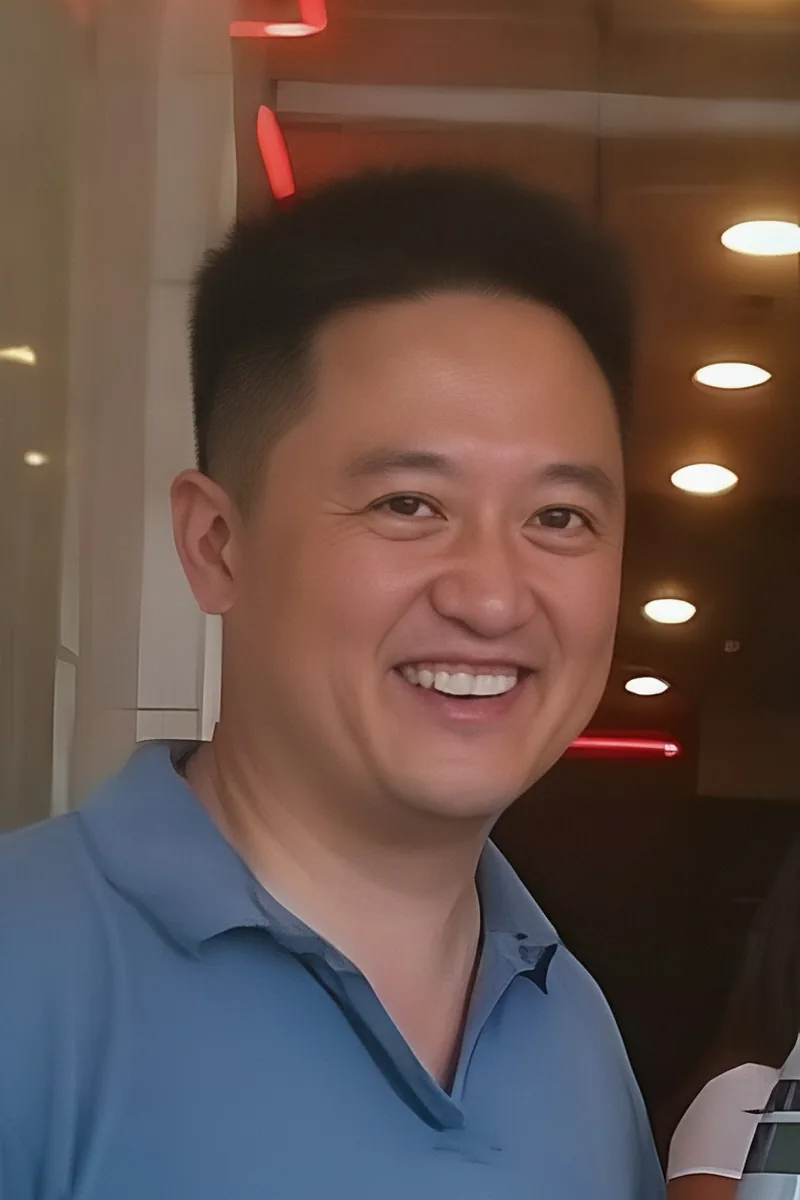
I am a great tutor because not only are my fundamental verbal and quantitative skills strong, but I am able to communicate my reasoning and problem solving skills quickly and clearly.
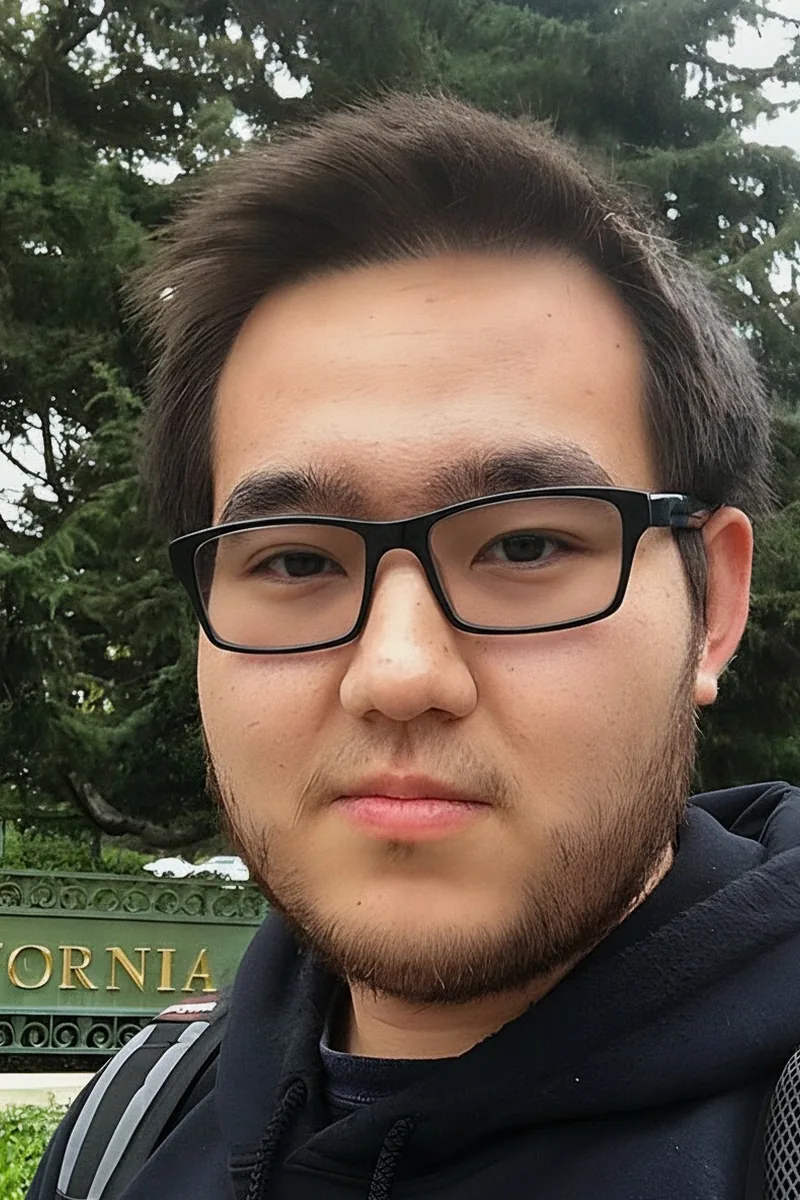
I am studying Chemical Biology in UC Berkeley. One of my passions is Organic Chemistry, which I used to loath but now enjoys after taking a year of it. Also, because I like helping others, I enjoys tutoring/teaching students who are struggling. During high school, I have tutored other high students after school on various subjects such as Math, Physics, Chemistry, and Latin. During college, I have held informal review sessions for General Chemistry and Organic Chemistry for my underclassmen. I tutored my roommate and one of my underclassmen in Organic Chemistry. Finally, with a Graduate Student TA, I co-taught a Organic Chemistry Lab class section , where I answer questions regarding lab material and demonstrate lab techniques. Currently, I am interested in tutoring Organic Chemistry, General Chemistry, Biochemistry, Physics, and Calculus
Sho teaches Japanese with attention to the details that trip up English speakers most — particle usage, verb conjugation groups, and the shift between casual and polite registers. Whether a student is learning hiragana for the first time or working through intermediate kanji and grammar patterns, he brings structured practice to a language that rewards consistency.
I'm a candidate for a B.S. in Business Administration at Northeastern University. In addition to tutoring, I enjoy playing the tuba and learning about transportation engineering/planning. I'm also fully Japanese and can read, write, and speak the language. As someone who scored 1530 on the SAT and 800 on the Math II subject test, I'd love to assist you in preparing for college!
I would like to work with people who want to advance their Japanese knowledge and capabilities. I have lived for 18 years in Japan and can guide someone through the intricacies of the language. I have certified top level proficiency on the Japan Foundation Japanese Proficiency Test.
As a native Japanese speaker with over fifty years of fluency in reading, writing, and conversation, Hatsuki teaches the language the way it's actually used — from particle usage and keigo (honorific speech) to the nuances between hiragana, katakana, and kanji in everyday contexts. She currently lives in the U.S. with her family, giving her a natural understanding of where English speakers stumble with Japanese grammar and pronunciation.
Growing up attending the Japanese Weekend School of New Jersey while enrolled in American public schools, Hidefusa developed native-level fluency in both languages and a deep understanding of where English speakers stumble with Japanese. He teaches everything from hiragana and katakana basics to kanji recognition, particle usage, and keigo (formal speech) — drawing on the bilingual instincts of someone who has lived in both linguistic worlds.
Having prepared for and taken the SAT Subject Test in Japanese with Listening, Dylan brings practical fluency in grammar structures like particle usage, verb conjugation groups, and honorific registers. He tackles reading comprehension by teaching students to decode kanji compounds in context rather than relying purely on rote memorization. Rated 5.0 by students.
Brian prepared for and took the SAT Subject Test in Japanese with Listening, which means he's worked through the grammar structures, kanji recognition, and listening comprehension challenges that define intermediate Japanese study. He approaches language learning with the same systematic thinking he applied to economics and CS at Caltech — breaking down sentence patterns and verb conjugations into logical rules rather than pure memorization.
Triple-majoring in Japanese, linguistics, and computer science at UMass Amherst, Connor brings both fluency and analytical rigor to teaching the language. He unpacks grammar patterns like particle usage and verb conjugation groups by connecting them to the underlying logic of how Japanese sentences are built — making new structures easier to internalize and recall.
As a native Japanese speaker who has also worked professionally as an interpreter, Sonya understands both languages from the inside — the particles, sentence-final expressions, and politeness shifts that sound natural versus textbook-stiff. Her bilingual preschool volunteering sharpened her ability to explain concepts at any level, from first encounters with hiragana to nuanced keigo distinctions that even intermediate learners struggle with.
Learning Japanese means juggling three writing systems, honorific levels, and grammar that works nothing like English — and Karen tackles all of it from firsthand experience using the language abroad. Whether a student is memorizing their first hundred kanji or practicing particle usage in complex sentences, she builds each lesson around practical communication skills.
Testimonials
Because the right Japanese tutor makes all the difference.
Average Session Rating – Based on 3.4M Learner Ratings
Nearby Japanese Tutors
Other Colorado Springs Tutors
Related Languages Tutors in Colorado Springs
Frequently Asked Questions
Your first session is an opportunity to discuss your goals—whether you're preparing for AP Japanese, building conversational skills, or learning for personal enrichment. A tutor will assess your current level across reading, writing, speaking, and listening to create a personalized learning plan. This helps ensure every session focuses on the areas where you need the most support.
In a classroom setting, students often get limited speaking time. With personalized 1-on-1 instruction, you get consistent conversation practice with immediate feedback on pronunciation and accent. Tutors can focus on natural speech patterns, help you develop confidence, and correct mistakes in real-time—something that's difficult to achieve in group classes.
Japanese verb conjugation and grammar rules can feel overwhelming because they're quite different from English. Tutors break down complex concepts like tense, aspect, and politeness levels into manageable pieces, then use targeted practice to help it stick. Rather than memorizing rules in isolation, you'll learn how grammar works in real conversations and written contexts.
Effective vocabulary retention relies on spaced repetition and using words in meaningful contexts. Tutors combine flashcard techniques with conversational practice, reading comprehension, and writing exercises so you encounter words multiple times in different ways. This approach helps vocabulary stick much better than memorization alone.
Yes—language and culture are deeply connected. Tutors incorporate cultural context like honorifics, social customs, and communication styles so you understand not just the words, but how to use them appropriately. This immersion-style approach helps you communicate authentically and appreciate the nuances of Japanese language and society.
Reading and writing require different skills than speaking and listening. Tutors work with you on hiragana, katakana, and kanji recognition; reading comprehension across different text types; and written expression from simple sentences to essays. They can tailor practice to your specific needs, whether that's preparing for standardized tests or building practical communication skills.
Yes. Tutors experienced with AP Japanese can help you prepare across all exam components: listening, reading, writing, and speaking. They understand the specific format and expectations of the exam and can guide you through practice tests, help refine your responses, and build the proficiency needed to perform well.
Absolutely. Whether you're starting from zero or already conversational and looking to reach advanced fluency, Varsity Tutors connects you with tutors who match your level and goals. Personalized instruction adapts to your pace, so you're always challenged appropriately without feeling overwhelmed.
Let’s find your perfect tutor
Answer a few quick questions. We’ll recommend the right plan and match you with a top 5% tutor.