Award-Winning AP Chinese Language and Culture Tutors
serving Nashville, TN
AP Chinese Language and Culture
Tutors in Nashville
Private 1-on-1 tutoring, weekly live classes for academic support, test prep & enrichment, practice tests and diagnostics, and more to elevate grades and test scores.
Based on 3.4M Learner Ratings
UniversitiesSchools & Universities
DeliveredHours Delivered
ProficiencyGrowth in Proficiency
Who needs tutoring?
No obligation. Takes ~1 minute.
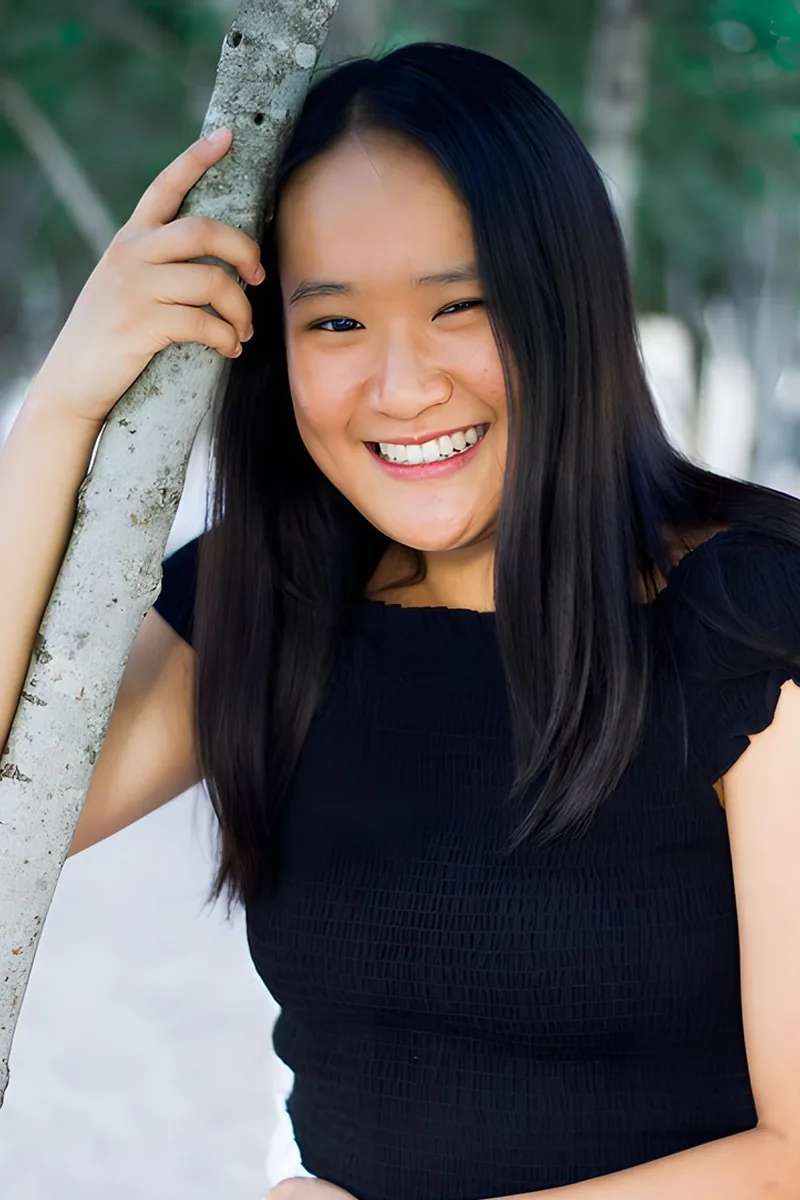
Eileen scored well enough on the SAT Subject Test in Chinese with Listening to understand both the language mechanics and the test strategy behind AP Chinese. She tackles the interpersonal and presentational communication tasks by drilling real conversational patterns and teaching students how to structure spoken and written responses under timed conditions.

A native Mandarin speaker with undergraduate roots at Wuhan University — one of China's top ten — Albert brings an insider's grasp of the idiomatic phrasing, formal registers, and cultural references that the AP Chinese exam's interpersonal speaking and listening sections demand. His dual MBA training at UCLA and London Business School also means he can coach the presentational writing tasks with the kind of structured argumentation that earns top rubric scores.
Jason is a Mandarin speaker who understands both the linguistic and cultural dimensions the AP Chinese exam tests — from formal vs. informal register in presentational writing to the cultural comparisons required in the free-response section. He walks students through listening comprehension strategies and character recognition alongside the cultural knowledge that earns top scores.
Minoring in Chinese at Northeastern while pursuing a pharmacy degree, Amy uses the language daily in academic contexts — reading research, discussing coursework — which builds the kind of formal register fluency the AP Chinese exam's interpretive reading and presentational writing sections actually test. Her 4.9 rating from students reflects a knack for breaking complex characters and grammatical structures into manageable patterns, and she draws on her own experience as a heritage learner to bridge gaps between conversational Mandarin and the academic-level precision the exam demands.
Fluent in Mandarin and experienced with the AP Chinese exam format, JF tackles the presentational writing and interpersonal speaking components that trip up even heritage speakers. He digs into the cultural comparison prompts specifically, showing students how to structure responses that hit every rubric criterion.
As a native Mandarin speaker who has passed China's national proficiency test and written her own leveled grammar curriculum, Tina knows exactly what AP Chinese examiners expect in listening, reading, and presentational writing. She drills the cultural comparison essay format and interpersonal speaking prompts so students walk into the exam with a rehearsed strategy, not just vocabulary lists.
The AP Chinese Language and Culture exam tests more than vocabulary — it requires students to compare cultural practices, narrate stories in real time, and write structured responses under pressure. Yiyu, educated in Beijing before earning her M.S. in Education, unpacks the cultural knowledge embedded in each task type and drills the specific speaking and writing patterns that earn top scores.
Paul is one of those rare tutors who operates at an advanced level in both Mandarin Chinese and a second foreign language, giving him unusual insight into how tonal languages, character-based writing systems, and cultural frameworks interact on the AP exam. He zeroes in on the interpersonal and presentational communication tasks, coaching students through the real-time speaking and writing prompts that carry the most weight.
I am an experienced tutor specializing in english, essay writing, communications and business. After completing the IB program at an international high school, I recently graduated from Northwestern University with a Bachelor of Science in Communication Studies, Business, and Integrated Marketing Communications. I grew up in a Korean household in China, so I am fluent in Korean and Chinese as well. Feel free to reach out for general inquiries on any classes or essay/writing help you need!
Melody teaches Mandarin Chinese and is currently studying at Columbia, where her coursework in AP Chinese Language and Culture aligns closely with the exam's cultural comparison prompts — the section where students need to articulate specific, nuanced differences between Chinese and American practices rather than recite generalities. Her 4.9 rating from students speaks to her ability to break down both the interpretive listening tasks and the presentational speaking prompts, where tonal clarity and organized delivery under timed pressure make the difference.
The cultural presentation component of AP Chinese Language and Culture catches many students off guard because it requires genuine knowledge of Chinese traditions, geography, and social customs — not just language proficiency. Christine grew up in Shanghai and brings firsthand cultural context to topics like festival traditions, family structures, and regional differences that students need for both the exam and the interpersonal tasks. Her native fluency means she can coach pronunciation and tonal accuracy in real time.
Most AP Chinese prep zeroes in on language mechanics, but the exam's interpersonal speaking prompts reward the kind of natural, idiomatic Mandarin that only comes from native fluency — and Tracy grew up speaking it at home. She also teaches across multiple Mandarin levels and competed in math competitions using bilingual problem-solving skills, so she understands how to bridge the gap between conversational comfort and the formal register the exam demands. Rated 4.9 by students.
As a fluent Mandarin speaker studying at Columbia, Zhenyi knows firsthand what it takes to operate at a high level in both English and Chinese — and the AP Chinese exam tests exactly that kind of bilingual agility. She digs into the exam's interpersonal and presentational communication tasks, coaching students on formal register, cultural comparisons, and the idiomatic phrasing that separates a 4 from a 5. Her native fluency means she can catch tonal and grammatical subtleties that non-native instructors often miss.
Testimonials
Because the right AP Chinese Language and Culture tutor makes all the difference.
Average Session Rating – Based on 3.4M Learner Ratings
Nearby AP Chinese Language and Culture Tutors
Other Nashville Tutors
Related Languages Tutors in Nashville
Frequently Asked Questions
The AP Chinese Language and Culture exam tests proficiency across four key skills: listening, reading, writing, and speaking. The exam includes multiple-choice sections for listening and reading comprehension, a free-response writing section, and a speaking portion with interpersonal and presentational components. The test emphasizes real-world communication in Mandarin Chinese and cultural understanding, requiring students to demonstrate proficiency at the intermediate-high level on the ACTFL proficiency scale.
Most students benefit from 6-12 months of focused preparation, though this depends on your current proficiency level and study intensity. If you're starting from an intermediate level, consistent practice over a full academic year allows time to strengthen all four skills and build cultural knowledge. Personalized tutoring can help you identify which areas need the most attention—whether that's expanding vocabulary, improving tones, or mastering written characters—so you can allocate study time effectively.
Many students struggle with the speaking section, particularly maintaining fluency under timed conditions and organizing thoughts quickly in Mandarin. The reading comprehension section challenges learners with authentic, fast-paced audio and complex written passages that require cultural context. Writing essays with proper grammar, tone, and cultural nuance also trips up test-takers. Working with a tutor who understands these specific pain points can help you practice timed responses, build listening stamina, and develop strategies for each section.
A score of 3 or higher is considered passing and earns college credit at most institutions, though competitive colleges often prefer scores of 4 or 5. Your target score depends on your college goals and current proficiency level. A tutor can assess your baseline skills and help you set a realistic goal based on your strengths and areas for growth, then create a study plan to reach that target.
The speaking section requires you to respond to prompts in real-time, which demands both fluency and cultural awareness. Practicing with timed mock questions, recording yourself, and getting feedback on pronunciation and pacing are essential. Personalized instruction allows you to practice conversational scenarios, receive immediate corrections on tones and grammar, and build confidence speaking under pressure—skills that translate directly to test day.
You don't need to write thousands of characters, but the AP exam requires you to recognize and understand characters in context across reading passages and listening comprehension. You'll typically need to recognize 2,500+ characters and be able to write 500-800 characters accurately. A tutor can help you prioritize high-frequency characters, understand character components to boost recognition, and develop efficient study methods so character learning doesn't become a bottleneck.
Cultural understanding is woven throughout the exam—it's not a separate section but rather integrated into reading passages, listening prompts, and speaking scenarios. You'll encounter authentic materials about Chinese holidays, traditions, current events, and social practices. Tutors can expose you to real Chinese media, discuss cultural nuances that affect language use, and help you develop the contextual knowledge that makes comprehension easier and responses more authentic.
Practice tests are crucial for understanding the exam format, building stamina for the full 2.5-hour exam, and identifying weak areas before test day. Take full-length practice tests under timed conditions every 2-3 weeks, then review errors to spot patterns—are you missing listening details, struggling with specific grammar, or running out of time on writing? A tutor can help you analyze practice test results, target your weaknesses with focused drills, and adjust your strategy based on what the data reveals about your performance.
Let’s find your perfect tutor
Answer a few quick questions. We’ll recommend the right plan and match you with a top 5% tutor.