Award-Winning Biochemistry Tutors
serving Knoxville, TN
Biochemistry
Tutors in Knoxville
Private 1-on-1 tutoring, weekly live classes for academic support, test prep & enrichment, practice tests and diagnostics, and more to elevate grades and test scores.
Based on 3.4M Learner Ratings
UniversitiesSchools & Universities
DeliveredHours Delivered
ProficiencyGrowth in Proficiency
Who needs tutoring?
No obligation. Takes ~1 minute.
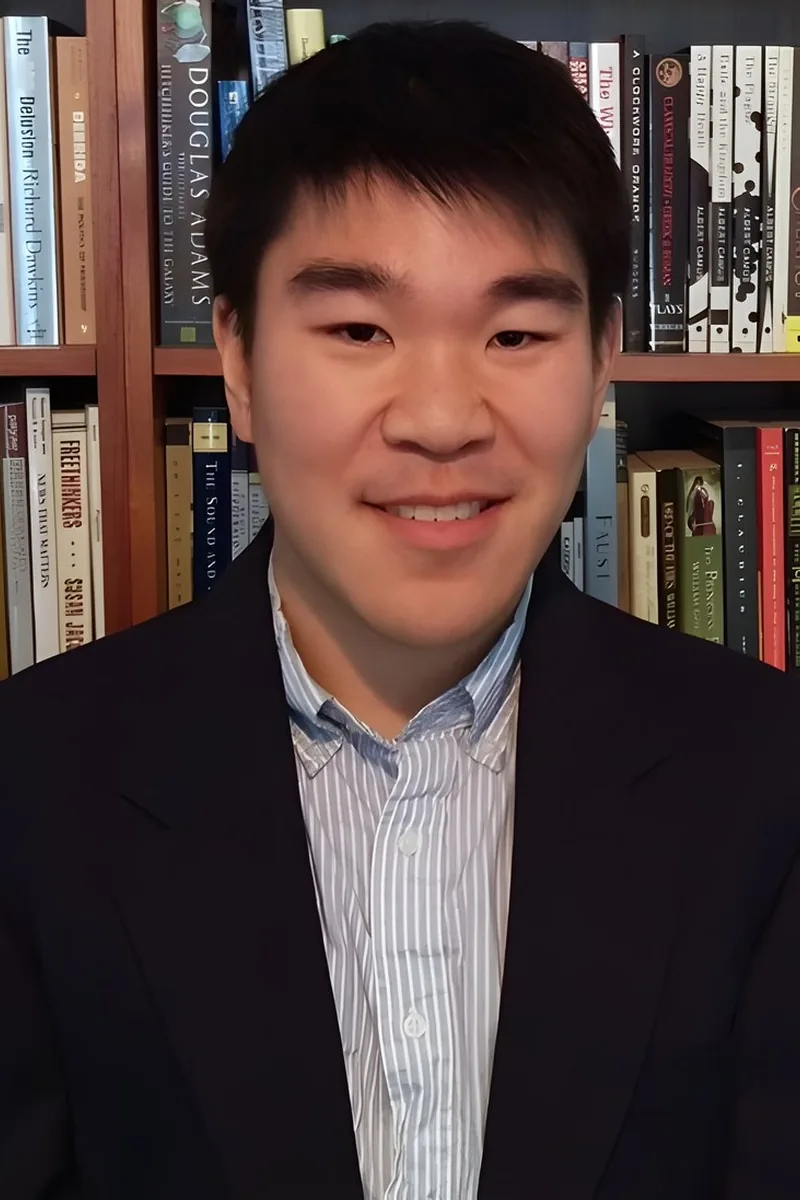
Few tutors can teach biochemistry from the perspective of someone who lived it at the graduate level. Dennis holds a Masters in Chemical and Physical Biology from Vanderbilt and an undergraduate degree in Biochemistry, so topics like enzyme kinetics, metabolic regulation, and protein structure are second nature. He walks through reaction mechanisms and pathway logic in a way that builds real understanding rather than rote memorization.

A chemistry degree from Rhodes College plus hands-on clinical internships — including work at Methodist Transplant Institute — means Eric has encountered biochemistry from both the bench and the bedside. He tackles topics like amino acid structure and metabolic regulation by walking through the underlying organic chemistry step by step, so reaction pathways read as logical progressions rather than disconnected diagrams.
Enzyme kinetics, metabolic pathways, protein folding — biochemistry sits at the intersection of everything Karen has studied across her biology degree and medical PhD. She unpacks reaction mechanisms and molecular interactions by tying them to physiological contexts, which makes memorizing pathways like glycolysis or the citric acid cycle far more intuitive.
Enzyme kinetics, metabolic pathways, protein structure–function relationships — Biochemistry sits at the intersection of biology and chemistry, and it demands comfort in both. Hunter earned his undergraduate degree in Biochemistry at Boston College and is continuing into a PhD at Duke, so he teaches topics like Michaelis-Menten kinetics and amino acid chemistry from years of hands-on experience rather than surface-level familiarity.
Pre-med coursework at Northwestern means Manideep is actively working through the toughest parts of biochemistry right now — amino acid structures, membrane transport mechanisms, and the regulatory logic behind major metabolic pathways. That proximity to the material gives him a sharp sense of where students get stuck, especially when translating organic chemistry principles into biological contexts. Rated 5.0 by students.
Studying biochemistry at Penn as part of a pre-health track, Shayan lives in the world of enzyme kinetics, metabolic pathways, and protein structure daily. He breaks down dense topics like the citric acid cycle or amino acid chemistry using visual analogies and step-by-step logic that make the connections between reactions stick long after the session ends.
Zachary earned both his BS in Biology and a master's in Molecular Biology, which means he's traced biochemical pathways from two different altitudes — the broad cellular view and the granular molecular detail. That dual training comes through when he unpacks topics like lipid metabolism or allosteric enzyme regulation, building each concept from its chemical logic so the bigger metabolic map starts to make sense on its own.
Two years as an Organic Chemistry Laboratory TA at the college level gave Maha the kind of mechanistic fluency that makes biochemistry's toughest material — reaction cascades in metabolic pathways, enzyme active-site chemistry, the logic behind cofactor requirements — click into place rather than blur together. Now a graduate student at Johns Hopkins Bloomberg School of Public Health with a dual background in chemistry and biology, she connects the organic chemistry driving each biochemical transformation to its broader physiological relevance. Rated 5.0 by students.
Enzyme kinetics, metabolic pathways, and protein structure all demand a student who can think across chemistry and biology simultaneously — which is exactly what Aleeza's biology degree and MCAT preparation trained her to do. She unpacks topics like Michaelis-Menten kinetics and amino acid chemistry by tying molecular details to the bigger biological picture. Students studying for upper-level biochemistry exams or the MCAT get someone who recently mastered this material herself.
Recent MCAT preparation gave Eric a sharp, up-to-date command of the biochemistry topics that trip students up most: enzyme kinetics, metabolic pathway regulation, and the interplay between protein structure and function. His graduate work in chemistry provides the molecular-level intuition that makes memorizing pathways feel less like brute force and more like following a logical story.
Enzyme kinetics, metabolic pathways, protein structure — biochemistry demands that students think simultaneously about chemistry and biology, which is exactly how Nathaniel trained. His degree in biochemistry and his MCAT preparation mean he can walk through everything from Michaelis-Menten plots to amino acid properties with the depth a college-level course requires.
Enzyme kinetics, metabolic pathways, protein structure — biochemistry demands that students hold chemistry and biology in their heads simultaneously, which is exactly what medical school trains you to do daily. Jamie is currently at Sidney Kimmel Medical College and brings firsthand fluency with topics like Michaelis-Menten kinetics, amino acid chemistry, and the regulation of glycolysis and the citric acid cycle. He breaks down dense pathway diagrams into step-by-step logic that actually makes sense.
Having worked in biochemical laboratories alongside his dual bachelor's degrees — including one in biochemistry — and his architecture studies at Columbia, Andrew brings a rare structural intuition to topics like protein folding and macromolecular assembly. He teaches metabolic pathways by building them up from their organic chemistry foundations, so students see each reaction as a logical next step rather than an isolated arrow on a diagram. Rated 4.9 by students.
Enzyme kinetics, metabolic pathways, amino acid chemistry — biochemistry sits right at the intersection of Alex's Bio-Organic Chemistry training. He teaches students to trace the logic of each pathway, connecting molecular structure to biological function so that something like the citric acid cycle becomes a series of predictable chemical transformations rather than an overwhelming diagram to memorize.
Amino acid structures, enzyme kinetics, metabolic pathways — biochemistry demands that students hold molecular details and big-picture logic in their heads at the same time. Paul's biology honors work at Brown required exactly this kind of thinking, and he walks students through reaction mechanisms and pathway regulation with a clarity that makes the material stick.
Testimonials
Because the right Biochemistry tutor makes all the difference.
Average Session Rating – Based on 3.4M Learner Ratings
Practice Biochemistry
Free practice tests, flashcards, and AI tutoring for Biochemistry
Nearby Biochemistry Tutors
Other Knoxville Tutors
Related Science Tutors in Knoxville
Frequently Asked Questions
Biochemistry combines organic chemistry, biology, and physics, making it challenging to see how abstract molecular concepts connect to living systems. Students often struggle with visualizing reaction mechanisms, balancing complex equations, understanding metabolic pathways, and applying theoretical knowledge to lab work. Personalized tutoring helps break down these interconnected concepts and builds both content mastery and scientific reasoning skills.
Success in Biochemistry requires deep understanding over memorization. While you'll learn structures and pathways, the real skill is understanding why reactions occur, how enzymes work, and how metabolic processes connect to cellular function. Tutors help you develop conceptual frameworks that make the material stick and allow you to apply knowledge to new problems—essential for exams, lab work, and future science courses.
Biochemistry labs require you to understand the theory behind experiments before you step into the lab. Tutors help you grasp the scientific method, predict outcomes, interpret data, and troubleshoot when results don't match expectations. This deeper preparation makes lab sessions more productive and helps you develop the critical thinking skills that separate good scientists from great ones.
Your first session focuses on understanding your current level, identifying specific challenges (whether it's enzyme kinetics, metabolic pathways, or lab preparation), and learning your learning style. The tutor will assess what concepts need reinforcement and create a personalized plan tailored to your course goals—whether that's improving your grade, preparing for an exam, or building confidence before lab work.
Tutors use multiple strategies to make abstract concepts concrete: drawing reaction mechanisms step-by-step, using molecular models and 3D visualization tools, connecting pathways to real cellular processes, and working through practice problems that build spatial reasoning. Regular practice with varied representations helps your brain build stronger mental models of how molecules interact and how biological systems function.
Look for tutors with strong backgrounds in both chemistry and biology, ideally with experience teaching or tutoring Biochemistry specifically. They should understand your course curriculum, be able to explain complex concepts clearly, and have experience helping students prepare for exams or lab work. Varsity Tutors connects you with expert tutors who have the subject knowledge and teaching skills to help you succeed.
Biochemistry equations are more complex than general chemistry because they involve multiple substrates, cofactors, and energy molecules like ATP. The challenge isn't just balancing atoms—it's understanding the stoichiometry and why reactions proceed in specific ways. Tutors break down the logic behind equation balancing and help you develop systematic approaches that work for any reaction you encounter.
Varsity Tutors matches you with qualified tutors based on your specific needs, schedule, and learning style. Once connected, you'll work with your tutor on a personalized plan—whether you need help with specific topics, exam prep, or ongoing support throughout your course. The flexible process adapts to your pace and goals, making it easy to get expert help when you need it.
Let’s find your perfect tutor
Answer a few quick questions. We’ll recommend the right plan and match you with a top 5% tutor.