Award-Winning Microbiology Tutors
serving Knoxville, TN
Microbiology
Tutors in Knoxville
Private 1-on-1 tutoring, weekly live classes for academic support, test prep & enrichment, practice tests and diagnostics, and more to elevate grades and test scores.
Based on 3.4M Learner Ratings
UniversitiesSchools & Universities
DeliveredHours Delivered
ProficiencyGrowth in Proficiency
Who needs tutoring?
No obligation. Takes ~1 minute.
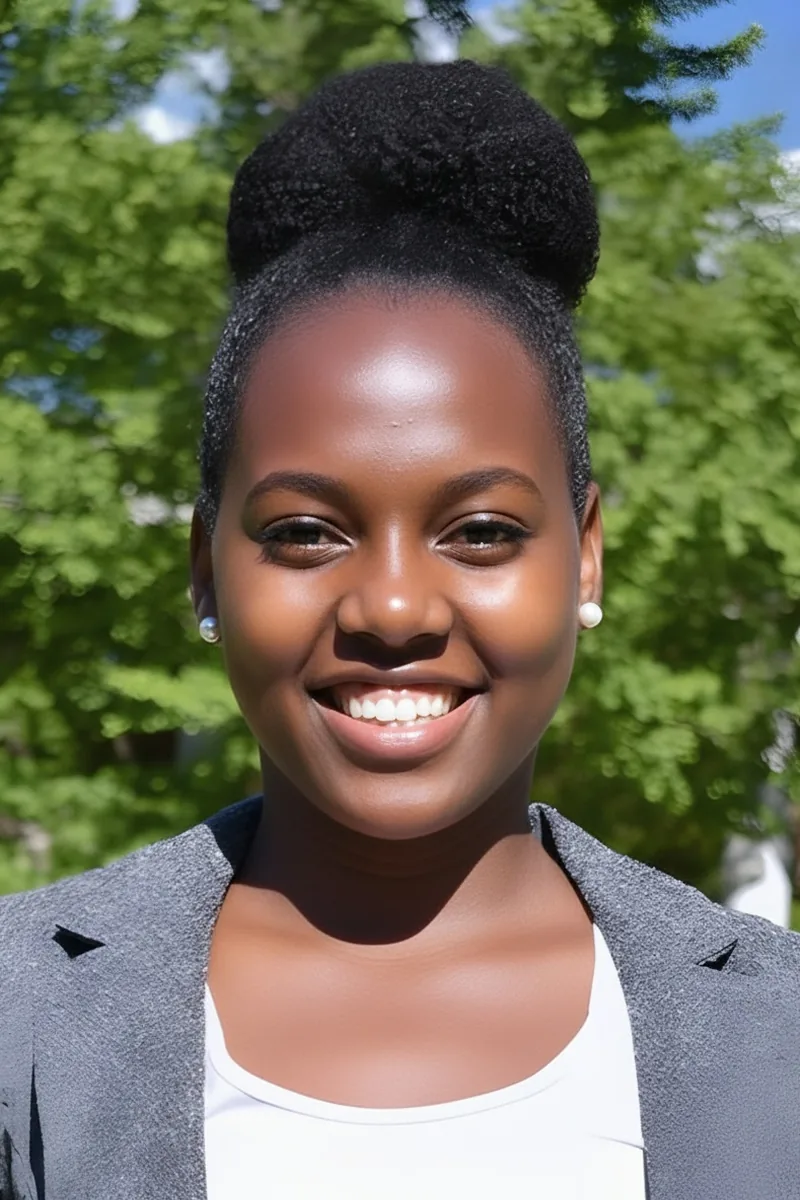
Studying chemistry at Vanderbilt gave Elsa a strong molecular-level lens for understanding microbial processes — from bacterial cell structure and metabolic pathways to mechanisms of antibiotic resistance. She approaches microbiology by connecting cellular machinery to the chemical reactions driving it, which makes topics like gram staining or viral replication cycles easier to retain.
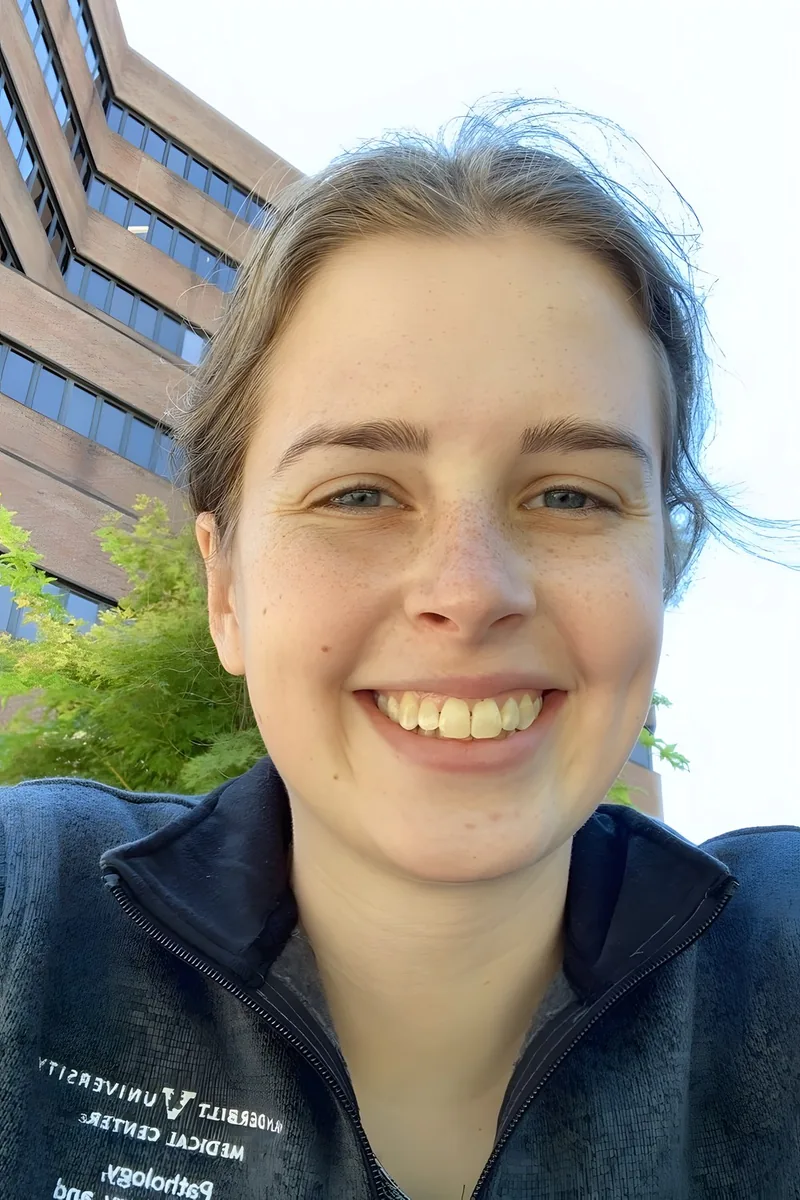
Graduate research in molecular pathology and immunology at Vanderbilt meant Kathleen spent years investigating how microorganisms trigger disease at the cellular and molecular level — from pathogen recognition by immune cells to the signaling cascades that determine whether an infection is cleared or spreads. She teaches microbiology by linking each organism's virulence strategies back to the host immune responses she studied firsthand, turning what often feels like a taxonomy exercise into a coherent story about molecular warfare.
Dental school demanded a deep understanding of oral microbiology — bacterial biofilms, pathogenic mechanisms, and immune responses at the cellular level. Jackson brings that clinical lens to microbiology tutoring, connecting topics like gram staining, microbial metabolism, and virulence factors to real diagnostic scenarios students can visualize.
From bacterial cell structure to viral replication cycles, microbiology demands that students keep an enormous number of tiny details organized in their heads. Nicole earned her biology degree at Baylor, where she led dissections and ran a branch of MedLife — experiences that grounded her understanding of microbial concepts in hands-on lab work rather than pure memorization.
Understanding microbiology means getting comfortable with organisms you can't see — bacterial cell structure, viral replication cycles, and the metabolic pathways that keep microbes alive. Varuna's graduate work in biomedical engineering at Tufts involved the biological mechanisms that underpin infection and immunity, giving her a practical lens for teaching concepts like gram staining, antibiotic resistance, and microbial genetics.
Studying both Biology and Political Science at the college level, Andrea is immersed in microbiology coursework — from bacterial cell structure and metabolic pathways to viral replication cycles. She unpacks dense material by tying molecular-level processes to bigger-picture concepts like immune response and antibiotic resistance, which makes the details easier to retain.
Rebecca tutored microbiology throughout her time at Cornell while completing her biological sciences degree, so she knows exactly where students get lost — distinguishing bacterial metabolic pathways, interpreting Gram stain results, or connecting virulence factors to clinical outcomes. She teaches the subject by building a logical framework around microbial structure and function, which makes memorizing hundreds of organisms far more manageable.
A Harvard-trained biologist with classroom teaching experience, Elizabeth digs into microbial structure, metabolism, and pathogenesis with genuine enthusiasm for the subject. She's particularly strong at connecting micro-level processes — bacterial gene regulation, viral replication cycles — to the bigger biological picture. Her science teaching background means she can unpack dense material without losing the thread.
Richard's PhD research at Northwestern is in microbiology, which means he's not teaching this subject from a textbook — he's living it. He digs into topics like bacterial pathogenesis, microbial genetics, and host-immune interactions with the kind of detail that comes from years at the bench. Students preparing for exams or struggling with lab reports get someone who can connect microscopic mechanisms to the bigger public health picture.
Medical school gave Kruti an unusually practical understanding of microbiology — she learned bacteria, viruses, fungi, and parasites not as abstract taxonomy but as organisms that cause specific diseases through specific mechanisms. She digs into concepts like virulence factors, antibiotic resistance pathways, and immune evasion strategies with the kind of detail that sticks. Students preparing for college-level micro exams or USMLE-style questions get someone who's recently navigated both.
Medical school builds microbiology into nearly every clinical rotation — Robin's training means she's traced how specific pathogens cause disease, how immune responses escalate, and why certain antibiotics target one organism but not another. That clinical context turns dense material like Gram classifications and virulence mechanisms into something students can reason through, because each organism connects to a real disease process. Rated 5.0 by students.
Garrett's biology degree paired with his coursework in physiology and anatomy means he understands microorganisms in the context of the systems they infect — not as isolated names on a flashcard. He walks through topics like microbial cell structure, pathogen life cycles, and immune evasion strategies by anchoring each organism to the tissue-level damage it actually causes, which turns a massive taxonomy into something students can reason through.
As a biology major at Boston College, Andrew's coursework in cell biology and lab science gave him hands-on experience with the microbial world — bacterial structure, growth dynamics, and the metabolic differences that determine how organisms thrive in different environments. His parallel study of chemistry strengthens how he explains topics like cell membrane function and nutrient uptake at the molecular level, turning dense material into something students can actually reason through. Rated 5.0 by students.
Before starting her doctoral work at Princeton, Edna spent time in an immunology and genetics laboratory where microbial behavior wasn't theoretical — it was daily benchwork. She digs into bacterial structure, viral replication cycles, and host-pathogen interactions with the kind of detail that comes from having actually cultured organisms and interpreted experimental results. Her Columbia public health training adds an epidemiological lens that connects micro-scale biology to real-world disease patterns.
Rashida's PhD in Cellular and Molecular Biology means she teaches microbiology from the inside out — starting at the level of gene regulation, membrane transport, and molecular signaling before zooming out to how microorganisms behave in populations. Her doctoral research and experience leading discussions in cell biology and Mendelian genetics give her a particular knack for explaining how bacteria acquire and express resistance genes, or how horizontal gene transfer reshapes microbial communities. Rated 5.0 by students.
Medical school demands a granular understanding of pathogens — bacterial cell wall differences, viral replication cycles, antibiotic resistance mechanisms. Daniel earned his M.D. and brings that clinical lens to microbiology, connecting each organism's structure and behavior to the disease processes students are expected to know for exams.
Testimonials
Because the right Microbiology tutor makes all the difference.
Average Session Rating – Based on 3.4M Learner Ratings
Nearby Microbiology Tutors
Other Knoxville Tutors
Related Science Tutors in Knoxville
Frequently Asked Questions
Microbiology courses usually cover cell structure and function, bacterial classification, viral replication, immunology, and metabolic pathways. Students also learn microscopy techniques, culturing methods, and how to apply the scientific method to microbial systems. For students in Knoxville, a tutor can help you connect these concepts to real-world applications like disease transmission, food safety, and environmental microbiology.
Personalized tutoring helps you understand the theory behind lab procedures so you can execute them confidently and interpret results accurately. A tutor can clarify why you're using specific techniques, help you troubleshoot unexpected outcomes, and strengthen your understanding of the scientific method. This preparation makes lab sessions more productive and helps you write better lab reports.
Absolutely. Many students find it challenging to mentally model bacteria, viruses, and cellular processes at the microscopic scale. Personalized instruction allows tutors to use diagrams, animations, and real examples to help you build mental models of structures like flagella, plasmids, and biofilms. Breaking down abstract concepts into concrete, visual explanations makes microbiology much more accessible.
The key is connecting individual facts to larger concepts and systems. Rather than memorizing bacterial names, you learn how their structures relate to their functions and survival strategies. A tutor can help you build conceptual frameworks—like understanding how antibiotic resistance develops through natural selection—so facts stick because they make sense. This deeper understanding improves both test performance and retention.
Students often struggle with understanding metabolic pathways, grasping how immune responses work, and connecting microscopic events to disease outcomes. Many also find it difficult to interpret microscopy images or troubleshoot lab techniques when something goes wrong. Personalized tutoring addresses these specific pain points by breaking complex processes into manageable steps and providing targeted practice.
Your first session focuses on understanding your current level, identifying specific challenges, and building a personalized plan. A tutor will ask about topics that confuse you, review recent exams or lab work, and discuss your learning goals. This foundation allows the tutor to tailor future sessions to your needs, whether that's strengthening foundational concepts, preparing for exams, or mastering lab skills.
Look for tutors with strong backgrounds in microbiology, biology, or related sciences—ideally with experience teaching or tutoring the subject. Expertise in lab techniques, microscopy, and scientific communication is valuable. Varsity Tutors connects you with tutors who have demonstrated mastery of microbiology content and proven ability to explain complex concepts clearly to students at your level.
A tutor helps you identify weak areas, practice applying concepts to new scenarios, and develop test-taking strategies specific to microbiology. You'll work through practice questions, learn how to read and interpret exam-style questions, and build confidence with high-yield topics. Targeted practice with feedback accelerates your preparation and helps you move from understanding concepts to demonstrating mastery under exam conditions.
Let’s find your perfect tutor
Answer a few quick questions. We’ll recommend the right plan and match you with a top 5% tutor.