Award-Winning Elementary Social Studies
Tutors
Elementary Social Studies
Tutors
Private 1-on-1 tutoring, weekly live classes for academic support, test prep & enrichment, practice tests and diagnostics, and more to elevate grades and test scores.
Based on 3.4M Learner Ratings
UniversitiesSchools & Universities
DeliveredHours Delivered
ProficiencyGrowth in Proficiency
Who needs tutoring?
No obligation. Takes ~1 minute.
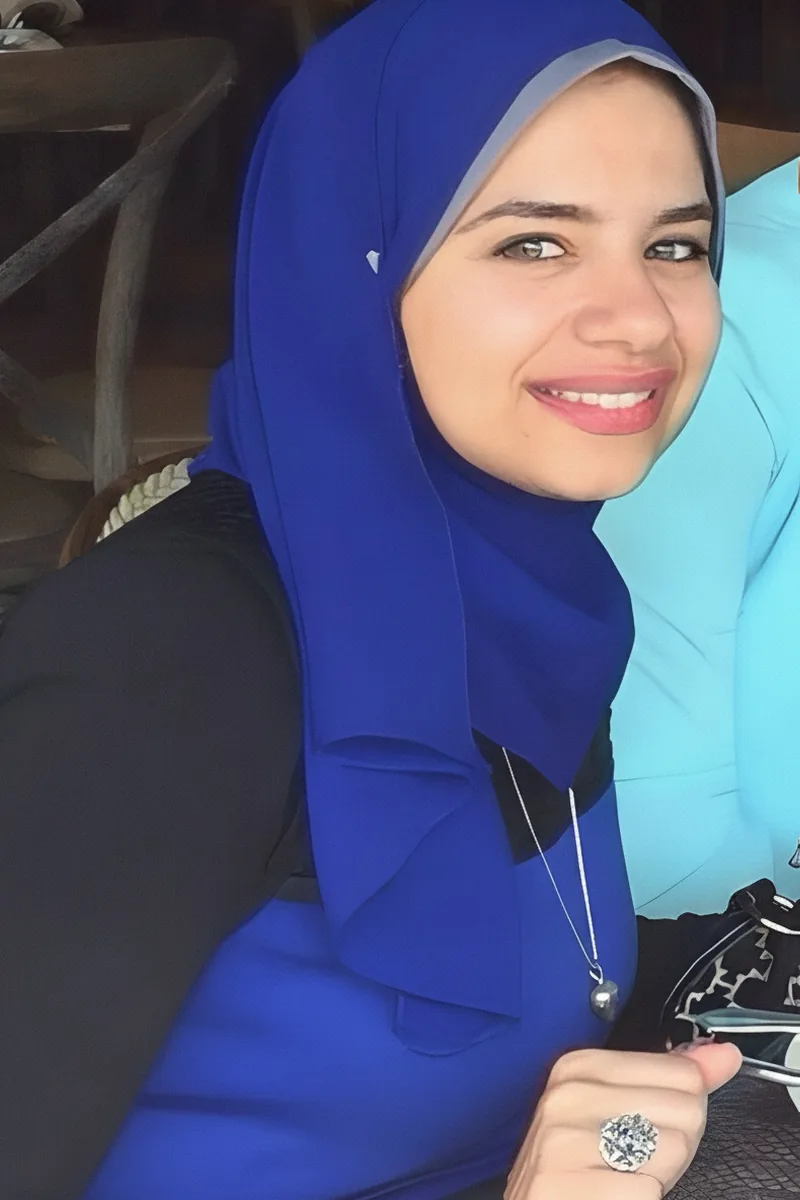
Maps, timelines, community roles, and basic civic concepts can feel disconnected to a young learner unless someone ties them together with a clear thread. Mona makes elementary social studies tangible by linking lessons to things kids already notice — why their neighborhood looks the way it does, how rules at school mirror laws in a community, and where their family's story fits on a timeline.
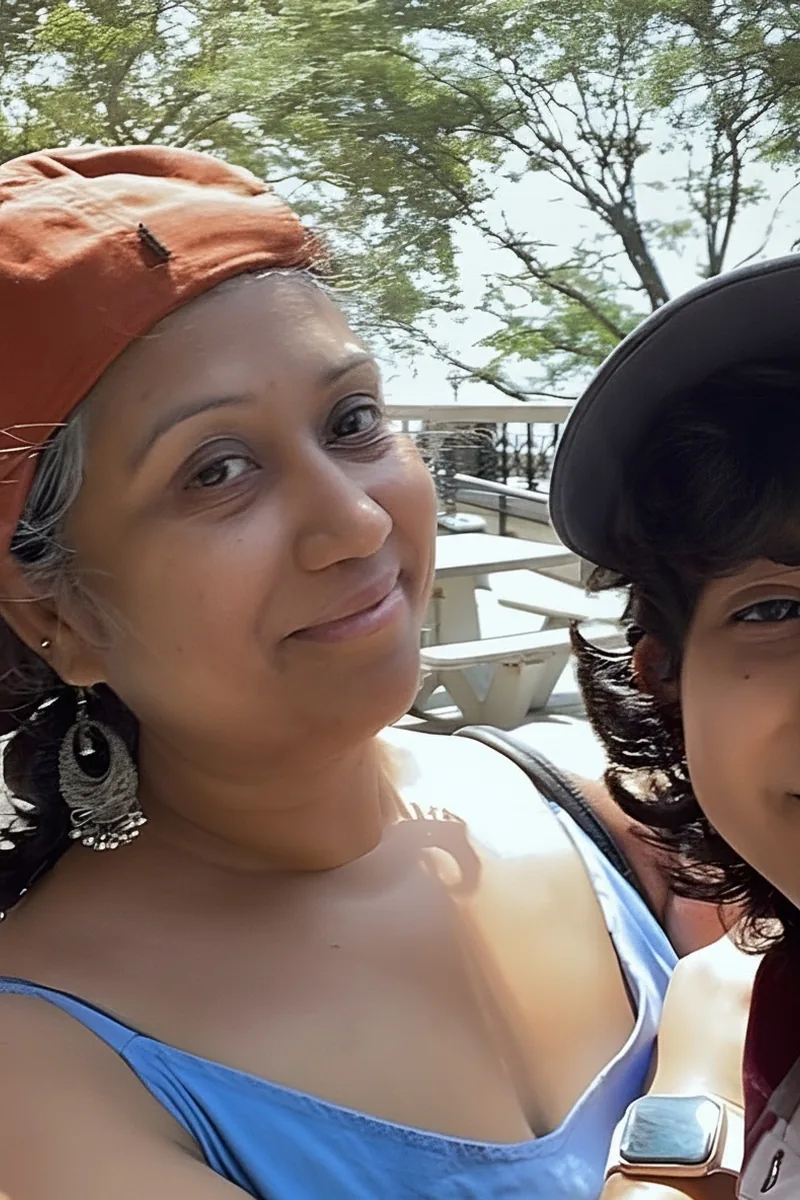
Maps, timelines, community roles, government basics — elementary social studies covers a surprisingly wide range of concepts for young learners. Nupur makes these topics tangible by connecting them to things kids already experience, like how their town works or why different cultures celebrate different holidays. She keeps lessons interactive and curiosity-driven.
At the elementary level, social studies is where kids first encounter maps, timelines, community roles, and basic civic concepts — and it's also where early reading skills get tested in a new context. Megan connects these lessons to reading comprehension strategies, showing students how to pull information from charts, captions, and short nonfiction passages. Her two master's degrees in education give her a deep understanding of how young learners process new content.
Young learners absorb social studies best when maps, timelines, and stories about real communities make abstract ideas concrete. Ariana taught middle school for years and holds certifications spanning PreK through 12, so she knows how to scale concepts like government roles, geographic regions, and cultural traditions to an elementary student's world without oversimplifying them.
Teaching elementary students about communities, maps, and civic concepts requires making abstract ideas concrete — something Sabrina does daily as a certified elementary educator with a math minor. She connects social studies topics like geography, government roles, and cultural traditions to real-world examples young learners already recognize, building both vocabulary and comprehension along the way.
Map skills, community roles, timelines, and basic civics can feel disconnected to a young learner unless someone ties them back to the child's own world. Emma does exactly that — she'll use a student's neighborhood to teach geography concepts or connect a lesson on rules and laws to the classroom agreements they already know. Her Master's in elementary education gave her deep practice designing these kinds of age-appropriate, hands-on social studies experiences.
At the elementary level, social studies is where kids first learn to think about communities, maps, timelines, and how people in different places live. Christina's experience creating her own lesson plans for young learners means she can turn abstract concepts like government roles or geographic regions into concrete, engaging activities. Four years as a lead mentor at a STEM camp sharpened her ability to make group learning feel both structured and fun.
Young learners absorb social studies best when it feels like storytelling — exploring how communities form, why maps matter, and what daily life looked like in ancient civilizations. Amos brings over two decades of experience working with learners across age groups, making concepts like geography, civic roles, and cultural traditions tangible and memorable.
At the elementary level, social studies is as much about reading comprehension as it is about content — students need to understand maps, timelines, community roles, and basic civics vocabulary. Brianna teaches elementary students full-time and knows how to weave literacy skills into social studies topics like neighborhoods, government, and American symbols so the content actually sticks.
Hi, I'm Saskia. I am currently getting my master's degree in Physician Assistant studies & I have a degree in Psychology! Learning to love reading shouldn't feel like a chore. I provide the patience, encouragement, and tailored strategies your student needs to unlock their confidence. I specialize in helping elementary and middle schoolers build strong communication skills, focusing on early literacy, phonics, reading comprehension, social studies, and writing structured paragraphs. In addition to my K-8 focus, I leverage my advanced academic background to support older students and adult learners in specialized fields, including Psychology, Social Sciences, and Medical Terminology. My sessions are interactive, patient, and highly supportivewhether we are breaking down a reading passage step-by-step, mastering active recall for psychology, or deconstructing complex medical roots and prefixes. Let's work together to build your study skills and make learning completely approachable!
Esther's management studies at Binghamton University give her a practical lens for explaining how communities organize themselves — from local government structures to how goods and services move through a town. She breaks down early civics and economics concepts using examples elementary students can relate to, like how their school cafeteria or local library actually runs. Rated 5.0 by students.
At the elementary level, social studies introduces big ideas — communities, maps, government, and cultural traditions — that kids are encountering formally for the first time. Hassan makes these concepts stick by tying them to things students already observe in their own neighborhoods and daily lives. He keeps lessons interactive and builds the vocabulary young learners need to talk about the world around them.
I am super passionate about helping people feel confident in all academic areas! I have experience tutoring mathematics, english, history, biology, and the SAT. Tutoring is something I am very excited about and I cannot wait to help out in any way I can. I am currently pursuing a BS in actuarial science along with a minor in history.
Community, geography, and civic responsibility can feel abstract to younger learners — Dolmecia makes these concepts concrete by connecting them to things kids already know, like their neighborhoods, local leaders, and family traditions. Her certified middle grades background means she understands exactly how to scaffold social studies concepts for elementary-age thinking.
As a passionate tutor with a Master's degree in Computer Science from the University of Ottawa, I have over 2 years of experience in teaching Python. My approach focuses on fostering a supportive learning environment where students feel empowered to explore concepts and ask questions. I believe in tailoring my teaching methods to meet each student's unique learning style, ensuring they grasp the material thoroughly. I am motivated by the joy of seeing my students achieve their goals and develop a love for programming. In my free time, I enjoy exploring new technologies and engaging in coding challenges, which further enrich my tutoring sessions.
Young learners are just starting to make sense of concepts like community roles, maps, timelines, and civic responsibility — and the way those ideas are introduced matters. Aqsa's patient, goal-oriented style turns abstract social studies vocabulary into something concrete, using real-world examples and interactive exercises to make topics like government services and cultural traditions click for elementary students.
Engineering isn't an obvious background for elementary social studies, but Katherine's Northwestern training in structured problem-solving translates surprisingly well when a young learner needs to understand how a community is organized or why cities develop near rivers and roads. She breaks down concepts like maps, timelines, and civic roles into logical steps — the same way she'd approach a design problem — giving kids a framework they can actually follow.
Young learners often connect best with social studies when it ties into the world they can see — seasons, communities, maps, and how people meet basic needs. Qays draws on his elementary teaching experience and science background to make these concepts tangible, linking geography to weather patterns or community roles to real-life examples kids already understand.
At the Miami Children's Museum, Mateo spent years translating big ideas about communities, cultures, and geography into activities young learners could actually engage with. That museum education background shapes how he teaches elementary social studies — using maps, stories, and hands-on comparisons to make concepts like neighborhoods, cultural traditions, and civic roles concrete and memorable.
Maps, timelines, community roles, and basic civics can feel like disconnected facts unless someone ties them together into a story. Amalia approaches elementary social studies by connecting historical events and geographic concepts to things kids already know — their neighborhoods, families, and daily routines. That real-world connection turns memorization into genuine curiosity about how the world works.
Transform Your Study Game with a Tutor Who Knows the Way: Expert Insight, On-Demand! I'm passionate about helping students because I love seeing that "aha!" moment when they finally understand something new. It's incredibly fulfilling to guide them through their learning journey and celebrate their successes. Over the years, I've worked with a variety of students, from those struggling with tough subjects to those aiming for excellence. Each experience has taught me how to adapt my approach to fit different learning styles, making sure every student gets the support they need. My teaching style is all about making learning fun and effective. I believe in personalizing my approach to fit each student's needs, using creative methods to make challenging concepts easier to grasp.
Testimonials
Because the right Elementary Social Studies tutor makes all the difference.
Average Session Rating – Based on 3.4M Learner Ratings
Top 20 Social Studies Subjects


Top 20 Subjects
Frequently Asked Questions
Elementary social studies students often struggle with understanding cause-and-effect relationships in history—connecting why events happened rather than just memorizing dates. Many also find it challenging to distinguish between primary and secondary sources, and to understand how geography shapes human societies. Additionally, students frequently have difficulty grasping abstract concepts like government systems, citizenship responsibilities, and cultural differences. A tutor can help break down these complex ideas into concrete examples and relatable scenarios that make connections stick.
Rather than focusing solely on memorization, a tutor helps students ask deeper questions: Why did this historical event matter? How would this situation look from a different perspective? What evidence supports this claim? By practicing these analytical skills early, students learn to evaluate information, consider multiple viewpoints, and construct evidence-based arguments—skills that become essential in middle school and beyond. This foundation makes the transition to more rigorous social studies work much smoother.
Map reading requires students to understand abstract symbols, scales, and spatial relationships—skills that don't develop naturally for all learners. Students often confuse latitude and longitude, struggle to interpret map legends, or have difficulty visualizing how flat maps represent a 3D world. A tutor can use interactive approaches—like creating their own maps, comparing different map projections, or relating geography to current events—to make these spatial concepts concrete and meaningful rather than abstract and frustrating.
Many elementary students don't know where to start when examining a primary source like a historical photograph, letter, or artifact. A tutor teaches them to ask structured questions: Who created this? When and why? What does it tell us about life at that time? What bias or perspective might the creator have? By practicing this analytical framework with various sources, students develop the ability to extract meaning and context from historical evidence rather than treating sources as confusing documents. This skill directly supports stronger history understanding and better writing about historical topics.
Abstract concepts like democracy, rights, responsibilities, and branches of government are difficult for elementary students to grasp through textbook definitions alone. Effective tutors connect these ideas to students' own experiences—comparing classroom rules to laws, exploring how their school government works, or discussing real current events at an age-appropriate level. Using role-play, simulations, and concrete examples helps students internalize why these systems matter and how they function in daily life.
Elementary social studies aims to build students' understanding of diverse cultures, perspectives, and historical experiences. Tutors help students move beyond surface-level facts (what people eat, what holidays they celebrate) to deeper understanding of why cultures developed differently, how geography and history shaped societies, and how to respectfully engage with perspectives different from their own. This foundation builds empathy and critical thinking while strengthening reading comprehension of social studies texts.
Elementary social studies writing ranges from simple summaries to research-based essays, and many students struggle with organizing information, supporting claims with evidence, or moving beyond plot summary to analysis. A tutor helps students develop a framework: What question are you answering? What evidence from your sources supports your answer? How do you explain why this matters? With guided practice, students learn to write more sophisticated social studies pieces that demonstrate genuine understanding rather than regurgitated facts.
Social studies tests often require students to apply knowledge rather than just recall facts—interpreting maps, analyzing documents, explaining cause-and-effect, or comparing different time periods. Tutors prepare students by practicing with the specific question formats they'll encounter, teaching test-taking strategies like annotation and elimination, and building confidence with timed practice. This targeted preparation helps students demonstrate what they actually understand rather than getting tripped up by test format or time pressure.
Let’s find your perfect tutor
Answer a few quick questions. We’ll recommend the right plan and match you with a top 5% tutor.