Award-Winning AP Spanish Language & Culture Tutors
serving Raleigh, NC
AP Spanish Language & Culture
Tutors in Raleigh
Private 1-on-1 tutoring, weekly live classes for academic support, test prep & enrichment, practice tests and diagnostics, and more to elevate grades and test scores.
Based on 3.4M Learner Ratings
UniversitiesSchools & Universities
DeliveredHours Delivered
ProficiencyGrowth in Proficiency
Who needs tutoring?
No obligation. Takes ~1 minute.
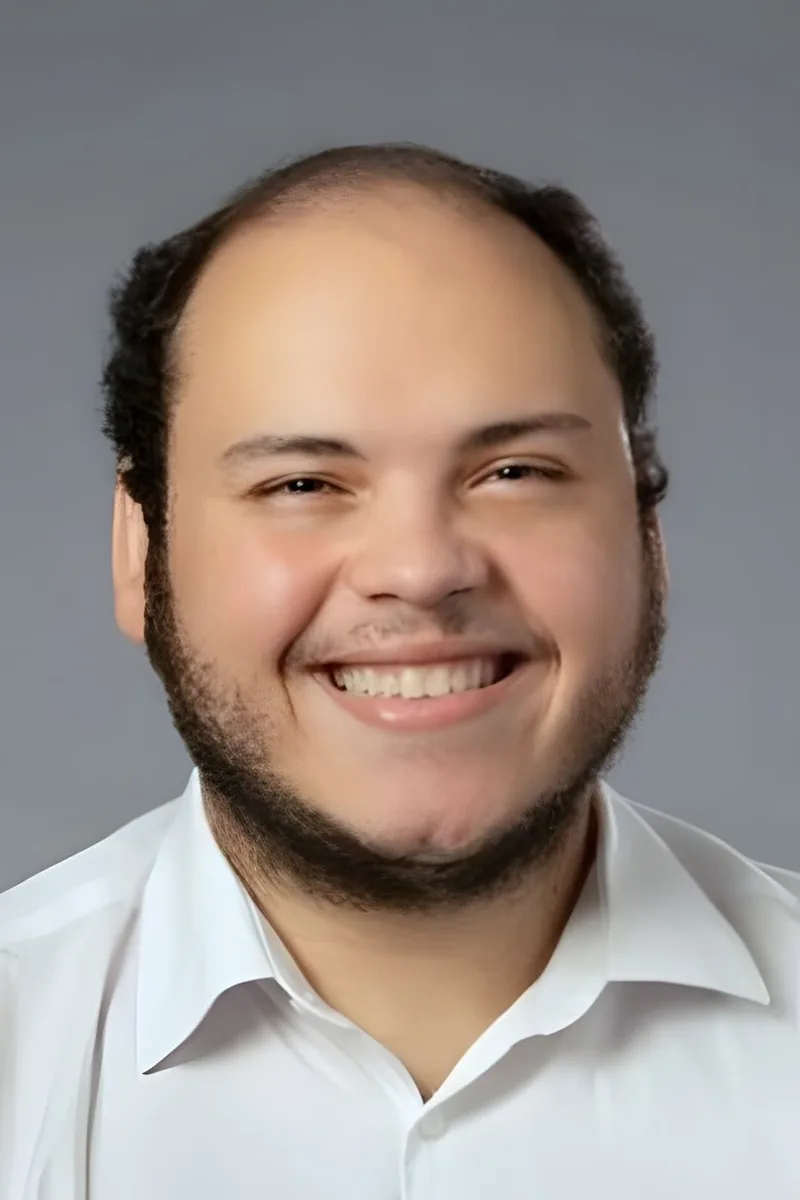
Having lived and worked in Puerto Rico, Eric brings real-world Spanish fluency to AP Spanish Language & Culture prep — not just textbook grammar but the kind of cultural context the exam's presentational and interpersonal tasks demand. He tackles the audio-source synthesis essays and spoken responses by drilling the specific transition phrases and register shifts that earn top scores.
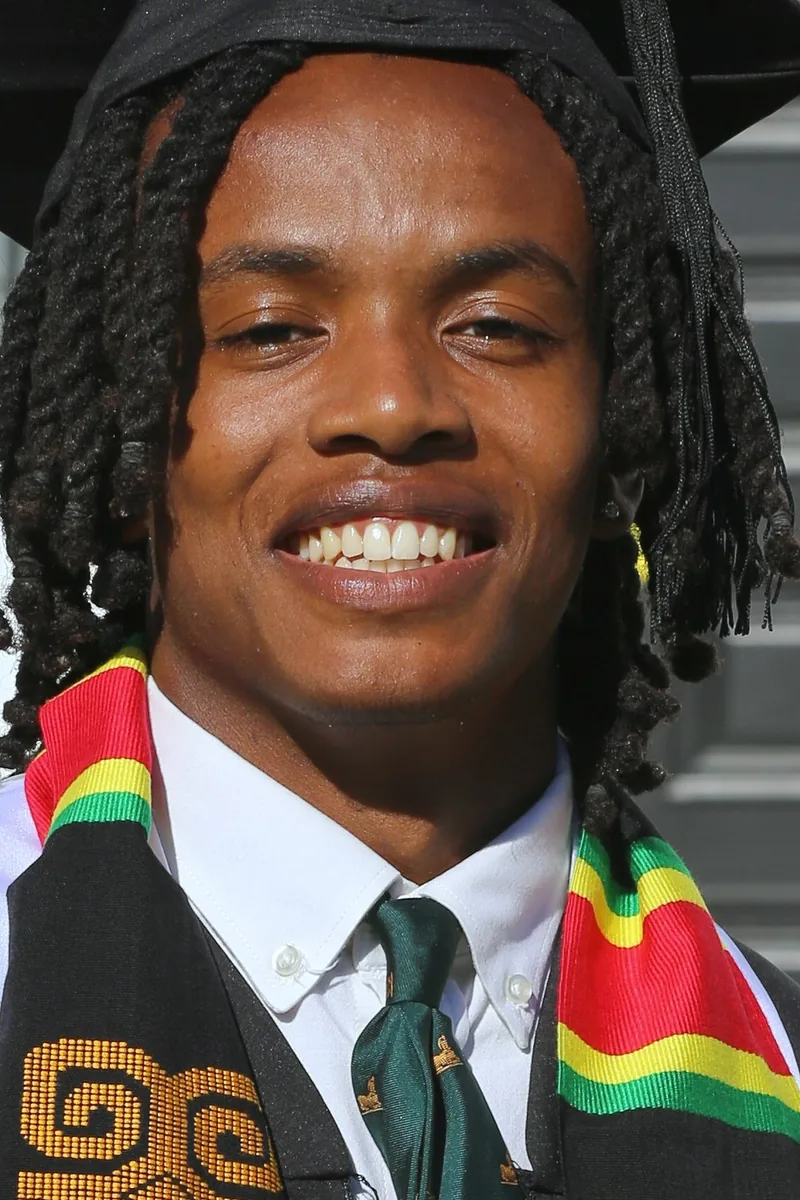
As a 2024 graduate of Dartmouth College, I hope to use my recent classroom experience to help younger students enjoy the process of learning. I'd like to use my major in Economics to help high school and even undergraduate students navigate the subject. In addition to having a minor in Spanish, several cultural immersion experiences abroad have prepared me to encourage students of all ages to learn to communicate in the language as well.
Native fluency changes everything in AP Spanish Language & Culture. Alex grew up speaking, reading, and writing Spanish at home, and his bilingual background means he can explain grammar from the inside — why the subjunctive feels natural in certain contexts, how register shifts between formal and informal speech, and what authentic source material actually sounds like. His English degree also sharpens the presentational writing and speaking skills the exam demands.
Having earned a BA in Spanish and studied the language at an advanced academic level, Steven knows exactly where the AP Spanish Language & Culture exam tries to trip students up — from interpreting audio sources in the interpersonal speaking task to weaving cultural comparisons into the presentational essay. He teaches students to think in Spanish rather than mentally translating from English, which is the single biggest factor in scoring well on timed prompts.
Hillel's geology research on Antarctic ice sheet dynamics — conducted partly through Spanish-language scientific literature — gives him a practical connection to the formal register and academic vocabulary the AP exam's persuasive essay demands. He also teaches conversational Spanish and Hebrew, so he's comfortable switching between languages and coaching students through the interpersonal speaking tasks where real-time fluency matters most. Rated 5.0 by students.
Corey trained as a total immersion instructor through the Ann Arbor Language Partnership and taught communicative Spanish in public schools for two years before moving to Nicaragua, where he used Spanish daily in professional and community settings. That real-world fluency shows up in how he prepares students for AP Spanish Language — tackling interpersonal speaking prompts, persuasive essays, and audio-source synthesis with the kind of cultural nuance the exam rewards. His background in cognitive science also informs how he teaches listening comprehension strategies that actually stick.
Scoring well on AP Spanish Language & Culture means toggling between interpersonal conversation, presentational writing, and rapid-fire audio sources — often in the same exam session. Meagan majored in Spanish at the undergraduate level and has taught ESL, so she understands language acquisition from both directions and can pinpoint where a student's comprehension or production breaks down.
Medical school in Chicago keeps Caroline juggling multiple languages daily — she double-majored in Chinese at Notre Dame while also building fluency in Spanish through her coursework up to Spanish 3. That multilingual wiring means she approaches AP Spanish prep by connecting how languages share structural logic, breaking down things like conditional chains and register shifts through cross-linguistic patterns rather than rote drilling. Rated 5.0 by students.
Nicole's linguistics degree means she understands how languages work as systems — the morphology, syntax, and pragmatics underneath Spanish that most tutors teach purely by repetition. She applies that structural knowledge to the AP exam's trickiest moments, like shifting between informal and formal register mid-task or decoding rapid authentic audio in the interpretive listening section. Her Italian heritage and fluency in multiple Romance languages sharpen her ear for the cognate traps and dialectal variations the exam loves to test.
I'm a native Spanish and English speaker. I graduated with Honors in Art History and Philosophy from the University of Chicago. As a trilingual, I easily understand the difficulties and processes involved in learning a new language! I have been teaching Spanish and English to students worldwide for years. I am passionate about teaching languages as I have been blessed by life-changing opportunities by speaking fluidly with people from other cultures.
Born in Bolivia and fluent in Spanish from childhood, Geraldine brings native-level command to the AP Spanish Language & Culture exam's trickiest components: the persuasive essay, the cultural comparison, and the simulated conversation. She drills students on transitional phrases, formal register, and the specific cultural knowledge the College Board expects. Her familiarity with Latin American customs and idioms gives students an authentic reference point beyond the textbook.
Growing up speaking French, Haitian Creole, and English before learning Spanish and Italian academically, Muriel understands from the inside how multilingual thinkers process a new language's grammar, idioms, and register shifts — the exact skills the AP exam's persuasive essay and interpersonal speaking tasks test under pressure. Her BA in Spanish and Italian Literature means she reads and writes in formal academic Spanish, not just conversational Spanish, which is the register gap that trips up most AP students on exam day.
Living in Spain for six months gave Rebecca the kind of immersive fluency that AP Spanish Language & Culture demands — not just grammar accuracy, but the ability to navigate cultural comparisons and presentational speaking with confidence. She tackles the interpersonal and presentational writing tasks by teaching students how to integrate source material and build arguments entirely in Spanish. Her Notre Dame training in close reading also translates directly to the audio and print source analysis on the exam.
Between engineering coursework at Cornell and watching Russian news to stay sharp in her third language, Daria keeps her Spanish active by treating it as another system to master — grammar patterns, listening comprehension, and cultural context all get the same analytical rigor. She teaches both Spanish 1 and Spanish 2 alongside AP prep, so she knows exactly which foundational gaps trip students up on the exam's interpretive and presentational tasks. Rated 5.0 by students.
Testimonials
Because the right AP Spanish Language & Culture tutor makes all the difference.
Average Session Rating – Based on 3.4M Learner Ratings
Nearby AP Spanish Language & Culture Tutors
Other Raleigh Tutors
Related Languages Tutors in Raleigh
Frequently Asked Questions
The AP Spanish Language & Culture exam tests your ability to communicate in Spanish across three modes: interpersonal (conversations), interpretive (reading and listening comprehension), and presentational (speaking and writing). The exam includes multiple-choice sections on reading and listening, plus free-response sections where you'll write emails, essays, and give spoken presentations based on authentic Spanish-language sources. Success requires not just grammar knowledge, but cultural understanding and the ability to express complex ideas in real-time.
Score improvement depends on your starting point and commitment level, but personalized 1-on-1 instruction typically helps students identify and close specific gaps—whether that's verb conjugation patterns, listening comprehension speed, or essay organization. Many students see 2-3 score point increases (on the 1-5 scale) when they work with a tutor to target weak areas, practice timed responses, and refine their approach to each exam section. The key is consistent practice with feedback, not just passive review.
The most common struggles are pacing under timed pressure, distinguishing between similar verb tenses, and understanding rapid native-speaker audio. Many students also struggle with the free-response sections—especially the 5-minute speaking tasks and timed essay writing—because they require real-time language production without time to edit. Additionally, the interpretive section often includes unfamiliar cultural references or regional vocabulary that can throw students off if they haven't practiced with diverse authentic materials.
Start by identifying your weakest section—whether that's reading comprehension, listening, speaking, or writing—and dedicate focused practice there first. Tutors can help you develop test-taking strategies specific to each section, such as annotation techniques for reading passages, note-taking shortcuts for listening, and templates for timed speaking and writing tasks. You should also practice with released AP exams and authentic materials (podcasts, news articles, documentaries) to build familiarity with the language and cultural content you'll encounter.
Most students benefit from 3-6 months of focused preparation, though this varies based on your current proficiency level. If you're already comfortable with conversational Spanish, you might need 3-4 months to master exam-specific strategies and cultural knowledge. If you're building from intermediate skills, 5-6 months allows time to strengthen all four language skills while learning test techniques. Starting early also gives you time to take multiple practice tests and adjust your study approach based on results.
Varsity Tutors connects you with expert tutors for AP Spanish Language & Culture for students in Raleigh who have proven experience with the exam format and can tailor instruction to your specific needs. When you connect with a tutor, look for someone who has helped other students prepare for the AP exam, understands the three communication modes tested, and can provide practice materials and timed mock exams. The right tutor will assess your current level, identify your weak areas, and create a personalized study plan aligned with your goals.
Practice tests reveal exactly where you're losing points and help you build stamina for the full exam experience. Taking timed, full-length practice exams lets you identify whether you're struggling with specific question types, running out of time on certain sections, or making careless errors under pressure. Tutors can review your practice test results with you, pinpoint patterns in your mistakes, and adjust your study plan accordingly. Aim to take at least 3-4 full practice tests before exam day to build confidence and refine your pacing strategy.
Your first session typically involves an assessment of your current Spanish proficiency level and familiarity with the AP exam format. The tutor will ask about your strengths and weaknesses, review your recent grades or practice test scores, and discuss your target score and timeline. From there, they'll create a personalized study plan that prioritizes the areas where you need the most improvement and outlines specific strategies for each exam section. This foundation helps ensure your tutoring time is spent on what matters most for your success.
Let’s find your perfect tutor
Answer a few quick questions. We’ll recommend the right plan and match you with a top 5% tutor.