Award-Winning Special Education Tutors
serving St. Louis, MO
Special Education
Tutors in St. Louis
Private 1-on-1 tutoring, weekly live classes for academic support, test prep & enrichment, practice tests and diagnostics, and more to elevate grades and test scores.
Based on 3.4M Learner Ratings
UniversitiesSchools & Universities
DeliveredHours Delivered
ProficiencyGrowth in Proficiency
Who needs tutoring?
No obligation. Takes ~1 minute.

Working daily as a literacy interventionist means Brianna already tailors instruction to individual learning profiles, breaking down reading and math concepts into smaller, scaffolded steps for students who need a different approach. She understands IEP goals and progress monitoring, and she builds lessons around each student's specific strengths rather than defaulting to one-size-fits-all methods.
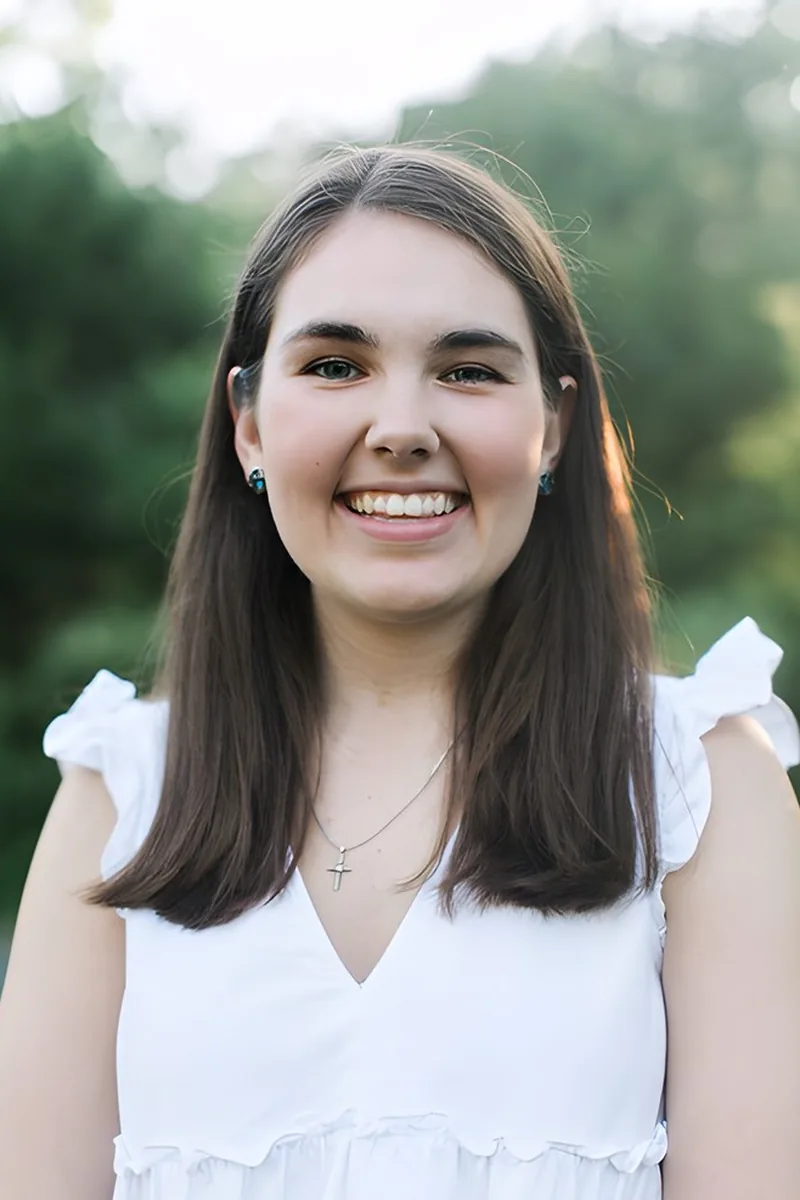
Teaching on an ESL elementary campus meant Madison regularly adapted lessons for students with vastly different learning needs, processing speeds, and communication styles. She builds individualized approaches — breaking instructions into smaller steps, using visual and auditory reinforcement, and adjusting in real time — so that each student can access the material at their own pace without feeling left behind.
Mati brings both professional and personal insight to special education — her doctoral work centered on learning disabilities, and as a mother of two children with dyslexia, she's navigated IEP meetings, accommodation plans, and reading interventions from every side of the table. She teaches strategies for decoding, multisensory learning, and self-advocacy that address the specific barriers a student faces. Rated 5.0 by students.
Rosemary's graduate work in occupational therapy included extensive training in adaptive learning strategies, sensory processing, and task analysis — the clinical side of what special education looks like in practice. She volunteers regularly with the Down syndrome community, giving her hands-on experience tailoring instruction to different cognitive and developmental profiles. That combination means she doesn't just know accommodations exist; she knows how to implement them in real learning moments.
A Master's in Education trained Alan in differentiated instruction, IEP-aligned goal setting, and multisensory teaching methods that reach learners who struggle in traditional classroom environments. He adapts pacing and materials to match each student's processing style, whether the challenge involves reading comprehension, mathematical reasoning, or executive function skills. His 4.8 rating speaks to the patience and flexibility he brings to every session.
Kim's approach starts with identifying the specific barrier a student faces — whether it's processing speed, attention, or difficulty transferring skills across contexts — and then adapting instruction around it. Her background spanning anthropology and business gives her an unusually flexible toolkit for reframing concepts in ways that click for different learners. She holds a 5.0 rating across her students.
I am able to create quality, yet comprehensive curriculum for my students that will thrust them to succeed. I am very detailed oriented, creative, and have a passion for ensuring student success. It is my endeavor to combine my range of experience with my wealth of education. This includes being a loving, motivating, supporting, fun, and integral educator who will make a positive contribution to each student. I want to help all students build confidence, which will enhance their self esteem as well as personal values. Reaching this objective will directly reflect in the progression of their academic success.
Brendan holds a Master's in Special Education, which means he's trained in differentiated instruction, IEP goal alignment, and evidence-based interventions for learning disabilities like dyslexia and dyscalculia. He adapts lessons to match each student's processing style — whether that means multisensory math manipulatives, graphic organizers for writing, or modified pacing for reading tasks. His experience spans a wide range of ages and ability levels.
A PhD in neuroscience means Elliot understands learning differences at the biological level — how attention, working memory, and processing speed vary across brains and what that means for instruction. He explicitly welcomes learners on the spectrum and tailors pacing, scaffolding, and sensory considerations to each student rather than defaulting to one-size-fits-all methods. His 5.0 rating speaks to that individualized care.
Theresa adapts her teaching pace, format, and explanations to match how each learner actually processes information, whether that means visual organizers for reading comprehension or step-by-step scaffolding in math. Her range across subjects — from writing to algebra to study skills — means she can meet a student's needs without constantly switching tutors.
Annie's graduate training in counseling psychology gave her direct experience with IEPs, learning accommodations, and the cognitive frameworks behind conditions like dyslexia, ADHD, and processing disorders. She adapts lesson pacing, breaks tasks into smaller chunks, and uses multi-sensory techniques tailored to each learner's profile — not a one-size-fits-all script.
Lena's daily experience as a middle school teacher means she's practiced at adapting lessons on the fly when a student needs a different entry point into material. She breaks tasks into smaller, clearly sequenced steps and uses patient repetition and multi-sensory techniques to reinforce skills in reading, writing, and math. Her approach prioritizes building confidence alongside academic progress.
Liz holds a master's in Special Education (Mild to Moderate Disabilities, grades 5–12) from Simmons College and has worked extensively with students who have learning disabilities, ADHD, dyslexia, and emotional impairments. That clinical training, paired with her hands-on experience teaching and directing tutors at a charter school in Boston, means she knows how to adapt instruction on the fly — whether that's restructuring a math lesson for a student with dyscalculia or building reading fluency strategies for a student with dyslexia. She designs individualized approaches grounded in each student's IEP goals and actual learning profile.
Testimonials
Because the right Special Education tutor makes all the difference.
Average Session Rating – Based on 3.4M Learner Ratings
Nearby Special Education Tutors
Other St. Louis Tutors
Related Learning Differences Tutors in St. Louis
Frequently Asked Questions
Special education tutoring is personalized instruction designed for students with Individualized Education Programs (IEPs), 504 plans, or specific learning differences. Unlike classroom instruction, which must serve diverse learners at one pace, special education tutoring focuses on your child's unique learning style, strengths, and challenges—whether that's dyslexia, ADHD, autism spectrum disorder, or other learning differences. Tutors work directly with your child's IEP goals and adapt teaching methods to remove barriers to learning.
Yes. Varsity Tutors connects you with tutors who understand IEP frameworks and can reinforce the specific goals outlined in your child's plan. Before starting, share your child's IEP with the tutor so they can align instruction with priority areas—whether that's reading fluency, math computation, social-emotional skills, or executive functioning. This targeted approach helps students make measurable progress on the exact skills their school team has identified.
Students often struggle with foundational skills like phonics and decoding (especially with dyslexia), math fact fluency and problem-solving, attention and task completion, and building confidence after repeated academic struggles. Personalized tutoring breaks skills into smaller steps, uses multi-sensory teaching methods, provides frequent feedback, and celebrates progress—all proven approaches that help students with learning differences build both skills and self-esteem. The 1-on-1 setting also removes distractions and allows tutors to adjust pacing in real time.
The first session is typically a get-to-know-you meeting where the tutor learns about your child's learning style, strengths, challenges, and goals. You'll share relevant information like your child's IEP, any diagnoses, what's worked well in the past, and specific areas you want to focus on. The tutor may do some informal assessment to understand where your child is starting from, then create a personalized plan that builds from there. This foundation helps ensure every future session is as effective as possible.
Look for tutors with background in special education, experience with specific learning differences your child has, knowledge of evidence-based interventions (like structured literacy for dyslexia or Orton-Gillingham methods), and familiarity with IEPs and accommodations. Many tutors hold special education certifications, have worked in special education classrooms, or specialize in particular areas like reading intervention or math. When you connect with a tutor through Varsity Tutors, you can discuss their experience and approach to make sure they're a good fit for your child.
Progress shows up in multiple ways: improved scores on reading or math assessments, increased fluency or accuracy in targeted skills, better ability to complete assignments independently, and growing confidence in academic situations. Work with your tutor to track specific, measurable goals—like reading 10 more words per minute, solving multi-step problems with fewer errors, or staying focused for longer periods. Many families also see progress reflected in updated IEP assessments and report cards, especially when tutoring aligns with school goals.
St. Louis's 9 school districts each have special education departments and coordinators who can answer questions about IEPs, evaluations, and services. The Missouri Department of Elementary and Secondary Education also offers resources and advocacy information. While tutoring complements school services, it's designed to fill gaps and accelerate progress on specific skills your child is working on. Many families find that combining school support with personalized tutoring creates the strongest foundation for success.
Frequency depends on your child's needs, goals, and current skill gaps. Some students benefit from weekly sessions to build foundational skills, while others do well with bi-weekly sessions once they've made progress. Most students see meaningful results with consistent, ongoing tutoring over several months. Your tutor can recommend a schedule based on your child's learning pace and the specific skills you're targeting, and you can adjust as needed based on progress.
Let’s find your perfect tutor
Answer a few quick questions. We’ll recommend the right plan and match you with a top 5% tutor.