Award-Winning MCAT Chemical and Physical Foundations of Biological Systems Tutors
serving Minneapolis, MN
Who needs tutoring?
FEATURED BY


TUTORS FROM
- YaleUniversity
- PrincetonUniversity
- StanfordUniversity
- CornellUniversity
Award-Winning MCAT Chemical and Physical Foundations of Biological Systems Tutors serving Minneapolis, MN
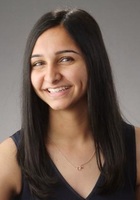
Certified Tutor
6+ years
Rhea
The MCAT's Chemical and Physical Foundations section blends general chemistry, organic chemistry, physics, and biochemistry into passage-based problems that reward fast, integrated thinking. As a pre-med biology major at the University of Chicago, Rhea has recently worked through this exact content ...
University of Chicago
Bachelor of Science, Biology, General
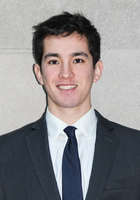
Certified Tutor
10+ years
Zachary
The Chem/Phys section of the MCAT demands more than knowing general chemistry and physics — it requires applying those principles to biological systems under time pressure, from enzyme kinetics and thermodynamics to fluid dynamics in the circulatory system. Zachary's biochemistry and biophysics degr...
Yale University
Bachelors, Biochemistry and Biophysics
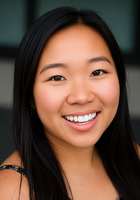
Certified Tutor
10+ years
Samantha
The Chem/Phys section of the MCAT demands more than content recall — it requires applying general chemistry, organic chemistry, and physics concepts within passage-based experimental scenarios. Samantha, currently in medical school, unpacks how to read data tables mid-passage, connect them to underl...
Duke University
Bachelors in Global Health Determinants, Behaviors, and Interventions
Harvard Medical School
Current Grad Student, MD
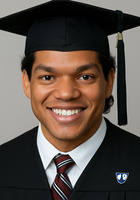
Certified Tutor
Tony
Tackling the Chemical and Physical Foundations section requires connecting general chemistry and physics concepts to biological systems — something Tony did routinely as a biology major at Yale preparing for medical school. He breaks down high-yield topics like enzyme kinetics, fluid dynamics, and e...
Yale University
Bachelor of Science in Biology
Certified Tutor
6+ years
David
Covering everything from Newtonian mechanics to amino acid chemistry, the Chem/Phys section demands fluency across disciplines that most students studied years apart. David's neuroscience background at Yale included heavy coursework in general chemistry, organic chemistry, and physics, so he connect...
Yale University
Bachelor of Science in Neuroscience
Harvard University
Current Grad Student, Bioethics and Medical Ethics
Certified Tutor
9+ years
Benjamin
Preparing for the MCAT's Chemical and Physical Foundations section requires connecting general chemistry, organic chemistry, and physics to biological systems — exactly the kind of cross-disciplinary thinking Benjamin's Vanderbilt neuroscience degree demanded. He breaks down passage-based questions ...
Vanderbilt University
Bachelor's degree in neuroscience and Russian
Certified Tutor
Laura
The Chem/Phys section of the MCAT throws biochemistry, general chemistry, organic chemistry, and physics at students in passage-based formats that demand fast analytical reading as much as content knowledge. Laura breaks down complex passages — enzyme kinetics graphs, electrochemistry calculations, ...
Massachusetts Institute of Technology
Bachelors, Economics
Certified Tutor
6+ years
The Chem/Phys section of the MCAT demands rapid passage interpretation layered on top of general chemistry, organic chemistry, and physics — and Sanjay has been through it himself with a biochemistry degree and medical school under his belt. He breaks down passage-based reasoning strategies for topi...
Rice University
Bachelor in Arts
Certified Tutor
8+ years
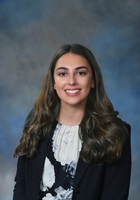
Amanda
The Chemical and Physical Foundations section throws organic chemistry, physics, and general chemistry at students in passage-based formats that reward fast, accurate reasoning under pressure. Amanda tackled the MCAT herself on the path to her MD and knows which high-yield topics — enzyme kinetics, ...
The University of Alabama
Bachelor of Science, Biology, General
Baylor College of Medicine
Doctor of Medicine, Public Health
Certified Tutor
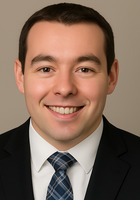
Timothy
Tackling the Chem/Phys section requires toggling between general chemistry, organic chemistry, physics, and biochemistry — often within a single passage. Timothy, currently pursuing his M.D., walks students through high-yield topics like thermodynamics, acid-base equilibria, and fluid dynamics while...
Drexel University College of Medicine
Current Grad Student, M.D.
University of California Los Angeles
Bachelors, Political Science and Government
Other Minneapolis Tutors
Related Graduate Test Prep Tutors in Minneapolis
Frequently Asked Questions
Score improvement depends on your starting point and baseline knowledge, but students typically see meaningful gains within 4-8 weeks of focused tutoring. Many students improve by 3-5 points on the section when working consistently with a tutor who can identify knowledge gaps and refine problem-solving strategies. The key is targeting your specific weak areas—whether that's electrochemistry, thermodynamics, or amino acid chemistry—rather than trying to review everything at once.
The Chemical and Physical Foundations section gives you 95 minutes to answer 230 questions, which means you'll need strong pacing habits. Most students benefit from spending 8-9 minutes per passage and question set, leaving 1-2 minutes for a quick review. A tutor can help you identify which passage types you naturally work through faster and which require more time, then teach you when to skip a difficult question and return to it rather than getting stuck. Practice tests are essential here—completing full-length sections under timed conditions helps build the stamina and rhythm you need on test day.
Students preparing for students in Minneapolis frequently struggle with three areas: (1) acid-base equilibria and pH calculations, which require strong math skills and conceptual understanding, (2) thermodynamics and kinetics, where the relationship between ΔG, ΔH, and entropy trips up many test-takers, and (3) translating written chemistry concepts into visual representations. Many students also find the physics content challenging if they haven't taken physics recently. Working with a tutor on these topics can help you move beyond memorization to true conceptual mastery, which is what the MCAT actually tests.
A realistic study timeline is 8-12 weeks of consistent preparation. A typical weekly schedule includes: content review 2-3 times per week (30-45 minutes per session), practice problems 3-4 times per week, and full-length section practice once per week. As your test date approaches, shift more toward full-length timed practice and review of missed questions. Varsity Tutors can help you build a personalized schedule that fits your pace and identifies exactly which topics need the most attention, so you're not spending valuable study time on material you already know.
Practice tests are critical—they're the closest simulation to actual test conditions and reveal patterns in your mistakes. Taking full section practice tests under real timing constraints helps you calibrate your pacing, get comfortable with the question format variety, and identify whether you're missing questions due to knowledge gaps, careless mistakes, or time pressure. Most students benefit from taking 4-6 full practice sections spread throughout their prep timeline. A tutor can help you analyze what patterns emerge in your practice test performance, whether you're consistently missing certain question types or topics, so your studying becomes more targeted and efficient.
It depends on when you took chemistry and physics and how strong your fundamentals were. If you completed these courses within the last 2-3 years and did well, you may only need targeted review of specific topics. However, if it's been longer or you struggled with these subjects, dedicating 2-4 weeks to foundational review will make your MCAT prep more efficient. A tutor can quickly assess your current knowledge level in areas like stoichiometry, equilibrium, forces, and waves, then create a focused review plan so you're not wasting time on concepts you already know while shoring up weak spots.
Test anxiety often stems from feeling unprepared or uncertain about how to approach unfamiliar questions. Building genuine confidence requires three things: (1) thorough content mastery so you recognize the science concepts being tested, (2) lots of practice with the actual question format so nothing surprises you, and (3) developing a problem-solving routine you trust. Working with a tutor helps on all three fronts—they provide targeted content instruction, guide you through many practice problems with explanations, and help you develop strategies for tackling tricky questions calmly. Many students also find it helpful to do timed practice closer to their test date so they know they can complete full sections under pressure.
Connect with MCAT Chemical and Physical Foundations of Biological Systems Tutors in Minneapolis
Get matched with local expert tutors