Award-Winning AP Spanish Language & Culture Tutors
serving Sarasota, FL
AP Spanish Language & Culture
Tutors in Sarasota
Private 1-on-1 tutoring, weekly live classes for academic support, test prep & enrichment, practice tests and diagnostics, and more to elevate grades and test scores.
Based on 3.4M Learner Ratings
UniversitiesSchools & Universities
DeliveredHours Delivered
ProficiencyGrowth in Proficiency
Who needs tutoring?
No obligation. Takes ~1 minute.
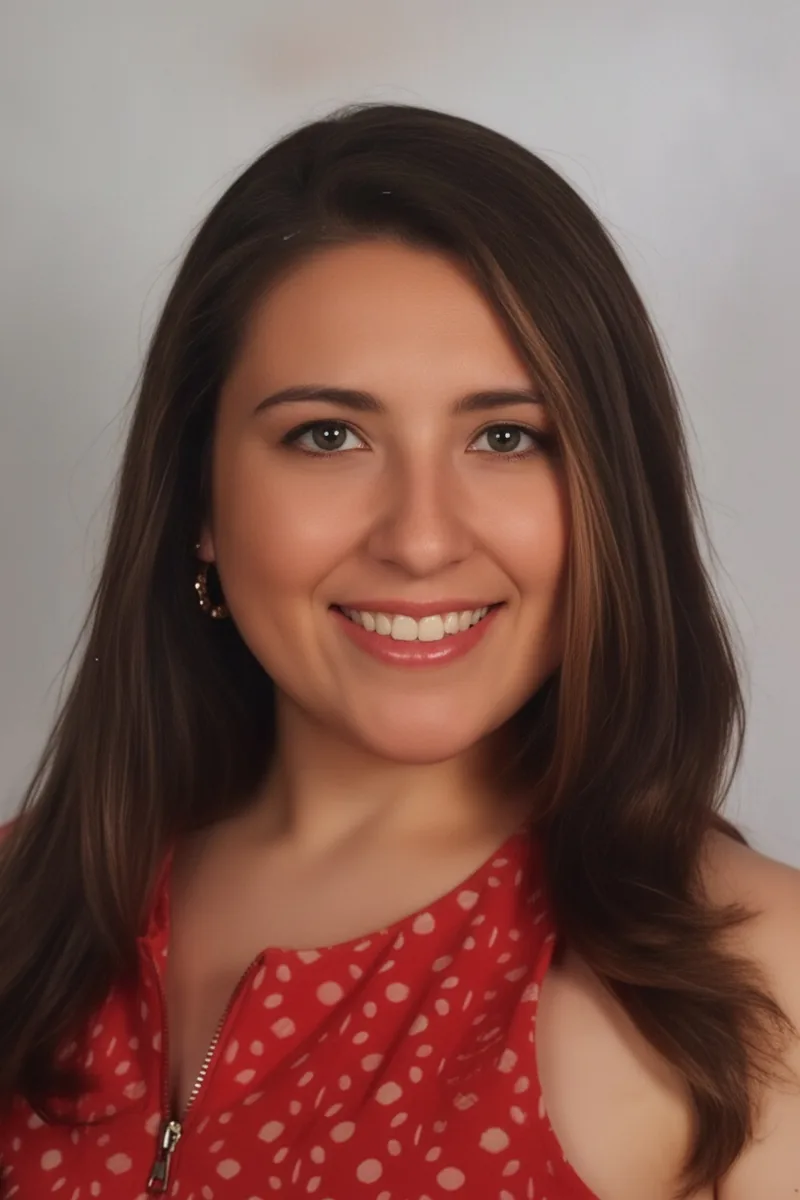
Growing up in Miami gave Caitlin daily exposure to Spanish in real-world contexts — the kind of authentic, unscripted language that mirrors what the AP exam throws at students in its interpretive listening and reading sections. She teaches Spanish 1 through 4 and pairs that progression with her own experience navigating Spanish across levels, so she knows exactly which grammar gaps (subjunctive triggers, formal vs. informal register) trip students up on timed free-response tasks. Rated 5.0 by students.
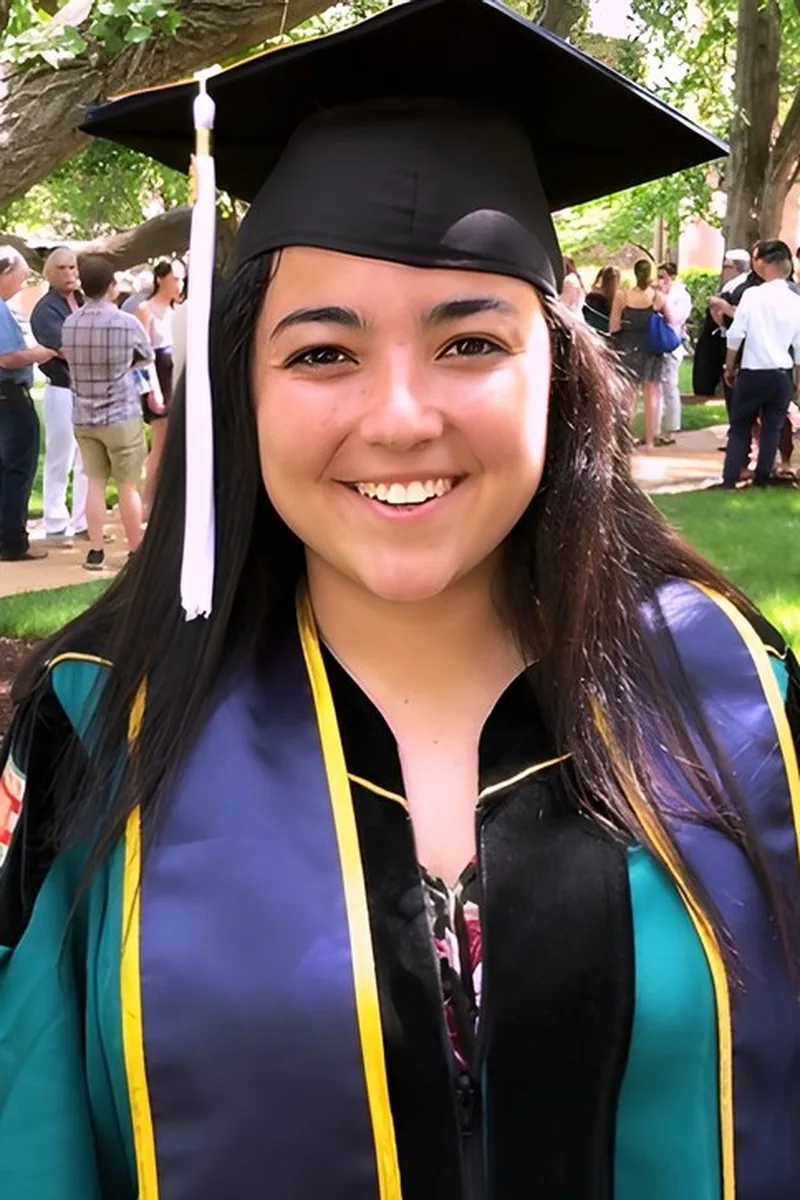
Born in Colombia and raised speaking Spanish at home, Manuela brings native fluency to AP Spanish Language & Culture — but what sets her apart is her academic training in Romance Languages, which means she can explain the grammar rules she uses instinctively. She tackles the exam's trickiest components, like the persuasive essay and cultural comparison presentational speaking tasks, by drilling source synthesis and formal register. Her 5.0 rating speaks to how well that combination works.
Growing up speaking French, Haitian Creole, and English before learning Spanish and Italian academically, Muriel understands from the inside how multilingual thinkers process a new language's grammar, idioms, and register shifts — the exact skills the AP exam's persuasive essay and interpersonal speaking tasks test under pressure. Her BA in Spanish and Italian Literature means she reads and writes in formal academic Spanish, not just conversational Spanish, which is the register gap that trips up most AP students on exam day.
Fluent in Spanish since childhood, Adriana treats AP Spanish Language & Culture as more than vocabulary drills — she digs into the interpretive and presentational communication tasks that drive the exam, from synthesizing audio sources to crafting persuasive essays in Spanish. Her Rice University background in both sciences and humanities means she can coach students through the cultural comparison and argumentative writing sections with real analytical depth. Rated 5.0 by students.
Native fluency gives Solange an ear for the idiomatic phrasing and natural register that score well on AP Spanish Language's interpersonal and presentational tasks. She digs into the cultural comparison essays and audio-response prompts that trip up even advanced students, coaching them to move beyond translated English and into authentic Spanish expression. Rated 5.0 by her students.
I am very interested in a career in the medical field, so I am apart of some pre-medical organizations. I really enjoy playing all different sports, from soccer to volleyball to tennis.
All students can learn, however, not all students learn the same way. The key to learning and the most important part of any teachers job is helping students understand how they learn best. That is what I do well.
AP Spanish Language & Culture asks students to do more than conjugate verbs — they need to interpret audio sources, synthesize cultural texts, and write persuasive essays entirely in Spanish. Sebastian pairs strong Spanish skills with the kind of structured exam strategy that earned him a 4.8 rating from students. He breaks down each task type (presentational writing, interpersonal speaking, interpretive reading) so students know exactly what the rubric rewards.
Latin American Studies as a major means Alyssa spent years reading, writing, and arguing about the Spanish-speaking world in an academic context — exactly the kind of cultural depth the AP exam's free-response prompts reward. She teaches Spanish from level 1 through AP and conversational Spanish, so she can quickly identify whether a student needs to shore up subjunctive mechanics or sharpen their ability to sustain a formal written argument under timed conditions. Rated 4.9 by students.
Gabriel's PhD work in Comparative Human Development at the University of Chicago means he approaches the AP Spanish exam's cultural comparison task through an academic lens most tutors can't offer — he's trained to analyze how cultural practices differ across communities, which is exactly what that free-response prompt asks students to do. He teaches Spanish 2 through 4, so he knows which grammar foundations need tightening before students can write a persuasive essay in formal register under timed conditions. Rated 5.0 by students.
Growing up bilingual with dual US-Chilean citizenship, Camilla didn't just learn Spanish at home — she pursued it academically through advanced language and literature coursework. For AP Spanish Language & Culture, she tackles the presentational writing and interpersonal speaking tasks by grounding students in the cultural contexts that make their responses authentic and nuanced.
Between engineering coursework at Cornell and watching Russian news to stay sharp in her third language, Daria keeps her Spanish active by treating it as another system to master — grammar patterns, listening comprehension, and cultural context all get the same analytical rigor. She teaches both Spanish 1 and Spanish 2 alongside AP prep, so she knows exactly which foundational gaps trip students up on the exam's interpretive and presentational tasks. Rated 5.0 by students.
Having lived and worked in Puerto Rico, Eric brings real-world Spanish fluency to AP Spanish Language & Culture prep — not just textbook grammar but the kind of cultural context the exam's presentational and interpersonal tasks demand. He tackles the audio-source synthesis essays and spoken responses by drilling the specific transition phrases and register shifts that earn top scores.
Rebekah's Geology-Biology degree from Brown isn't an obvious path to AP Spanish — but she teaches Spanish across all four levels plus conversational and both SAT Spanish Subject Tests, which signals genuine command of the language well beyond casual fluency. She tackles the exam's interpersonal speaking and interpretive listening sections by training students to process Spanish at natural speed, building the kind of real-time comprehension that no amount of grammar drilling alone can produce. Rated 5.0 by students.
Hillel's geology research on Antarctic ice sheet dynamics — conducted partly through Spanish-language scientific literature — gives him a practical connection to the formal register and academic vocabulary the AP exam's persuasive essay demands. He also teaches conversational Spanish and Hebrew, so he's comfortable switching between languages and coaching students through the interpersonal speaking tasks where real-time fluency matters most. Rated 5.0 by students.
Fluent in Spanish after living in a Spanish-speaking country, Lisanne brings real-world command of the language to AP Spanish prep — not just textbook knowledge. She tackles the exam's trickiest components, like the persuasive essay and cultural comparison, by teaching students to think and organize ideas directly in Spanish. Her experience tutoring every level from Spanish 1 through AP means she quickly identifies the grammar gaps holding a student back from a top score.
Tackling AP Spanish Language & Culture means producing polished interpersonal and presentational writing under timed conditions. Lillian breaks down the persuasive essay and email reply tasks by drilling subjunctive triggers, transition phrases, and the cultural comparison framework the rubric specifically rewards.
Joshua teaches Spanish from level 1 through AP and pairs that with four levels of Latin, so he's used to thinking about how Romance languages borrow structures from their classical roots — a perspective that sharpens his explanations of tricky Spanish grammar like subjunctive triggers and conditional sequences. His 1600 SAT reflects the kind of precise reading and analytical writing skills that translate directly to the AP exam's source-synthesis and persuasive essay tasks.
Born in Bolivia and fluent in Spanish from childhood, Geraldine brings native-level command to the AP Spanish Language & Culture exam's trickiest components: the persuasive essay, the cultural comparison, and the simulated conversation. She drills students on transitional phrases, formal register, and the specific cultural knowledge the College Board expects. Her familiarity with Latin American customs and idioms gives students an authentic reference point beyond the textbook.
Richard earned the highest scores on the AP Spanish exam with listening after double-majoring in Spanish at Emory and studying in Spain. He tackles the presentational writing and interpersonal speaking tasks by drilling the idiomatic expressions, subjunctive constructions, and cultural references that push students from competent into the 4–5 scoring range.
Growing up as a native Spanish speaker and then formally studying the language through a Hispanic Studies degree gives Mercedes something the AP exam's interpersonal speaking tasks reward — an instinct for when to shift between informal conversational register and the polished, formal tone the persuasive essay demands. She's a certified high school teacher who also holds a master's in literature, so she approaches the exam's source-synthesis writing tasks the way she'd teach a close reading: pulling evidence, structuring an argument, and controlling tone under timed pressure.
Testimonials
Because the right AP Spanish Language & Culture tutor makes all the difference.
Average Session Rating – Based on 3.4M Learner Ratings
Nearby AP Spanish Language & Culture Tutors
Other Sarasota Tutors
Related Languages Tutors in Sarasota
Frequently Asked Questions
The AP Spanish Language & Culture exam tests your ability to read, write, listen, and speak in Spanish across authentic contexts. The exam includes five sections: interpretive reading, interpretive listening, interpersonal writing and speaking, and presentational writing and speaking. You'll encounter real-world materials like news articles, advertisements, and social media posts, so success requires both language proficiency and cultural understanding of Spanish-speaking communities.
Score improvement depends on your starting point and commitment level, but students typically see meaningful gains when they work with a tutor to target weak areas—whether that's verb conjugations, listening comprehension, or spoken fluency. Many students jump from a 2 or 3 to a 4 or 5 by focusing on the specific skills tested in each exam section. The key is identifying where you're losing points and practicing those skills consistently in the months leading up to the exam.
Most students struggle with the speaking sections—the interpersonal and presentational speaking tasks require quick thinking and natural pronunciation under pressure. The listening section also trips up many students because native speakers talk fast and use colloquialisms you might not encounter in textbooks. Additionally, the free-response writing sections demand cultural awareness and grammatical accuracy simultaneously, which is harder than it sounds.
Ideally, start tutoring 3-4 months before the exam in May, meeting 1-2 times per week to build momentum. If you're starting later, even 6-8 weeks of focused sessions can help you improve your weakest sections and boost confidence. The timeline really depends on your current proficiency level and how much independent practice you're doing between sessions—tutoring works best when combined with consistent self-study.
Practice tests help you understand the exact format and pacing of the real exam, which reduces test anxiety on exam day. They also reveal which sections drain your time or trip you up most—maybe you're spending too long on reading comprehension or freezing during the speaking sections. A tutor can review your practice test results with you to identify patterns and adjust your study strategy accordingly.
Look for tutors who have direct experience with the AP exam format and understand the specific demands of each section. Ideally, they should be native or near-native Spanish speakers who can model natural pronunciation and help you navigate cultural nuances. Varsity Tutors connects you with expert tutors in Sarasota who specialize in AP Spanish and can tailor their approach to your learning style and timeline.
Speaking confidence comes from repeated practice in low-pressure environments—that's where a tutor is invaluable. They can conduct mock conversations, give you feedback on pronunciation and grammar in real time, and help you develop strategies for thinking through your responses quickly. Many students find that practicing the same types of prompts repeatedly builds muscle memory and reduces anxiety when they encounter similar questions on test day.
Cultural knowledge is woven throughout the exam—you'll encounter authentic materials about Spanish-speaking countries and cultures, and the presentational writing task specifically asks you to discuss cultural perspectives. You don't need to memorize facts, but you should be familiar with major cultural, historical, and social themes across the Spanish-speaking world. A tutor can help you build this knowledge naturally through real-world materials and conversations.
Let’s find your perfect tutor
Answer a few quick questions. We’ll recommend the right plan and match you with a top 5% tutor.