Award-Winning Organic Chemistry Tutors
serving Washington, DC
Organic Chemistry
Tutors in Washington
Private 1-on-1 tutoring, weekly live classes for academic support, test prep & enrichment, practice tests and diagnostics, and more to elevate grades and test scores.
Based on 3.4M Learner Ratings
UniversitiesSchools & Universities
DeliveredHours Delivered
ProficiencyGrowth in Proficiency
Who needs tutoring?
No obligation. Takes ~1 minute.
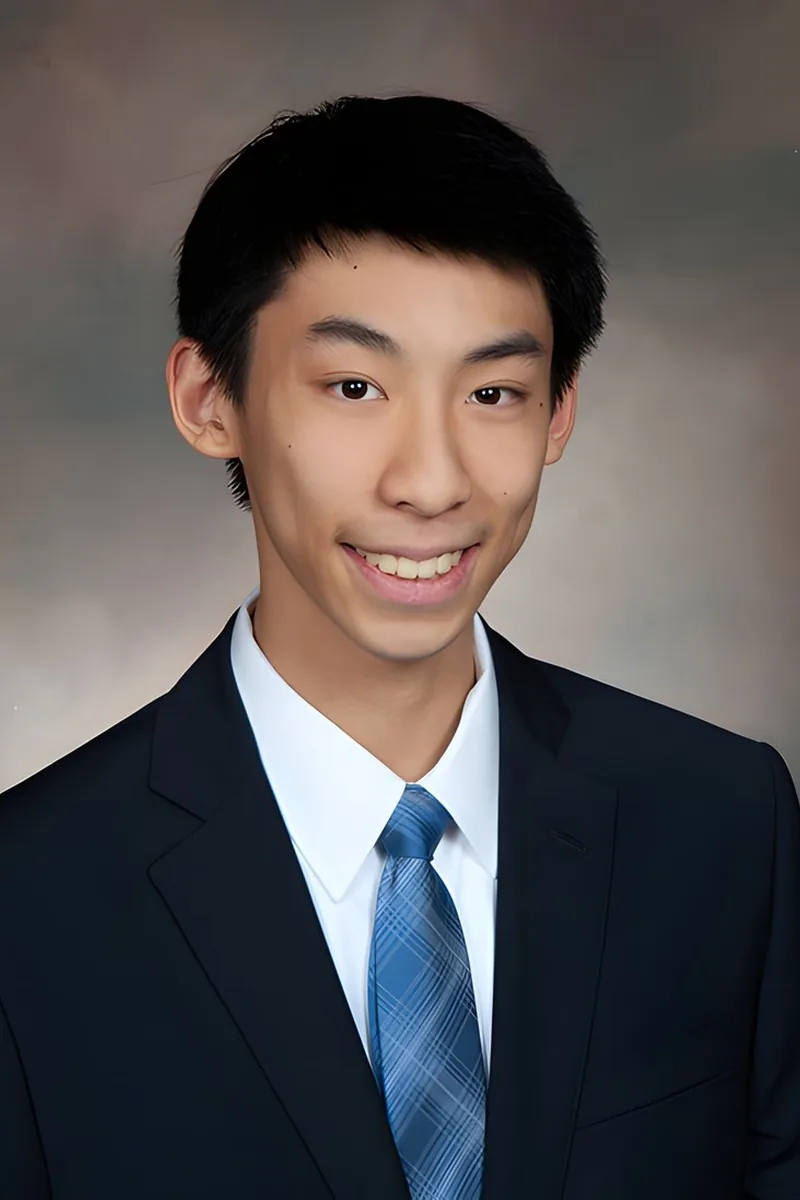
Max spent much of high school independently pursuing organic chemistry through coursework and projects well beyond what was required — the kind of deep, self-driven study that builds real fluency with reaction types and synthesis logic. His chemistry degree from MIT and mathematical instincts mean he approaches problems like retrosynthetic analysis and multi-step mechanism design as structured puzzles, breaking each one into clear decision points. Rated 5.0 by students.
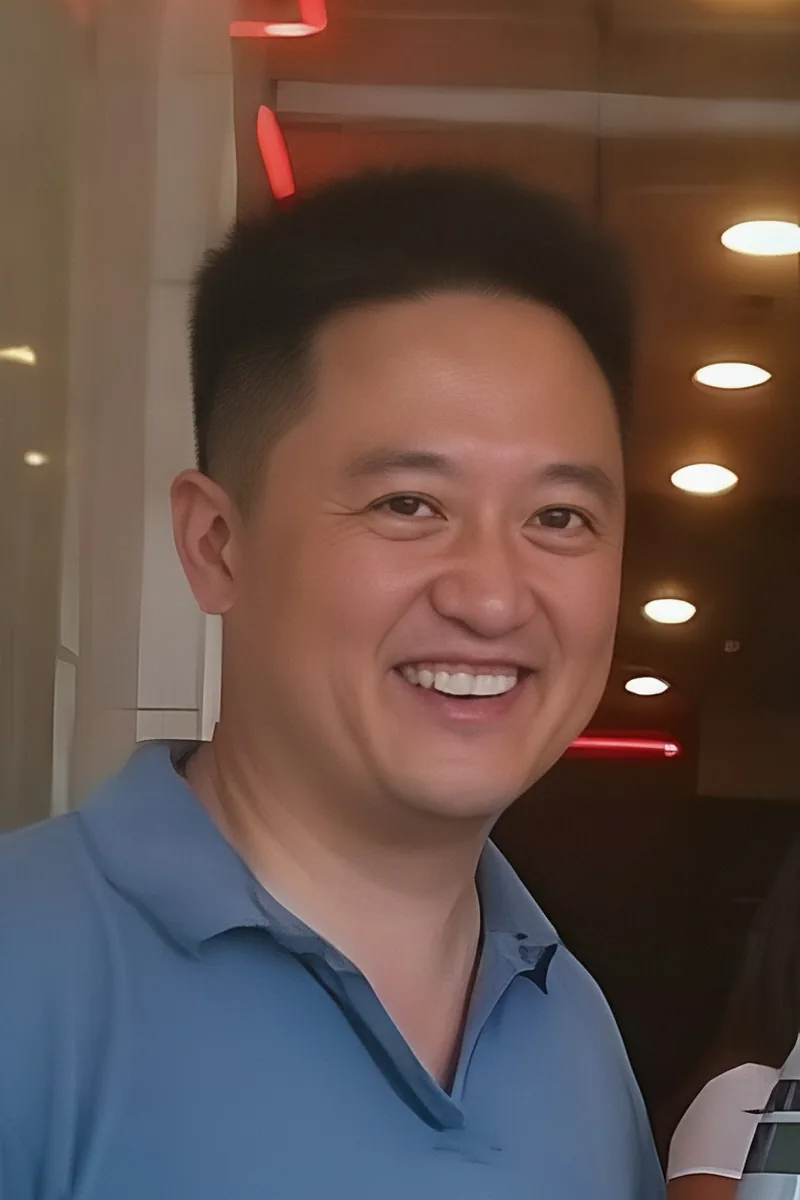
Reaction mechanisms in organic chemistry are essentially molecular storytelling — electron pairs move, bonds break and form, and stereochemistry shifts in predictable ways. Andrew's molecular biology training required deep fluency with organic reactions at the biomolecular level, so he teaches arrow-pushing and functional group transformations as logical sequences rather than steps to memorize.
Reaction mechanisms are essentially stories told with curved arrows, and the trick is learning to read them rather than memorize hundreds individually. Mark approaches organic chemistry by teaching students to recognize patterns — nucleophilic attacks, leaving group stability, steric effects — so they can predict products on reactions they've never seen before. His chemistry coursework at Notre Dame keeps these concepts fresh and grounded in real molecular behavior.
Reaction mechanisms are the language of organic chemistry, and Daniel learned to speak it fluently through his microbiology and dental science training. He walks through arrow-pushing, stereochemistry, and functional group reactivity by emphasizing the "why" behind each electron movement — so students can predict products on exam day instead of relying on memorized templates.
Reaction mechanisms are the backbone of organic chemistry, and Natasha teaches them the way she learned them in her biomolecular engineering program — by tracing electron movement step by step until the logic feels inevitable rather than arbitrary. She digs into arrow-pushing, stereochemistry, and functional group reactivity by asking students to predict products before revealing answers, building real intuition for how molecules behave.
Studying chemistry at Harvard while preparing for Columbia Medical School means James has worked through organic chemistry from both the academic and pre-med sides — understanding mechanisms deeply enough to satisfy a chemistry major, and efficiently enough to apply them in biochemistry and pharmacology contexts. He's particularly strong at teaching students how to predict reaction outcomes by analyzing charge stability and leaving group trends rather than treating each transformation as a new thing to memorize. Rated 4.9 by students.
Reaction mechanisms are the language of organic chemistry, and Jhonatan treats them that way — teaching students to read electron flow through arrow-pushing until substitution, elimination, and addition reactions feel like variations on a theme rather than isolated procedures to memorize. His biochemistry expertise is especially useful when carbonyl chemistry and amino acid reactivity come into play. He holds a 5.0 client rating.
A bio-organic chemistry degree means Alex didn't just pass orgo — the entire major was built around understanding how molecular structure dictates reactivity, from substitution and elimination selectivity to multi-step synthesis design. He breaks down each mechanism by identifying the nucleophile, electrophile, and driving force first, so students develop a repeatable framework instead of a growing pile of flashcards. That same logic scales directly into spectroscopy interpretation and retrosynthetic analysis when exams get harder.
Studying physics with a concentration in chemical principles at Penn means Max encounters organic chemistry from the physical side first — thermodynamics of reaction pathways, orbital interactions driving nucleophilic attacks, and the energy landscapes that determine whether a substitution or elimination wins out. That perspective lets him teach mechanisms by grounding arrow-pushing in the physics of why electrons move, not just where they go.
David is earning his PhD in organic chemistry at Northwestern, where he teaches undergraduate orgo labs and recitations and has co-written exam questions for the department. That means he knows exactly which reaction mechanisms, stereochemistry problems, and retrosynthesis challenges professors test — and how to break them down so the logic clicks. Rated 5.0 by students, he ties each mechanism to real-world applications that make the material stick.
Reaction mechanisms are the backbone of organic chemistry, and Enoch teaches them by building a visual logic: tracking electron movement, recognizing nucleophile-electrophile patterns, and predicting products from functional group behavior. His biomedical science background means he also connects orgo to real biochemical contexts — amino acid chemistry, drug metabolism, lipid structures — which makes the material stick for premed students especially.
Reaction mechanisms are the language of organic chemistry, and Josef teaches students to read them — arrow pushing, stereochemistry, and functional group reactivity — rather than memorize hundreds of individual reactions. His biochemistry focus at Cornell means he can connect orgo concepts like nucleophilic substitution and carbonyl chemistry directly to biological molecules students will encounter later.
Testimonials
Because the right Organic Chemistry tutor makes all the difference.
Average Session Rating – Based on 3.4M Learner Ratings
Practice Organic Chemistry
Free practice tests, flashcards, and AI tutoring for Organic Chemistry
Other Washington Tutors
Related Science Tutors in Washington
Frequently Asked Questions
Organic Chemistry courses for students in Washington, DC usually progress through foundational concepts like bonding and molecular structure, then move into reaction mechanisms, synthesis, and spectroscopy. Most curricula emphasize understanding why reactions occur rather than memorizing pathways—focusing on electron movement, orbital theory, and how functional groups determine reactivity. Students typically work through alkanes, alkenes, alkynes, aromatic compounds, and eventually carbonyl chemistry and nucleophilic substitution reactions. Lab components often include synthesis experiments, recrystallization, chromatography, and spectroscopic analysis to connect theory to hands-on practice.
Organic Chemistry is inherently visual—electron movement, 3D molecular geometry, and reaction mechanisms are difficult to grasp from text alone. Connecting with an expert tutor can help you develop strong mental models through drawing mechanisms step-by-step, using molecular modeling tools, and repeatedly sketching curved arrows to track electron flow. Many students benefit from breaking complex reactions into smaller pieces, using analogies to real-world transformations, and practicing with actual molecular models to see spatial relationships. Tutors can also recommend visualization strategies specific to your learning style, whether that's animation videos, interactive software, or hands-on drawing practice.
Understanding principles is far more valuable than memorization in Organic Chemistry. If you understand why a reaction occurs—what drives electron movement, which groups are reactive, and how structure determines outcome—you can reason through unfamiliar reactions on exams. This approach also transfers better to advanced courses like biochemistry or medicinal chemistry. That said, some foundational concepts (like common reaction types, reagent reactivity, and selectivity rules) do benefit from practice repetition so they become automatic. The best strategy combines deep conceptual understanding through tutoring with targeted review of key patterns and mechanisms, so you can apply knowledge flexibly rather than rely on rote memory.
Many students struggle with reaction mechanism notation—understanding curved arrows, formal charges, and electron accounting—because it requires simultaneously tracking bonding changes and three-dimensional structure. Drawing stereochemistry correctly (wedges, dashes, Fischer projections, Newman diagrams) is another frequent pain point. Students also often find it hard to predict products when multiple reaction types could apply, or to understand why a reaction is selective for one product over another. Additionally, the cumulative nature of Organic Chemistry means gaps in foundational concepts like hybridization, resonance, or acid-base chemistry compound problems later. Connecting with a tutor early can address these gaps and build problem-solving strategies so you're not memorizing but reasoning through unfamiliar reactions.
Absolutely. The lab is often where Organic Chemistry concepts become concrete, but it also introduces new challenges: pre-lab preparation, procedure interpretation, data analysis, and safety protocols. Expert tutors can help you understand the chemistry underlying your experiments before you start—why you're using specific reagents, what reactions are occurring, and what results indicate success. They can also assist with interpreting spectroscopic data (IR, NMR, mass spectrometry), calculating yields, and troubleshooting unexpected results. Strong lab understanding strengthens your conceptual grasp of mechanisms and reactivity, making both the lab and the lecture course easier to navigate.
Effective exam prep involves moving beyond passive review to active practice: drawing mechanisms repeatedly until they feel automatic, working through reaction problems without notes, and explaining mechanisms aloud to catch gaps in your reasoning. Varsity Tutors connects you with expert tutors who can help you identify weak areas before the exam, review complex topics through targeted problem-solving, and simulate exam conditions with practice questions. Many students benefit from learning efficient problem-solving strategies—how to quickly identify functional groups, predict reactivity, and approach multi-step synthesis problems. Spaced practice over several weeks, rather than cramming, also helps cement both mechanisms and strategic thinking skills you'll need on exam day.
Varsity Tutors matches you with expert tutors who have deep knowledge of Organic Chemistry—whether they hold advanced degrees, have teaching experience, or bring research background in chemistry. When connecting with a tutor, look for someone who explains mechanisms clearly and can adapt explanations to your learning style, who asks questions to understand your specific challenges, and who emphasizes reasoning over memorization. Many top tutors have experience helping students at Washington, DC schools and universities, so they understand local curriculum expectations. An initial conversation can reveal whether a tutor is a good fit: they should inspire confidence, break complex ideas into manageable pieces, and help you develop problem-solving strategies that stick.
Let’s find your perfect tutor
Answer a few quick questions. We’ll recommend the right plan and match you with a top 5% tutor.