Award-Winning AP Chinese Language and Culture Tutors
serving Washington, DC
AP Chinese Language and Culture
Tutors in Washington
Private 1-on-1 tutoring, weekly live classes for academic support, test prep & enrichment, practice tests and diagnostics, and more to elevate grades and test scores.
Based on 3.4M Learner Ratings
UniversitiesSchools & Universities
DeliveredHours Delivered
ProficiencyGrowth in Proficiency
Who needs tutoring?
No obligation. Takes ~1 minute.

With an economics degree and fluency across four levels of Mandarin Chinese, Alexander brings a practical, content-rich angle to AP Chinese prep — particularly the interpretive listening passages, where students need to process real-world topics like trade, policy, and social trends discussed in rapid, formal Mandarin. He also tackles the exam's cultural comparison essays by drawing on his cross-cultural academic background to teach students how to move beyond surface-level observations and anchor their responses in specific, substantive examples.
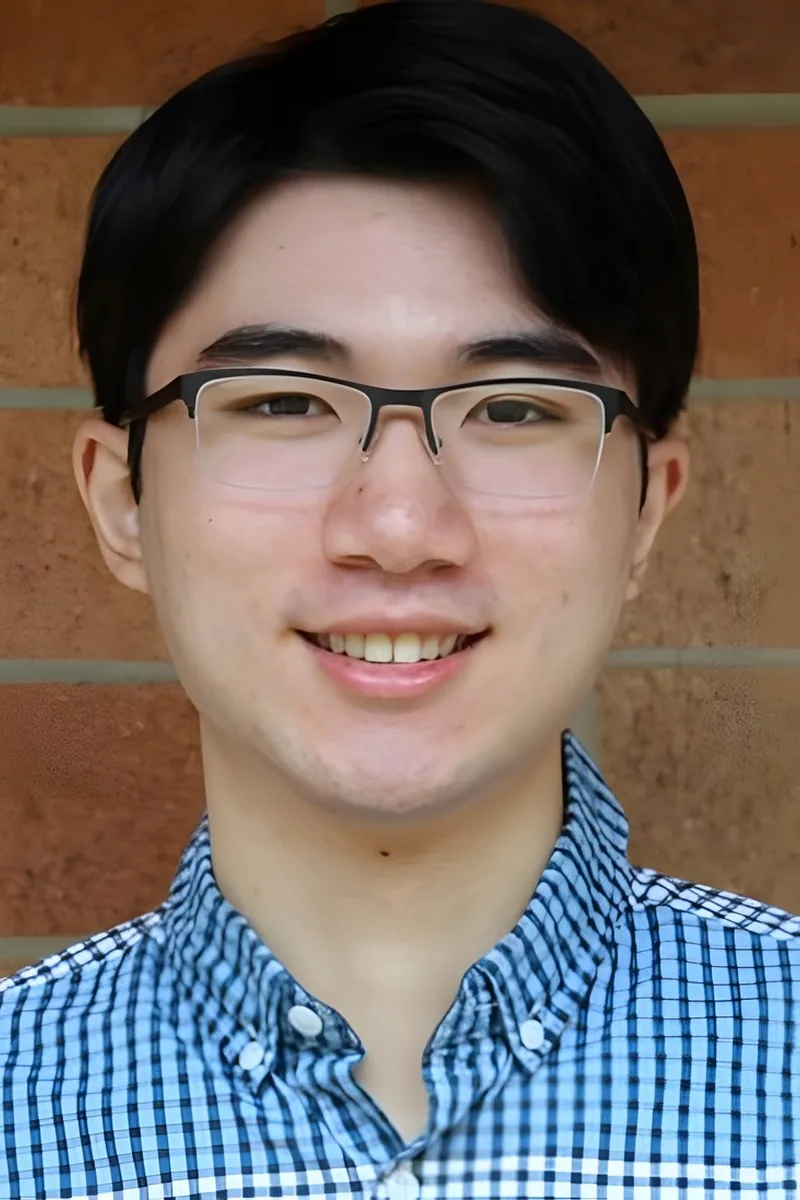
Jason is a Mandarin speaker who understands both the linguistic and cultural dimensions the AP Chinese exam tests — from formal vs. informal register in presentational writing to the cultural comparisons required in the free-response section. He walks students through listening comprehension strategies and character recognition alongside the cultural knowledge that earns top scores.
Melody teaches Mandarin Chinese and is currently studying at Columbia, where her coursework in AP Chinese Language and Culture aligns closely with the exam's cultural comparison prompts — the section where students need to articulate specific, nuanced differences between Chinese and American practices rather than recite generalities. Her 4.9 rating from students speaks to her ability to break down both the interpretive listening tasks and the presentational speaking prompts, where tonal clarity and organized delivery under timed pressure make the difference.
Studying economics at Penn while teaching Mandarin Chinese across multiple levels, Mandy brings a practical, structured approach to AP Chinese prep — especially the cultural comparison essays, where her firsthand experience navigating both Chinese and American academic environments gives students concrete material to draw from. She's rated 5.0 by students and zeroes in on the interpretive reading and listening sections, training students to decode formal written Mandarin that goes well beyond conversational fluency.
The AP Chinese Language and Culture exam tests far more than vocabulary — it demands cultural literacy and the ability to switch between interpersonal, interpretive, and presentational communication modes. As a fluent Mandarin speaker with a science-trained discipline for systematic preparation, Jing tackles each section's unique format so students know exactly what the exam expects.
The AP Chinese Language and Culture exam uniquely blends language proficiency with cultural comparison, asking students to present on practices and perspectives across Chinese-speaking communities. Christina's Mandarin instruction spans beginner through advanced levels, giving her a clear sense of where students' gaps tend to hide — whether it's measure words, aspect markers, or the formal tone the exam's interpersonal writing section expects. She builds targeted practice around the exam's six themes so students aren't just fluent but exam-ready.
Most AP Chinese prep zeroes in on language mechanics, but the exam's interpersonal speaking prompts also reward the kind of natural conversational flow that comes from genuine cultural immersion — something Yuyi brings as a native Mandarin speaker who also studied English and psychology at the university level. That dual-language academic background makes her especially effective at coaching students through the interpretive reading section, where parsing formal written Mandarin requires more than character recognition.
Having scored on the SAT Subject Test in Chinese with Listening, Florence brings firsthand experience with the kind of language proficiency AP Chinese demands — from interpreting spoken passages to crafting written responses using appropriate registers. She knows which cultural comparison prompts tend to trip students up and how to structure presentational writing that earns top marks.
Having studied French through level 4 and Mandarin Chinese across multiple levels, Noah approaches AP Chinese prep as someone who understands the mechanics of learning tonal languages from the inside — particularly the listening comprehension sections where untrained ears miss contextual shifts in rapid spoken Mandarin. His actuarial science training also lends an unusually methodical structure to exam prep, breaking the cultural comparison essays into scoreable components so students know exactly what earns points.
A native Mandarin speaker with undergraduate roots at Wuhan University — one of China's top ten — Albert brings an insider's grasp of the idiomatic phrasing, formal registers, and cultural references that the AP Chinese exam's interpersonal speaking and listening sections demand. His dual MBA training at UCLA and London Business School also means he can coach the presentational writing tasks with the kind of structured argumentation that earns top rubric scores.
The AP Chinese Language and Culture exam tests listening, reading, speaking, and writing in a single sitting, which means students need more than vocabulary drills — they need fluency under pressure. Nova's real-world Mandarin teaching experience and her SAT Subject Test preparation in Chinese with Listening give her a sharp sense of where American-educated students typically lose points. She zeroes in on the story narration and cultural comparison sections that carry heavy weight on exam day.
The cultural component of AP Chinese Language and Culture trips up students who only study vocabulary lists — the exam expects nuanced comparisons between Chinese and American cultural practices, from family structures to educational values. Li connects language instruction to these cultural contexts, drawing on her own bicultural academic experience across speech science and medicine.
Testimonials
Because the right AP Chinese Language and Culture tutor makes all the difference.
Average Session Rating – Based on 3.4M Learner Ratings
Other Washington Tutors
Related Languages Tutors in Washington
Frequently Asked Questions
The AP Chinese Language and Culture exam tests proficiency across five key skill areas: listening, reading, writing, speaking, and cultural knowledge. The exam includes multiple-choice sections for listening and reading comprehension, a free-response section with email writing and presentational speaking tasks, and a conversation component where you respond to prompts in real-time. Success requires not just language skills but also understanding of Chinese cultural contexts, which are woven throughout all sections of the test.
AP Chinese is considered one of the more challenging AP exams because it requires active language production (speaking and writing) rather than just comprehension. Many students find the speaking section particularly demanding due to time pressure and the need to think and respond in Chinese without preparation. However, with focused preparation and consistent practice, students can develop the fluency and confidence needed to perform well—personalized tutoring helps you identify your specific weak areas and build targeted strategies for each section.
Most students benefit from 3-6 months of dedicated preparation, though this varies based on your current proficiency level and how much Chinese you've already studied. Research on language learning suggests that reaching professional proficiency in Mandarin Chinese requires approximately 2,200+ hours of study, but AP Chinese focuses on specific competencies rather than complete fluency. A structured prep plan with personalized tutoring can help you maximize your study time by focusing on high-impact areas like exam-specific vocabulary, timed writing practice, and speaking fluency rather than general language learning.
The speaking section requires you to respond to prompts in real-time with minimal preparation time, which creates anxiety for many students—you can't edit or revise your spoken responses like you can with writing. The conversation portion is particularly tricky because you must listen carefully, understand context, and respond naturally while being evaluated on pronunciation, grammar, and cultural appropriateness. Tutors can help you build confidence through repeated practice with authentic prompts, teach you strategies for managing thinking time, and give you immediate feedback on your delivery so you can refine your approach before test day.
Score improvement depends on your starting point and how consistently you practice, but many students see meaningful gains—typically 1-2 points on the AP scale (which ranges from 1-5)—with focused preparation over several months. The biggest improvements usually come from targeted work on your weakest sections; for example, if speaking is holding you back, intensive speaking practice with feedback can yield significant progress. A tutor can help you establish a realistic goal based on your current level, identify which sections offer the most improvement potential, and create a study schedule that maximizes your preparation time.
The writing section requires you to compose an email response and a persuasive essay—both within strict time limits—so time management and organization are critical. Effective strategies include: planning your response before writing (even briefly in English), using a variety of sentence structures and vocabulary to demonstrate proficiency, and proofreading for common grammar mistakes. Tutors can teach you templates for different prompt types, help you expand your active vocabulary for writing, and give you timed practice so you develop the speed and confidence needed to complete both tasks within the allotted time.
Reading comprehension on AP Chinese requires not just understanding individual characters and words, but processing meaning quickly—a skill that improves with targeted practice. Effective techniques include: building your active vocabulary in high-frequency topics (family, education, technology, environment), learning to recognize common grammatical patterns so you don't translate word-by-word, and practicing with authentic Chinese texts of increasing difficulty. Tutors can provide you with AP-level reading materials, teach you efficient scanning strategies for finding key information, and help you understand nuanced meanings and cultural references that often appear in the reading section.
Ideal AP Chinese tutors have native or near-native proficiency in Mandarin, deep familiarity with the AP exam format and scoring rubrics, and experience helping students prepare for the test. They should understand both the language skills and cultural knowledge required, and be able to explain grammar and pronunciation clearly. When you connect with Varsity Tutors, we match you with tutors who have proven expertise in AP Chinese preparation and can provide personalized instruction tailored to your specific challenges—whether that's speaking fluency, writing accuracy, or cultural comprehension.
Let’s find your perfect tutor
Answer a few quick questions. We’ll recommend the right plan and match you with a top 5% tutor.