Award-Winning AP Spanish Literature and Culture Tutors
serving San Francisco, CA
AP Spanish Literature and Culture
Tutors in San Francisco
Private 1-on-1 tutoring, weekly live classes for academic support, test prep & enrichment, practice tests and diagnostics, and more to elevate grades and test scores.
Based on 3.4M Learner Ratings
UniversitiesSchools & Universities
DeliveredHours Delivered
ProficiencyGrowth in Proficiency
Who needs tutoring?
No obligation. Takes ~1 minute.
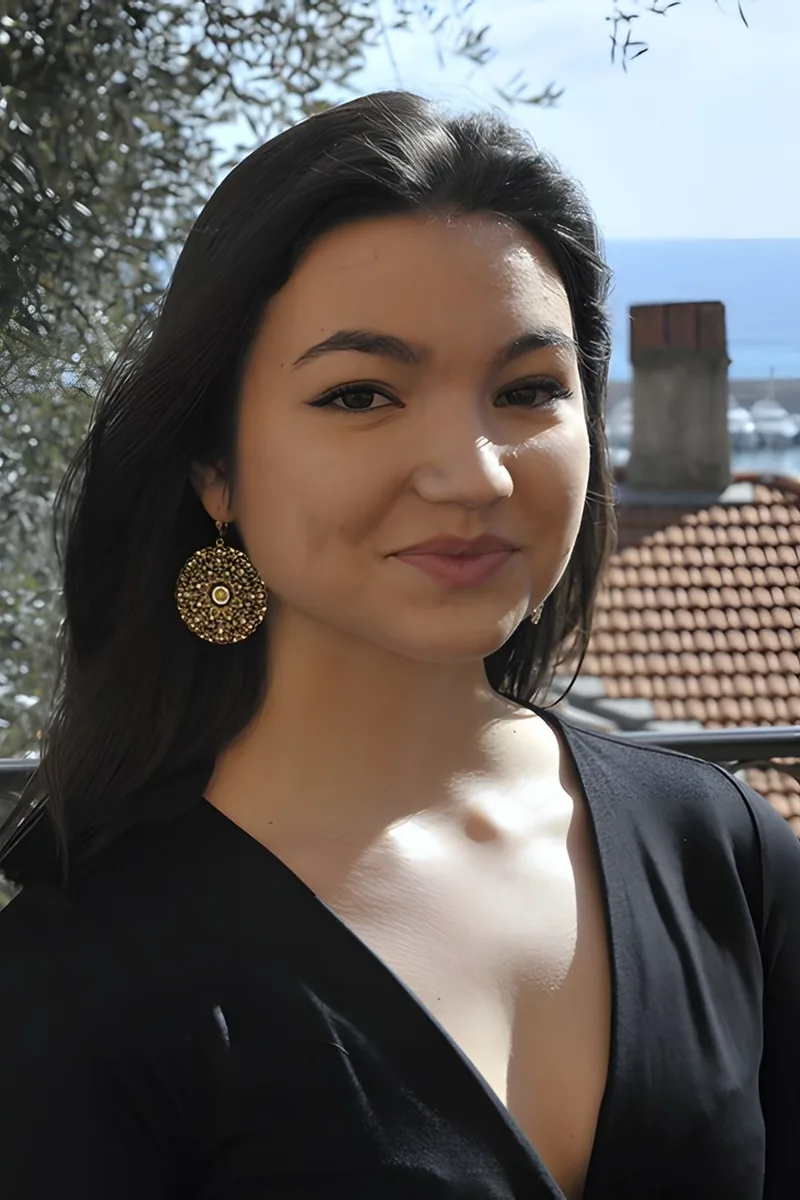
Studying political science sharpened Claire's ability to read texts as arguments — identifying how authors use structure, rhetoric, and cultural context to advance a point of view, which is exactly the analytical muscle the AP Spanish Literature free-response essays test. She tutors across four levels of both Spanish and French, so she's comfortable conducting literary discussion and essay practice in the target language. Rated 5.0 by students.
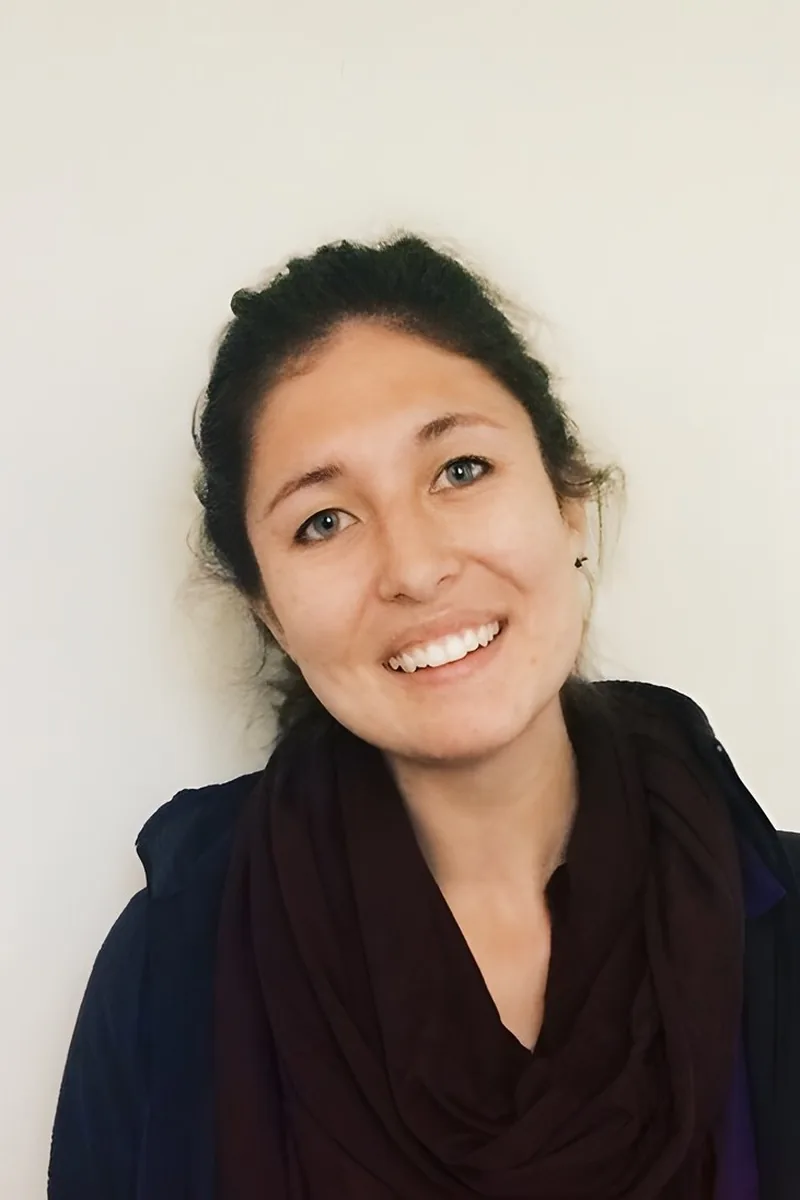
Living and traveling in Spanish-speaking countries while pursuing Latin American Studies at Wesleyan gave Reta firsthand immersion in the cultural movements — from colonial legacies to contemporary identity politics — that run through the AP reading list. She's taken both the AP Spanish Language and Literature exams herself and spent a semester tutoring a high school student one-on-one, so she knows where the gap between reading comprehension and genuine literary analysis tends to open up. Her government coursework also sharpens how she teaches students to read texts as arguments about power and society, which strengthens thematic essay writing.
Growing up as a native Spanish speaker and completing AP Spanish Literature coursework through the IB program, Solange reads and analyzes texts by authors like Cervantes and Borges in their original language without defaulting to English translation as a bridge. She teaches students to move between close reading of poetic form and constructing timed analytical essays — the exact skill set the exam's free-response section rewards. Rated 5.0 by students.
International Relations coursework gives Patrick a lens into the political and social forces behind Latin American and Spanish literary movements — useful context when essays on the AP reading list demand more than surface-level textual analysis. His Spanish studies through AP-level coursework and beyond mean he can conduct close reading and essay practice in the target language, connecting works to the broader historical currents his IR training covers.
Adriana's biochemistry and history double major at Rice might seem unusual preparation for literary analysis, but dissecting historical arguments and scientific texts in two languages built exactly the kind of rigorous close-reading this exam rewards. Fluent in Spanish and holding a 5.0 tutoring rating, she walks students through the timed analytical essay process — constructing thesis-driven arguments about works on the AP reading list entirely in Spanish, with attention to both literary devices and the cultural contexts behind them.
Born and raised in San Juan, Puerto Rico, Carla is a native Spanish speaker whose theater background gives her a distinctive angle on literary analysis — she teaches students to read dramatic texts like *La casa de Bernarda Alba* and poetry by Sor Juana as living performances, not just words on a page. That instinct for voice, tone, and subtext translates directly to the close-reading and essay skills the AP exam rewards. Rated 5.0 by students.
This isn't Vivian's core subject — her strengths center on standardized test prep and English — but her 36 ACT and 4.9 rating speak to the analytical rigor she brings to any text-based exam. For students who already have solid Spanish fluency and need help with the structural side of timed literary essays (building a thesis, organizing evidence, writing under pressure), her test-taking instincts translate well to the AP free-response format.
Reading and writing are Daniela's home base — she's an English major with a 1560 SAT who also tutors across four levels of Spanish, from introductory through AP. For this exam, that combination means she can coach students on the literary analysis and essay-writing mechanics (thesis construction, evidence integration, argumentative flow) while working through the Spanish-language texts on the reading list. Her cross-language fluency keeps sessions grounded in both the literature and the language it's written in.
Studying Spanish as a full degree — not just a minor or elective — means Alexandra has spent years reading and analyzing literary works in the original language, from García Márquez to Sor Juana. She teaches students to write the kind of thematic analysis essays the AP exam demands, connecting literary movements like el realismo mágico to their cultural and historical contexts.
Richard's engineering background at the University of Tulsa might seem far from literary analysis, but his Spanish coursework through advanced levels and his instinct for systematic problem-solving give him a practical angle on the AP exam's timed essays — particularly breaking a prompt into a clear thesis, supporting claims, and organizing evidence under pressure. He's upfront that this isn't his deepest subject, so he's best suited for students who already read comfortably in Spanish and need help with the structural mechanics of constructing analytical arguments on exam day.
Honestly, AP Spanish Literature and Culture isn't Courtney's deepest specialty — her Spanish minor and SAT Spanish Subject Test tutoring give her solid language skills, but this exam's literary canon demands a level of cultural and analytical depth that goes beyond language proficiency alone. For students who need help with the foundational Spanish reading and writing fluency that supports literary analysis, or who want structured practice organizing timed essays, her 34 ACT and 5.0 rating reflect serious analytical chops she can apply to argument construction and textual evidence work.
Pre-health biology majors with Hispanic Studies minors don't always land on this page — but Jaina's coursework in Spanish literature and culture, combined with the analytical rigor of her science training, gives her a structured approach to breaking down texts on the AP reading list and building essay arguments in Spanish. She's strongest as a fit for students who need help organizing their ideas under timed conditions, applying the same methodical thinking she uses in lab work to thesis construction and textual evidence. Rated 5.0 by students.
Testimonials
Because the right AP Spanish Literature and Culture tutor makes all the difference.
Average Session Rating – Based on 3.4M Learner Ratings
Nearby AP Spanish Literature and Culture Tutors
Other San Francisco Tutors
Related Languages Tutors in San Francisco
Frequently Asked Questions
The AP Spanish Literature and Culture exam tests your ability to read, analyze, and discuss Spanish-language literature from Spain and Latin America. You'll encounter poetry, prose, drama, and essays spanning multiple centuries, and you'll need to understand cultural context, literary devices, and themes. The exam includes multiple-choice questions on reading comprehension, free-response essays analyzing texts, and a spoken component where you discuss literary passages—all designed to assess your interpretive skills and cultural understanding at an advanced level.
Score improvement depends on your starting point and how actively you engage with tutoring. Students who work consistently with a tutor typically see gains of 1-2 points on the 5-point AP scale, though some see more significant jumps by identifying and addressing specific weaknesses—like struggling with certain literary periods or essay structure. The key is targeted practice: a tutor can help you understand why you're missing questions, teach you to recognize literary devices faster, and refine your essay analysis before test day.
Many students struggle with the breadth of required texts and literary periods—there's a lot of material to master. Others find the cultural context questions tricky because they require deeper knowledge beyond just language skills. A third common challenge is essay writing under timed conditions; students often know the material but struggle to organize their thoughts quickly and write persuasive literary analysis in Spanish. Tutors can help you build a systematic approach to tackling unfamiliar texts, deepen your cultural knowledge, and practice timed writing to build confidence.
Most students benefit from starting preparation 3-4 months before the exam, though this varies based on your current Spanish level and familiarity with literary analysis. If you're already comfortable with conversational Spanish, you can focus on literary vocabulary, text analysis, and essay technique. If you need to strengthen your foundational Spanish skills, you may want to start earlier. A tutor can assess your readiness and create a personalized study schedule that prioritizes the areas where you need the most work.
Practice tests are essential—they help you understand the exam format, identify which literary periods or question types trip you up, and build stamina for the full exam. Taking full-length practice tests under timed conditions reveals pacing issues and helps you develop strategies for managing the multiple-choice and free-response sections. A tutor can review your practice test results with you, pinpoint patterns in your mistakes, and guide you toward targeted study rather than just re-reading texts.
Look for tutors with strong Spanish language skills (ideally native or near-native proficiency), deep knowledge of Spanish and Latin American literature, and experience helping students prepare for the AP exam. They should be familiar with the specific texts on the AP reading list, understand literary analysis techniques, and know how to teach essay writing in Spanish. Varsity Tutors connects you with expert tutors who have proven success helping students master both the content and test-taking strategies for AP Spanish Literature and Culture.
Strong essays start with a clear thesis that directly answers the prompt, followed by specific textual evidence and analysis in Spanish. Many students rush into writing without planning; taking 2-3 minutes to outline your main points and supporting examples will make your essay more organized and persuasive. A tutor can teach you a reliable essay template, help you practice analyzing texts quickly, and give you feedback on your Spanish writing so you can refine your voice and avoid common errors under time pressure.
Your first session is typically an assessment and planning meeting. A tutor will gauge your current Spanish proficiency, ask about your familiarity with literary analysis, and discuss your goals for the exam. They'll likely identify your strongest and weakest areas—whether that's vocabulary, essay structure, cultural knowledge, or test-taking confidence—and outline a personalized study plan. This foundation helps ensure your tutoring focuses on what will have the biggest impact on your score.
Let’s find your perfect tutor
Answer a few quick questions. We’ll recommend the right plan and match you with a top 5% tutor.