Award-Winning AP Chinese Language and Culture Tutors
serving San Francisco, CA
AP Chinese Language and Culture
Tutors in San Francisco
Private 1-on-1 tutoring, weekly live classes for academic support, test prep & enrichment, practice tests and diagnostics, and more to elevate grades and test scores.
Based on 3.4M Learner Ratings
UniversitiesSchools & Universities
DeliveredHours Delivered
ProficiencyGrowth in Proficiency
Who needs tutoring?
No obligation. Takes ~1 minute.
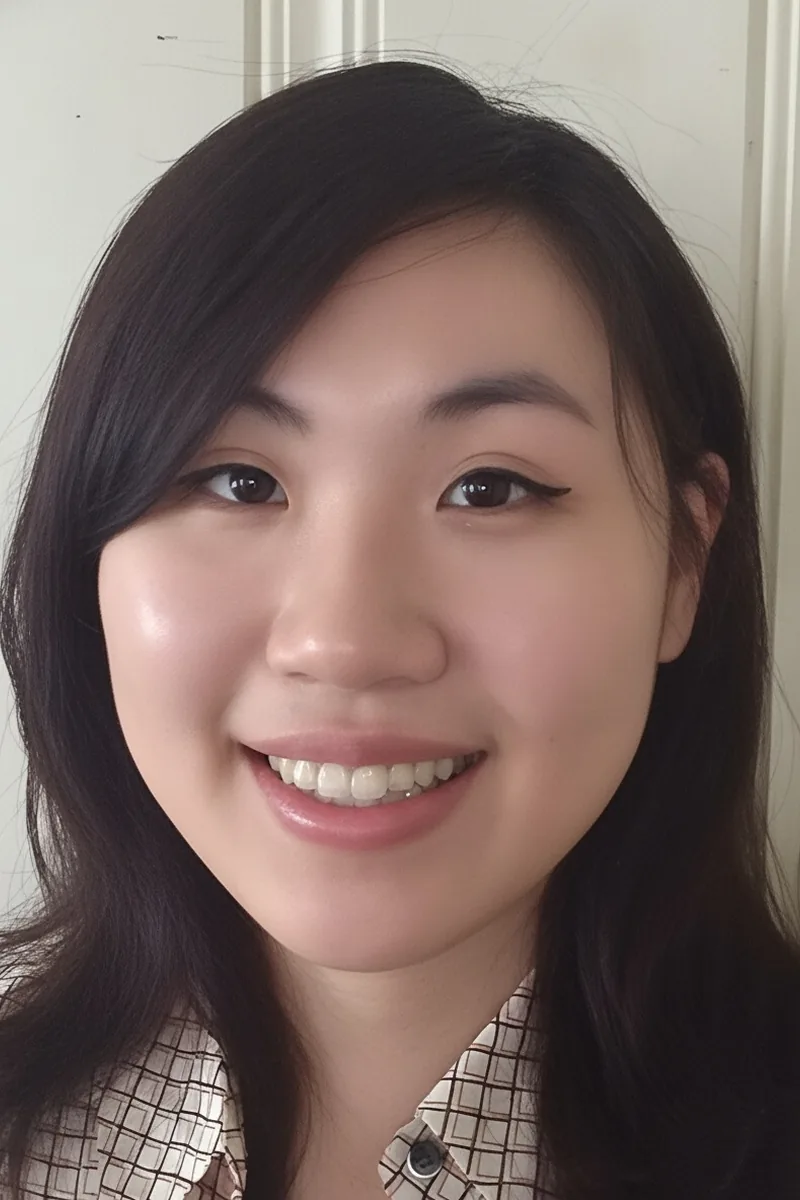
A molecular biology degree from UC Berkeley might seem unrelated to AP Chinese, but Caroline's background teaching Mandarin across four levels — plus her fluency in the language — means she knows how to bridge the gap between conversational Mandarin and the formal, academic register the exam's interpretive reading and listening sections demand. She's particularly effective at coaching students through the exam's interpersonal tasks, where her experience mentoring K-12 students in Oakland translates into patient, structured practice that builds confidence under timed conditions. Rated 5.0 by students.
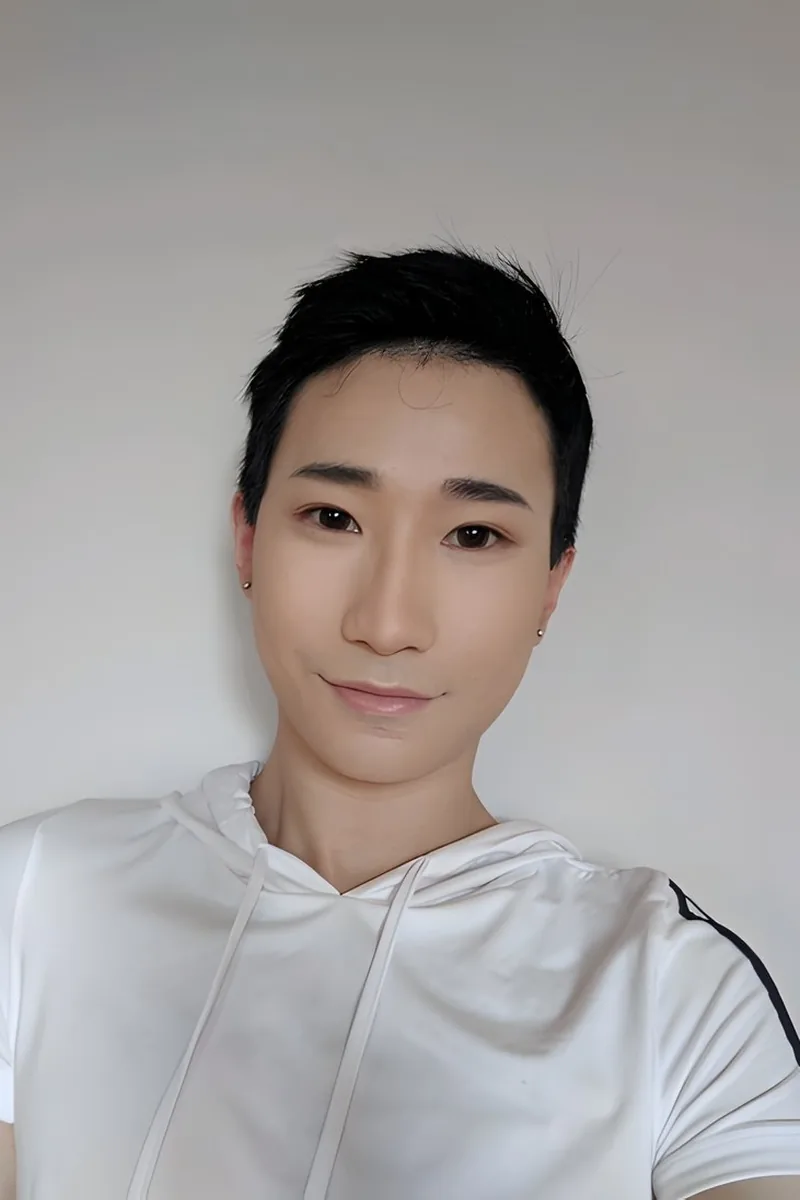
The culture component of AP Chinese Language and Culture is where many students lose points — understanding idioms, social registers, and cultural practices well enough to respond authentically under timed conditions. Jiahao's graduate training in interpretation at Beijing Foreign Studies University was built around exactly this kind of cross-cultural fluency, and he brings that depth to every practice prompt and free-response drill.
The AP Chinese Language and Culture exam rewards students who can think culturally, not just linguistically — comparing traditions, explaining customs, and narrating personal experiences in natural Mandarin. Lauren lived in Nanjing and studied at Nanjing University, so she brings real-world cultural fluency to the interpersonal and presentational tasks that trip up even strong speakers. Her linguistics degree also means she can explain tricky grammar patterns with unusual clarity.
After a decade teaching middle schoolers in a Chinese immersion school in California, Ruth knows exactly where students' spoken Mandarin starts to buckle under the pressure of timed AP tasks — especially the presentational speaking prompts that demand formal structure and clear tonal precision on the fly. She also taught History and Theater entirely in Chinese, which means her students get exposure to the kind of cross-disciplinary cultural vocabulary that the exam's reading and listening passages actually test. Rated 5.0 by students.
Minoring in Chinese at Northeastern while pursuing a pharmacy degree, Amy uses the language daily in academic contexts — reading research, discussing coursework — which builds the kind of formal register fluency the AP Chinese exam's interpretive reading and presentational writing sections actually test. Her 4.9 rating from students reflects a knack for breaking complex characters and grammatical structures into manageable patterns, and she draws on her own experience as a heritage learner to bridge gaps between conversational Mandarin and the academic-level precision the exam demands.
Paul is one of those rare tutors who operates at an advanced level in both Mandarin Chinese and a second foreign language, giving him unusual insight into how tonal languages, character-based writing systems, and cultural frameworks interact on the AP exam. He zeroes in on the interpersonal and presentational communication tasks, coaching students through the real-time speaking and writing prompts that carry the most weight.
Fluent in Mandarin and experienced with the AP Chinese exam format, JF tackles the presentational writing and interpersonal speaking components that trip up even heritage speakers. He digs into the cultural comparison prompts specifically, showing students how to structure responses that hit every rubric criterion.
Beyond typical classroom exposure, Cynthia pursued Chinese seriously enough to earn a university minor in the language, which means she's comfortable with the reading comprehension, listening, and cultural knowledge components the AP exam tests. She walks students through strategies for the interpersonal and presentational speaking tasks, where scoring well depends on fluid responses and appropriate use of idiomatic expressions.
As a native Mandarin speaker who moved to the U.S. at nine and later studied at Cornell, Jennifer bridges Chinese and American culture in a way that's hard to find in a tutor. She covers all four AP skill areas — interpretive reading, listening, presentational writing, and spoken interpersonal communication — while weaving in the cultural knowledge that the exam's free-response questions specifically test. Rated 5.0 by students.
The AP Chinese exam tests far more than vocabulary recall — it demands cultural knowledge, formal register in writing, and the ability to compare Chinese and American perspectives in presentational speaking. Daniel, who has studied Mandarin through advanced levels, breaks down each exam section so students know exactly what the graders are looking for in their responses.
The AP Chinese Language and Culture exam tests listening, reading, speaking, and writing in a single sitting, which means students need more than vocabulary drills — they need fluency under pressure. Nova's real-world Mandarin teaching experience and her SAT Subject Test preparation in Chinese with Listening give her a sharp sense of where American-educated students typically lose points. She zeroes in on the story narration and cultural comparison sections that carry heavy weight on exam day.
Jess studies public policy and peace, war, and defense at UNC Chapel Hill — a program steeped in the kind of geopolitical and diplomatic context that gives AP Chinese cultural comparison essays real substance instead of generic observations. She speaks Mandarin conversationally and teaches it across multiple levels, so she can coach students on bridging the gap between everyday spoken Chinese and the formal presentational writing register the exam actually scores.
Charles speaks both Cantonese and Mandarin and teaches across all four Mandarin Chinese levels, which means he can pinpoint exactly where a student's tonal accuracy or grammatical structure needs tightening before exam day. His strongest contribution to AP Chinese prep is the interpersonal response tasks — he runs rapid-fire conversational drills that build the kind of spontaneous, register-appropriate Mandarin the exam scores highest.
Testimonials
Because the right AP Chinese Language and Culture tutor makes all the difference.
Average Session Rating – Based on 3.4M Learner Ratings
Nearby AP Chinese Language and Culture Tutors
Other San Francisco Tutors
Related Languages Tutors in San Francisco
Frequently Asked Questions
The AP Chinese Language and Culture exam tests proficiency across five key areas: listening, reading, writing, speaking, and cultural knowledge. The exam includes multiple-choice sections for listening and reading comprehension, a free-response writing section, and a speaking component where you'll participate in conversations and deliver presentations. Success requires not just language skills but also understanding Chinese cultural contexts, which makes the exam comprehensive and challenging.
Score improvement depends on your starting level and how consistently you work with a tutor, but students typically see meaningful gains within 8-12 weeks of focused preparation. Many students improve by 2-3 score points on the AP scale (1-5), particularly when tutoring targets their specific weak areas—whether that's tonal accuracy in speaking, reading comprehension speed, or cultural context questions. The key is identifying exactly where you're losing points and practicing strategically rather than studying broadly.
The speaking section intimidates many students because it requires real-time conversation and presentation skills with limited preparation time—there's no room to pause and think. The reading section moves quickly and requires understanding nuanced cultural references, not just vocabulary. Additionally, students often struggle with the writing task because it demands formal, structured responses in Chinese while maintaining cultural appropriateness. Tutors can help you build confidence in each section through targeted practice and feedback on your specific pronunciation, grammar, and cultural knowledge gaps.
Your first session typically involves a diagnostic assessment to identify your current proficiency level and pinpoint which sections need the most work—listening, reading, writing, or speaking. From there, a tutor creates a customized study plan that focuses on your weak areas while reinforcing your strengths. Expect regular practice with authentic exam materials, timed practice tests, and detailed feedback on your responses, especially for the speaking and writing sections where nuance matters.
Most students benefit from 3-6 months of consistent preparation, though this varies based on your starting level and how much time you can dedicate weekly. If you're already fluent or near-fluent in Mandarin, you might need just 8-10 weeks to master exam-specific strategies and cultural content. A tutor can help you create a realistic timeline based on your current abilities and target score, breaking the preparation into manageable milestones so you're not cramming close to test day.
The speaking section requires practicing both conversation and presentation formats under timed conditions—something that's difficult to do alone. A tutor can conduct mock conversations, provide immediate feedback on your pronunciation and tonal accuracy, and help you develop strategies for thinking on your feet. Regular practice with native-level speakers or tutors who model natural speech patterns significantly improves your confidence and fluency, which directly translates to better performance on test day.
Cultural knowledge is woven throughout the exam—reading passages reference historical events, social customs, and contemporary issues in Chinese-speaking regions, and the speaking/writing sections often ask you to discuss cultural topics. You can't score well by focusing only on grammar and vocabulary; understanding Chinese culture, current events, and social contexts is essential. A tutor can help you build this knowledge systematically while connecting it to language skills, so you're prepared for culture-heavy questions across all sections.
Look for tutors with native or near-native fluency in Mandarin Chinese, proven experience teaching AP Chinese specifically, and familiarity with the current exam format and scoring rubrics. Ideally, they should have experience helping students improve their speaking and writing scores, since those sections require specialized feedback. Varsity Tutors connects you with expert tutors for students in San Francisco who meet these standards and can tailor their approach to your learning style and goals.
Let’s find your perfect tutor
Answer a few quick questions. We’ll recommend the right plan and match you with a top 5% tutor.