Award-Winning AP Spanish Literature and Culture Tutors
serving Fresno, CA
AP Spanish Literature and Culture
Tutors in Fresno
Private 1-on-1 tutoring, weekly live classes for academic support, test prep & enrichment, practice tests and diagnostics, and more to elevate grades and test scores.
Based on 3.4M Learner Ratings
UniversitiesSchools & Universities
DeliveredHours Delivered
ProficiencyGrowth in Proficiency
Who needs tutoring?
No obligation. Takes ~1 minute.
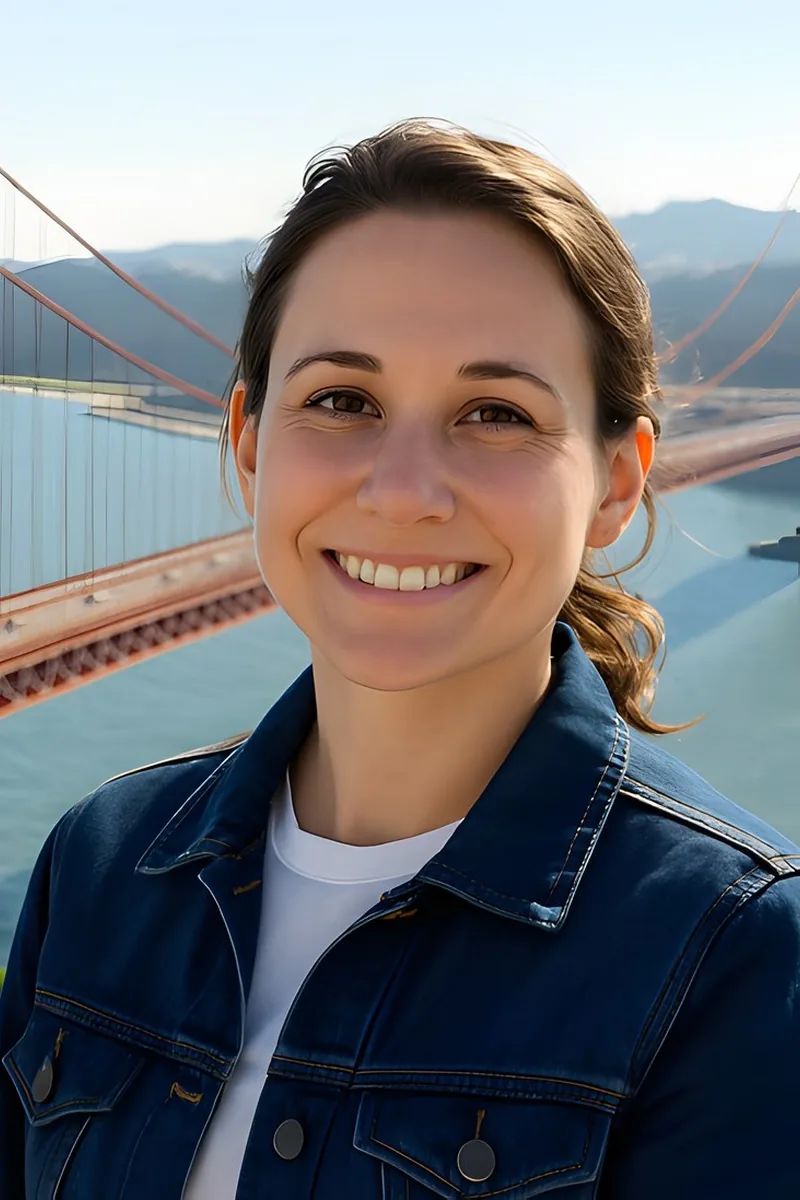
Molecular biology and literary analysis share more than people think — both require pulling apart complex structures to understand how smaller components create meaning. Alana's science training sharpens how she teaches students to dissect a passage's formal choices, and her Spanish coursework through AP-level literature means she can coach essay construction and textual analysis in the target language. Rated 5.0 by students.
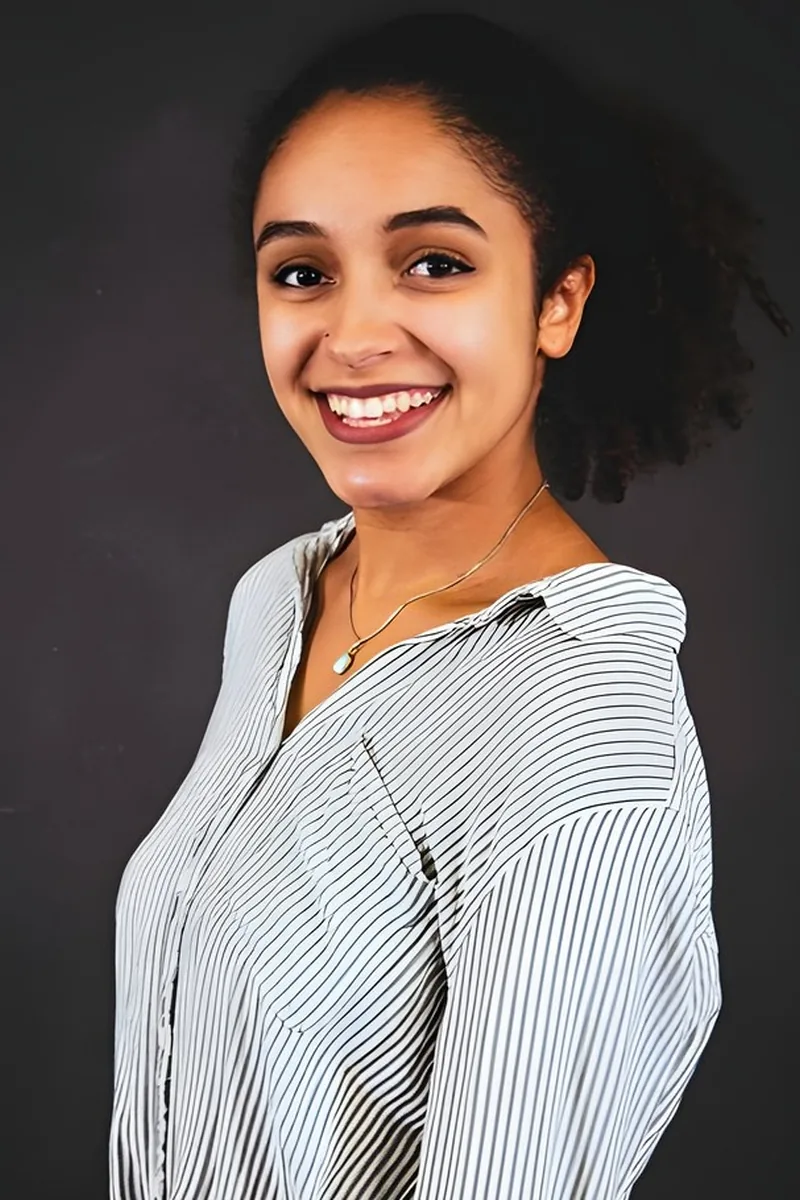
Ysatris's psychology degree gives her a particular angle on the AP reading list — she's trained to analyze human behavior, which translates naturally into unpacking character motivation and identity themes in works by authors like Burgos or García Márquez. She also teaches AP Spanish Language & Culture and conversational Spanish, so essay construction and literary discussion happen in Spanish from the start. Her Magna Cum Laude honors from UIUC speak to the academic rigor she brings to timed analytical writing.
Pre-med and AP Spanish Literature don't seem like natural companions, but Franshesca's coursework across all levels of Spanish — from introductory through AP — means she's built the language proficiency needed to read and discuss reading list texts in Spanish. Her science-trained habit of methodical analysis carries over surprisingly well to breaking down how a poet structures an argument or how a narrator's choices reveal theme, and she coaches students on organizing timed essays with that same precision. Rated 4.8 by students.
Honestly, AP Spanish Literature and Culture isn't Courtney's deepest specialty — her Spanish minor and SAT Spanish Subject Test tutoring give her solid language skills, but this exam's literary canon demands a level of cultural and analytical depth that goes beyond language proficiency alone. For students who need help with the foundational Spanish reading and writing fluency that supports literary analysis, or who want structured practice organizing timed essays, her 34 ACT and 5.0 rating reflect serious analytical chops she can apply to argument construction and textual evidence work.
Phyllis earned her BA in Spanish and teaches across every level of the language, from Spanish 1 through AP — so she knows exactly where the gap widens between conversational fluency and the literary analysis this exam requires. Her creative background as a musician and visual artist sharpens how she teaches students to read poetry and prose for rhythm, imagery, and formal structure, then translate those observations into thesis-driven essays in Spanish. Rated 5.0 by students.
English and journalism training at UChicago sharpened Isabella's ability to dissect how authors construct arguments and layer meaning — skills that transfer directly to analyzing AP reading list texts, even though Spanish literature isn't her primary lane. For students who already have strong Spanish fluency but struggle with the essay side of the exam (building a thesis, structuring evidence-based paragraphs under time pressure), her 5.0 rating and deep experience coaching college-level writing make her a practical fit.
Few tutors can match Trace's combination of a summa cum laude specialization in Spanish from Ohio State and professional experience as a Spanish-language court interpreter. For AP Spanish Literature and Culture, he unpacks texts from Cervantes to García Márquez in their original language, teaching students to write literary analysis in Spanish with the sophistication the exam requires.
Living in Bogotá as a Fulbright scholar while holding a double major in Spanish and Business from Emory means Michelle is immersed daily in the Colombian literary and cultural landscape — the kind of lived context that enriches discussion of Latin American works on the AP reading list. She brings that real-world fluency to essay practice in Spanish, particularly when students need to connect a text's themes to the broader cultural movements the exam expects them to articulate under timed conditions.
Analytical chemistry and Spanish literature sound worlds apart, but Hannahlore's 35 ACT and 5.0 rating reflect the same precise, evidence-driven thinking that timed AP literary essays demand — identifying a pattern in a text and building a structured argument around it, much like interpreting data in a lab. For students who already have strong Spanish language skills and need coaching on the mechanics of constructing a thesis, selecting textual evidence, and writing a coherent analytical essay under time pressure, her systematic approach translates effectively to the free-response format.
Growing up as a native Spanish speaker and completing AP Spanish Literature coursework through the IB program, Solange reads and analyzes texts by authors like Cervantes and Borges in their original language without defaulting to English translation as a bridge. She teaches students to move between close reading of poetic form and constructing timed analytical essays — the exact skill set the exam's free-response section rewards. Rated 5.0 by students.
Political science and law school prep might seem far from the AP reading list, but Diana's training in constructing tight, evidence-based arguments translates directly to the exam's free-response essays — where a well-structured thesis about a Borges story or a Sor Juana poem matters as much as Spanish fluency. Her background in Latin and AP Spanish coursework gives her the linguistic foundation to coach students through close reading and essay drafting in Spanish, especially on the argumentative structure that separates mid-range scores from top ones.
Studying four languages — including Armenian, which she's currently acquiring — gives Araxie a firsthand understanding of how grammar, idiom, and cultural context interact in ways that matter for close reading of AP reading list texts in Spanish. Her Linguistics major at the University of Chicago sharpens that instinct: she can teach students to notice how a poet's syntax or verb mood carries meaning, then build that observation into a structured analytical essay entirely in Spanish.
Testimonials
Because the right AP Spanish Literature and Culture tutor makes all the difference.
Average Session Rating – Based on 3.4M Learner Ratings
Nearby AP Spanish Literature and Culture Tutors
Other Fresno Tutors
Related Languages Tutors in Fresno
Frequently Asked Questions
The AP Spanish Literature and Culture exam tests your ability to read, analyze, and discuss Spanish-language literature from Spain and Latin America. The exam includes multiple-choice questions on short passages and poems, free-response essays analyzing literary texts, and a spoken component where you discuss a literary work. You'll need to understand literary devices, historical context, and cultural themes across various genres—poetry, drama, novels, and essays—spanning from the 16th century to contemporary works.
Most students benefit from 4-6 months of focused preparation, though this depends on your current Spanish proficiency and familiarity with literary analysis. If you're already comfortable with conversational Spanish, you can focus on building analytical vocabulary and understanding the specific texts on the AP reading list. Starting preparation in January or February gives you solid time to work through practice materials, analyze required texts, and refine your essay-writing skills before the May exam.
Students often struggle with three main areas: understanding archaic or complex literary language, analyzing texts in a foreign language under time pressure, and mastering the specific essay formats the exam requires. Many also find it challenging to balance memorizing the required reading list with developing genuine analytical skills. Additionally, the spoken component can be intimidating if you're not used to discussing literature extemporaneously in Spanish.
Yes—personalized instruction focused on your specific weak areas can make a meaningful difference. A tutor can help you develop efficient reading strategies for complex texts, teach you how to structure essays that earn high scores, and give you targeted feedback on your practice responses. Regular practice with a tutor also builds confidence for the spoken portion and helps you manage time effectively during the exam.
Start by taking a full practice test under timed conditions to identify your weakest sections—whether that's multiple-choice comprehension, essay writing, or the spoken component. After each practice test, review incorrect answers carefully to understand why you missed them, not just what the right answer was. Use subsequent practice tests to focus on specific skills: spend one session on close reading of poetry, another on essay structure, and another on speaking fluency. Spacing out your practice over several weeks helps reinforce learning better than cramming.
Varsity Tutors connects you with expert tutors in Fresno who specialize in AP Spanish Literature and Culture. You can specify your needs—whether you want help with essay writing, literary analysis, conversational fluency for the spoken component, or overall exam preparation—and get matched with a tutor whose expertise fits your goals. Most tutors offer flexible scheduling to work around your school and extracurricular commitments.
Your first session is typically a chance for your tutor to assess your current level, understand your goals, and identify your specific challenges. You might discuss which texts you've already read, review a sample essay or practice test response, or work through a short passage together to see where you need the most support. From there, your tutor will create a personalized study plan that focuses on your priorities—whether that's mastering the essay format, building literary vocabulary, or preparing for the spoken portion.
Yes, you should plan to read the entire required reading list, as the exam draws from these specific works. However, you don't need to read them all before starting tutoring—a tutor can help you work through them strategically, breaking down complex texts and ensuring you understand the key themes and literary elements. Some students benefit from reading summaries or watching adaptations alongside the original texts to deepen comprehension, especially for older or more challenging works.
Let’s find your perfect tutor
Answer a few quick questions. We’ll recommend the right plan and match you with a top 5% tutor.