Award-Winning AP Environmental Science Tutors
serving Seattle, WA
AP Environmental Science
Tutors in Seattle
Private 1-on-1 tutoring, weekly live classes for academic support, test prep & enrichment, practice tests and diagnostics, and more to elevate grades and test scores.
Based on 3.4M Learner Ratings
UniversitiesSchools & Universities
DeliveredHours Delivered
ProficiencyGrowth in Proficiency
Who needs tutoring?
No obligation. Takes ~1 minute.
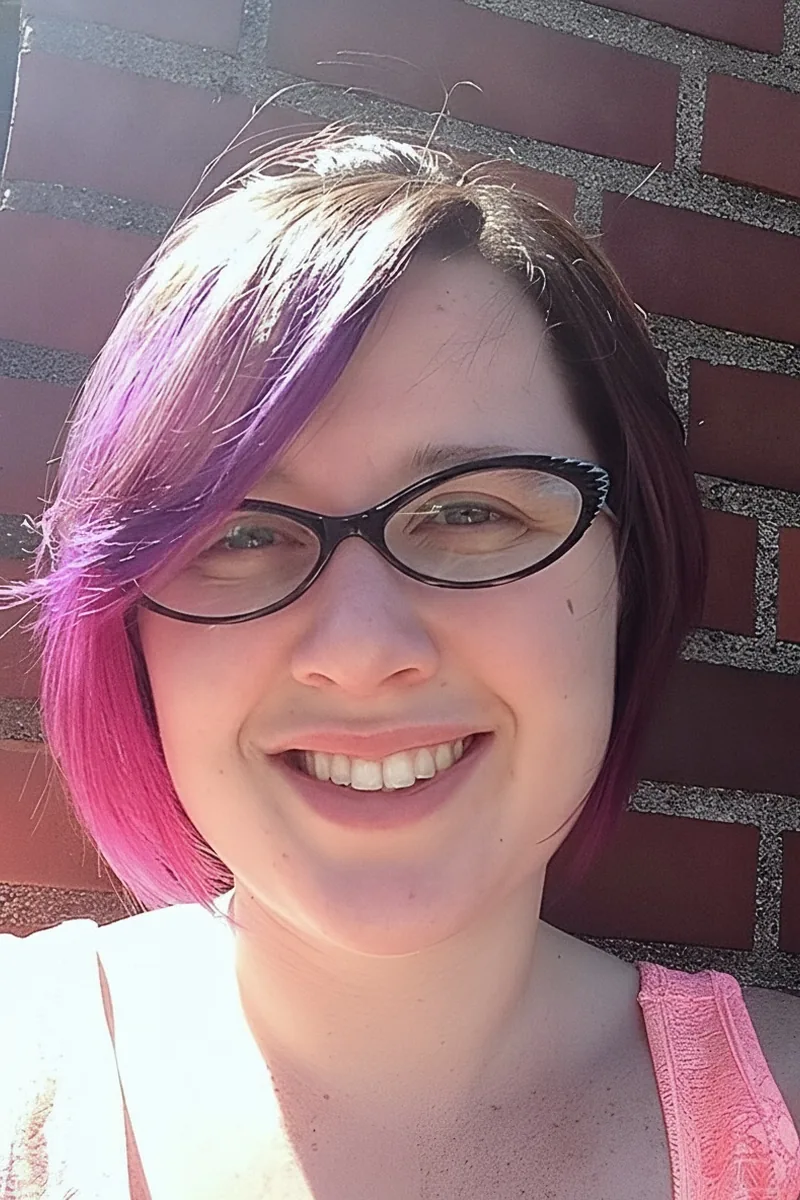
Kourtney is earning her MPH in Environmental Systems and Human Health at Oregon Health and Science University, which means AP Environmental Science overlaps directly with what she studies at the graduate level. She tackles the trickiest APES topics — biogeochemical cycles, environmental legislation, and free-response data analysis — with the depth of someone who lives this material daily.
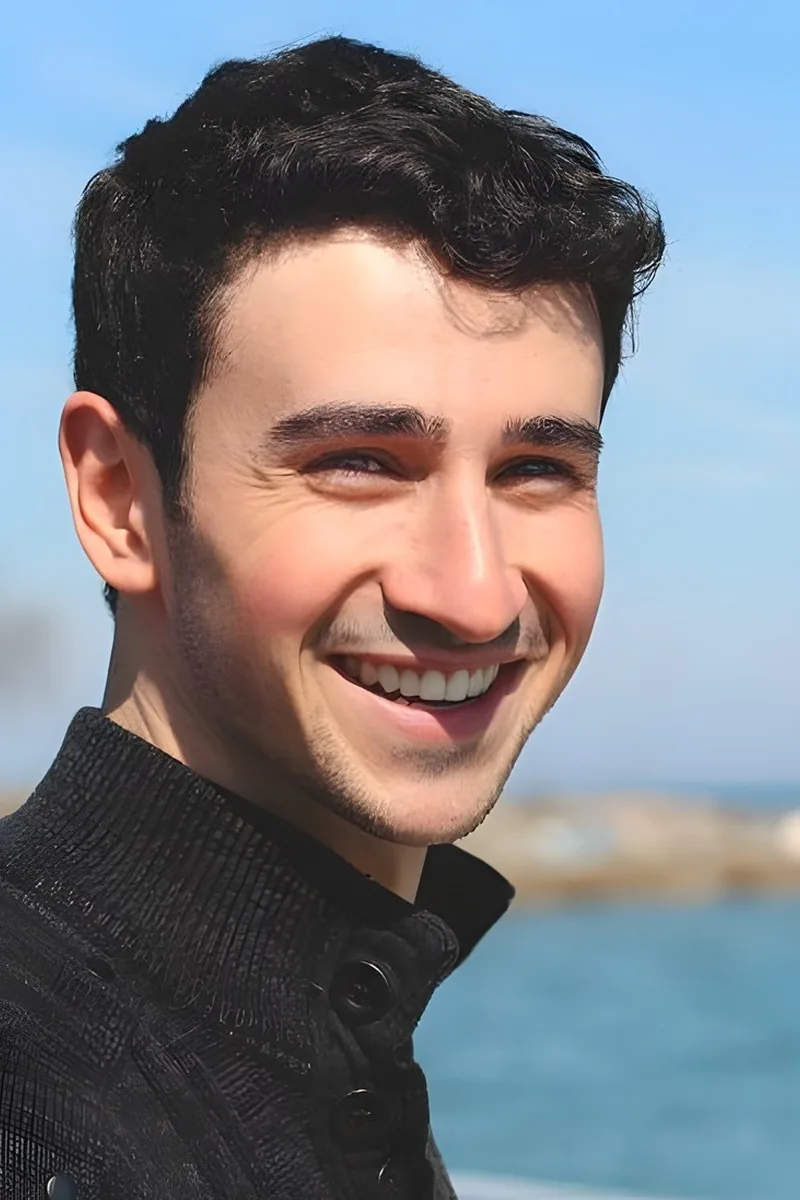
Cognitive science trains you to think in systems — how inputs, feedback loops, and cascading effects connect across complex networks — which maps surprisingly well onto APES topics like biogeochemical cycles, ecosystem disruption, and human-environment feedback. Zachary applies that systems-thinking lens to help students trace cause-and-effect chains across units, which is the skill that separates 3s from 5s on the free-response section. He scored a 32 on the ACT and carries a 4.8 tutoring rating.
Running a marine biology summer camp means Zoey has taught kids to trace real ecological relationships — predator-prey dynamics, nutrient runoff in coastal systems, habitat loss from human development — which map directly onto the APES curriculum's core units. Her master's in marine biology gives her the field-level understanding of biodiversity, conservation, and ecosystem interactions that turns abstract exam topics into concrete examples students actually remember. Rated 4.9 by students.
Primary care medicine means Kellyann sees the downstream effects of environmental problems daily — asthma exacerbated by air quality, waterborne pathogens, the health toll of industrial pollutants — which gives her a clinical lens on APES units covering pollution, toxicology, and human impact that pure ecology tutors often lack. She pairs that real-world perspective with nine years of science tutoring experience and a 4.9 rating, teaching students to trace environmental causes through biological systems the way a clinician would during a differential diagnosis.
Most APES tutors come at the subject from biology or policy — Courage holds a Master's in Environmental Science, meaning he studied climate systems, land degradation, and resource management as his primary discipline, not a sidebar. He digs into the interconnections between Earth systems that the exam's free-response questions demand, teaching students to trace how a single disruption — deforestation, nutrient runoff, atmospheric CO₂ increases — ripples across multiple units.
Geophysics sits at the intersection of earth systems and physical processes — so when Derrick teaches APES topics like plate tectonics, soil formation, or how geological activity shapes resource distribution, he's drawing on coursework that goes well beyond the AP curriculum. He also brings strong math and physics chops to the quantitative side of the exam, tackling energy budget calculations and atmospheric modeling problems that pure memorization won't solve. Rated 5.0 by students.
Neuroscience teaches you to think about interconnected systems — how a single disruption cascades through networks of dependent processes — and Ankit applies that same framework to APES topics like trophic cascades, biogeochemical disruptions, and feedback loops in climate systems. His dual background in neuroscience and computer science at Duke, combined with a perfect 36 ACT, means he's comfortable with both the conceptual modeling and the quantitative problem-solving the exam demands.
I am a 3rd year bio major at GT with minors in biochemistry and computer science. My tutoring subjects are math, bio, and chem. I have tutored for a few years, and I have also TAed! My favorite subjects are general chemistry and molecular biology (: My personal belief is that anyone can enjoy a subject once they truly understand it.
Medical school at UMKC built on a cellular and molecular biology foundation means Lina understands the biological machinery — nutrient cycling, cellular respiration, photosynthetic pathways — that underpins the ecosystem-level questions APES actually tests. She teaches students to trace environmental problems back to their molecular origins, like connecting eutrophication to the specific biochemistry of decomposition and dissolved oxygen depletion. Rated 5.0 by students.
A Harvard-trained researcher who wrote his senior thesis on John Dewey's philosophy of education, Henry connects AP Environmental Science topics like biogeochemical cycles and ecosystem dynamics to the real-world policy debates that make them matter. He teaches students to interpret data sets and construct free-response answers that earn full credit by linking evidence to scientific claims.
Shawn's master's in chemistry gives him a molecular-level understanding of the processes that drive APES content — ocean acidification equilibria, nitrogen fixation pathways, ozone depletion mechanisms — so he can explain the why behind environmental phenomena instead of just naming them. He also teaches the course's surprisingly tricky math, from parts-per-million conversions to energy budget calculations, with the comfort of someone who's done far harder stoichiometry. Rated 4.9 by students.
A history and political science background turns out to be a real asset for the APES units on environmental legislation, resource policy, and the human-systems questions that dominate the free-response section — Andrew can explain why the Clean Air Act matters in both a political and ecological context. He also tutors across math and science, so he's comfortable walking through the quantitative problems like resource depletion rates and energy calculations that trip up students who expected a purely memorization-based course.
Kiera is majoring in Ecology and Evolutionary Biology at Dartmouth, which means she's studying biodiversity, population dynamics, and ecosystem interactions at a level well beyond what the APES exam requires — and her engineering modification adds the quantitative rigor needed for calculations like energy transfer efficiency and ecological footprint math. She scored a 35 on the ACT and holds a 5.0 tutoring rating, bringing that same precision to the data-analysis and experimental-design questions that make up the bulk of the free-response section.
Testimonials
Because the right AP Environmental Science tutor makes all the difference.
Average Session Rating – Based on 3.4M Learner Ratings
Practice AP Environmental Science
Free practice tests, flashcards, and AI tutoring for AP Environmental Science
Other Seattle Tutors
Related Science Tutors in Seattle
Frequently Asked Questions
Your first session is all about understanding where you're starting from. A tutor will assess your current knowledge of environmental concepts, identify which topics feel strongest (like ecology or Earth systems), and pinpoint areas that need more focus. Together, you'll create a personalized study plan aligned with your AP exam goals and timeline.
Score improvement depends on your starting point and how consistently you engage with the material. Students who work with a tutor typically see gains by developing stronger conceptual understanding and mastering the exam's question formats—especially the free-response section, which many students find challenging. The key is combining tutoring with regular practice and active studying between sessions.
Many students struggle with the breadth of the curriculum—it spans ecology, chemistry, earth science, and human impacts all in one course. The free-response questions can be tricky because they require you to apply concepts to real-world scenarios rather than just recall facts. Time management during the exam is also common, since you need to balance multiple choice speed with thoughtful written responses.
Personalized 1-on-1 instruction lets a tutor focus on your specific weak spots—whether that's photosynthesis cycles, climate systems, or interpreting data graphs. Rather than sitting through generic review, you get targeted practice on question types you find hardest and strategies tailored to how you learn best. This focused approach is especially valuable for APES since the exam rewards both breadth and depth of understanding.
Practice tests are essential—they help you get comfortable with the exam's pacing (90 minutes for 80 multiple choice questions plus 3 free-response questions), identify which content areas need review, and build test-taking stamina. A tutor can use practice test results to pinpoint patterns in your mistakes and adjust your study plan accordingly, turning each practice test into a learning tool rather than just a score check.
Test anxiety often stems from feeling unprepared or unsure about question formats. Working through practice problems with a tutor builds genuine confidence because you're repeatedly succeeding with challenging material. Tutors can also teach you pacing strategies—like tackling easier multiple choice questions first to build momentum—and help you develop a pre-exam routine that calms your nerves.
Most students benefit from consistent, spaced-out study rather than cramming. A typical approach is 2-3 tutoring sessions per week combined with 30-45 minutes of independent practice between sessions, starting 8-12 weeks before the exam. This rhythm lets concepts sink in deeper and gives you time to revisit challenging topics multiple times—which is especially important for APES since the exam tests your ability to connect ideas across units.
Varsity Tutors connects you with tutors who have strong backgrounds in environmental science and proven success helping students prepare for the AP exam. When you get matched with a tutor, you can discuss their experience with APES, their approach to teaching the free-response section, and how they help students manage the course's wide scope. It's a good idea to start a few months before test day so you have time to build a strong foundation.
Let’s find your perfect tutor
Answer a few quick questions. We’ll recommend the right plan and match you with a top 5% tutor.