Award-Winning Executive Functioning Tutors
serving Seattle, WA
Executive Functioning
Tutors in Seattle
Private 1-on-1 tutoring, weekly live classes for academic support, test prep & enrichment, practice tests and diagnostics, and more to elevate grades and test scores.
Based on 3.4M Learner Ratings
UniversitiesSchools & Universities
DeliveredHours Delivered
ProficiencyGrowth in Proficiency
Who needs tutoring?
No obligation. Takes ~1 minute.
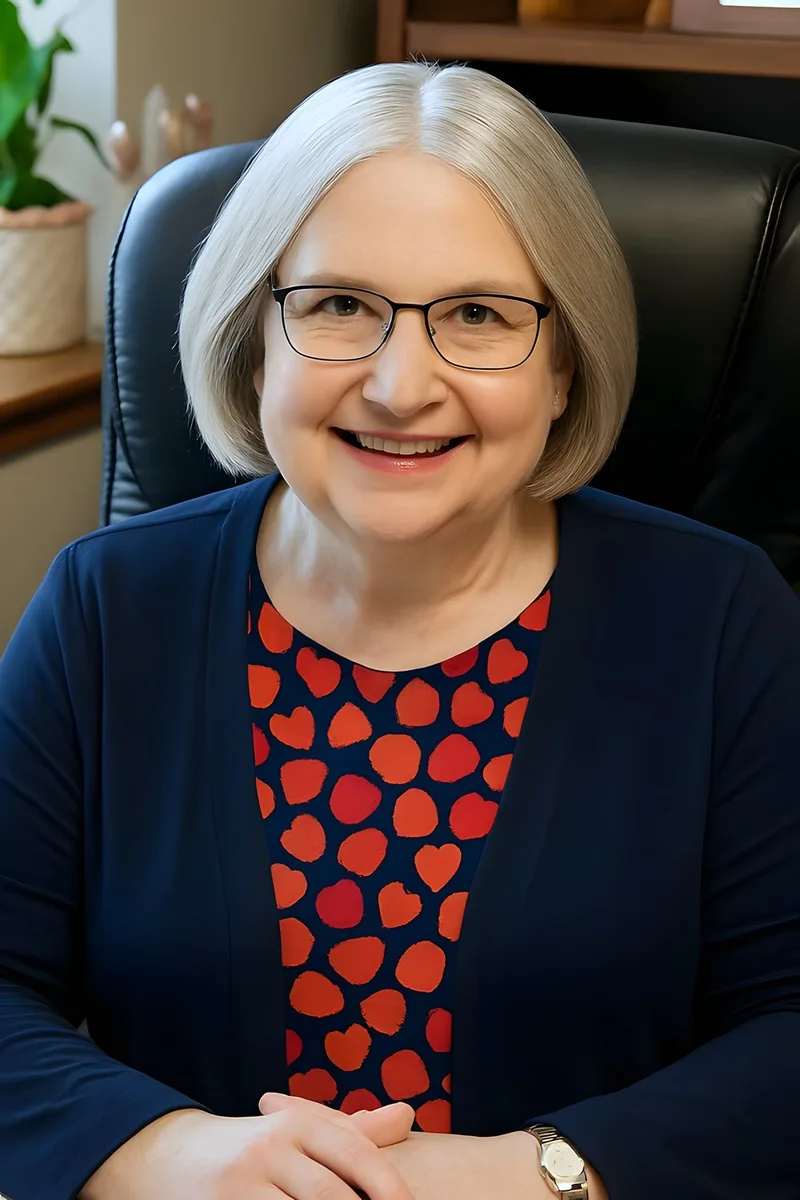
I am a graduate of the University of Pennsylvania with a Masters degree in Education and have been an Elementary and Middle School educator for over thirty years. I have worked with students in the inner city, suburbs, Appalachia, and Deep South. I love teaching and children, and have discovered my passion in tutoring students who are struggling in Reading and Math. I have taught children with learning disabilities to read, and coached students with dyscalculia in math and reading. I worked as a principal for the past eight years, so was working with students from Pre-K to 8th grade, coaching teachers, analyzing data, and tutoring individual students in math and reading. I have worked as a national park ranger in the past, so social studies and history are areas of strength. Students that I teach respond well to my teaching style and enjoy working with me. I believe that education is extremely important for children's futures and do everything that I can to help them be successful.

A PhD in philosophy trains you to hold complex arguments in your head, sequence multi-part proofs, and manage long-term research without external scaffolding — Christine now unpacks those same cognitive skills for students who struggle with planning, task initiation, and self-monitoring. Her breadth across math, writing, and business subjects means she can embed executive functioning strategies directly into whatever assignment a student is actually stuck on, whether it's a geometry problem set or a college essay draft.
Balancing a double major in psychology and biology while preparing for medical school forced Karim to build real systems for task prioritization, time blocking, and breaking long-term projects into manageable steps. He teaches those same strategies — planning backwards from deadlines, organizing materials, and self-monitoring progress — so students can manage their own workloads independently.
Over two decades working with students on IEPs and 504 plans taught Dolmecia exactly where the hidden breakdowns happen — the kid who understands the math but can't start the problem set, or the one whose binder is a black hole of lost worksheets. Her special education certification and finance training give her both the behavioral framework and the structured, systems-oriented mindset to build concrete routines around task initiation, material tracking, and assignment planning tied to a student's actual schoolwork.
Planning, prioritizing, managing time, and shifting between tasks — these executive functioning skills underpin academic success but rarely get taught explicitly. Derek tackles them as teachable skills, building concrete systems like task checklists, color-coded planners, and structured routines that students internalize over time. His doctorate focused on how curriculum design shapes learning behavior, which gives him a research-grounded toolkit for strengthening these cognitive habits.
Planning, prioritizing, starting tasks, managing time — executive functioning skills don't come naturally to every student, and they're rarely taught explicitly in school. Hannah's Special Education program at Purdue trained her in scaffolding these skills through structured routines, visual organizers, and self-regulation strategies. She builds systems that students internalize gradually rather than depend on forever.
Tutoring across 46 subjects — from elementary math to organic chemistry to college essays — means Adel constantly sees which organizational habits transfer across disciplines and which ones students are missing. His biochemistry training at Georgia Tech required coordinating lab work, problem sets, and writing simultaneously, so he teaches students concrete strategies for prioritizing tasks, estimating how long assignments actually take, and building weekly workflows that prevent last-minute scrambles. Rated 5.0 by clients.
Jennifer's M.Ed. in Curriculum and Instruction trained her to design structured learning sequences — a skill she now applies to teaching students how to plan multi-step projects, estimate time for assignments, and organize materials across classes. Her experience spanning elementary through college-level work means she calibrates these systems to each student's actual academic demands, building routines around real homework and deadlines rather than abstract exercises. Rated 5.0 by clients.
Planning a multi-step assignment, managing time across subjects, breaking a big project into smaller pieces — these are skills that don't come naturally to every student. Heather's clinical psychology training gives her a framework for teaching organizational strategies that actually stick, and she tailors each system to how a student's brain already works rather than forcing a one-size-fits-all planner approach.
I'm working towards my Bachelors/Masters in Chemical Engineering at the Rochester Institute of Technology, with a special interest in math and physics! I believe that visual demonstrations alongside verbal explanations of material work best for strengthening a students ability to conceptualize material. I have experience tutoring both college and high school students, and I am particularly well-equipped to assist with math, physics, and SAT preparation.
Five years working specifically with students with learning differences taught Sydney where the real sticking points are — the student who knows what the assignment says but can't figure out where to start, or the one who chronically underestimates how long a reading response will take. She ties executive functioning strategies like task breakdown and self-monitoring directly to the English and Spanish coursework she also tutors, so students practice these skills on actual assignments rather than in isolation. Rated 4.9 by clients.
Hello! My name is Sam Bicking. I am an alumni and student at The University of Pennsylvania studying Pre-health sciences before entering medical school. I have been tutoring for several years with students with disabilities (and amazing students without disabilities).
The best part of tutoring is promoting students' long-term success through mastery of reading, writing, math, study skills, organization, and critical thinking. In particular, I enjoy helping students build test-taking strategies and core skills for the ACT, SAT, and other admissions tests. I also support pre-K and K-12 students learning math and ELA. Before joining Varsity, I tutored in a Reading and Writing Lab for university students with learning disabilities where I earned a College Reading and Learning Association (CRLA) certification. Since joining Varsity, I have completed continuing education through the Lastinger Center for Learning. I graduated from the University of Arizona in 2021 with a BA in Cultural Anthropology. In addition to tutoring, I have worked as an instructional aide for an art program, an applied anthropology researcher, and a nonprofit program coordinator. Out of all these experiences, I enjoy tutoring the most. I look forward to working with you!
Testimonials
Because the right Executive Functioning tutor makes all the difference.
Average Session Rating – Based on 3.4M Learner Ratings
Other Seattle Tutors
Frequently Asked Questions
Executive functioning refers to the mental processes that help us plan, organize, manage time, and stay focused on tasks—skills essential for academic success and everyday life. Students with strong executive functioning can break down assignments into steps, track deadlines, and maintain attention during lessons. For students in Seattle, where many schools have a 15.4:1 student-teacher ratio, developing these skills independently becomes even more important, as teachers have limited time for individual support.
Many students struggle with time management, procrastination, organizing materials, initiating tasks, and maintaining focus—especially as assignments become more complex in middle and high school. Others have difficulty breaking large projects into manageable steps, estimating how long tasks will take, or switching between different types of work. These challenges often go unaddressed in classroom settings where instruction focuses on content rather than the underlying skills needed to manage learning itself.
In a classroom, teachers deliver the same strategies to all students, but executive functioning challenges are highly individual—what works for one student may not work for another. Personalized 1-on-1 instruction allows tutors to assess how a specific student learns best, identify their particular obstacles, and teach customized strategies tailored to their strengths and challenges. This targeted approach leads to faster skill development and more sustainable habits than generic classroom instruction.
During an initial session, a tutor will typically assess your student's current organizational systems, understand their biggest challenges, and learn about their learning style and goals. They'll ask questions about how your student currently approaches homework, manages deadlines, and handles multi-step projects. This foundation allows the tutor to create a personalized plan focused on the specific skills and strategies that will have the biggest impact.
Progress in executive functioning shows up in concrete, observable ways: completed assignments turned in on time, better organization of materials and notes, reduced stress around deadlines, and improved grades as students can focus more on content. Many families also notice their student taking more initiative on homework, needing fewer reminders, and expressing greater confidence in managing their workload. These changes typically become visible within 4-6 weeks of consistent tutoring.
Executive functioning support is valuable at any age, but it's particularly impactful during transitions—entering middle school, high school, or college—when organizational demands increase significantly. Elementary students benefit from building foundational habits early, while middle and high school students often need targeted strategies to manage multiple classes, larger projects, and increased independence. Even college-bound students find that strengthening these skills before higher education sets them up for success.
Look for tutors with experience working with students who have executive functioning challenges, familiarity with evidence-based strategies (like time-blocking, task breakdown, and habit-stacking), and the ability to adapt their approach based on your student's learning style. Many effective tutors have backgrounds in education, psychology, or coaching. Varsity Tutors connects you with expert tutors who specialize in executive functioning and understand how to build sustainable skills that transfer across subjects and contexts.
Yes—a key part of executive functioning tutoring is helping students identify and implement systems that actually work for them, whether that's digital tools like calendars and task managers or analog methods like planners and checklists. Tutors teach students how to evaluate which tools fit their needs, set them up effectively, and build routines around using them consistently. The goal is creating systems your student will actually maintain, not just imposing tools that feel burdensome.
Let’s find your perfect tutor
Answer a few quick questions. We’ll recommend the right plan and match you with a top 5% tutor.